Playground Safety Netting Supplier for Recreational and Public-Space Protection
Wenetting supplies custom playground safety netting for recreational areas, public-use spaces, climbing zones, and protective enclosures where separation, containment, and practical safety support are required.
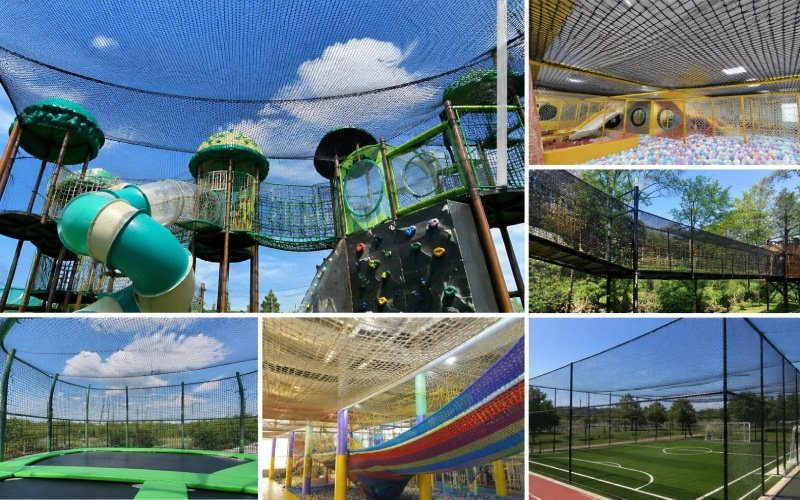
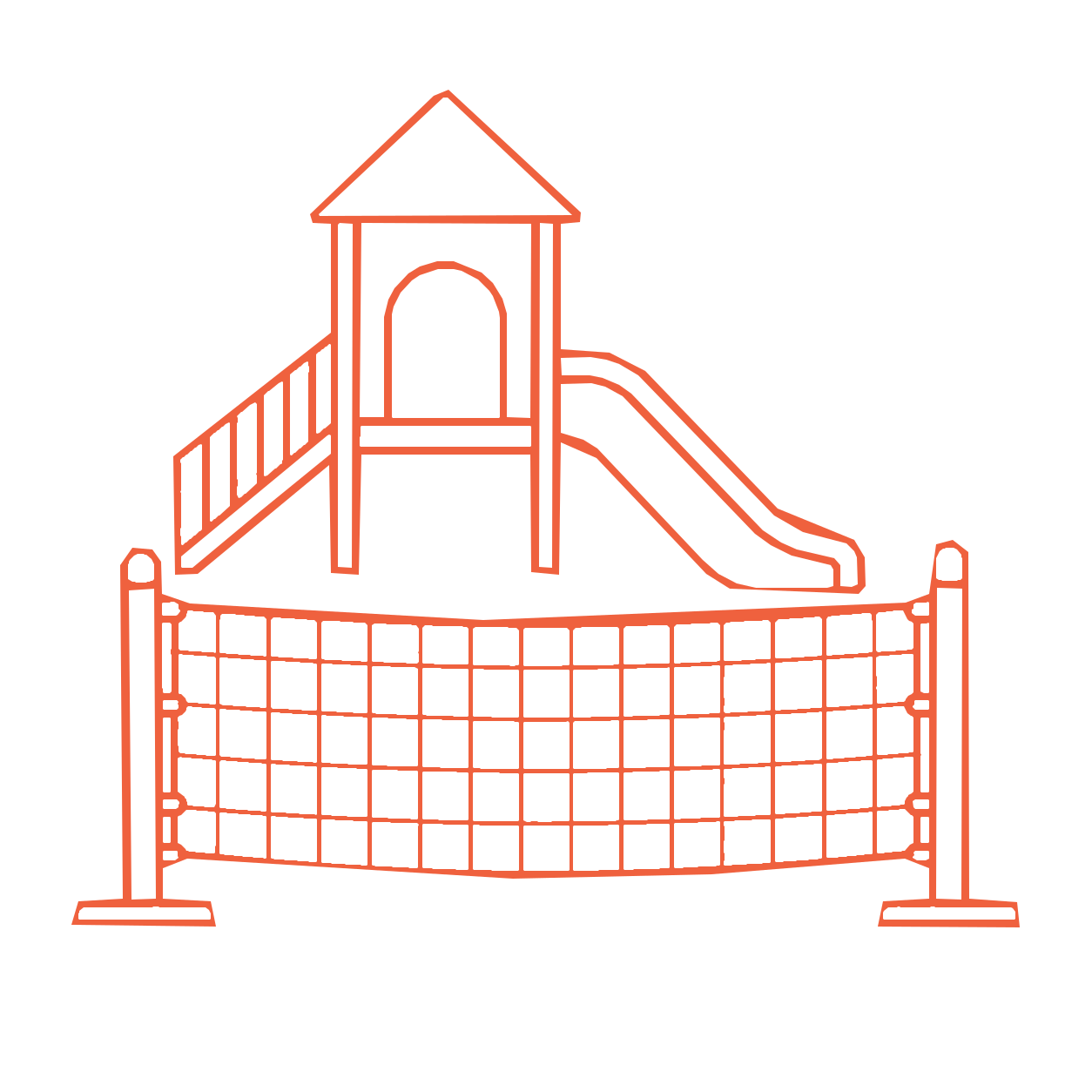
Playground safety netting is commonly used around play areas, climbing structures, public recreation spaces, activity enclosures, and layout-specific protection zones where controlled separation is needed.
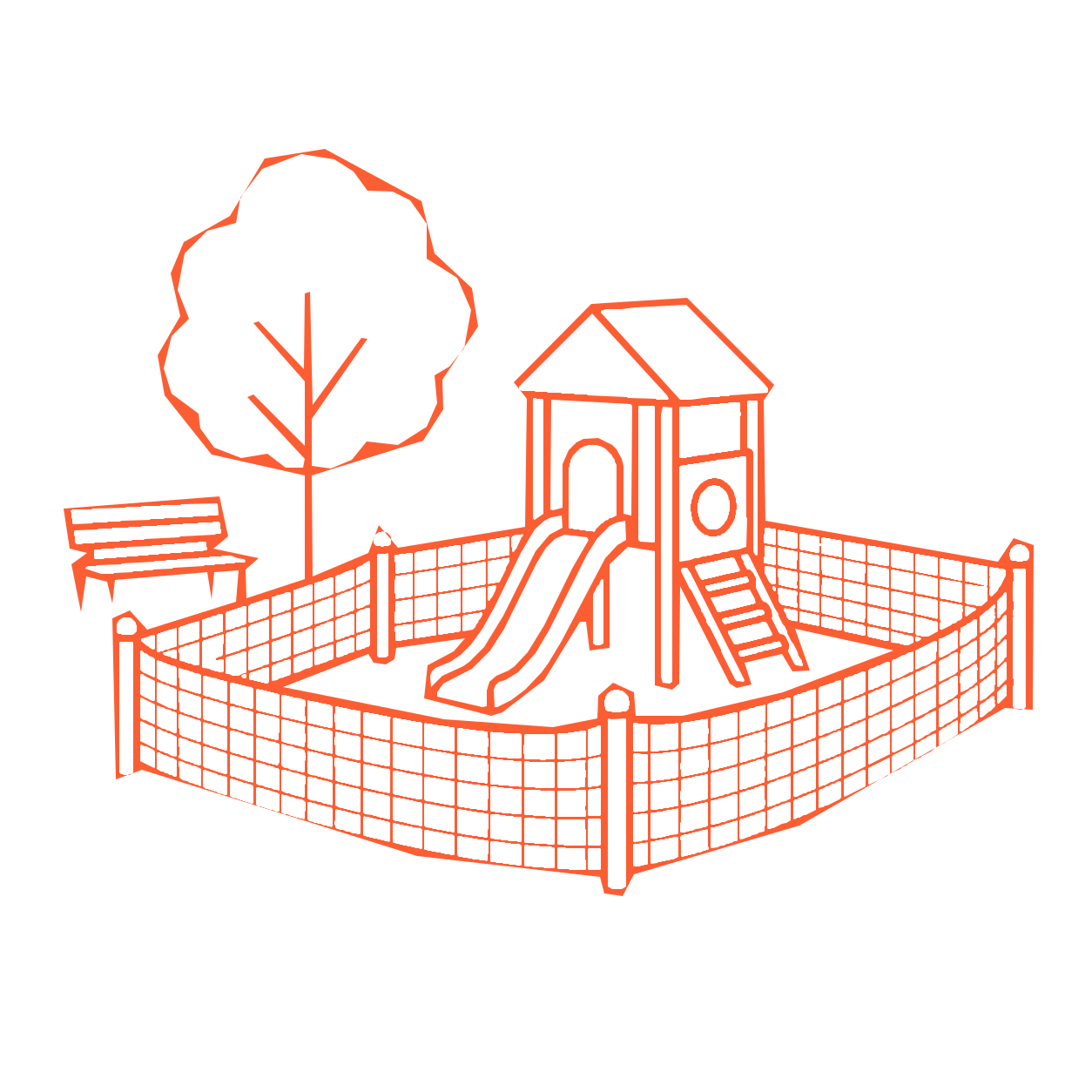
Playground Barriers
Nets or fences protecting playground boundaries, ensuring children remain within safe areas.
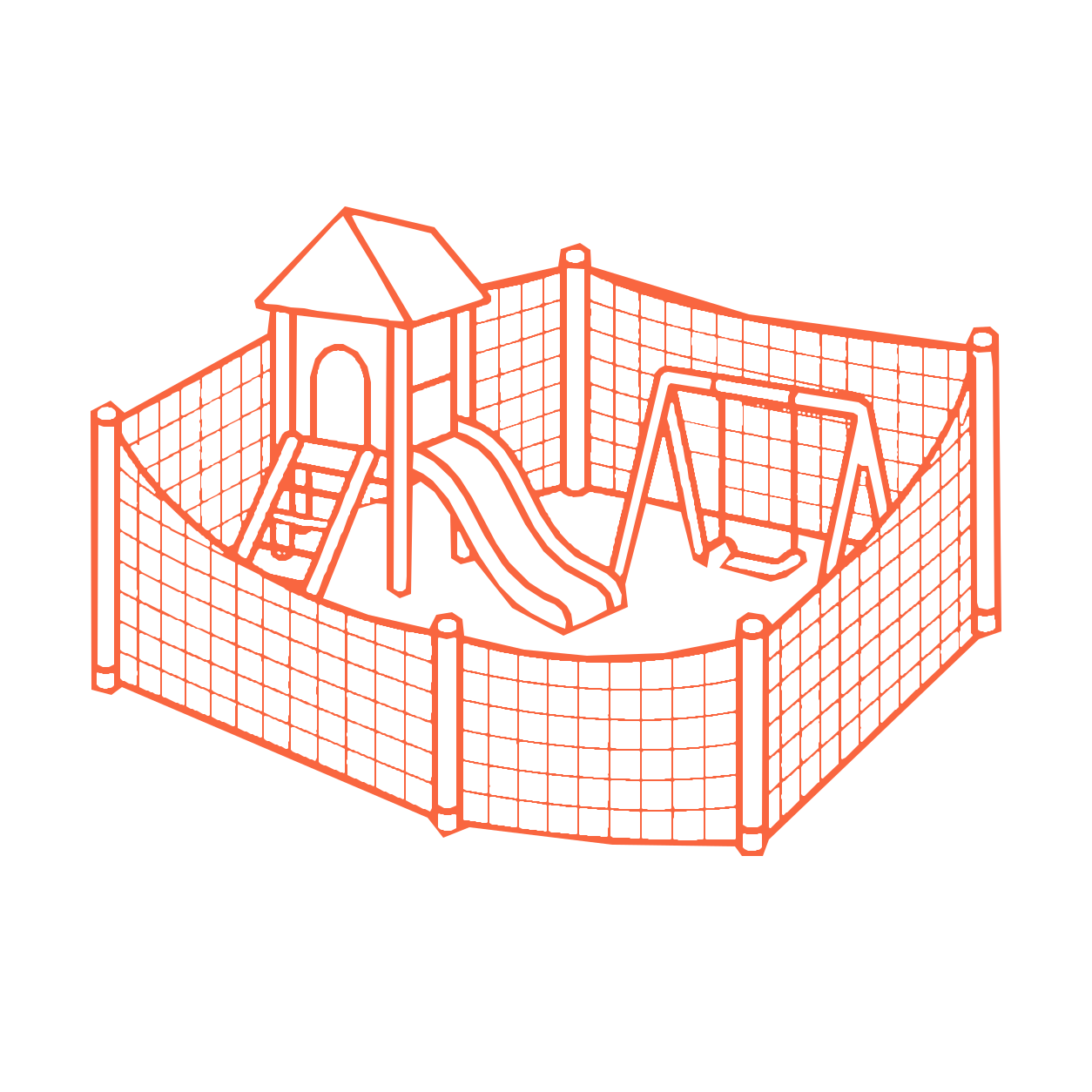
Play Area Enclosure
Encloses activity zones to prevent balls, toys, or children from leaving designated spaces.
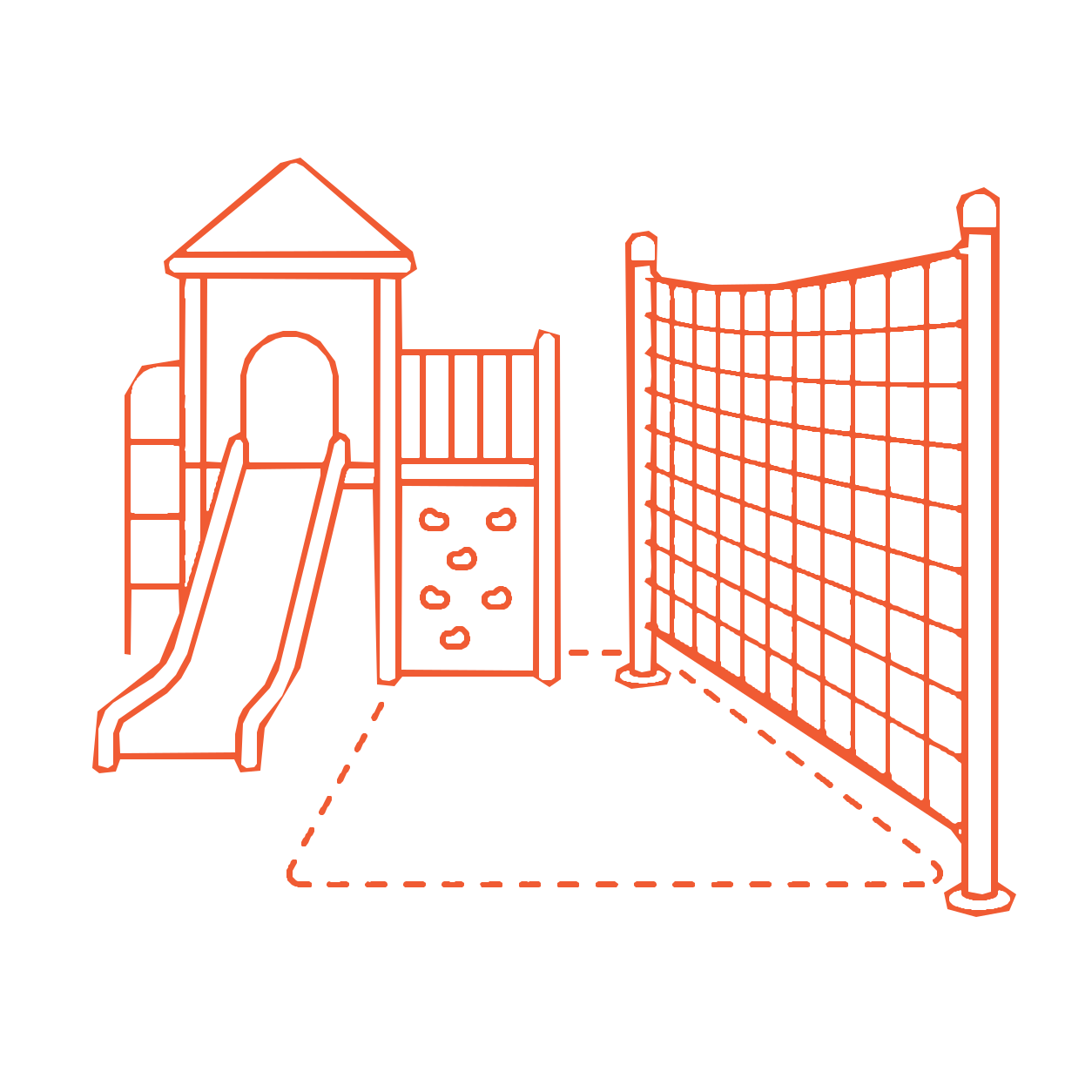
Fall Zone Separation
Separates high-risk fall areas from safe zones to reduce injury hazards.
Recreation Areas
Protective nets and barriers in parks or sports zones to enhance safety for visitors.
Recommended Product Options
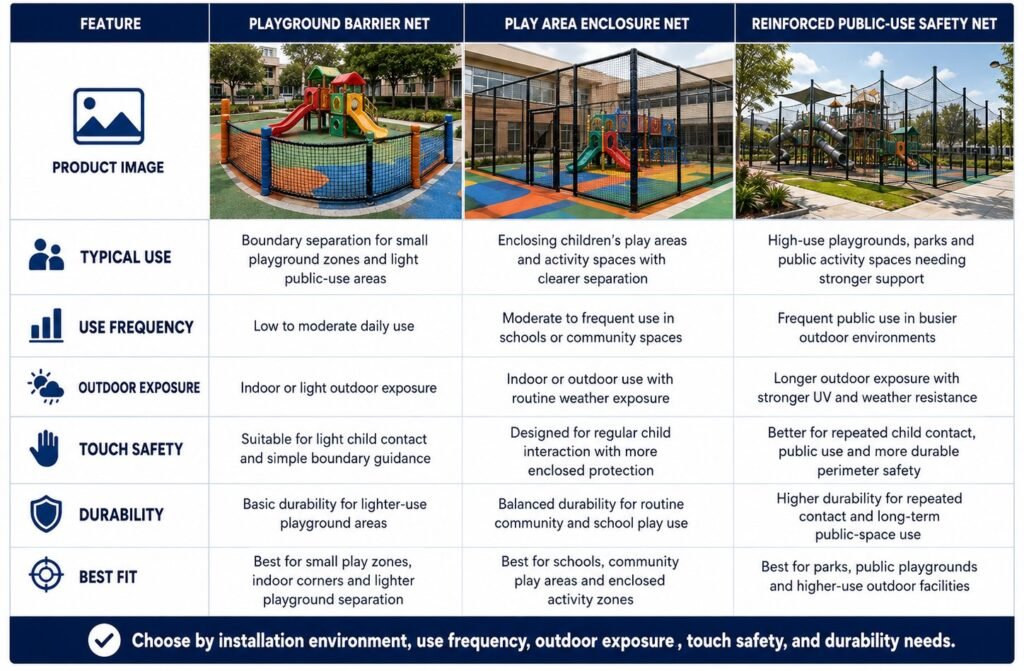
Depending on the layout, playground safety netting may be used as perimeter barrier netting, enclosure netting, or protective separation netting around designated recreation or activity areas.
Barrier Nets
Usually Installed to prevent balls, debris, or objects from leaving play or work areas safely.
Buyers usually need to confirm installation height, span size, mesh style, edge finishing, attachment layout, and overall use conditions before selecting playground safety netting.
Specification
Barrier Nets
Enclosure Nets
Protective Boundary Nets
Height
4–6 ft, suitable for low-risk play zones
6–10 ft, fully enclosing play areas for safety
6–12 ft, designed for perimeter protection and separation
Span
Short spans for sectioned-off playground areas
Medium to large spans covering full play areas
Long spans around recreational or public spaces
Visibility
High, allows clear line of sight for supervision
Moderate to high, maintains visibility while enclosing
High, ensures safety without obstructing views
Mesh
Lightweight, flexible mesh for low-impact containment
Durable knotted or knotless mesh for child safety
Medium-strength mesh resistant to outdoor wear and impact
Indoor / Outdoor
Both indoor and outdoor playgrounds
Primarily outdoor play areas or large indoor gyms
Outdoor recreation areas, parks, and public spaces
Material and Structure Guidance
The right playground safety netting setup depends on the installation environment, expected use frequency, weather exposure, and the level of protective separation required in the space.
Customization Options
We support custom sizing, edge finishing, color options, attachment-related details, and packaging requirements based on the actual application and project layout
Custom Dimensions
Mesh Size
Rope Edging
Netting Reinforcement
Accessories
Packaging
Related Product Options
Explore protective barrier netting and related configurations used for playgrounds, activity enclosures, and public recreation spaces.
Find answers to common questions about custom sizing, outdoor use, installation layout, and playground safety netting applications.
1. Can playground safety netting be customized by size?
Yes. Playground safety netting can be customized by height, width, mesh size, border style, rope diameter, and fixing points. For B2B projects, buyers should provide playground drawings, fence layout, installation height, and required coverage area before ordering.
2. How do I choose the right size for playground safety netting?
The right size depends on the playground layout, equipment height, safety boundary, and installation structure. Buyers should confirm whether the netting is used for play area enclosure, fall-zone separation, climbing protection, or perimeter safety.
3. Is playground safety netting suitable for outdoor use?
Yes. Outdoor playground netting should use UV-resistant, weather-resistant, and durable materials to handle sunlight, rain, wind, and daily use. For public parks, schools, and outdoor recreation areas, UV-stabilized materials are recommended for longer service life.
4. What colors are available for playground safety netting?
Common colors include black, green, blue, red, yellow, and custom colors. Bright colors are often used for children’s play areas, while black or green is suitable for parks and outdoor spaces where a more natural appearance is preferred.
5. How is playground safety netting installed?
Common installation methods include fixed posts, wall-mounted systems, cable systems, hooks, ropes, clips, and frame structures. The best method depends on the playground design, safety requirements, and whether the netting needs to be permanent or removable.
6. Can the netting be customized to match playground themes?
Yes. B2B buyers can customize color, size, mesh shape, edge finishing, and accessories to match playground themes, school colors, or park design requirements. Customization is useful for contractors, playground equipment suppliers, and public recreation projects.
7. What should buyers consider for children’s safety?
Buyers should check mesh size, material softness, edge reinforcement, knot structure, tension, and installation stability. The netting should prevent entrapment risks, avoid sharp hardware exposure, and remain secure under frequent contact from children.
8. What should B2B buyers confirm before bulk ordering playground safety netting?
Buyers should confirm custom size, outdoor use requirements, color, mesh size, material, edge reinforcement, installation method, accessories, packaging, quantity, and delivery schedule. For large projects, samples or installation drawings are recommended before mass production.
Need Playground Safety Netting for a Recreational or Public Space?
Send us your layout, dimensions, and application details for a more targeted recommendation and quotation.