Climbing Net Supplier from China for Recreational, Training, and Custom Structure Applications
Wenetting supplies custom climbing netting for playgrounds, obstacle structures, recreation areas, training environments, and special project applications where safety, durability, and practical structure fit are important.
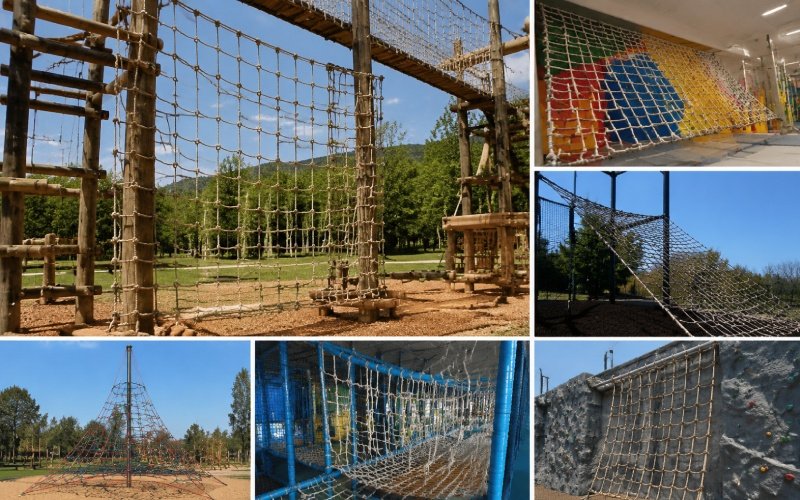
Climbing netting is commonly used in playground structures, obstacle courses, recreation areas, training systems, and custom installations where climbing support and protective layout control are required.
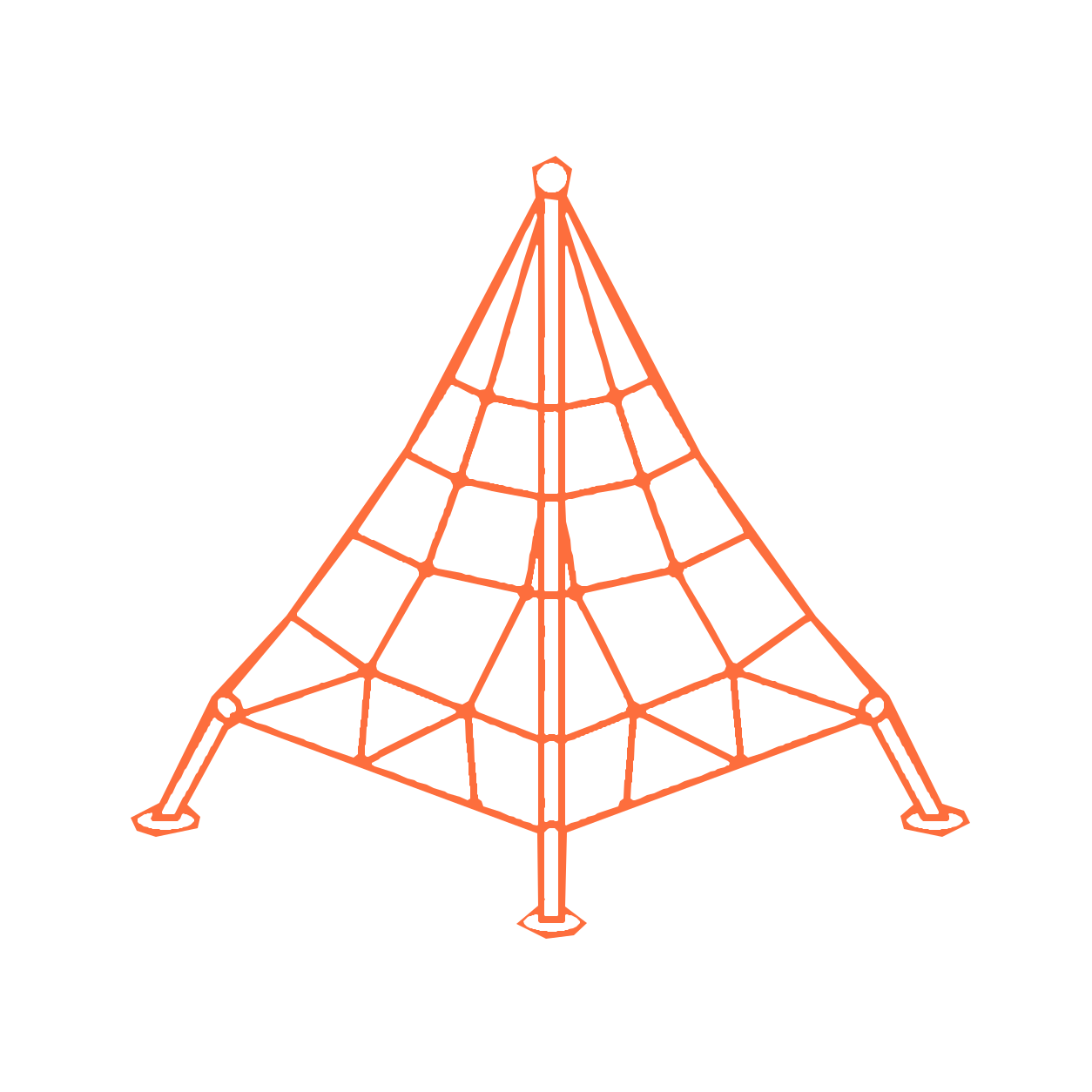
Climbing Structures Nets
Nets used on climbing frames to support play, training, and recreational climbing activities.
Playground Climbing Zones
Installed in playground climbing areas to improve safety, access control, and play structure support.
Training Obstacles Nets
Used in obstacle courses for climbing practice, coordination training, and physical development.
Recreation Installations
Applied in parks, playgrounds, and activity centers for safe recreational climbing setups.
Recommended Product Options
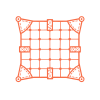
Depending on the structure, climbing netting may be configured as rope-net systems, enclosed climbing nets, or layout-specific climbing support nets designed for recreational or project-based use.
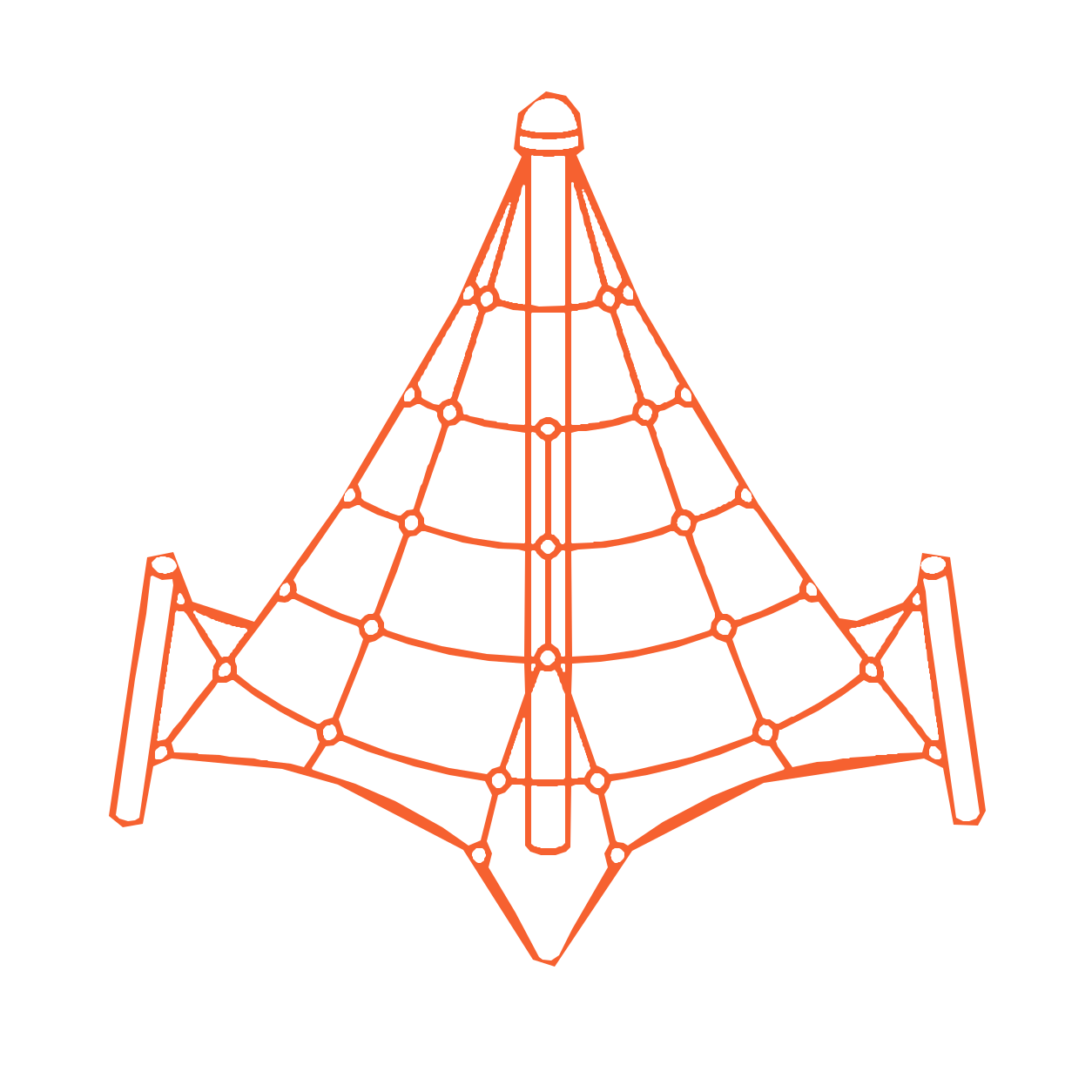
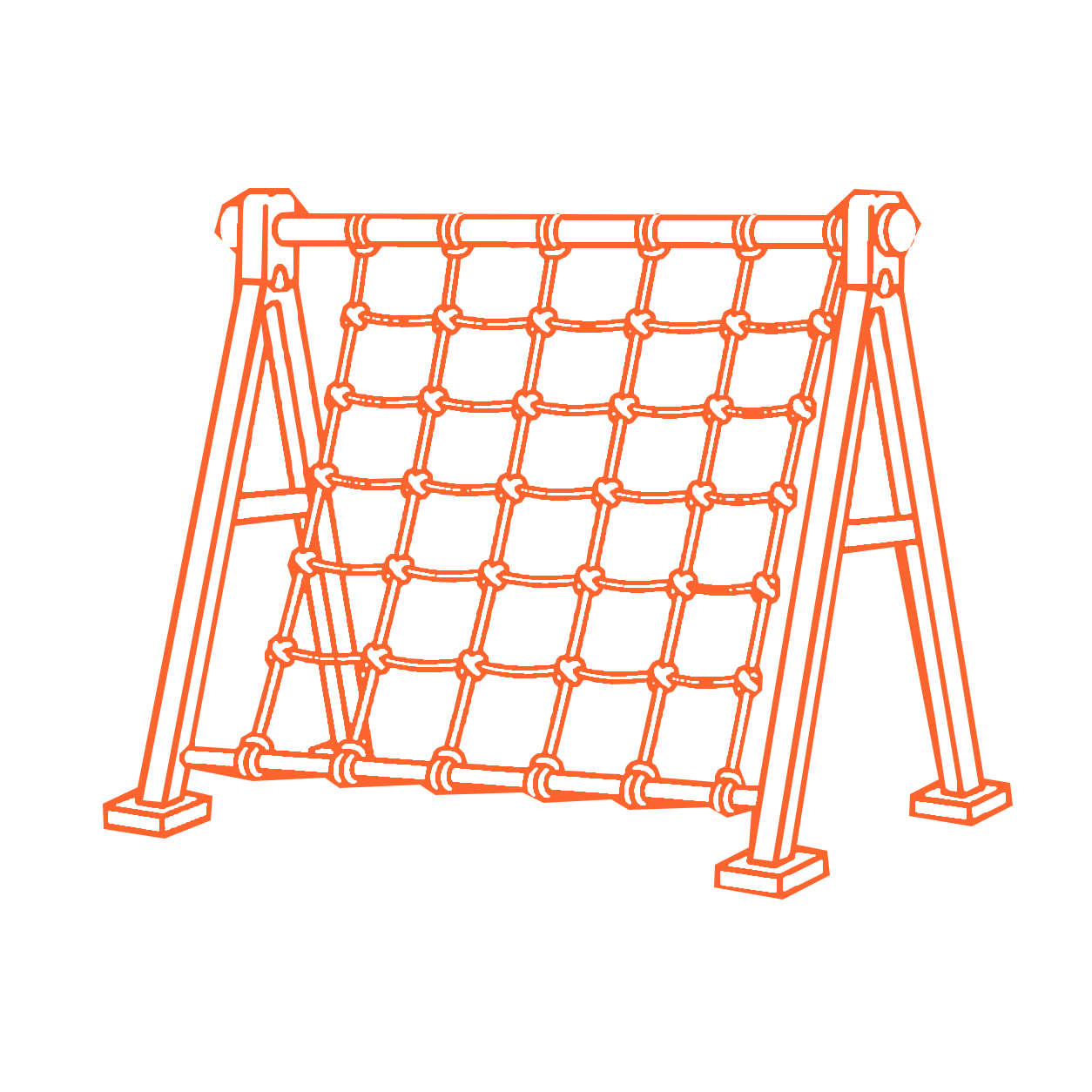
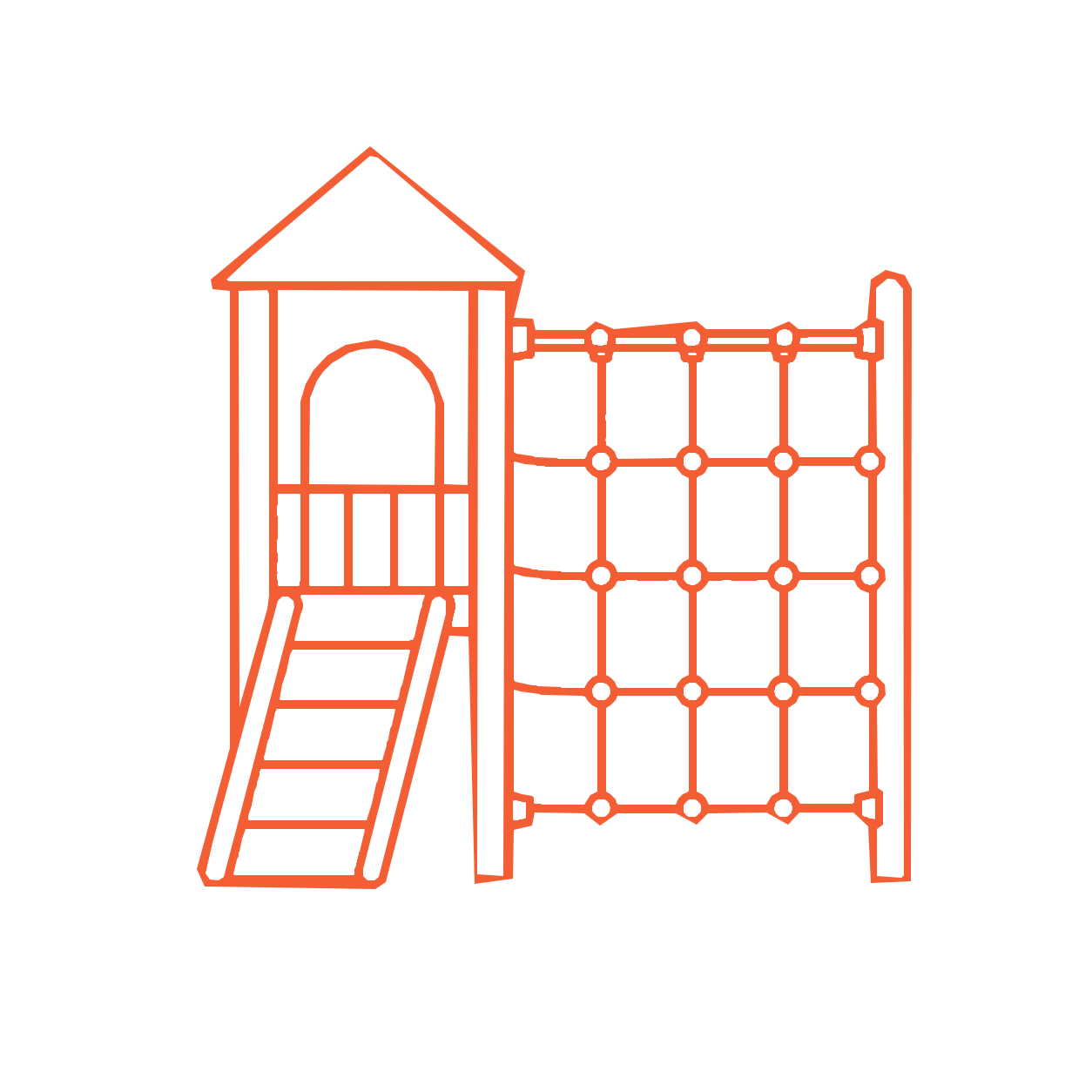
Climbing Structure Nets
Designed for climbing frames, rope courses, and playground structures requiring durable net support.
Buyers usually need to confirm structure size, rope or net configuration, attachment layout, use frequency, and environmental exposure before selecting climbing netting.
Product Type
Panel Size
Rope Thickness
Mesh Layout
Attachment Points
Use Environment
Climbing Structure Nets
Custom panels for playground climbing frames, towers, and obstacle courses
10–20 mm diameter ropes for strength and durability
Grid or diamond pattern mesh for balanced climbing support
Reinforced corner loops, edge ropes, and integrated frame attachment points
Outdoor and indoor playgrounds, recreational parks, and activity zones
Rope-Net Systems
Modular or full-size panels to cover climbing zones or training areas
8–25 mm ropes depending on load and user weight
Knotted or knotless mesh layout for optimal tension and safety
Hooked or tied to support frames, poles, or anchors at multiple points
Indoor gyms, playgrounds, adventure parks, and training facilities
Protective Climbing Enclosures
Panels sized to fully enclose climbing structures or specific play zones
10–22 mm reinforced ropes for impact resistance and safety
Fine mesh layout to prevent falls and contain climbers safely
Anchored at multiple frame points, including top, sides, and corners
Playgrounds, adventure parks, schools, and recreational facilities
Material and Structure Guidance
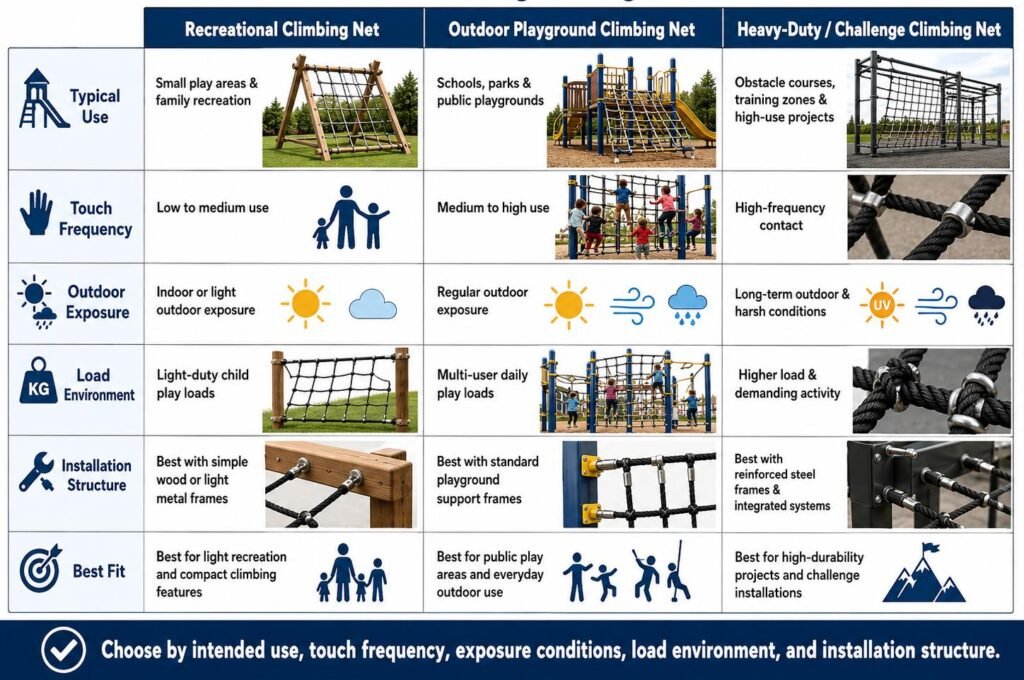
The right climbing netting setup depends on the intended use, structural frame, exposure conditions, and how the climbing system will be integrated into the overall installation.
We support custom sizing, rope or mesh layout, attachment-point design, color preferences, and packaging arrangements based on project and installation requirements.
Custom Dimensions
Mesh Size
Rope Edging
Netting Reinforcement
Accessories
Packaging
Related Product Options
Explore climbing netting and related protective or recreational net solutions used in structured installations.
Find answers to common questions about custom sizing, structure fit, color options, and climbing netting applications.
1. Can climbing netting be customized in structure?
Yes. Climbing nets can be customized in knot type, rope thickness, mesh size, and reinforcement style. B2B buyers should provide the intended climbing surface, weight capacity, and safety requirements to ensure the net meets their structural needs.
2. Can the color of climbing netting be customized?
Yes. Common colors include red, blue, green, yellow, and black. Custom colors can match playground themes, branding, or indoor/outdoor aesthetics. Buyers can request color combinations for multi-level play areas or decorative installations.
3. Can climbing nets be customized by size?
Yes. Net height, width, and total coverage area can be customized. Buyers should measure the installation area, maximum climbing height, and desired width to ensure proper fit and safety.
4. How are climbing nets installed?
Climbing nets are installed using hooks, eye bolts, posts, frames, or tension cables. Proper anchoring at multiple points is crucial for safety and stability. B2B buyers should provide drawings or details of the structure to ensure correct installation points.
5. How do I determine the number and placement of installation points?
Installation points depend on net size, rope thickness, mesh density, expected load, and safety standards. For larger or heavier nets, more anchor points are required to evenly distribute weight and prevent sagging or tearing.
6. Are climbing nets suitable for both indoor and outdoor use?
Yes. Outdoor nets should be UV-stabilized and weather-resistant, while indoor nets focus on abrasion resistance and color aesthetics. Buyers should specify the environment to ensure material durability and safety compliance.
7. Can climbing nets be adapted for different applications?
Yes. Nets can be used for playground climbing structures, gyms, obstacle courses, sports training, or recreational installations. Buyers should indicate the intended use to ensure the mesh, rope strength, and structure are appropriate.
8. What should B2B buyers confirm before bulk ordering climbing nets?
Buyers should confirm structure type, rope thickness, mesh size, height, width, color, installation points, material, indoor/outdoor suitability, packaging, quantity, and delivery schedule. Sample testing or technical drawings are recommended for large-scale or multi-site installations.
Need Custom Climbing Netting for a Structure or Project ?
Send us your layout, dimensions, drawings, or application details for a more targeted recommendation and quotation from China.