Abstract
The fabrication and installation of ultra-large netting systems involve far more than simply scaling up a standard product. Projects of this size bring together challenges in materials science, structural engineering, and logistical coordination. Off-the-shelf netting is fundamentally unsuitable for applications that require coverage across major sports facilities, large agricultural zones, commercial landfills, construction perimeters, or other expansive sites.
This article examines how ultra-large custom net projects are actually executed. It begins with the engineering phase, including site-specific environmental analysis, wind load modeling, and advanced polymer selection. It then moves into manufacturing, where modular fabrication and strict quality control make large-scale production practical and reliable. Finally, it addresses logistics and field installation, where transportation planning, handling, tensioning, and specialized crews all determine whether the system performs safely in real conditions.
Successful execution depends on a complete, engineering-led process. When projects go beyond standard sizes, safety, durability, and long-term performance can only be achieved through custom design, controlled manufacturing, and expert installation.
Key Takeaways
- Start with site-specific engineering, including wind, snow, and UV exposure analysis.
- Select netting materials based on tensile strength, UV resistance, abrasion performance, and expected service life.
- Use modular net fabrication to simplify manufacturing, transport, installation, and future repair.
- Engineer seams, borders, anchors, and support structures as part of one integrated system.
- Apply quality control at every stage, from raw yarn testing to final on-site inspection.
- Treat logistics and installation as engineering operations, not just field labor.
- Use experienced large-scale installation teams to reduce safety risk and improve long-term system reliability.
Understanding the Scale: Why Standard Netting Fails
When most people think about netting, they picture familiar small-scale applications such as a backyard goal, a pond cover, or a basic range barrier. In those situations, dimensions are predictable, loads are limited, and standard materials perform well enough. Ultra-large netting projects operate in a completely different category.
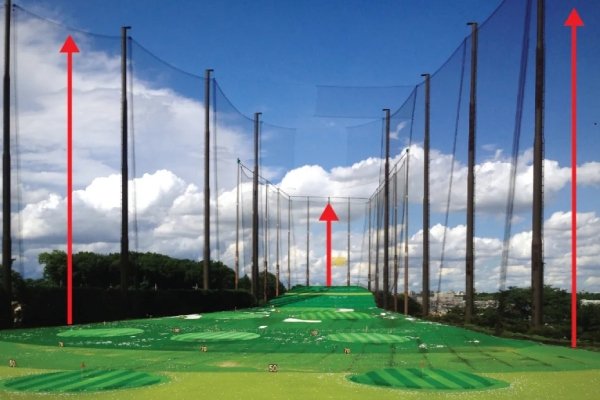
Once coverage moves from a few square meters to hundreds or thousands, the physics change. A large-span net does not simply behave like a bigger version of a small one. It becomes a flexible structural system exposed to wind pressure, snow loading, ice accumulation, long-term UV exposure, and its own self-weight. Standard netting products are not designed for that environment.
Wind is one of the clearest examples. A small net may feel only a distributed push from a breeze. A stadium net, large agricultural protection net, or high-elevation debris containment net can behave more like a sail, collecting force across a broad surface and transferring that load into anchors, cables, poles, and foundations. Those forces do not increase gently. They rise fast with scale.
Self-weight creates another problem. A net that is easy to manage at 10 x 10 meters may become structurally impractical at 100 x 100 meters. Increased weight produces sag, changes load distribution, and raises stress on support systems. That is why ultra-large netting is never just a matter of making the same product bigger. It requires complete system re-engineering.
Off-the-shelf products also fall short in three key ways. First, their materials often lack the high tensile strength, UV stability, and abrasion resistance needed for long-life outdoor use. Second, stitching together multiple standard nets creates weak seams that become likely failure points under load. Third, standard products cannot match real project conditions such as irregular geometry, site-specific anchor layouts, access openings, variable mesh density, or custom border reinforcement.
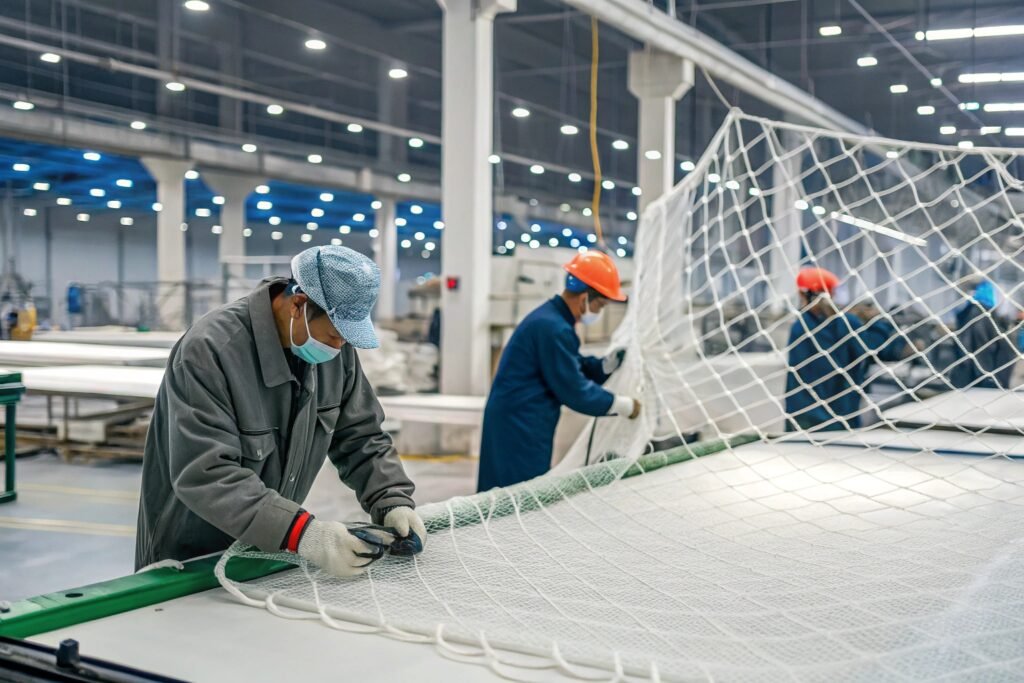
For large-span netting, custom containment netting, stadium netting, landfill netting, and engineered sports barrier netting, a bespoke approach is the only reliable one. Each project must be treated as an individual engineering problem.
Step 1: Foundational Engineering and Material Science
The engineering phase is the most important stage in any ultra-large custom net project. This is where project success is defined, long before production begins. Poor decisions here can lead to premature failure, safety risks, installation delays, and avoidable cost overruns.
Our approach starts with project-specific analysis. Instead of asking which standard net to use, the right question is what the system must actually withstand over its intended service life. That includes environmental loads, structural configuration, material performance, regulatory requirements, and installation constraints.
Site-Specific Environmental and Structural Analysis
No two sites behave the same way. A coastal sports facility, a windy urban construction site, a mountain agricultural installation, and a large commercial landfill all expose netting to different conditions. That is why large-scale netting design must begin with a site-specific review.
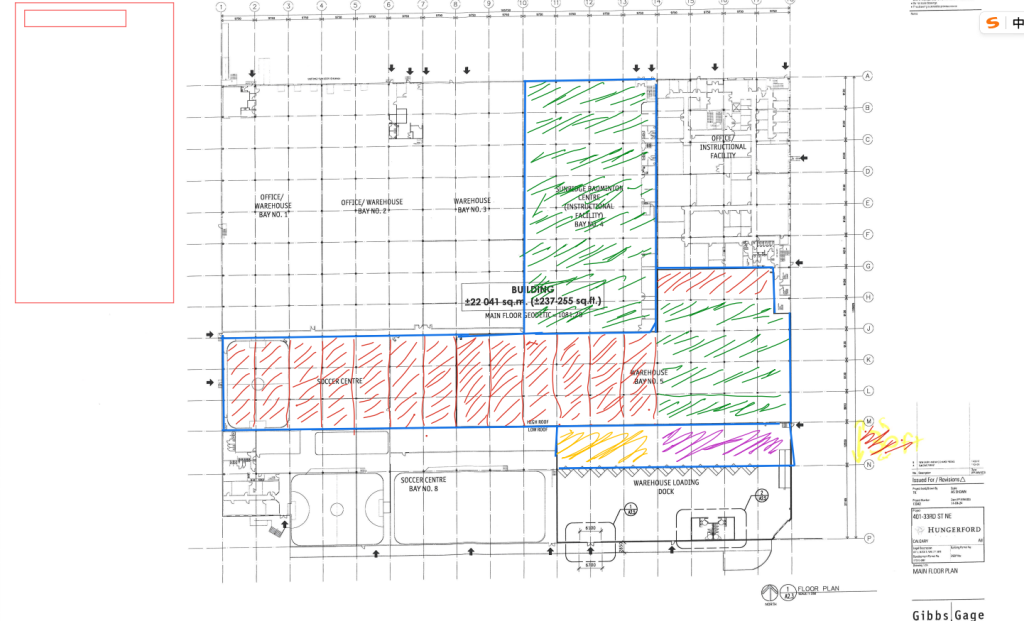
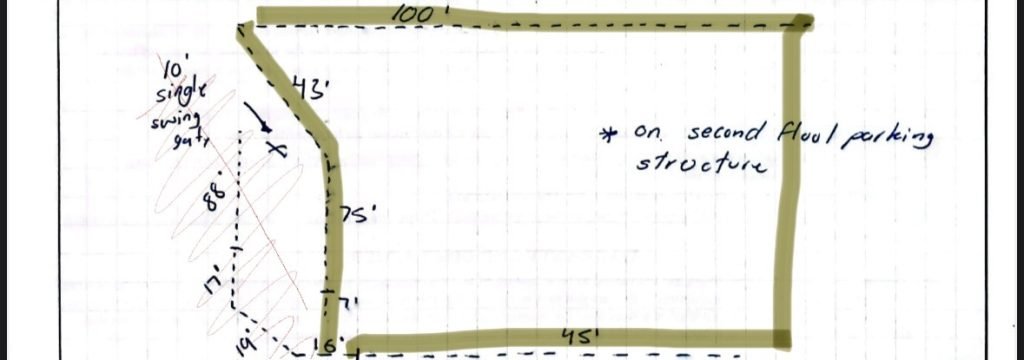
This process typically includes geospatial assessment, environmental exposure analysis, and structural planning. We map the actual site dimensions, account for slopes and ground conditions, identify likely anchor locations, and review surrounding structures that could influence airflow. We also analyze historical weather patterns, including maximum wind speed, dominant wind direction, snow and ice potential, and UV intensity.
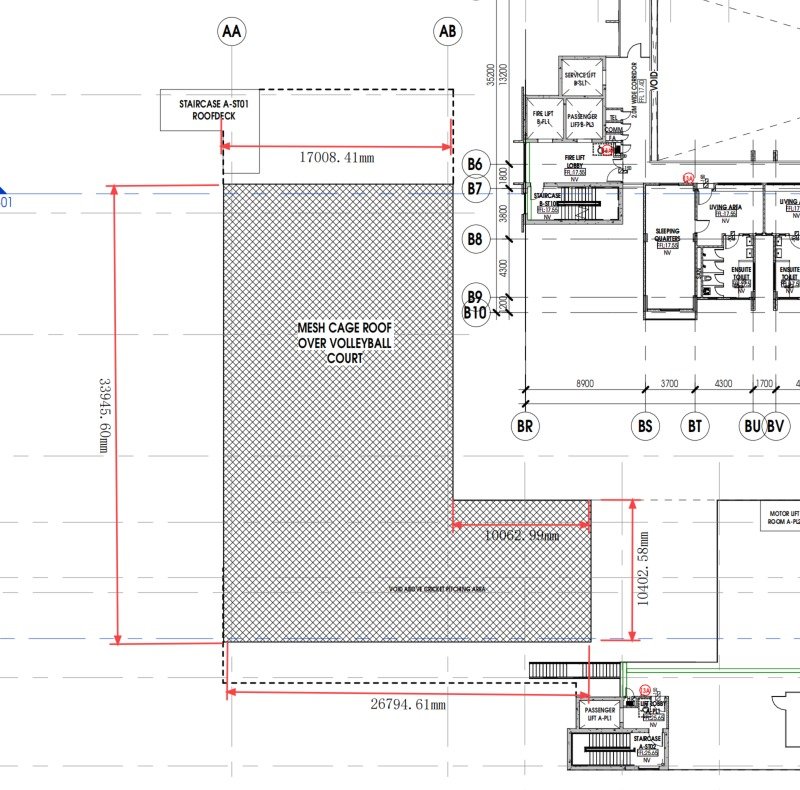
Code compliance matters as well. Depending on the location and application, support structures and safety systems may need to satisfy local construction codes, engineering standards, or project-specific performance requirements. This information must be built into the design from the beginning, not treated as a later adjustment.
The Critical Role of Wind Load Calculation
For flexible structures such as large-span netting, wind load is often the most important engineering variable. Basic rules of thumb are not enough. High-performance projects require a more advanced approach, especially when the net covers a wide area or sits in exposed terrain.
That is why wind load analysis is central to the design process. In many cases, we use computational modeling to understand how airflow interacts with the net, support cables, perimeter frames, poles, and the surrounding environment. This helps identify peak pressure zones, areas vulnerable to flutter or oscillation, and the actual load transferred into anchors and structural supports.
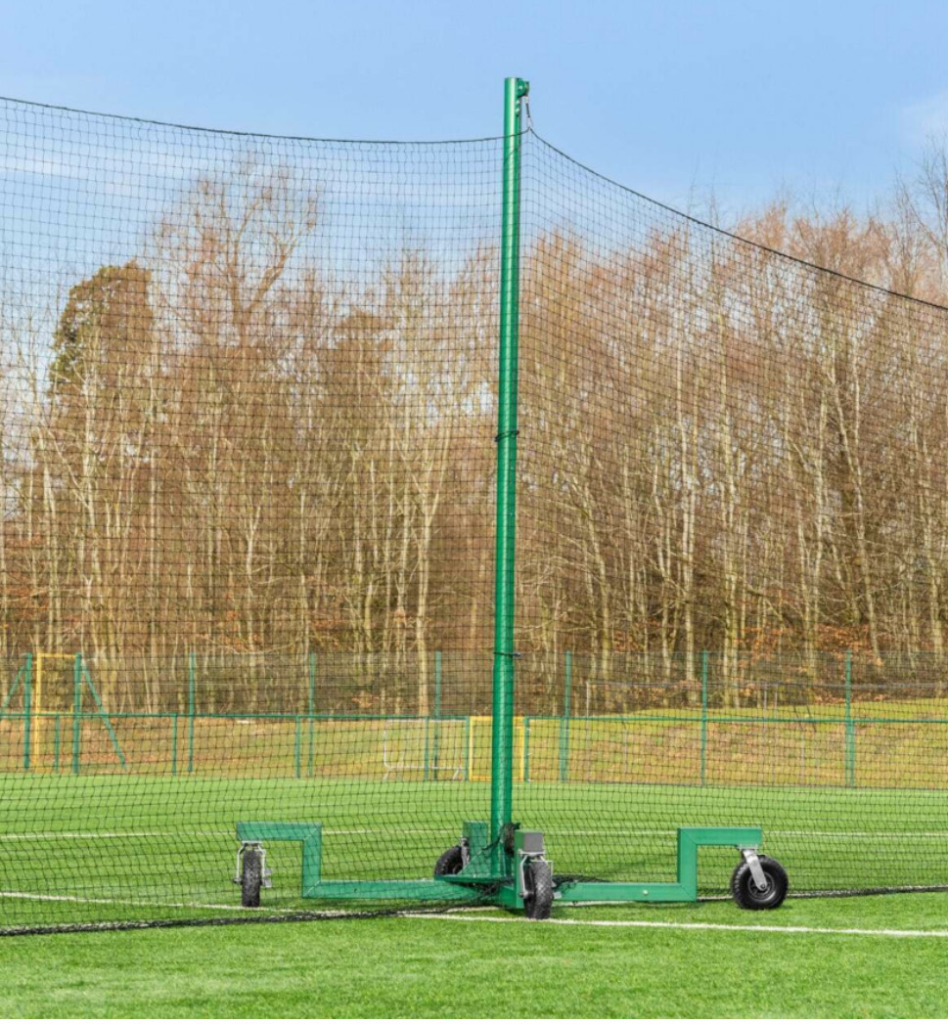
Understanding these dynamics is essential for stadium safety netting, golf range netting, baseball backstop netting, large bird exclusion systems, and construction debris netting. The goal is not only to specify a strong net, but to design an integrated support system that can perform safely under worst-case conditions.
The Science of Advanced Polymer Selection
The netting material is the core of the entire system. Material choice affects tensile performance, UV resistance, abrasion behavior, energy absorption, handling weight, and overall service life. In ultra-large projects, polymer selection is not a routine procurement decision. It is a design decision.
| Material | Tensile Strength | UV Resistance | Abrasion Resistance | Weight | Application Profile |
|---|---|---|---|---|---|
| High-Density Polyethylene (HDPE) | Good | Excellent | Good | Low | Ideal for agriculture, landfill netting, bird control, and long-term outdoor barrier applications |
| Polyester (PET) | Very High | Good | Very Good | Medium | Well suited for low-stretch, high-impact netting such as sports backstops and structural barrier systems |
| Nylon (Polyamide) | Excellent | Moderate | Excellent | Medium | Useful where shock absorption matters, but requires strong UV treatment for outdoor exposure |
| Dyneema® (UHMWPE) | Exceptional | Excellent | Exceptional | Very Low | Premium choice where strength-to-weight ratio is critical and support load reduction is a priority |
For many large outdoor netting systems, UV-stabilized HDPE remains the most practical choice. It offers low weight, strong resistance to sunlight, and reliable long-term performance. When a project requires the highest possible strength-to-weight ratio, UHMWPE materials such as Dyneema® provide major advantages. A lighter net reduces self-weight, which can also reduce demand on support poles, cables, and anchors.
In other words, the material decision affects much more than the net itself. It influences installation complexity, structural requirements, maintenance planning, and overall lifecycle cost.
Step 2: Advanced Manufacturing for Monumental Structures
Once engineering is complete and materials are selected, the project moves into manufacturing. This phase is where theoretical design becomes a physical product, and at ultra-large scale, manufacturing must be approached differently from standard net production.
A net that covers acres cannot be woven, handled, shipped, and installed as a single continuous piece. Practical execution requires modular fabrication, controlled production methods, and high-accuracy panel coordination.
Modular Design and Fabrication
The solution to building very large net systems is modular production. Instead of trying to fabricate one enormous net panel, we manufacture a series of engineered sections designed to connect seamlessly on-site. This is the only practical way to maintain quality, manage transportation, and control installation.
Modular design offers several advantages. It keeps panel sizes within manageable production limits. It makes dimensional inspection easier. It reduces transportation difficulty. It simplifies lifting and positioning on site. It also improves serviceability later, because a damaged panel can be replaced without dismantling the entire structure.
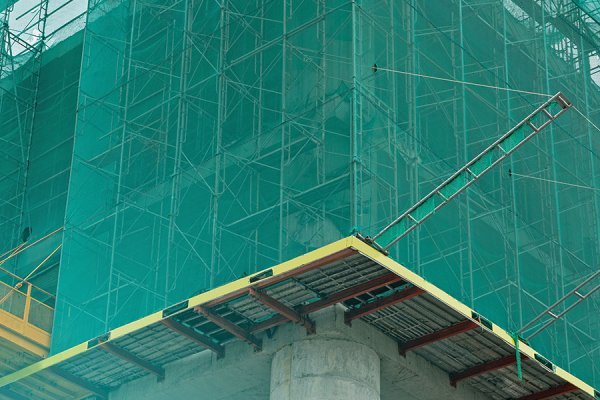
Importantly, modularity does not mean improvisation. Panel dimensions, layout, seam locations, reinforcement details, and border specifications are determined during the design phase so that the completed system behaves as a unified whole.
The Art and Science of Seaming
Seams are one of the most important details in any large-scale netting project. A poorly designed connection can undermine the performance of an otherwise excellent net. That is why seam engineering must match the expected load conditions.
| Seaming Technique | Description | Strength Profile | Best For |
|---|---|---|---|
| Machine Sewing | Multiple rows of stitching with high-strength, UV-resistant thread | Approximately 70-80% of net strength | Lighter-duty systems or overlapping panel applications |
| Hand Lacing | Manual lacing through perimeter meshes using rope or heavy joining line | Approximately 85-95% of net strength | Heavy-duty netting requiring strength with some flexibility |
| Integrated Border | Panels manufactured with reinforced rope borders that are spliced or mechanically joined | Approximately 100% of net strength | Critical load-bearing connections in demanding high-load projects |
For high-wind netting, large-span safety netting, and structural containment systems, simple stitching is often not enough. In those cases, hand-laced seams or integrated border systems are preferred because they deliver much better load continuity and long-term reliability.
Uncompromising Quality Assurance
Quality assurance in ultra-large net fabrication is not something applied at the end. It must run through the entire production process, from raw yarn to final panel identification.
Raw materials should be checked for tensile strength, diameter consistency, and stabilizer content. During production, operators must monitor mesh consistency, dimensional accuracy, knot or knit quality, and edge reinforcement. After manufacturing, finished panels should be laid out and inspected, and sample sections should be tested to confirm they meet design requirements.
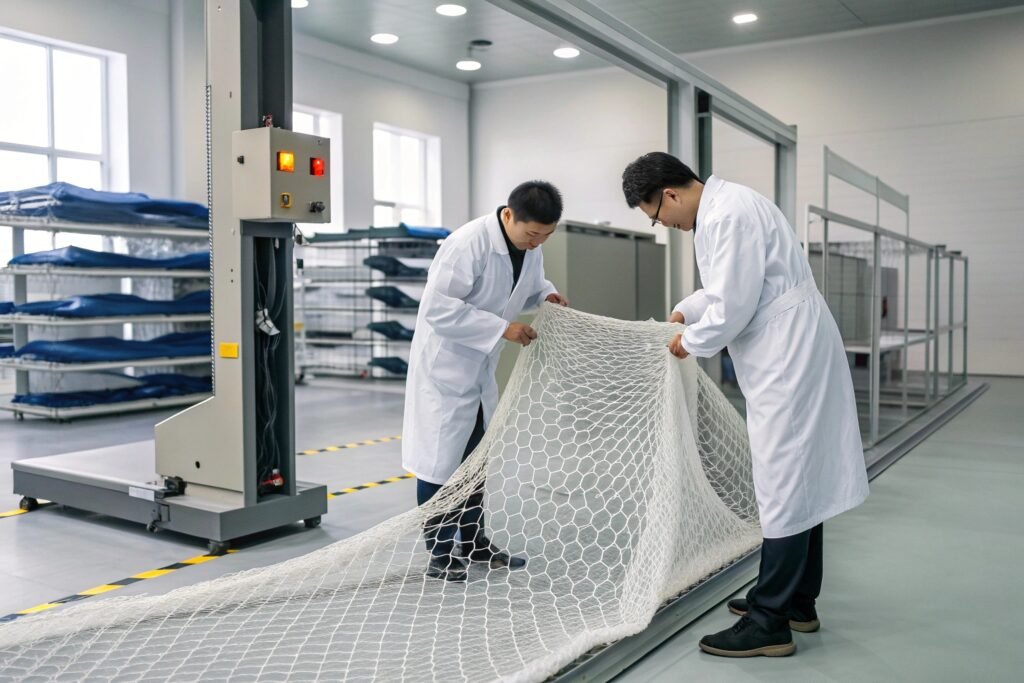
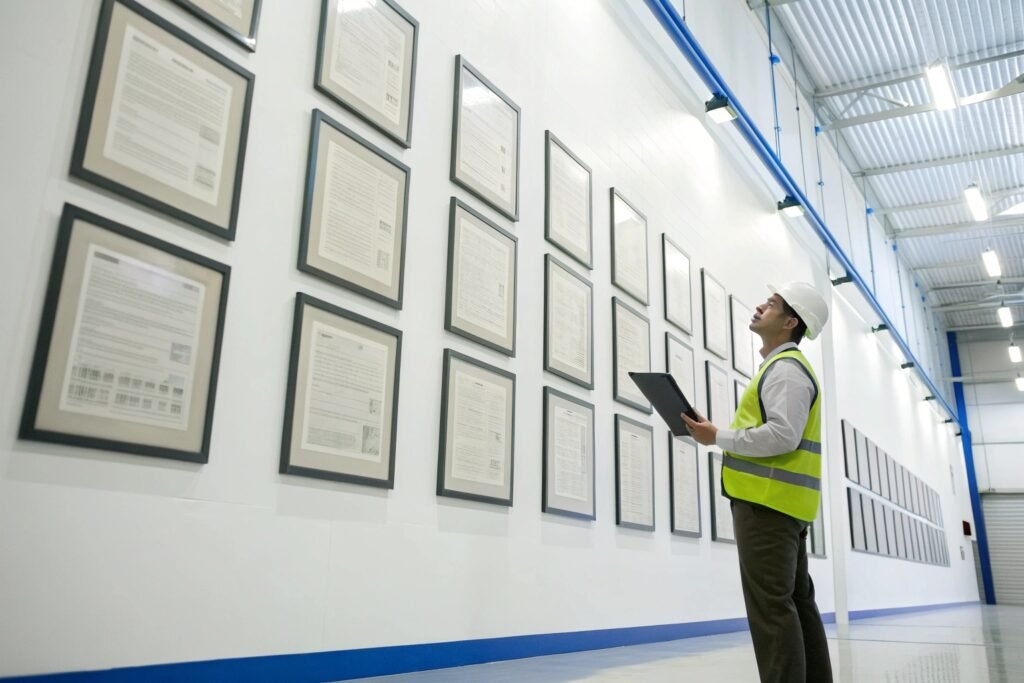
Traceability is equally important. Each panel should carry a unique ID linked to the raw material batch, production date, inspection record, and intended installation position. For large custom net systems, this traceability supports quality control, installation sequencing, future repair, and warranty management.
Step 3: Precision Logistics and Expert Installation
Even the best engineered and manufactured net can fail if logistics and installation are poorly managed. Large netting projects require a coordinated field plan, not just product delivery. At this stage, transportation, staging, lifting, seaming, and final tensioning all affect the outcome.
Large panels must be packed carefully to avoid damage in transit. Each section should be clearly labeled according to its final position in the layout. Delivery timing must match site readiness, with clean staging space, lifting equipment, and installation crews in place before the shipment arrives.
The Installation Process: A Structural Operation
Installation begins with verification of the support structure. Before any netting is lifted, the team should confirm that poles, anchors, cables, and foundations match the approved engineering design. That includes checking dimensions, placements, and connection details.
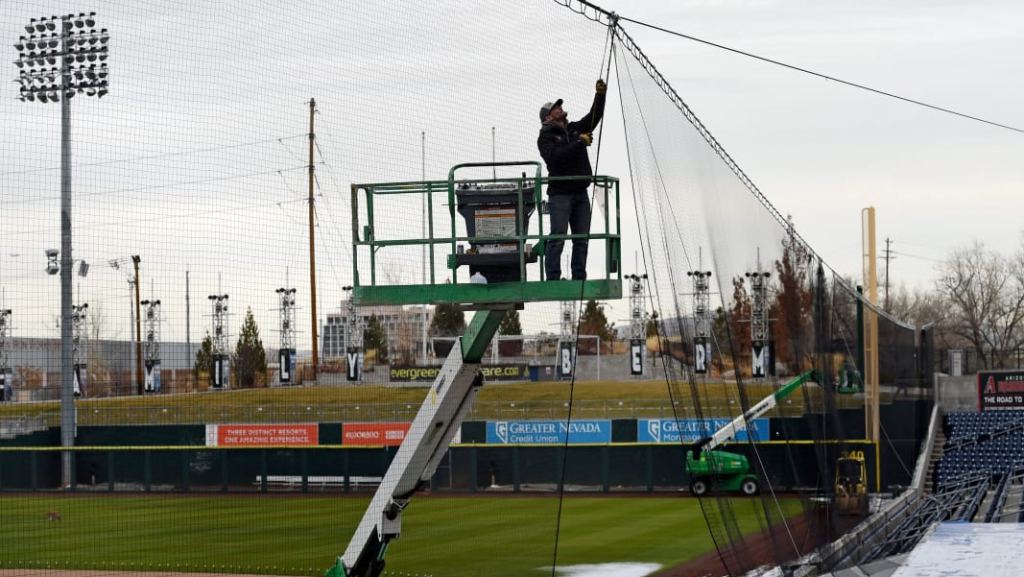
Large panels are then lifted into position using cranes or other heavy equipment. Spreader bars may be used to distribute lifting forces and prevent local damage. Once panels are aligned, on-site joining begins. Depending on the specified system, this may involve hand lacing, splicing, or integrated border connection methods.
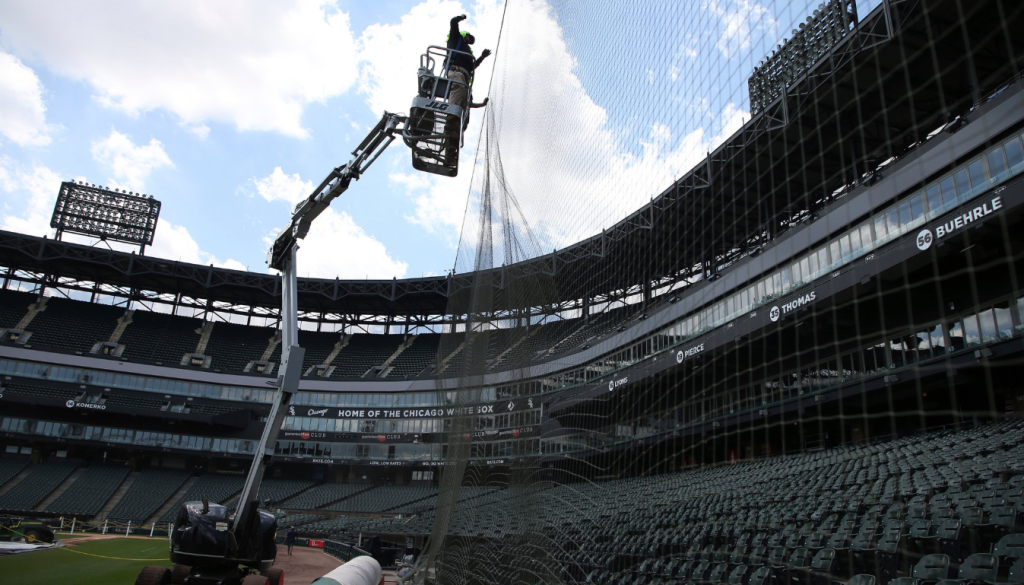
Final tensioning is one of the most critical stages. Tension must be applied in a controlled sequence across the whole structure. Pulling one section too aggressively can overload a local component, distort the net geometry, or create uneven stress distribution. Proper tensioning ensures the installed net matches the intended design profile and performs correctly under service loads.
After installation, the system should undergo a full final inspection covering seams, anchors, cable systems, support interfaces, and overall net geometry.
The Indispensable Value of an Experienced Crew
Large-scale net installation is skilled work. It involves heavy lifting, work at height, wind-sensitive materials, and field adjustments that must be made without compromising safety. Experienced crews do more than complete the installation. They solve on-site problems, maintain quality under real conditions, and reduce risk for the client.
This matters in every sector, whether the project involves construction safety netting, stadium overhead netting, high-perimeter sports netting, bird control netting, or industrial containment systems. Materials and design are essential, but execution determines whether the system performs as intended.
Frequently Asked Questions
What is the largest net project you can handle?
There is no fixed upper size limit from a manufacturing standpoint. Modular fabrication allows ultra-large netting systems to be scaled across very large coverage areas. In practice, project size is usually limited by support structure engineering, site conditions, and budget rather than by net fabrication itself.
How long does a large custom net last?
Service life depends on the material, UV exposure, weather conditions, and application. Premium UV-stabilized HDPE and UHMWPE netting systems can often deliver 15 to 25 years of service when the material and design are matched correctly to the environment.
How do you account for wind, snow, and ice on a massive net?
These loads are addressed through site-specific engineering. Historical environmental data, structural calculations, and wind load modeling are used to define design conditions. The net, anchors, cables, and support structures are then specified to withstand those loads with an appropriate safety margin.
Can a damaged section of a large net be repaired?
Yes. This is one of the major advantages of modular net fabrication. If a panel is damaged, a replacement section can be produced to the original specification and installed without replacing the entire net system.
What information is needed to start a quote?
The best starting point is the basic project geometry, intended application, and site location. Length, width, height, and end use are essential. Drawings, anchor layouts, photos, and site plans all help improve quote accuracy and design efficiency.
Can large netting be made in colors other than black?
Yes. Black is often preferred because it offers the best UV performance, but other colors are possible. The exact lifespan of colored netting depends on the pigment system, stabilization package, and local environmental exposure.
How are the support structures designed?
The netting supplier should provide load data and performance requirements, while the support system itself is typically designed in collaboration with structural engineers. Poles, foundations, cables, and anchors must all be matched to the loads the installed net will generate.
Conclusion
Ultra-large netting systems are not oversized commodity products. They are engineered assemblies that combine advanced materials, site-specific analysis, modular fabrication, structural coordination, and controlled installation. That is what makes them work safely at scale.
Successful projects depend on three things. First, rigorous engineering that defines the environmental loads, material requirements, and structural design. Second, manufacturing discipline that turns those specifications into consistent, traceable, high-performance net panels. Third, expert logistics and installation that bring the design to life correctly in the field.
When a project goes beyond standard sizes, there is no substitute for a complete system approach. That is how large custom netting projects achieve long-term durability, reliable structural performance, and lower lifecycle risk.

Read our most popular articles.
👉 Download our free product categories
👉 A 15-Point Practical Guide: The Complete Checklist for Sports Netting Installation
👉 Guide to Understanding Net Lifespan: When to Repair vs. Replace
👉 Project Spotlight: Securing a Major League Baseball Stadium in 3 Proven Steps
👉 A Practical Buyer’s Guide: The 5 Critical Factors When Ordering Golf Driving Range Nets
👉 A Practical 5-Point Checklist for Choosing Custom Netting Solutions