Selecting and installing golf driving range netting is a major investment that directly affects facility safety, operational stability, and long-term cost control. It is not a purchase that should be made on price alone. A reliable decision requires a clear understanding of material performance, structural design, environmental durability, and site-specific fabrication requirements.
This guide examines five essential considerations when specifying golf driving range netting: material choice, mesh and twine configuration, UV and weather resistance, wind load engineering, and custom fabrication. Together, these factors form the foundation of a netting system that can perform safely and consistently over many years.
Key Takeaways
- HDPE is generally a better choice than nylon for outdoor golf range netting because it resists moisture and UV exposure more effectively.
- Mesh size should be selected based on the zone of impact, with smaller mesh used in closer and higher-impact areas.
- UV protection should be built into the material itself, not applied as a surface coating that can wear off over time.
- Wind load analysis is essential for preventing pole, cable, and foundation failure.
- Golf driving range netting should always be evaluated as part of a complete structural system, not as a standalone product.
- Knotted netting is often preferred for its durability, localized damage control, and easier field repair.
- Custom-fabricated panels help ensure proper fit, cleaner installation, and better long-term performance.
Introduction: Driving Range Netting Is More Than a Simple Barrier
When people think about a golf driving range, they usually focus on the turf, hitting bays, and ball flight. The surrounding netting often feels like background infrastructure. In reality, it is one of the most important safety systems on the property.
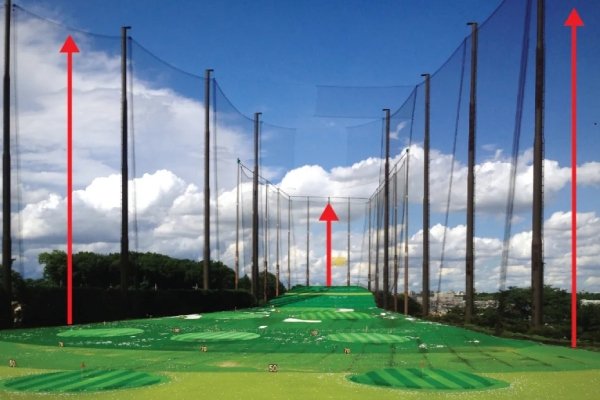
Driving range netting is not just a fence. It is an active containment system designed to stop high-speed golf balls from leaving the facility and creating risk for nearby people, vehicles, buildings, and roadways. If the system fails, the result is not merely an operational issue. It becomes a safety concern and a liability issue for the owner.
That is why the purchasing decision should go far beyond comparing square-foot pricing. A better approach is to view netting as a long-term engineered asset that protects the business, the site, and the public.
The Evolution of Golf Ball Containment
Golf equipment has changed dramatically over time. Older clubs and balls produced shorter distances and lower speeds. Modern clubs and balls have made the game more powerful, and today’s players can generate ball speeds that place far greater demands on perimeter containment systems.
That means a netting system that may have been acceptable decades ago may now be undersized for current conditions. Range owners must plan for not only standard shots, but also hard slices, pull-hooks, topped balls, and other unpredictable impacts that challenge the edges and upper sections of the system.
Safety, Liability, and Total Cost of Ownership
A single escaped golf ball can lead to injury claims, property damage, insurance complications, and reputational harm. For that reason, choosing the cheapest available netting can become the most expensive decision in the long run.
A better netting system often costs more upfront, but it can reduce replacement frequency, improve reliability, lower risk exposure, and provide a longer useful life. For most commercial facilities, that makes quality netting a sound operational investment rather than a simple expense.
Why the Entire System Must Be Evaluated Together
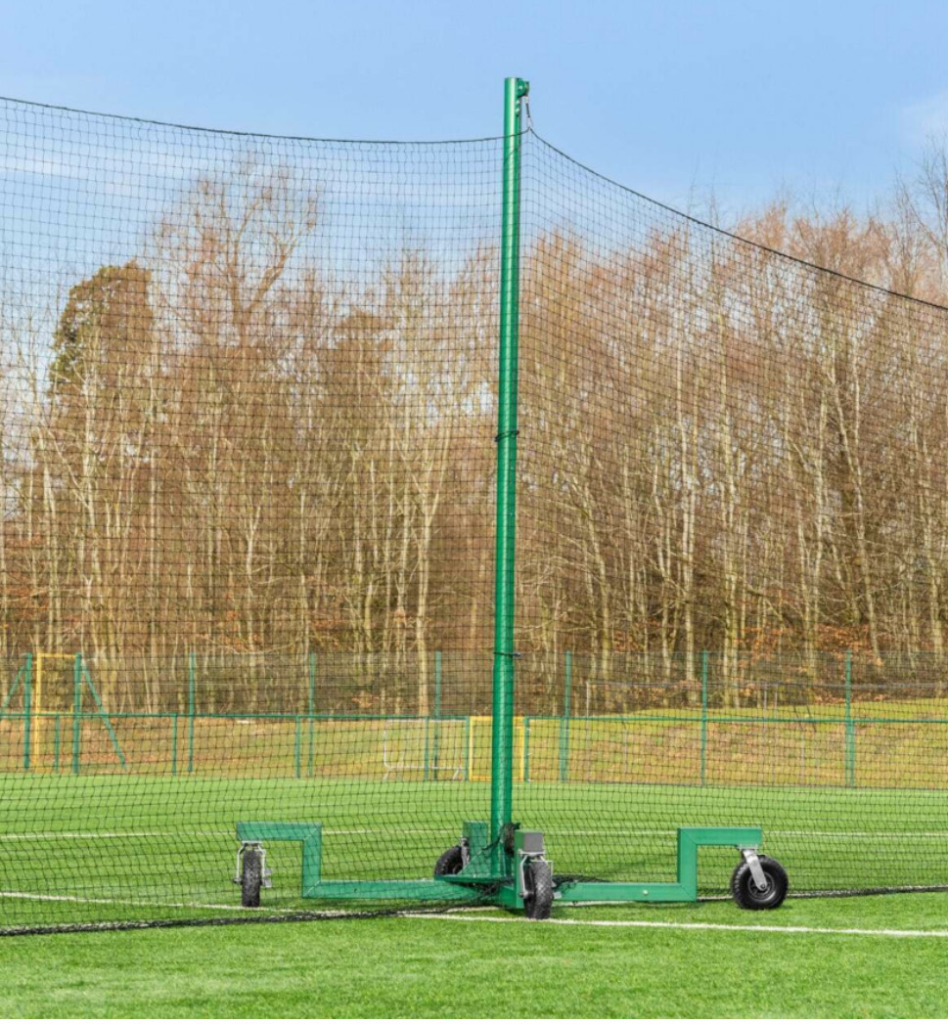
The net itself is only one part of the overall structure. A complete golf range netting system also includes poles, cables, clips, hardware, anchors, and foundations. If any one of those parts is undersized or poorly matched, the performance of the entire installation is compromised.
That is why the best procurement decisions are made from a system perspective. Material, mesh, UV protection, wind engineering, and fabrication details all need to work together.
Factor 1: Material Selection — HDPE vs. Nylon
The first major decision is the netting material. In the golf range market, the two most common options are High-Density Polyethylene (HDPE) and nylon. Both can be made into strong netting, but they do not age the same way outdoors.
How the Materials Behave Differently
Nylon is a polyamide, and one of its key characteristics is that it absorbs moisture. In outdoor use, that means it can take in water, gain weight, and lose part of its tensile strength when exposed to rain or humidity.
HDPE behaves differently. It is highly resistant to water absorption, which means it does not significantly change weight or strength when wet. In a permanently exposed outdoor application, that difference has real consequences for durability and stability.
Why Nylon Can Be More Vulnerable Outdoors
Because nylon absorbs moisture, it is more vulnerable to long-term environmental degradation. Repeated wet-dry cycles can gradually weaken the material over time. Nylon is also more sensitive to ultraviolet exposure than HDPE, which means prolonged sunlight can accelerate deterioration.
In practical terms, nylon can perform well initially, but its long-term outdoor stability is often less predictable in demanding weather conditions.
Why HDPE Is Often the Better Choice
HDPE is generally better suited for golf driving range netting because it resists both water absorption and UV damage more effectively. It maintains more stable performance in wet weather, does not become noticeably heavier after rain, and can retain its structural properties longer when properly formulated for outdoor use.
For facilities looking for a strong balance of longevity, weather resistance, and cost-effectiveness, HDPE is often the most practical material choice.
HDPE vs. Nylon Comparison
| Feature | HDPE | Nylon | Why It Matters |
|---|---|---|---|
| Water absorption | Very low | High | HDPE stays more stable in rain and humidity |
| Wet-condition strength retention | Strong | Lower | More reliable all-weather performance |
| UV resistance | Better | More vulnerable | Important for long-term outdoor use |
| Chemical resistance | Excellent | Moderate | Better resistance to pollutants, salt, and bird droppings |
| Expected service life | Longer | Shorter | Lower lifecycle replacement frequency |
Factor 2: Net Design — Mesh Size, Twine Diameter, and Construction
Once the material is selected, the next step is to define how the net is built. Mesh size, twine thickness, and construction method directly affect containment reliability, wear resistance, and maintenance needs.
Mesh Size and Ball Containment
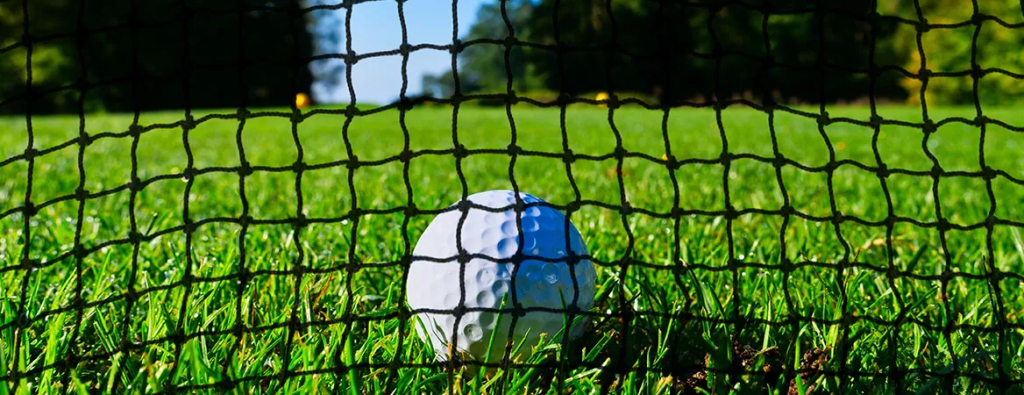
Mesh size should be chosen based on the size of the golf ball, the intensity of impact, and the specific application zone. If the mesh is too large, there is a greater risk of inadequate containment under certain impact angles or unusual ball movement.
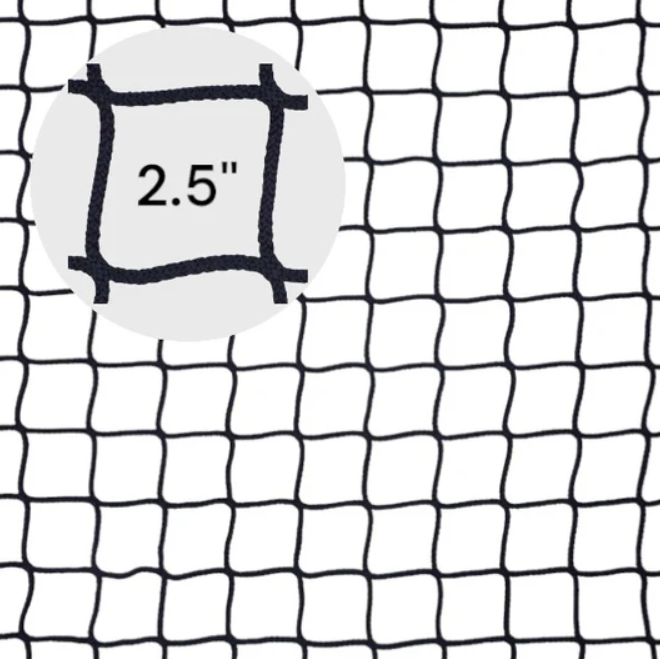
Smaller mesh also helps distribute impact energy across more strands, which reduces localized stress and can extend net life. For many golf driving range perimeter systems, 3/4-inch to 7/8-inch mesh is a common standard. In higher-impact areas, such as front baffle zones or close-range practice enclosures, 1/2-inch mesh may be the better option.
Twine Diameter and Durability
Twine diameter is closely tied to break strength and long-term durability. Thicker twine generally provides greater resistance to repeated impact and wear, but buyers should avoid focusing only on new-product strength numbers.
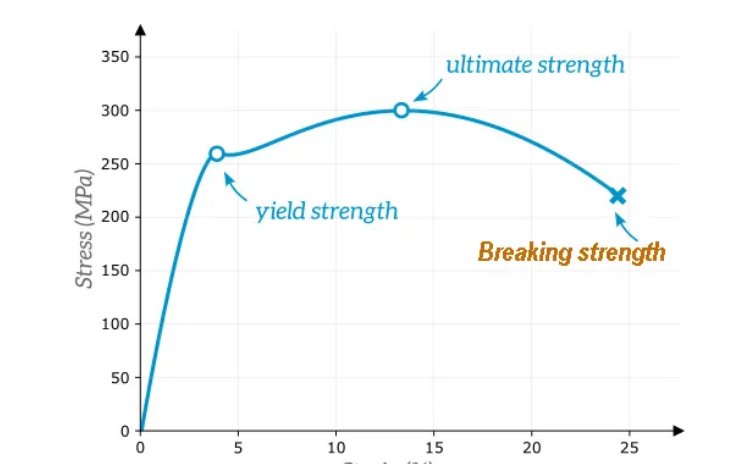
The better question is how well the netting retains strength after years of exposure to sunlight, rain, and daily use. For perimeter applications, robust HDPE twine specifications are often preferred, while high-impact zones may require heavier-duty configurations.
Knotted vs. Knotless Construction
Golf range netting is usually available in either knotted or knotless construction.
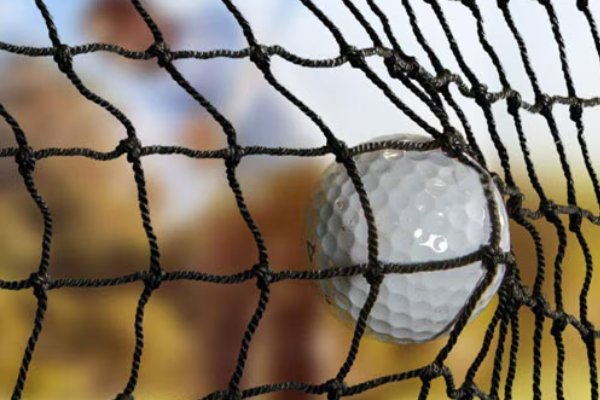
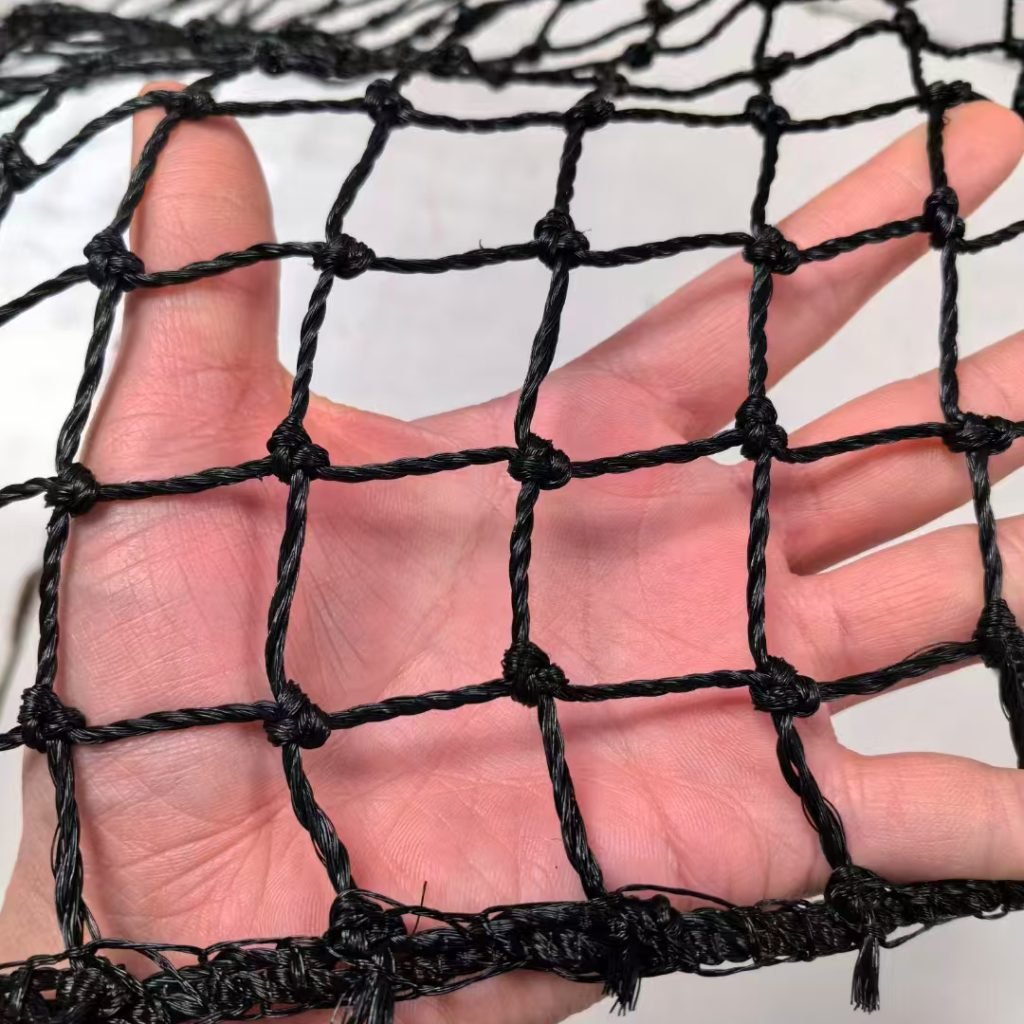
Knotted netting is often preferred for commercial range applications because it tends to localize damage better. If a strand breaks, the surrounding knots help stop the failure from spreading too far. It is also generally easier to repair in the field.
Knotless netting offers a smoother appearance and lighter overall feel, but damage can sometimes spread more easily, depending on the product design and installation conditions.
For most driving range installations, knotted netting is the safer long-term choice when durability and maintenance practicality are top priorities.
Recommended Netting Specifications by Application Area
| Application Area | Recommended Mesh Size | Recommended HDPE Strength Level | Purpose |
|---|---|---|---|
| Main perimeter netting | 3/4” to 7/8” | Medium to heavy duty | General golf ball containment with balanced durability |
| High-impact baffle nets | 1/2” to 3/4” | Heavy duty | Absorbs repeated direct impacts in high-wear zones |
| Close-range practice cages | 1/2” to 5/8” | Medium to heavy duty | Improves containment and impact control in tight spaces |
| Top or ceiling nets | 7/8” to 1” | Light to medium duty | Contains high shots while reducing excess weight |
Factor 3: UV Protection and Weather Resistance
Outdoor golf range netting is in constant contact with the elements. Sunlight, rain, humidity, wind, pollution, and in some locations salt exposure all contribute to material aging. Of all these factors, ultraviolet radiation is usually the biggest long-term threat.
Why UV Resistance Matters So Much
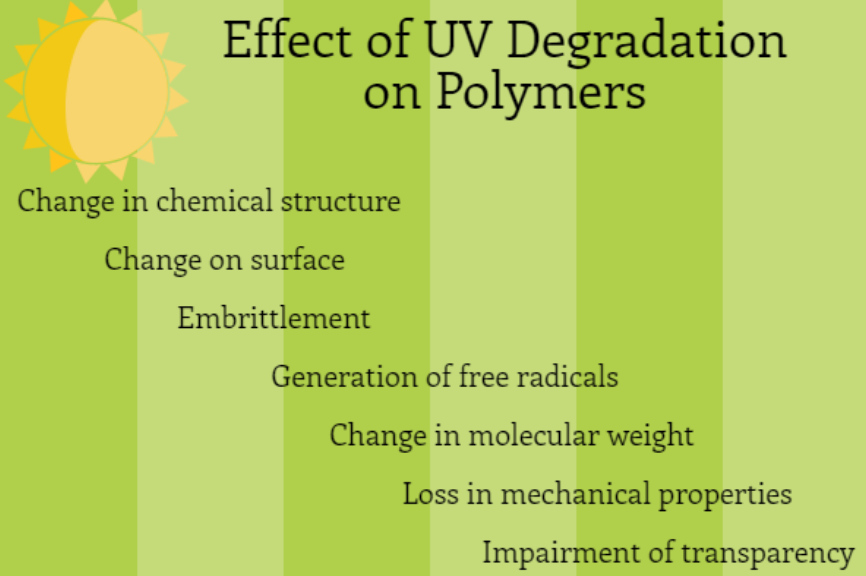
UV radiation gradually breaks down polymer chains inside the netting material. Over time, that leads to loss of flexibility, reduced tensile strength, and increased brittleness. A net may still look acceptable from a distance while already being significantly weakened.
This is why UV resistance should never be treated as a minor product feature. It is one of the main factors that determines actual service life.
Built-In UV Protection vs. Surface Treatment
Some netting products rely on surface-applied UV coatings. Those coatings may help initially, but they can wear off over time through sun exposure, wind, rain, and abrasion.
Higher-quality golf netting uses UV stabilizers that are integrated into the material during manufacturing. That means the protection exists throughout the fiber, not just on the surface. For long-term outdoor performance, this built-in approach is much more dependable.
Why Black HDPE Is Commonly Preferred
Black HDPE netting is widely used because carbon black is one of the most effective UV stabilizers available for polyethylene. It helps protect the polymer structure from sunlight-related degradation and gives black netting a strong track record in demanding outdoor applications.
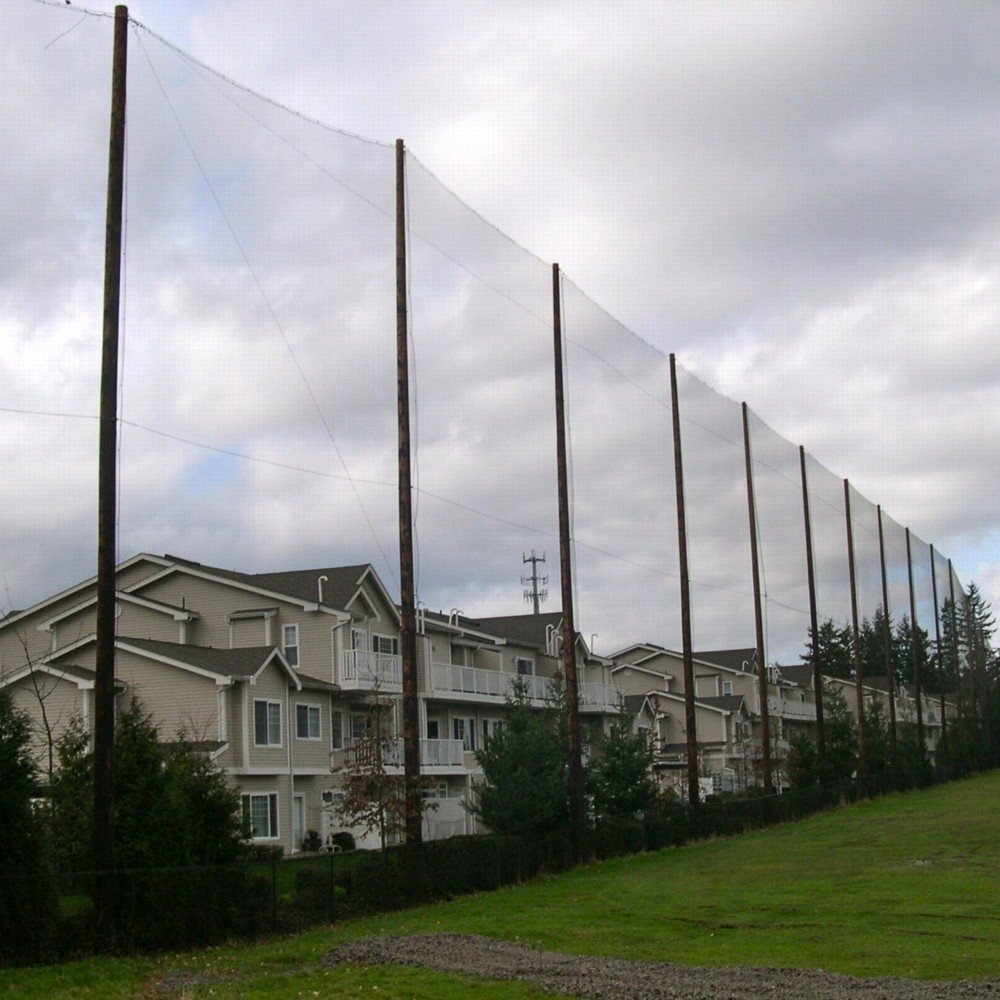
Black netting also tends to offer good visual transparency, which can be an added benefit for many golf range installations.
Other Weather and Environmental Factors
In addition to sunlight, netting may also be exposed to salt spray, air pollution, temperature fluctuations, and chemical contaminants. A material with strong chemical resistance and low moisture absorption is better equipped to handle a wider range of outdoor environments.
This is another reason HDPE is often favored for golf driving range netting installations.
Factor 4: Structural Engineering — Wind Load, Poles, and Installation Integrity
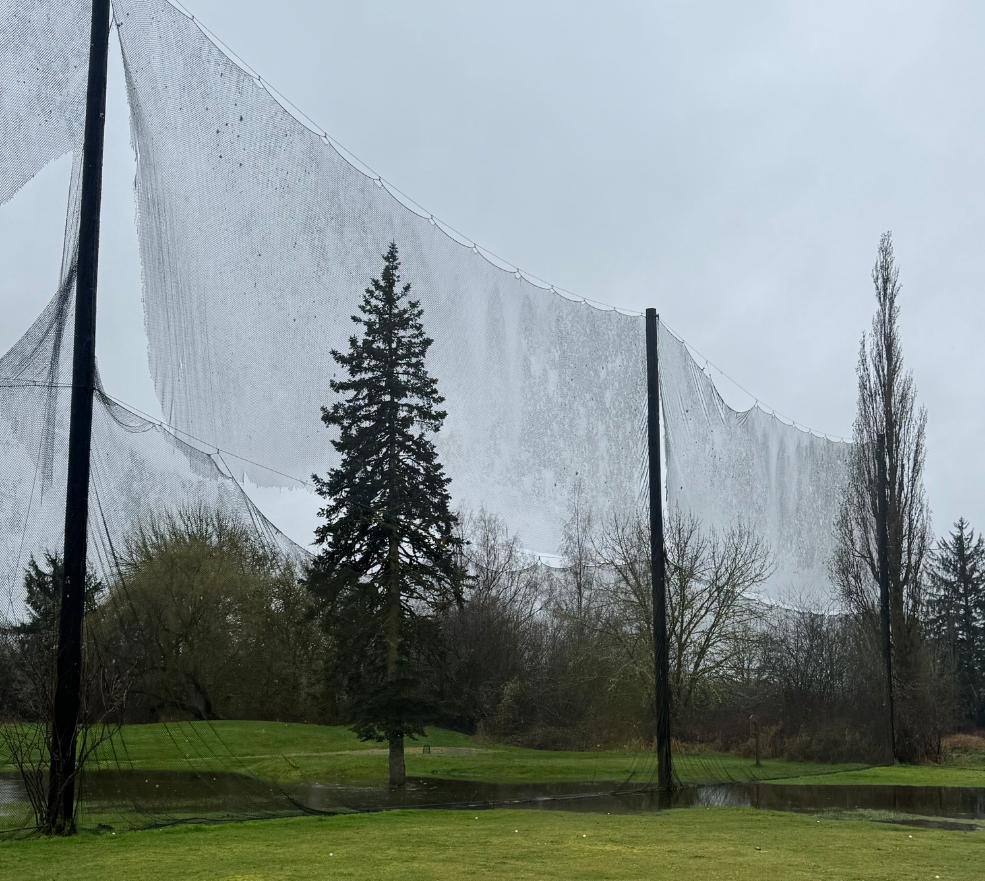
The biggest force acting on a golf driving range netting system is usually not the golf ball. It is the wind. Large perimeter nets behave like giant sails, and poor wind-load planning is one of the most common reasons systems fail.
Wind Load Is a Critical Design Factor
Wind pressure increases rapidly as wind speed rises, which means even moderate increases in design wind speed can create much larger structural loads. A netting system must be designed with the local environment in mind, including exposure category, elevation, topography, and net porosity.
This is not an area for rough estimates. Proper wind load analysis is a critical part of safe system design.
The Netting System Is Only as Strong as Its Weakest Link
Wind forces move through the entire structure. The net transfers load to the cables and hardware, which transfer it to the poles and foundations. If any component is underrated or incorrectly installed, that part can fail first and compromise the rest of the system.
That is why it is not enough to buy strong netting. The poles, cables, connection hardware, and concrete foundations must all be matched to the expected load conditions.
Why Professional Engineering Matters
Golf range netting should be treated as a structural installation, not just a product order. A professionally engineered system can help ensure the design is both safe and cost-effective for the specific site conditions.
Without that level of planning, a system may be overbuilt and unnecessarily expensive, or underbuilt and unsafe.
Retraction Systems for Severe Weather Areas
For facilities in hurricane-prone or typhoon-prone regions, retractable or lowerable netting systems may be worth considering. These systems allow the netting to be lowered before major storms, reducing wind pressure on the structure and helping protect the installation from catastrophic damage.
Factor 5: Custom Fabrication and Finishing Details
Even the best materials and engineering can underperform if the fabricated net panels do not fit the structure correctly. Golf ranges vary in layout, elevation, span length, and support geometry, which is why custom fabrication often delivers far better results than off-the-shelf panels.
Why Standard Panels Often Create Problems
Pre-made panels are rarely a perfect match for a real site. When the fit is not right, the result can be excessive sagging, awkward overlaps, poor load distribution, and an unprofessional appearance. More importantly, poor fit can reduce the effective performance of the containment system.
Custom-fabricated panels allow the netting to follow the structure properly and produce a cleaner, tighter, and more dependable installation.
Rope Borders and Edge Reinforcement
A professionally finished net panel should include reinforced rope borders around the perimeter. These borders help distribute load more evenly, improve panel stability, and provide stronger attachment points for installation.
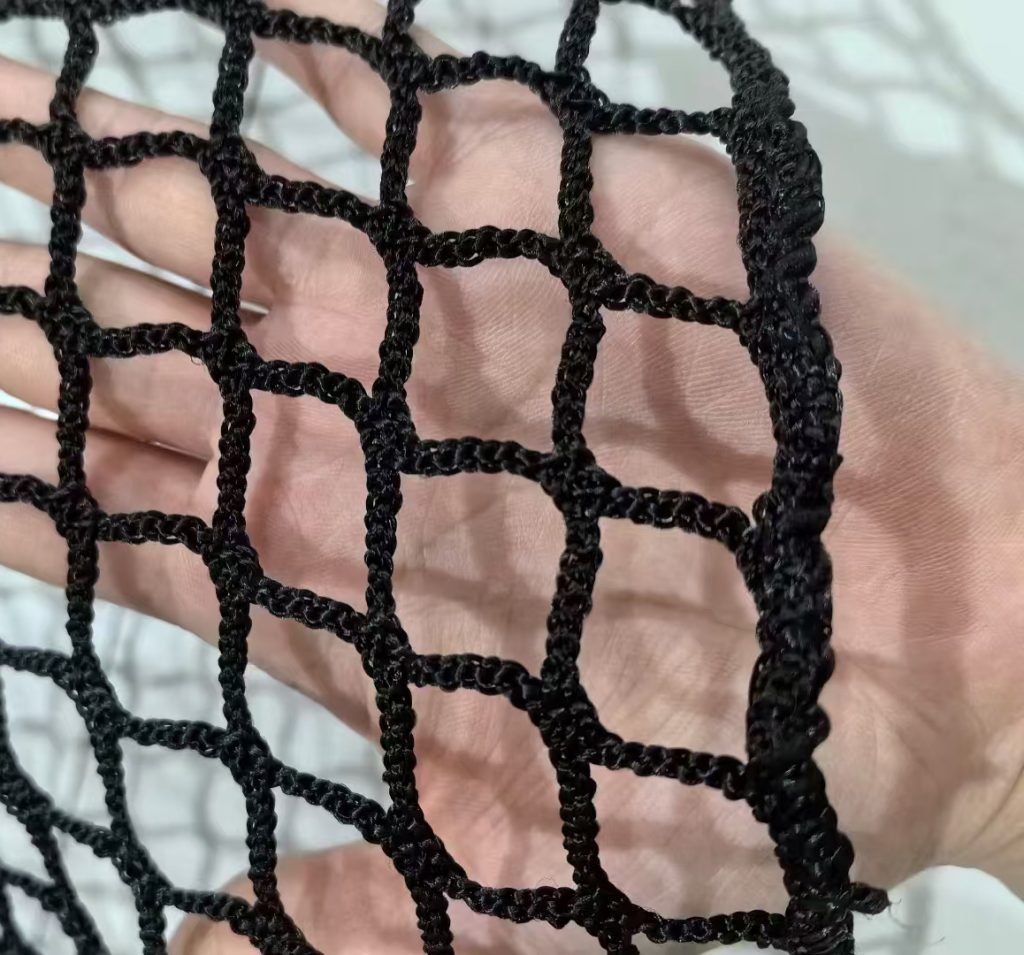
If very large sections need to be joined, the seams should also be properly reinforced. Weak seams can become weak points in service, especially under repeated wind movement and ball impact.
Integrated Features for Better Performance
Custom fabrication also allows the system to include specialized features such as baffle nets, sacrificial impact panels, and different net specifications at different heights. This gives the facility more flexibility to improve wear resistance where it matters most without overbuilding every part of the installation.
Working with the Right Manufacturer
The best netting projects usually involve close cooperation between the buyer, the installer, the engineer, and the manufacturer. An experienced manufacturer should be able to review site drawings, recommend suitable materials, advise on finishing methods, and help identify problems before production starts.
That kind of support often leads to a better fit, better performance, and fewer problems after installation.
Frequently Asked Questions
How long should high-quality golf driving range netting last?
A high-quality HDPE golf range netting system can often last 10 to 15 years when it is properly specified, professionally installed, and maintained over time. Actual service life depends on UV exposure, wind conditions, impact intensity, and local environment.
What is the most common cause of failure?
One of the most common long-term causes of failure is UV degradation. Structural underdesign for wind load is another major cause. Weak hardware connections and poorly matched support systems can also lead to premature failure.
Can golf range netting be repaired?
Yes. Small damaged areas can often be patched, while larger tears may require replacement sections or reinforced repair work. Knotted netting is generally easier to repair because damage is less likely to spread.
Is black netting better than green or white?
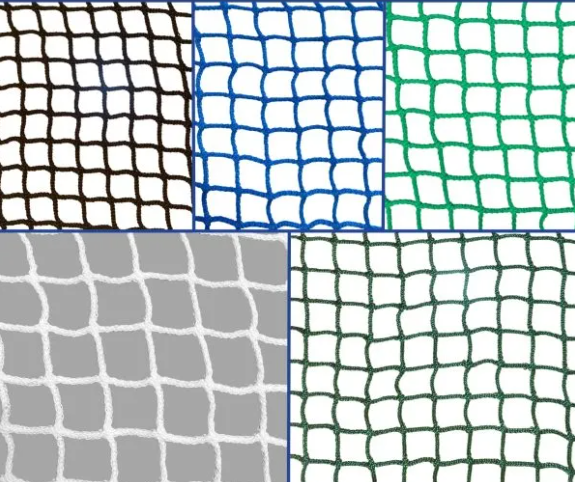
For HDPE netting, black is often considered the best long-term option because carbon black provides highly effective UV protection. It also offers a clean appearance and often better transparency from a distance.
Does net height significantly affect cost?
Yes. Taller netting systems require stronger poles, larger foundations, heavier hardware, and more demanding installation equipment. Height has a major impact on both engineering complexity and project cost.
What maintenance does a golf driving range netting system require?
Routine inspection is essential. The facility should regularly check the netting for tears, the hardware for wear or corrosion, the cables for proper tension, and the poles and foundations for any sign of movement or instability.
Why is professional installation important?
Professional installation helps ensure that the system is tensioned correctly, attached properly, and handled safely during setup. Incorrect tensioning and poor installation practices can shorten net life and create unnecessary structural stress.
Conclusion
Ordering golf driving range netting is not just a product decision. It is a safety, engineering, and risk-management decision that affects the long-term reliability of the entire facility.
The five most important factors—material selection, mesh and twine design, UV and weather resistance, wind load engineering, and custom fabrication—should always be evaluated together. A weakness in any one of these areas can undermine the performance of the whole system.
For most outdoor golf range applications, HDPE remains one of the most practical and dependable material choices. Combined with the right mesh configuration, integrated UV protection, proper structural design, and custom fabrication, it can provide a safer, longer-lasting, and more cost-effective solution for commercial range owners.

Read our most popular articles.
👉 Download our free product categories
👉 5 Reasons Why Durable, Long-Lasting Products are the New Definition of “Cost-Effective”
👉 A 5-Point Expert Checklist: Knotted vs. Knotless Netting: Which is Right for Your Application?
👉 UV Stabilizers in Sports Netting: A Comprehensive Guide to Longevity
👉 How can I import quality-certified custom Sports Netting from China
👉 A 5-Step Expert Guide: “Made to Order”: A Look at Our Custom Netting Process
👉 A 5-Point Actionable Guide to Understanding Net Lifespan: When to Repair vs. Replace