

Rising safety expectations across sports venues, industrial facilities, and public environments are reshaping how protective netting systems are designed, tested, and specified. What was once treated as a simple barrier is now engineered as a critical safety system.
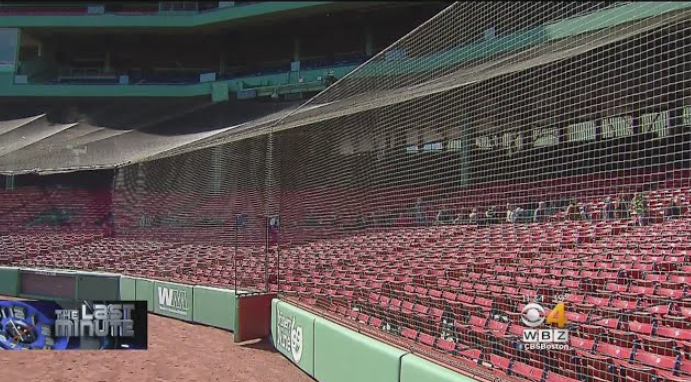
This article examines how stricter safety requirements are driving innovation in protective netting materials, netting system design, impact testing, and application-specific engineering. Advanced fibers such as Ultra-High-Molecular-Weight Polyethylene (UHMPE) and aramid materials are moving the industry beyond traditional nylon and polyester, delivering better strength-to-weight ratios, longer service life, and clearer sightlines.
At the same time, knotless netting construction has become a major structural improvement, eliminating weak points found in knotted nets while improving visibility for spectators and facility users. Dynamic impact testing has also become increasingly important, allowing manufacturers and buyers to evaluate real-world performance rather than relying only on static load data.
Together, these developments are redefining what modern safety netting can do in sports, construction, and industrial applications. The result is a shift from passive protection to engineered risk mitigation.
Key Takeaways
- Use advanced materials such as UHMPE for higher strength, lower weight, and better long-term durability.
- Choose knotless netting to eliminate structural weak points and improve visibility.
- Prioritize netting tested under dynamic, real-world impact conditions instead of relying only on static ratings.
- Consider smart netting systems for real-time monitoring and predictive maintenance.
- Match mesh size, twine diameter, and material to the actual hazard and application.
- Work with manufacturers that can provide engineered, application-specific netting solutions.
- Include UV, abrasion-resistant, or fire-retardant coatings when the environment requires them.
The Unseen Guardian: Why Netting Safety is Paramount
The sense of security people feel behind protective netting at a ballpark, training center, or industrial site is not accidental. It is the result of decades of lessons learned, evolving standards, and continuous engineering improvement.
For many years, netting was treated as a minimal protective measure. In sports venues, coverage was often limited to only the most obvious risk zones. In other settings, netting was frequently selected based on cost and availability rather than application-specific performance. That approach has changed.

High-profile injuries, greater public awareness, and stronger legal expectations have pushed owners, operators, and specifiers to treat protective barrier netting as an essential part of risk control. The question is no longer whether protection is necessary. The question is how to deliver protection that is stronger, more durable, less visually intrusive, and better aligned with the actual hazard.
This shift has accelerated innovation in sports netting, industrial netting, and safety containment systems. Today, manufacturers must balance multiple requirements at once: safety, visibility, durability, ease of installation, environmental resistance, and lifecycle cost.
That challenge is what has driven the modern evolution of netting technology.
1. Advanced Materials Science: Beyond Nylon and Polyester
For decades, nylon and polyester were the standard materials used in protective netting. They were widely available, reasonably strong, and cost-effective for many general-purpose applications. However, as performance expectations increased, their limitations became more difficult to ignore.
Traditional materials can be relatively heavy, vulnerable to UV degradation, and susceptible to moisture-related performance loss. Nylon, in particular, absorbs water, which can affect both strength and dimensional stability. In applications that demand long-term outdoor durability, clearer sightlines, or higher strength with less weight, these limitations matter.
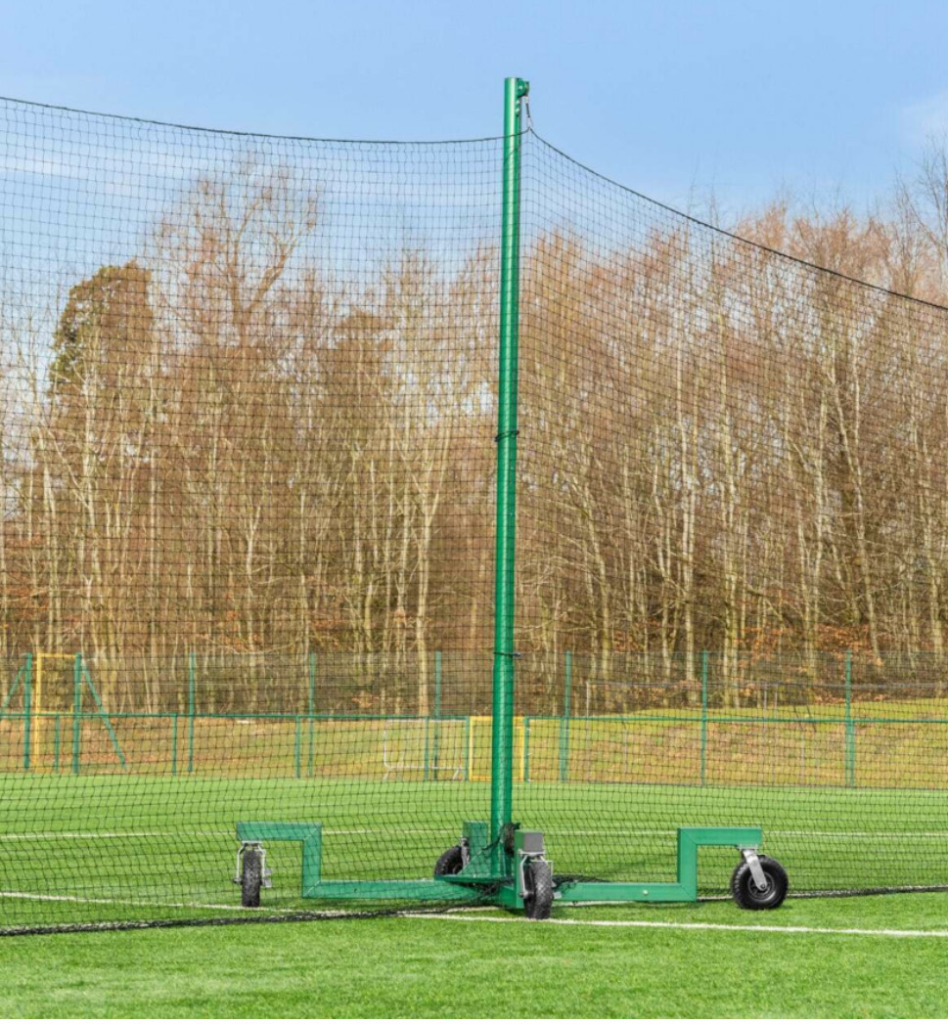
That is why modern netting manufacturers increasingly rely on advanced high-performance fibers to meet new safety requirements.
The Rise of Ultra-High-Molecular-Weight Polyethylene (UHMPE)
Ultra-High-Molecular-Weight Polyethylene, commonly abbreviated as UHMPE, is one of the most important material advances in modern protective netting systems. Known commercially under brands such as Dyneema® and Spectra®, this fiber offers exceptional strength while remaining extremely lightweight.
UHMPE delivers several important advantages:
- Exceptional strength-to-weight ratio
- Near-zero water absorption
- Excellent UV resistance
- Strong chemical resistance
- Thinner twine options for improved visibility
Because UHMPE can achieve high strength with smaller diameter twines, it is especially valuable in sports venues and high-visibility installations where clear sightlines matter. It also performs well outdoors because it does not absorb water and resists long-term UV exposure better than many traditional fibers.
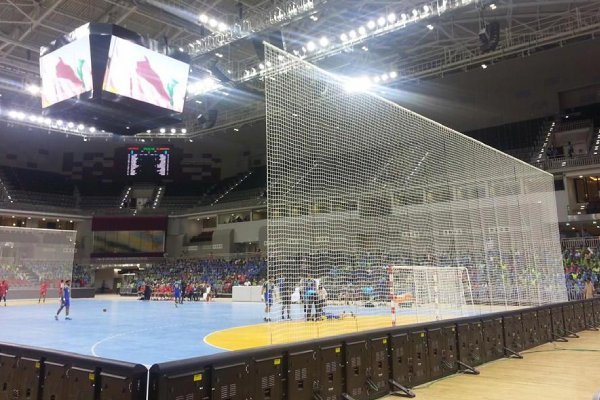
For buyers comparing long-term cost rather than just initial price, UHMPE often offers a strong lifecycle value proposition.
Aramid Fibers: Kevlar and Twaron in Protective Netting
Aramid fibers, including materials marketed as Kevlar® and Twaron®, offer a different set of performance strengths. These fibers are particularly well known for high energy absorption and cut resistance.
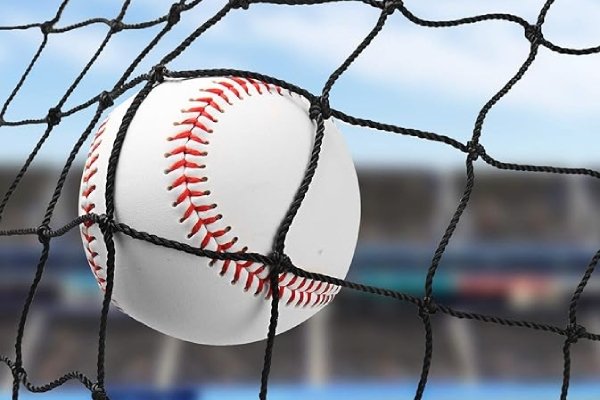
In netting applications exposed to sharp, high-energy, or repeated impact hazards, aramid materials can provide an added level of protection. Their structure allows them to dissipate impact energy effectively, which makes them useful in selected sports and industrial applications.
However, aramid fibers also have trade-offs. Compared with UHMPE, they generally offer lower UV resistance and may require more careful application-specific evaluation. As a result, they are often chosen where impact and cut resistance are more important than long-term outdoor weatherability.
Comparing Modern vs. Traditional Netting Materials
| Feature | Traditional (Nylon / Polyester) | Modern (UHMPE / Dyneema®) | Modern (Aramid / Kevlar®) |
|---|---|---|---|
| Strength-to-Weight Ratio | Moderate | Exceptional | Very High |
| UV Resistance | Poor to Moderate | Excellent | Poor |
| Abrasion Resistance | Good | Excellent | Moderate |
| Water Absorption | High or Moderate | Near Zero | Moderate |
| Visibility | Fair | Excellent | Good |
| Primary Advantage | Lower cost and broad availability | Strength, durability, visibility | Impact and cut resistance |
The Role of Coatings: UV, Abrasion, and Fire Resistance
The fiber itself is only one part of a high-performance netting system. Coatings also play a critical role in protecting the net from environmental and operational stress.
For outdoor applications, UV-stabilized coatings help slow polymer degradation caused by sunlight. In high-use or high-friction environments, abrasion-resistant coatings can reduce surface wear and extend service life. For indoor installations, fire-retardant treatments may also be required to meet local code requirements and project specifications.
In other words, the right coating helps preserve the performance of the base material under real operating conditions.
For more on fiber performance and durability, see our related guide on netting materials comparison.
2. Engineering Knotless Designs for Superior Strength and Visibility
Traditional netting relies on knots to join fibers at each intersection. While this construction method is familiar and widely used, it introduces a basic engineering weakness.
Each knot creates a stress concentration point. The fiber is bent and compressed at the knot, which can reduce the effective strength of the twine and create a more likely failure location under impact.
The Problem with Knots: Weak Points and Obstructed Views
In high-impact applications, netting must distribute force across the mesh quickly and evenly. Knots interrupt that process. Instead of allowing the load to travel smoothly through the structure, they concentrate stress at specific points.
This matters for two reasons.
First, it reduces structural efficiency. Under sudden impact, the knot is often the most vulnerable part of the system.
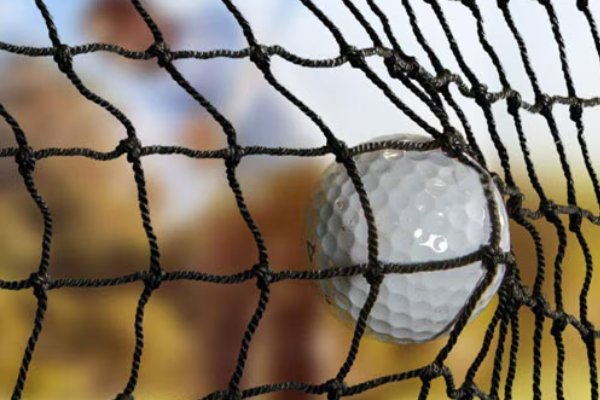
Second, knots add bulk and visual interference. In sports applications, this can reduce the quality of the viewing experience, especially where users need to track small, fast-moving objects.
How Knotless Netting is Manufactured
Knotless netting addresses these issues through a different manufacturing approach. Instead of tying separate twines together, advanced knitting or weaving processes create continuous interlocking intersections within the mesh.
This preserves more of the original fiber strength and creates a more uniform structure. The result is a net that can offer:
- Better load distribution
- Higher retained strength
- More consistent mesh size
- Reduced surface wear
- Improved visibility
Knotless vs. Knotted Netting: A Performance Breakdown
| Characteristic | Knotted Netting | Knotless Netting |
|---|---|---|
| Break Strength | Reduced at knots | Retains more original fiber strength |
| Load Distribution | Uneven; stress concentrates at knots | More even across the mesh |
| Visibility | More visual obstruction | Cleaner, lower-profile appearance |
| Weight | Typically heavier | Typically lighter |
| Abrasion Resistance | Higher localized wear | Smoother surface, reduced wear points |
| Mesh Consistency | Can vary with knot tension | More uniform and consistent |
For many modern stadium netting, golf barrier netting, and arenBaseball Barrier Nets, a safety netting projects, knotless construction is increasingly becoming the preferred specification.
If you are evaluating different mesh structures, you may also want to read our guide to knotted vs. knotless netting.
Case Study: Major League Baseball’s Netting Expansion
The widespread expansion of netting in Major League Baseball helped demonstrate how modern materials and knotless construction could improve both safety and visibility at the same time.
As stadiums extended netting coverage, many installations moved toward thin-profile, high-strength, knotless systems designed to reduce visual obstruction while maintaining high impact resistance. This shift reinforced an important point: better protection does not have to come at the expense of user experience.
3. Data-Driven Impact Resistance and Dynamic Testing
For many years, netting was often evaluated using static breaking strength. While useful as a basic material reference, static testing alone does not reflect the actual way a net performs in service.
Protective netting is designed to stop or contain fast-moving objects. That is a dynamic event, not a slow pull test. Real-world performance depends on how the net absorbs energy, distributes stress, and deforms under impact.
Moving Beyond Static Load Ratings
Static load ratings do not fully describe whether a net can safely manage the force of a baseball, golf ball, hockey puck, or industrial object striking the mesh at speed. What matters is not just ultimate strength, but also toughness, energy dissipation, and controlled deflection.
This is why dynamic impact testing has become a more meaningful way to assess protective performance.
Simulating Real-World Impacts: Projectile Testing
Modern testing methods use controlled launch systems to fire projectiles at net panels under repeatable conditions. High-speed cameras, load sensors, and other instruments capture how the net behaves during impact.
This type of testing helps answer critical design questions:
- How far does the net deflect under impact?
- How effectively does it dissipate energy?
- Where are the stress concentrations?
- Is rebound controlled?
- Can the support system handle the transferred load?
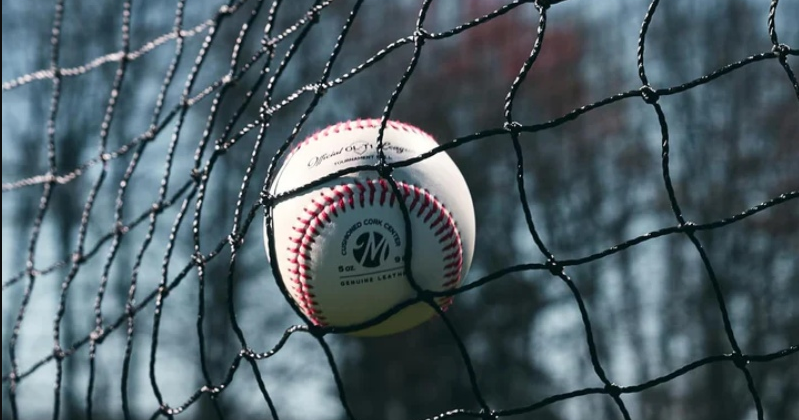
For specifiers and procurement teams, this data is far more valuable than a simple static strength number.
The Importance of ASTM Standards
Standardized testing methods help ensure consistency and allow meaningful comparisons between products. Dynamic performance standards provide a more scientific basis for selecting the right impact-resistant netting for a given application.
For serious projects, buyers should request documented test data and review how the product was evaluated, not just what the marketing summary claims.
How Data Informs Custom Netting Solutions
Dynamic testing supports better customization. A golf facility, a hockey arena, a baseball stadium, and an industrial worksite all present different hazards. The right solution depends on matching the material, twine size, mesh size, and construction style to the actual use case.
That is why advanced manufacturers increasingly approach netting as an engineered application rather than a generic product category.
4. Smart Netting and Integrated Sensor Technology
Even the best netting materials degrade over time. Exposure to sunlight, repeated impact, abrasion, wind, and environmental stress can gradually reduce performance. Traditionally, operators have relied on visual inspection and scheduled maintenance to judge the condition of a net.
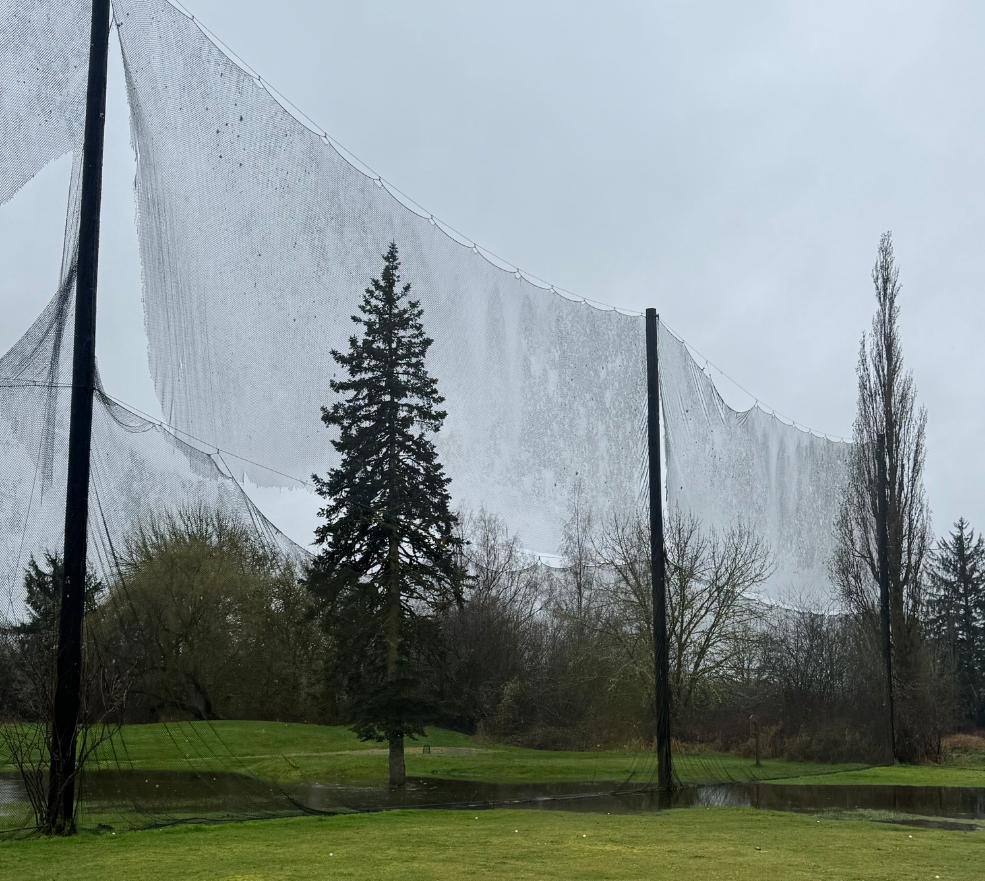
That approach has limits. Some damage is difficult to detect until the system is already compromised.
Embedding Fibers for Real-Time Monitoring
Smart netting technologies aim to solve this problem by integrating sensing functions into the net structure. Fiber optic or similar embedded systems can help detect strain, impact events, and localized damage in real time.
Instead of treating the net as a passive barrier, this approach turns it into an actively monitored safety asset.
What Can Smart Nets Tell Us?
Depending on the system design, smart netting may be able to report:
- Impact location and severity
- Changes in baseline tension
- Early signs of fatigue or degradation
- Potential hidden damage not visible during routine inspection
The Future: Predictive Maintenance
The long-term value of smart netting lies in predictive maintenance. By collecting and analyzing performance data over time, operators may be able to identify risk zones and schedule replacement or repair before failure occurs.
For high-risk environments, that represents a major improvement in safety management and asset planning.
Applications Beyond Sports
While sports venues are a natural fit for this technology, smart netting can also provide value in construction, logistics, warehousing, and industrial containment applications where failure could have serious operational or safety consequences.
5. Customization and Application-Specific Engineering
One of the clearest lessons from modern netting design is that there is no universal solution. A net that works well for one environment may be completely wrong for another.
Why One-Size-Fits-All Fails in Safety
Generic netting selection creates avoidable risk. The wrong mesh size may allow objects to pass through. The wrong material may degrade too quickly in UV-heavy environments. The wrong twine diameter may be insufficient for the impact load.
In safety-critical applications, these mismatches are unacceptable.
Tailoring Mesh Size, Twine Diameter, and Material for the Hazard
Proper engineering starts with the application itself. Important variables include:
- Object size, weight, and speed
- Expected impact energy
- Installation span and geometry
- Indoor vs. outdoor exposure
- UV, moisture, wind, or chemical exposure
- Relevant code or project requirements
Once those variables are understood, the manufacturer can recommend an appropriate combination of material, twine thickness, mesh opening, coating, and construction style.
Example: Golf Barrier Netting vs. Hockey Backstop Netting
A golf barrier net must stop small, fast-moving balls, which means mesh size is especially important. It also usually operates outdoors, where UV resistance and lower structural weight matter.
A hockey backstop net, by contrast, deals with heavier, higher-energy impacts and may require a tougher construction with strong resistance to abrasion and repeated loading.
Although both are forms of protective netting, they are engineered for very different hazard profiles.
The Manufacturer’s Role in Consulting on Safety Standards
Today’s best netting suppliers do more than sell square meters of mesh. They help clients interpret application requirements, compare material options, review performance data, and align the final system with project goals.
That consultative role is especially important for buyers who need more than a commodity product. A reliable supplier should be able to guide decisions on system design, compliance, durability, and total cost of ownership.
custom netting solutions and sports netting buying guide.
Frequently Asked Questions
1. What is the most important factor when choosing safety netting?
The most important factor is the specific application. Material, mesh size, twine diameter, and construction should all match the actual hazard the net is intended to control.
2. Is UHMPE netting always better than nylon or polyester?
Not in every case, but it is often the best option for high-performance outdoor applications that require low weight, excellent durability, and high visibility. Nylon and polyester can still be appropriate for lower-demand or budget-sensitive applications.
3. Why is knotless netting preferred for spectator safety?
Knotless netting reduces structural weak points and creates a cleaner visual profile. That combination improves both net performance and the viewing experience.
4. How often should safety netting be inspected and replaced?
That depends on the environment, the material, and the level of use. High-risk installations should be inspected regularly, and replacement should be based on condition, performance history, and manufacturer guidance.
5. Do indoor netting systems need fire-retardant treatment?
In many indoor environments, yes. Fire performance requirements depend on local regulations and project conditions, so buyers should confirm code requirements before specifying the product.
6. What do twine diameter and mesh size mean?
Twine diameter refers to the thickness of the cord used to make the net. Mesh size refers to the size of the opening in the mesh. Both directly affect performance.
7. Can damaged netting be repaired?
Minor localized damage may sometimes be repaired, but critical damage in high-risk zones often requires full panel replacement to maintain system integrity.
Conclusion
The evolution of protective netting reflects a broader shift in how safety systems are designed and specified. Netting is no longer just a basic barrier. It is now an engineered system shaped by performance requirements, environmental demands, and increasing expectations for risk control.
Advanced materials such as UHMPE and aramid fibers, knotless construction, dynamic testing, and smart monitoring technologies are all part of this transformation. Together, they allow buyers and specifiers to select solutions that are stronger, lighter, more durable, and better aligned with real-world hazards.
For organizations evaluating sports safety netting, industrial containment netting, or custom protective netting systems, the takeaway is clear: netting should be selected as a critical engineered safety component, not as a generic commodity.
That mindset leads to better safety performance, stronger long-term value, and more reliable protection in the environments where it matters most.