
Choosing the right custom netting solution is not just a product decision. It is a performance decision that affects safety, durability, maintenance, and long-term cost.
Whether the application involves sports netting systems, agricultural netting, construction debris netting, or cargo netting, the right specification depends on five core factors: application, material, mesh size, environmental exposure, and installation quality.
This guide explains how to evaluate those variables step by step so you can choose a netting system that performs reliably in real operating conditions.
Key Takeaways
- Define the net’s primary function before comparing products.
- Select material based on load, weather, and exposure conditions.
- Match mesh size to the object you need to stop, contain, or exclude.
- Review UV resistance and long-term durability for any outdoor netting installation.
- Check safety, fire, or industry-specific compliance requirements before purchase.
- Treat installation and maintenance as part of the netting system, not as separate tasks.
Point 1: Define the Core Application First
The first step in selecting custom netting is defining exactly what the net must do. Without that, material and mesh decisions are mostly guesswork.
Most applications fall into one or more of the following categories:
- impact absorption
- containment
- exclusion
- safety demarcation
A net designed to stop a high-speed golf ball solves a very different problem than a net designed to keep birds away from crops or secure cargo during transport. That is why application should always come before product comparison.
Sports Netting Applications
In sports, the net often needs to absorb impact energy and safely contain high-speed projectiles. Golf, baseball, lacrosse, hockey, tennis, and pickleball all create different projectile profiles, so the right sports netting system must be matched to the specific sport.
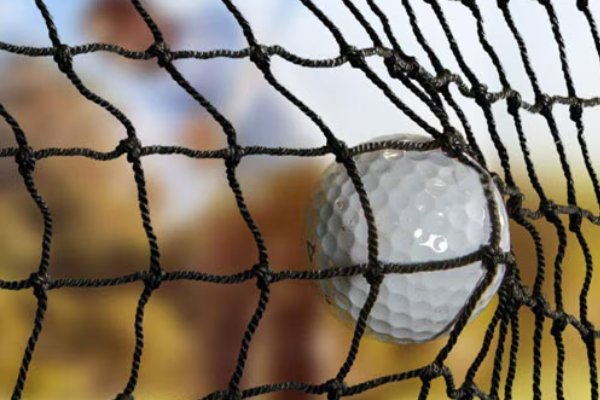
For example, golf netting usually requires tighter mesh and higher elasticity because golf balls are small, dense, and extremely fast. Baseball backstop netting can use larger mesh, but the system must tolerate repeated impact over time and maintain reliable containment.
Agricultural Netting Applications
In agriculture, netting is usually used for exclusion or environmental control rather than direct impact absorption. Typical uses include:
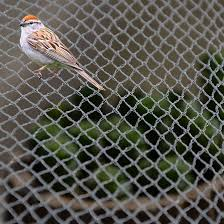
- bird exclusion
- shade netting
- windbreak systems
- crop protection barriers
Here, the key variables are usually mesh size, UV resistance, and long-term outdoor durability.
Construction and Industrial Applications
In construction and industrial environments, netting is often part of a broader safety system. Typical roles include:
- personnel fall protection
- debris containment
- public area separation
- material control
In these cases, compliance and installation integrity are often just as important as material selection.
Logistics and Transportation Applications
For cargo netting and transportation restraint systems, the goal is load security. These nets must resist shifting forces caused by braking, turning, and movement while maintaining tension and load distribution across the secured area.
For related reading, add internal links such as sports netting solutions, agricultural netting solutions, construction netting, and cargo net solutions.
Point 2: Choose the Right Netting Material
Once the application is clear, the next step is material selection. In most commercial and industrial netting, the main material options are:
- nylon
- polyester
- HDPE
- polypropylene
Each material has its own performance profile, and the correct choice depends on the balance between impact load, environmental exposure, durability, and budget.
Netting Material Comparison
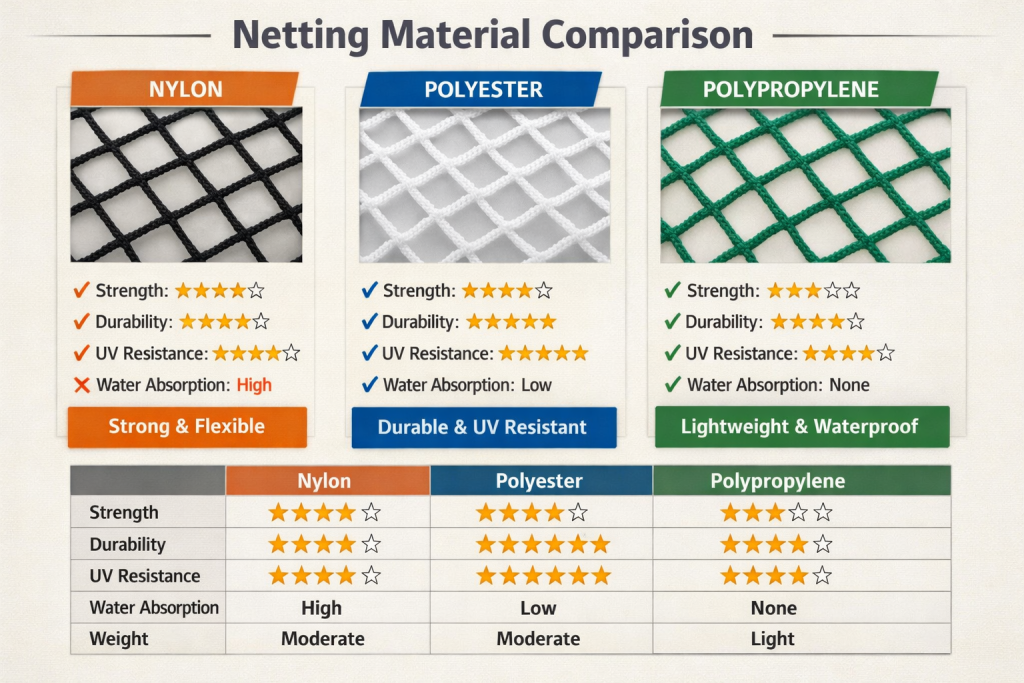
| Property | Nylon (Polyamide) | Polyester (PET) | HDPE | Polypropylene (PP) |
|---|---|---|---|---|
| Tensile Strength | Excellent | Excellent | Very Good | Good |
| UV Resistance | Fair (requires treatment) | Excellent | Excellent | Poor (requires stabilizers) |
| Abrasion Resistance | Excellent | Very Good | Good | Fair |
| Elasticity | High | Low | Low | Medium |
| Water Absorption | High | Very Low | Very Low | Very Low |
| Chemical Resistance | Good | Very Good | Excellent | Excellent |
| Relative Cost | High | Medium-High | Medium | Low |
Nylon: Best for High-Impact Energy Absorption
Nylon is often the best choice when impact absorption and elasticity are critical. It combines high tensile strength with high stretch, making it especially effective for:
- golf cage netting
- personnel safety nets
- high-impact sports barriers
Its main limitation is environmental. Nylon absorbs water and generally needs UV treatment for long-term outdoor use.
Polyester: The Best All-Around Outdoor Option
Polyester is often the most balanced choice for outdoor netting because it combines strength, UV resistance, low moisture absorption, and good dimensional stability. It is commonly used in:
- stadium and perimeter netting
- tennis and divider nets
- cargo restraint systems
- general-purpose outdoor barrier netting
HDPE: The Outdoor Durability Specialist
HDPE performs especially well in long-term exposed environments. Its strengths include UV stability, water resistance, and chemical resistance. It is commonly used for:
- agricultural bird netting
- shade netting
- windbreak netting
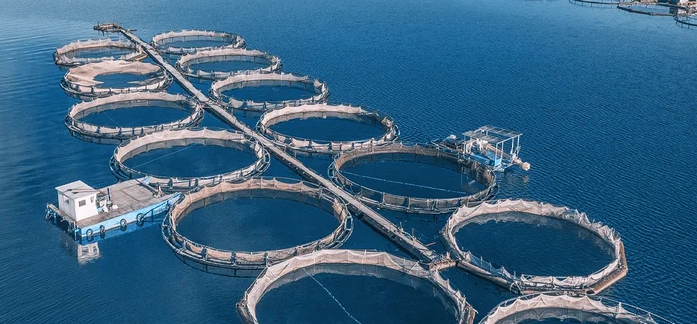
- aquaculture netting
- general outdoor containment netting
It is usually not the first choice for high-impact energy absorption, but it is often one of the strongest options for outdoor durability.
Polypropylene: The Budget Option for Light-Duty Use
Polypropylene is lightweight and economical, but it generally offers lower tensile strength, lower abrasion resistance, and weaker long-term UV performance unless properly stabilized. It is better suited for:
- temporary installations
- light-duty indoor use
- lower-cost short-term containment
For related reading, add internal links such as netting materials comparison and UV resistant netting.
Point 3: Match the Mesh Size to the Job
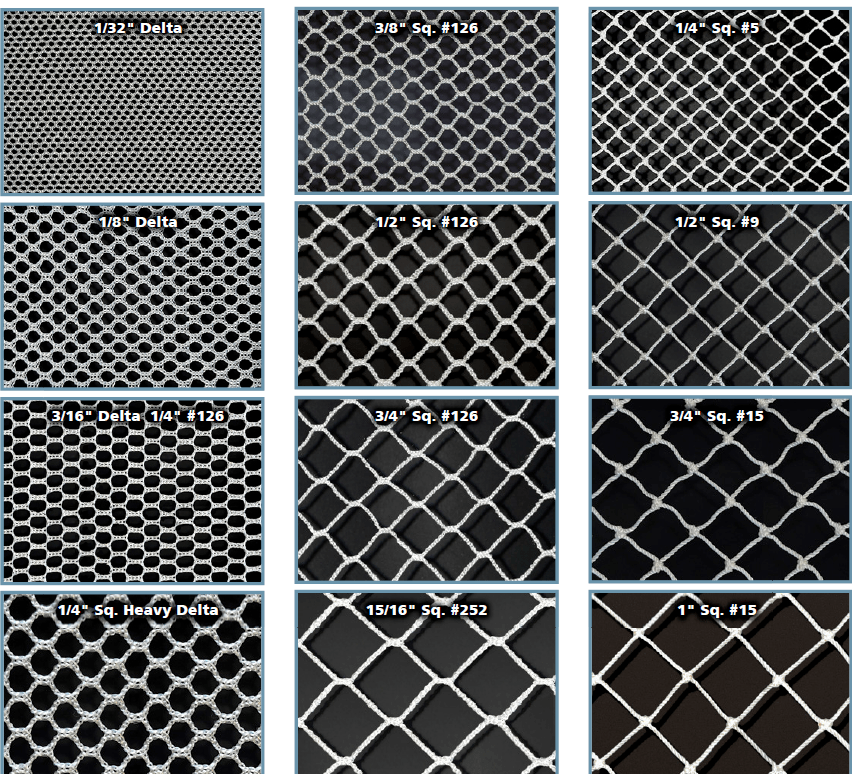
After material, mesh size is the next critical specification. The basic rule is simple: the opening must be smaller than the object the net is designed to stop, contain, or exclude.
If the mesh is too large, the system fails at its most basic function. If the mesh is unnecessarily small, the system may become heavier, more expensive, and more vulnerable to wind load than necessary.
General Guide to Mesh Size by Application
| Application | Projectile/Object | Typical Mesh Size (Square) | Primary Consideration |
|---|---|---|---|
| Golf Barrier / Golf Cage | Golf Ball | 3/4 to 1 inch | Prevents pass-through of small, high-speed balls |
| Baseball / Softball Backstop | Baseball / Softball | 1-3/4 to 1-7/8 inch | Balances containment, visibility, and durability |
| Hockey / Lacrosse Barrier | Puck / Lacrosse Ball | 1-1/2 inch | Contains hard projectiles at high speed |
| Soccer Barrier | Soccer Ball | 4 inch | Contains larger balls while maximizing visibility |
| Bird Netting (Small Birds) | Finches / Sparrows | 1/2 to 3/4 inch | Excludes smaller bird species |
| Bird Netting (Larger Birds) | Pigeons / Crows | 1 to 2 inch | Deters larger birds with lower wind load |
| Personnel Safety Net | Human Body | 4 to 6 inch | Helps energy absorption while maintaining safety requirements |
| General Debris Netting | Tools / Small Materials | 1/4 to 1 inch | Contains falling objects of varying size |
Knotted vs. Knotless Netting
The next structural decision is how the net is built.
Knotted Netting
Knotted netting uses tied intersections and generally offers strong dimensional stability and a firm mesh structure. It is often well suited for fixed containment systems where maintaining geometry under load is important.
Knotless Netting
Knotless netting is woven or knitted without tied knots. It typically provides a smoother surface, lighter weight, reduced abrasion, and better strength efficiency relative to weight. It is often preferred where surface interaction, visibility, or reduced wear matters.
Square vs. Diamond Orientation
Netting can also be installed on the square or on the diamond.
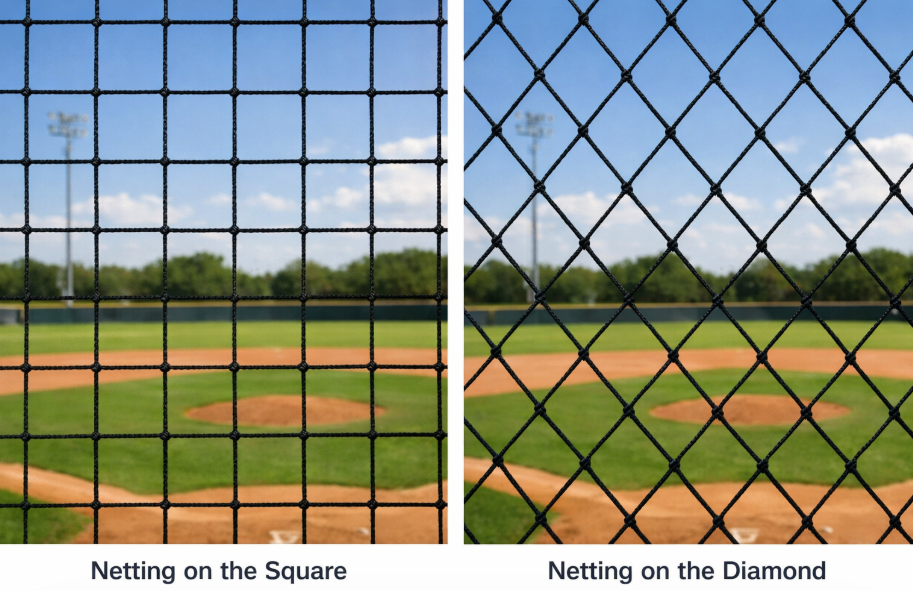
Square-hung netting generally offers more dimensional stability and more predictable coverage, which makes it useful for fixed installations requiring accurate fit.
Diamond-hung netting generally offers more flexibility and stretch under load, which can be useful in dynamic or irregular containment situations.
Point 4: Evaluate Environmental Exposure and Durability
Even the right material and mesh can fail prematurely if the environment is not properly considered. Outdoor and industrial netting systems must be evaluated against long-term exposure conditions, not just initial performance.
UV Exposure
For most outdoor applications, UV radiation is the most common long-term failure driver. Sunlight gradually breaks down polymer chains and can cause fading, embrittlement, reduced tensile strength, and fiber damage over time.
In general:
- HDPE performs very well
- polyester performs very well
- nylon requires proper UV stabilization
- polypropylene is more vulnerable unless treated
Outdoor netting should therefore be selected only after confirming how UV protection is built into the material and what kind of service life is expected under local exposure conditions.
Moisture and Water Exposure
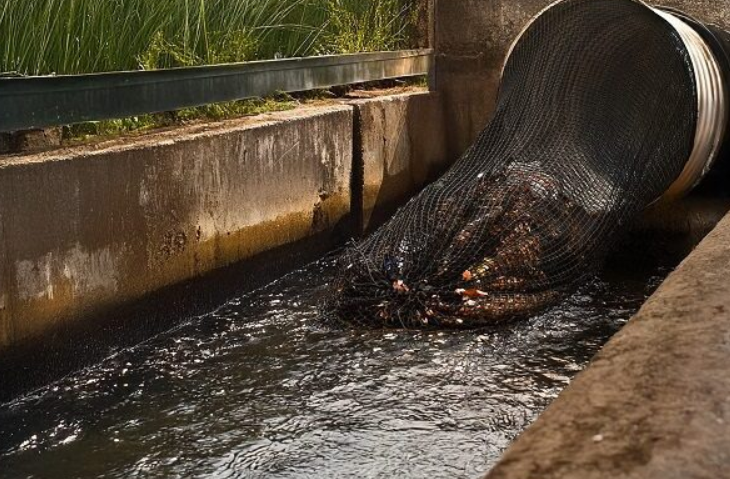
Water exposure can also affect performance. Nylon absorbs moisture, which can influence strength and dimensional behavior. Polyester, HDPE, and polypropylene absorb very little water, which generally makes them more stable in humid, wet, or marine conditions.
Chemical Exposure
Some installations are exposed to fertilizers, industrial vapors, salt air, or cleaning chemicals. HDPE and polypropylene usually offer very strong chemical resistance, while polyester also performs well in many chemically exposed conditions. Nylon may still be suitable, but the actual exposure environment should always be reviewed before specification.
Temperature and Abrasion
Temperature extremes and abrasion are also part of the durability equation. Abrasion from cables, hardware, cargo contact, structural edges, or wind-driven movement can shorten service life significantly. Nylon generally performs especially well in abrasion-heavy applications, while polyester also provides strong durability in many commercial and industrial conditions.
For related reading, add internal links such as outdoor netting solutions and industrial netting solutions.
Point 5: Verify Quality, Compliance, and Installation
By the time application, material, mesh size, and environmental exposure have all been evaluated, the final stage becomes a question of execution. A well-specified netting product can still underperform if the delivered product is inconsistent, non-compliant, poorly installed, or badly maintained.
Quality Control and Manufacturing Standards
Two products made from the same material can still perform very differently because of differences in:
- twine consistency
- actual break strength
- mesh uniformity
- knot integrity
- coating quality
- dimensional tolerance
A reliable manufacturer should be able to provide a specification sheet covering:
- material type
- twine diameter
- mesh size
- net weight
- treatment or coating details
- break strength or tensile data
- manufacturing method
Even after you verify those details, it still does not mean you can relax completely. There is often a big gap between what looks good in theory and what actually happens in production.
A safer and more practical approach is to talk with your supplier before the order officially starts and request small material or netting samples first. In international trade, especially for large projects, money spent on samples is often the most worthwhile investment you can make.

For buyers sourcing protective netting, sports netting, safety netting, or other custom net products, samples do far more than simply confirm basic quality. They give you something physical to evaluate for material, knotting, mesh size, strength, finish, color, and overall workmanship. Just as importantly, they become the reference standard for later bulk production inspection.
That matters because relying only on written descriptions, photos, or technical discussions can easily lead to misunderstandings. A sample gives both sides a clear and practical benchmark. Instead of letting every conversation stay at the level of words, you use the sample as the most reliable judge.
Compliance and Safety Requirements
In many netting applications, performance is also a compliance issue. This is especially true for:
- construction safety netting
- industrial containment systems
- public sports facilities
- indoor systems subject to fire code requirements
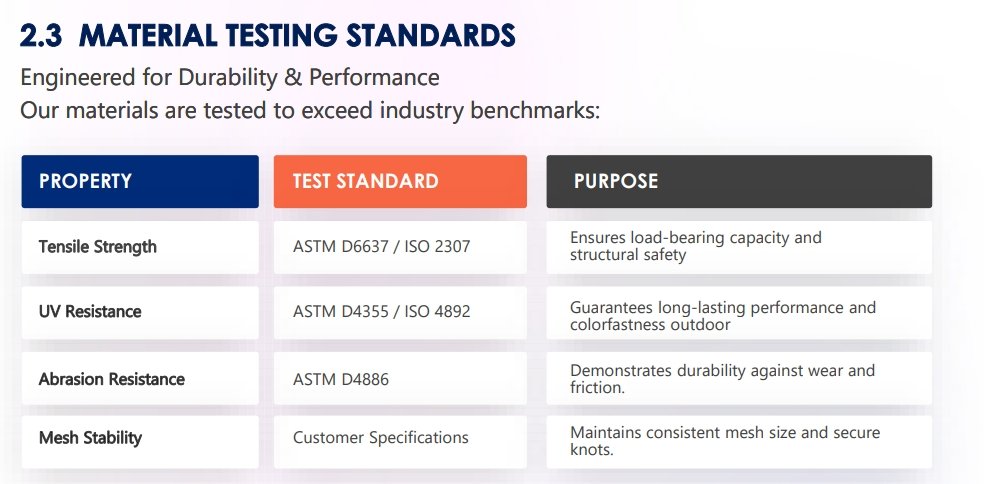
Depending on the application, relevant documentation may include technical data sheets, test reports, compliance statements, or fire-retardant certifications. In regulated environments, those documents are part of responsible risk management.
Installation Is Part of the System
A net does not perform in isolation. It depends on how it is supported, tensioned, anchored, and integrated into the surrounding structure.
Every netting system transfers load through a sequence:
net → border / cable / attachment point → support structure
If any one part of that load path is underspecified, it becomes the likely failure point. That is why installation should never be treated as an afterthought.
Proper Tensioning and Hardware Selection
A net that is too loose may sag excessively and reduce performance. A net that is too tight may reduce energy absorption and increase stress on the hardware and structure.
The right tension depends on:
- application type
- material elasticity
- span distance
- support geometry
- expected load conditions
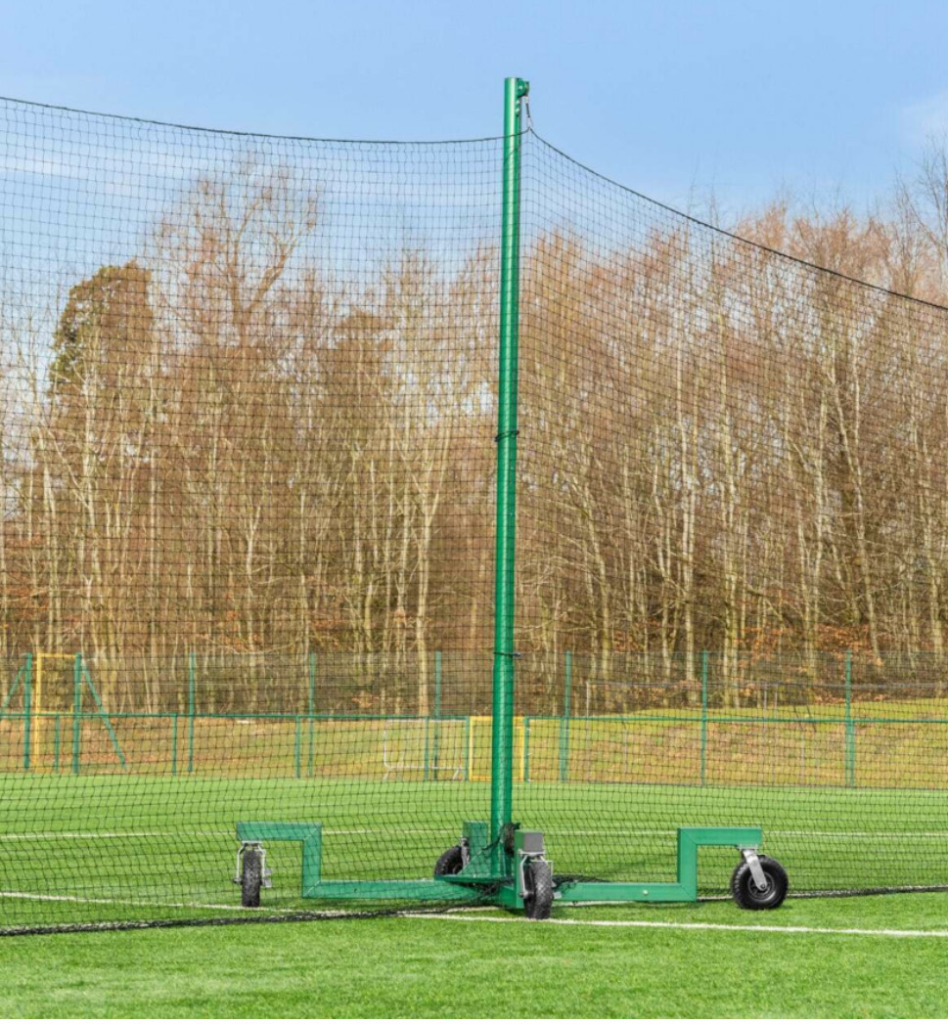
Hardware also matters. Cables, clips, shackles, hooks, turnbuckles, anchors, and perimeter ropes must all be matched to the environment and expected loads. In outdoor or coastal settings, corrosion resistance is especially important.
Maintenance and Service Life
Netting is not a fit-and-forget product. Over time it is affected by UV, weather, abrasion, impacts, chemical exposure, and installation conditions.
Regular inspections should check for:
- broken or torn strands
- fraying or abrasion
- mesh deformation
- weakened attachment points
- sagging
- UV-related brittleness or fading
- damaged or corroded hardware
For commercial, industrial, public, or safety-related systems, inspections should be documented. A maintenance record helps support budgeting, service-life planning, and liability protection.
Frequently Asked Questions About Custom Netting
What is the most important factor when choosing custom netting?
The most important factor is the application. Once the function is clearly defined, the right material, mesh size, construction method, and durability requirements become much easier to identify.
How do I choose between nylon, polyester, and HDPE?
Nylon is usually best for high-impact energy absorption. Polyester is often the best all-around outdoor option. HDPE is usually ideal for long-term exposed outdoor applications where UV, moisture, and chemical resistance matter most.
Does netting color matter?
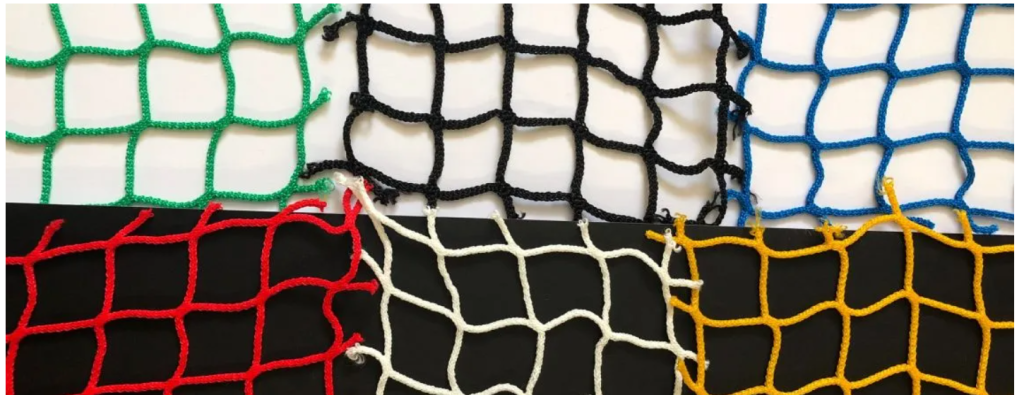
Yes. Color can affect visibility, appearance, and UV performance. Black netting is especially common outdoors because carbon black often improves UV stability and makes the net visually unobtrusive.
What is the difference between knotted and knotless netting?
Knotted netting uses tied intersections and often offers more rigid geometry. Knotless netting uses woven or knitted construction and usually offers a smoother surface with reduced abrasion and lighter weight.
Can custom netting be self-installed?
Small, low-risk systems may be self-installed. Large-span, public, industrial, or safety-critical applications should generally be professionally installed.
How is mesh size measured?
Mesh size is commonly measured from inside edge to inside edge of the opening when the net is laid on the square. Buyers should confirm the exact measurement method with the supplier, especially for custom orders.
A Final Perspective on Netting Selection
Selecting custom netting solutions is not a matter of choosing from a list of generic products. It is a process of matching function, material, geometry, environmental resistance, and installation planning into one working system.
The best netting decisions rarely start with price alone. A stronger process starts with the application and then works through the key performance variables in sequence:
- what the net must do
- what it will be exposed to
- what kind of load it must handle
- how it will be installed
- how it will be maintained over time
When those questions are answered clearly, the selection process becomes much more logical. And when the process is handled correctly, the result is not just a net that works on paper. It is a netting system that performs reliably in the real world—safely, efficiently, and for a predictable service life.

Read our most popular articles.
👉 Download our free product categories
👉 5 Reasons Why Durable, Long-Lasting Products are the New Definition of “Cost-Effective”
👉 The Essential 7-Point Checklist for Ordering Custom Made Cargo Nets in 2026
👉 The 2026 Chinese Manufacturing vs. Local Suppliers: A Netting Buyer’s Guide
👉 A Practical Custom Netting vs. Off-the-Shelf: A Cost-Benefit Analysis with 7 Factors
👉 How to Start a Private Label Netting Business: A 5-Step Framework for Work
👉 A 5-Point Actionable Guide to Understanding Net Lifespan: When to Repair vs. Replace