Selecting the appropriate shade cloth density is a foundational consideration for effective light and temperature management in horticultural and agricultural environments. This determination directly influences plant physiological processes, including photosynthesis, transpiration, and overall development.
An improper density can lead to either phototoxicity and heat stress or insufficient light for robust growth, both of which compromise crop quality and yield.
This guide examines the multifaceted nature of shade cloth density, presenting a systematic framework for its selection. It analyzes the interplay between plant-specific light requirements, geographical and climatic variables, and material properties such as fabric type and color.
The objective is to facilitate informed decision-making that moves beyond generalized recommendations toward a nuanced, site-specific strategy for environmental control, ultimately fostering healthier plants and more productive cultivation systems.
Step 1: Evaluating Your Core Needs: Plant Type and Climate Assessment
Before one can even begin to contemplate the technical specifications of a shade cloth, one must first engage in a deep and thoughtful assessment of the plant’s world. What are its fundamental needs? What are the environmental pressures it faces? The selection of a protective fabric is not a one-size-fits-all proposition; it is a response tailored to a specific set of circumstances.
This initial stage of inquiry is perhaps the most defining factor in the success of any environmental modification strategy.
Understanding Plant Light Requirements (DLI)
Every plant has an evolved relationship with the sun, a relationship codified in its genetic makeup. The total amount of photosynthetically active radiation (PAR) that a plant receives over a 24-hour period is known as the Daily Light Integral, or DLI.
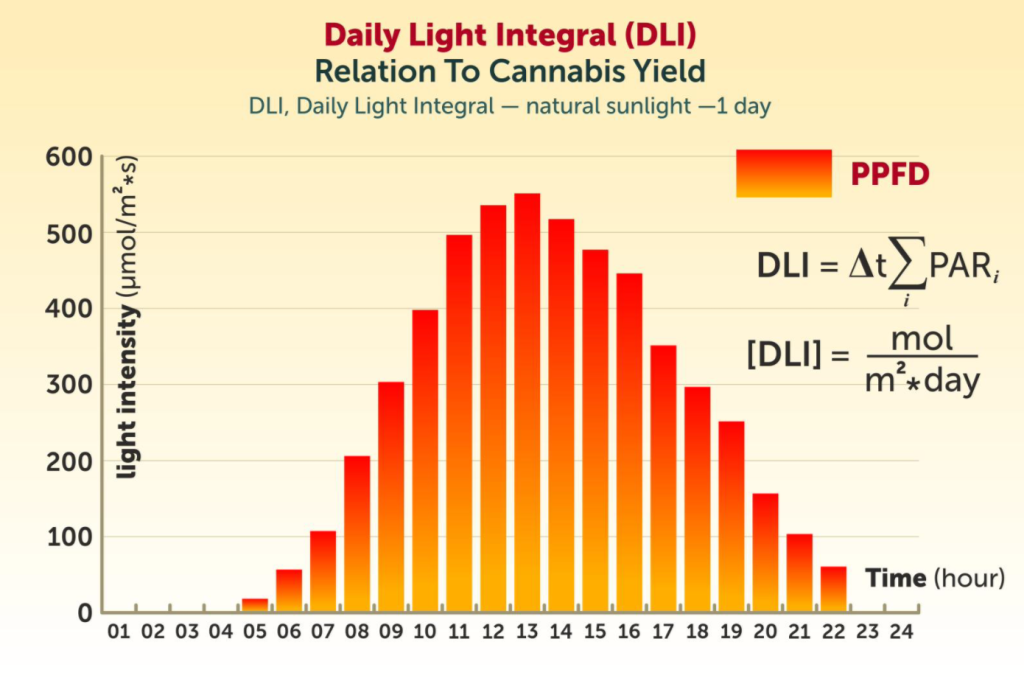
Think of DLI as a plant’s daily food allowance, measured in moles of light per square meter per day (mol·m⁻²·d⁻¹). Just as animals have different caloric needs, plants have different DLI targets for optimal growth. A sun-loving tomato plant might thrive with a DLI of 25-30, whereas a shade-dwelling fern may be perfectly content with a DLI of 5-10.
Your first task as a cultivator is to understand the DLI preferences of the specific species you are growing. This information is widely available through horticultural databases, university extension programs, and plant-specific literature. This knowledge forms the bedrock upon which your shade cloth density decision will be built.
Analyzing Your Geographic Location and Microclimate
The amount of solar radiation reaching the Earth’s surface varies dramatically with geography. A grower in southern Spain or Arizona faces a far greater solar load than one in the Netherlands or the Pacific Northwest of the United States.
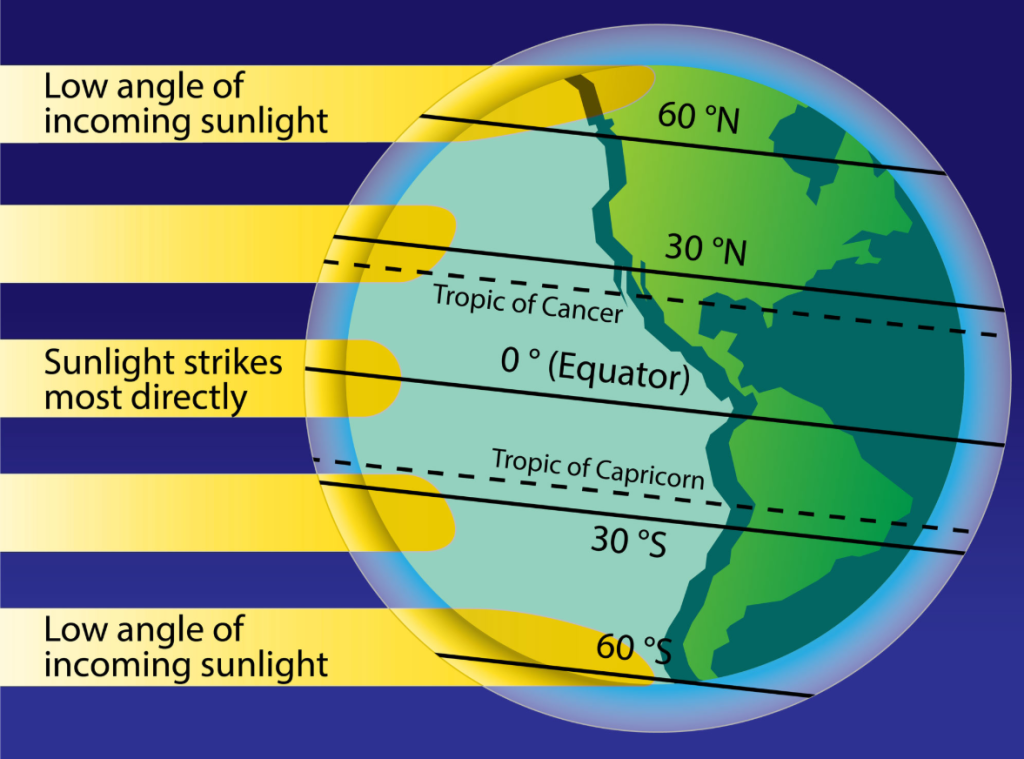
Latitude is a primary determinant of sun intensity, but it is not the only one. Altitude also plays a significant role; for every 1,000 feet of elevation gain, UV radiation intensity increases by approximately 3-5%. A garden in Denver, Colorado, receives a more intense form of sunlight than one at sea level at the same latitude.
Beyond these broad geographical factors lies the concept of the microclimate. Your specific property has its own unique environmental characteristics. A south-facing slope will be hotter and drier than a north-facing one. A garden situated in a valley may be sheltered from wind but may also experience temperature inversions, while a garden on an open plain is exposed to the full force of sun and wind. The presence of large trees, buildings, or paved surfaces further modifies the local environment. You must become a student of your own land.
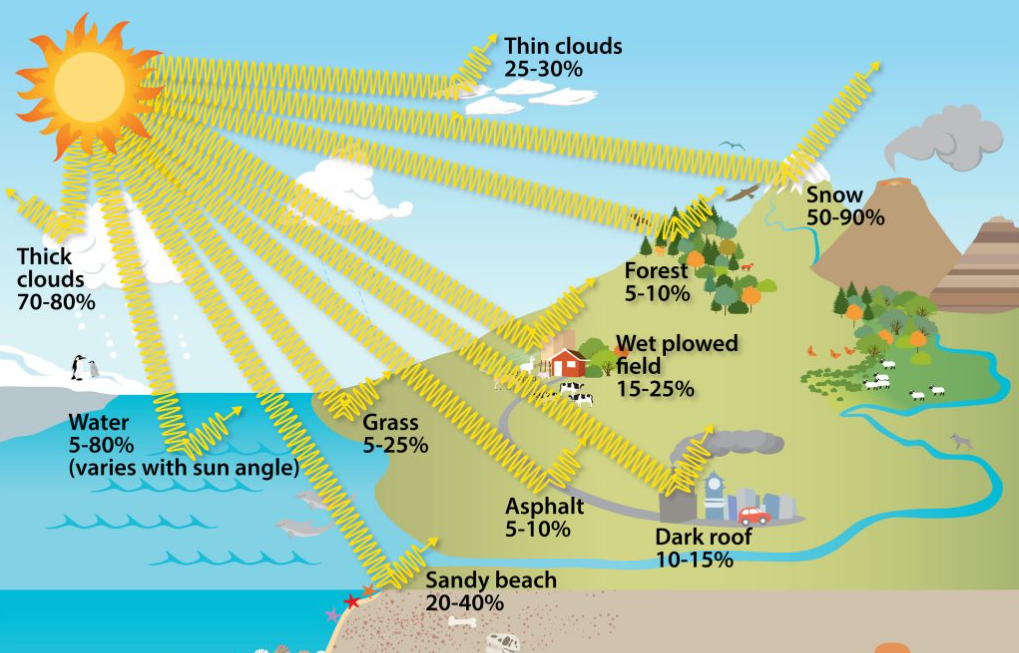
Spend time observing the path of the sun across your property throughout the day and throughout the seasons. Where are the hot spots? Where does the morning sun hit first? Where does the intense afternoon sun linger the longest? This intimate, place-based knowledge is indispensable. It allows you to move from a general understanding of your region’s climate to a specific understanding of your growing area’s challenges and opportunities.
The Role of the Growing Season
The sun’s intensity and duration shift with the seasons, meaning a plant’s need for protection is not constant. While moderate spring light supports establishment, summer’s piercing glare can push light levels (DLI) beyond optimal ranges, making shade essential.
Sophisticated environmental control treats shading as a dynamic tool rather than a permanent fixture. Growers may implement seasonal strategies, such as using 30% shade cloth in late spring and switching to 50% density during peak July and August. For maximum precision, retractable shade systems allow commercial operations and hobbyists to make real-time adjustments based on shifting weather conditions.
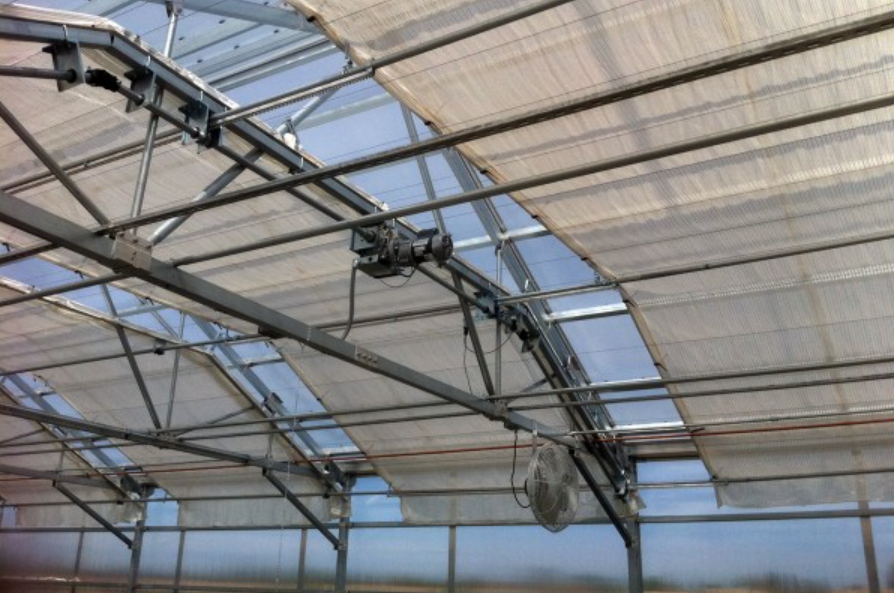
The key is to see shading not as a permanent fixture, but as a flexible tool to be deployed in response to the changing dialogue between the sun and your plants.
Step 2: Decoding Shade Cloth Density Percentages
Having developed a deep appreciation for the needs of your plants and the specific character of your environment, we can now turn our attention to the tool itself: the shade cloth. The single most important specification of this fabric is its density, expressed as a percentage. Understanding this percentage is the bridge between your initial assessment and a successful outcome. It transforms a roll of material into a precision instrument for light and temperature control.
What Does the Percentage Mean?
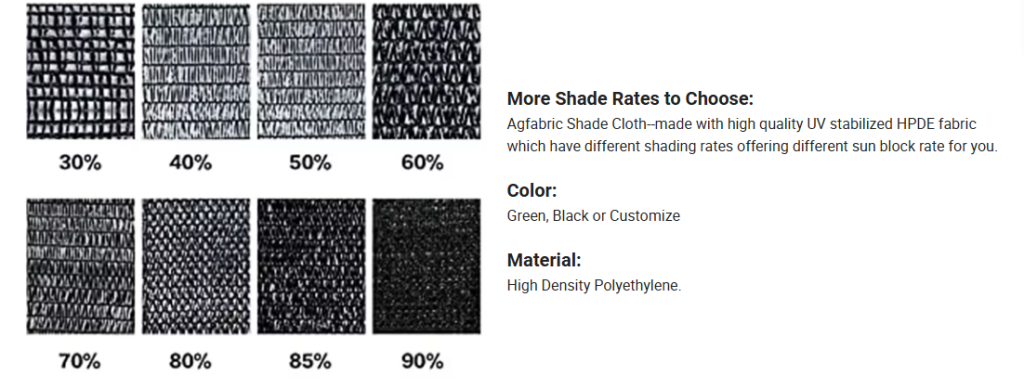
The density percentage represents the proportion of light that is blocked by the fabric. A 50% shade cloth, for example, is designed to block approximately 50% of the light that strikes it, allowing the remaining 50% to pass through to the plants below. Similarly, an 80% shade cloth blocks 80% of light, transmitting only 20% (Growers Supply, 2025). It is a simple inverse relationship, but one that is foundational to its function.
Imagine you are in a location that receives 50 mol·m⁻²·d⁻¹ of light on a clear summer day. You are trying to grow lettuce, which has an optimal DLI of around 15-20 mol·m⁻²·d⁻¹. Unprotected, the lettuce would suffer from heat stress and bolting. By installing a 60% shade cloth, you reduce the incoming light by 60%. The DLI under the cloth would then be approximately 20 mol·m⁻²·d⁻¹ (40% of 50), placing it squarely in the optimal range for your crop. This calculation demonstrates how shade cloth density allows a grower to precisely meter the amount of light energy reaching their plants, effectively creating a custom-tailored light environment.
To aid in this selection process, the following table provides a general framework for aligning shade cloth densities with common horticultural applications. It serves as a starting point, which should always be refined by your specific plant and climate assessments.
| Shade Density % | Light Transmission % | Primary Use Cases & Objectives | Example Plants & Applications |
|---|---|---|---|
| 20-30% | 70-80% | Light filtering for seedlings, hardening off plants, or for sun-loving crops in extremely high-light regions. | Hardening off tomato and pepper seedlings, protecting fruiting vegetables in desert climates. |
| 40-50% | 50-60% | A versatile, general-purpose density suitable for a wide range of vegetables, cut flowers, and nursery stock. | Lettuce, spinach, cucumbers, bell peppers, impatiens, bedding plants. |
| 60-70% | 30-40% | Significant heat and light reduction for more sensitive, shade-preferring plants. | Orchids, ferns, caladiums, hostas, ginseng. |
| 80-90% | 10-20% | Maximum shade and heat blockage. Primarily for human and animal comfort, or for storing light-sensitive materials. Generally too dark for most plant cultivation. | Patios, pergolas, livestock pens, privacy screens, windbreaks. |
A Spectrum of Protection: Common Density Levels and Their Uses
The choice of density is a direct negotiation with the sun. Let’s explore the practical implications of these different levels of protection.
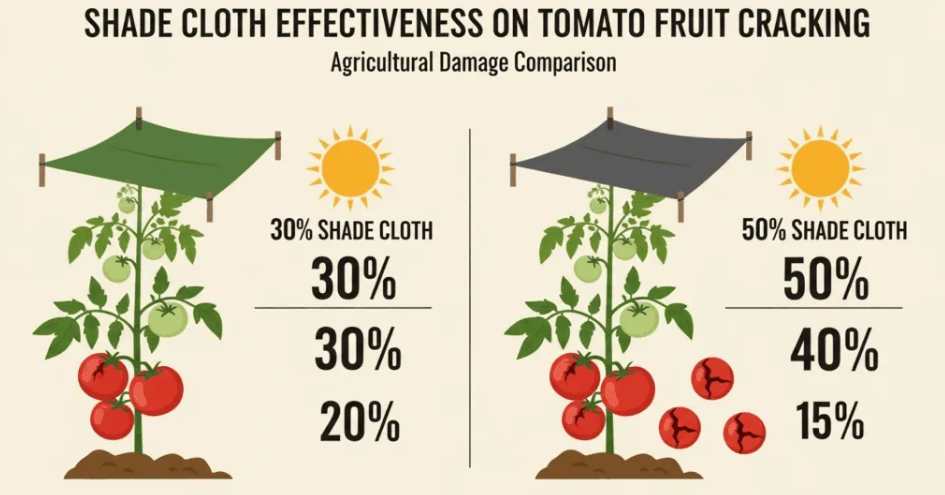
A 30-40% density is a light touch. It is often used to gently acclimate young plants, or “harden them off,” as they transition from the protected environment of a greenhouse to the full exposure of the outdoors. It can also be the perfect choice for robust, sun-loving plants like tomatoes or peppers in regions with exceptionally intense summer sun, where just a slight reduction in peak light can prevent scalding on fruit and reduce overall plant stress.
The 50-60% density range is the workhorse of the shade cloth world. It represents a balanced compromise, offering substantial protection from heat and intense light while still allowing ample energy for photosynthesis in a wide variety of plants. This is often the recommended starting point for general vegetable gardening and for protecting most ornamental nursery stock. If you are growing a mix of common garden plants and are unsure where to begin, a 50% density is a sensible and often effective choice.
Once we move into the 70-80% density range, we are creating a deeply shaded environment. This level of protection is reserved for true shade-loving plants that would quickly perish in direct sun. Think of the understory of a forest, the native habitat of plants like orchids, ferns, and hostas. An 80% shade cloth attempts to replicate these conditions, providing a cool, dim refuge from the sun’s power. It is also highly effective for dramatic temperature reduction, making it useful for creating more comfortable working conditions within a greenhouse or for protecting livestock.
A 90% or higher density cloth is rarely used for growing plants. The amount of light transmitted is simply too low to support healthy photosynthesis for most species. Its application is primarily architectural and recreational. It creates comfortable shade for patios, playgrounds, and parking areas, provides privacy for fences, and can serve as a heavy-duty windbreak. While it excels at protecting people from UV radiation, it is a tool of exclusion for the plant world, not moderation.
Beyond Light Blockage: The Impact on Temperature and Humidity
A shade cloth’s function is not limited to optics; it is also a tool of thermodynamics. The energy from sunlight that is blocked by the fabric does not simply vanish. A portion is reflected, but a significant amount is absorbed by the cloth itself, which then radiates that energy as heat. This means the cloth itself gets warm, and the temperature reduction underneath is primarily due to the blocking of direct solar radiation.
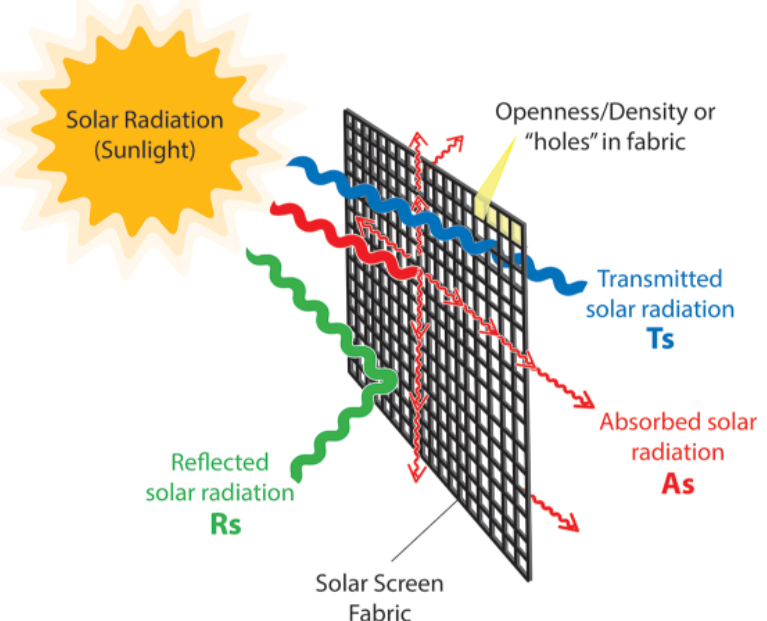
This has a secondary effect on the microclimate: humidity. By reducing the temperature and limiting air movement, a shade cloth can increase the relative humidity in the space beneath it. For some plants and in some climates, this is a benefit, as it reduces the rate of transpiration and helps plants conserve water. However, in already humid climates, this effect can be detrimental. High humidity coupled with low air circulation, creates an ideal breeding ground for fungal and bacterial diseases like powdery mildew and botrytis. This is why, as highlighted by agricultural suppliers, good crop ventilation is not just an accessory but a core component of a successful shading strategy. The choice of shade cloth density must always be considered in tandem with a plan for adequate airflow.
Step 3: Selecting the Right Material and Color
The conversation about shade cloth extends beyond the singular metric of density. The very substance of the fabric—its material composition, its structure, and its color—contributes significantly to its performance, durability, and its specific effects on plant growth.
Knitted vs. Woven: A Tale of Two Textiles
Commercially available shade cloth is typically produced in one of two distinct forms: knitted or woven. While both can be made from similar base materials, usually UV-stabilized high-density polyethylene (HDPE) or polypropylene, their construction method results in profoundly different characteristics.
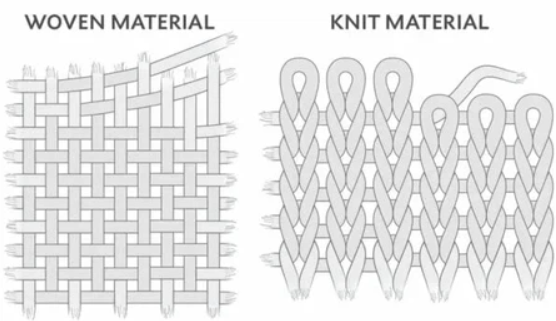
Knitted shade cloth is created with a lock-stitch pattern, much like a sweater. This construction gives the material a natural elasticity and, most importantly, makes it highly resistant to fraying, tearing, and unraveling. If a knitted cloth is punctured or cut, the damage remains localized. This is a significant practical advantage during installation and over the life of the product. Furthermore, the looped structure of the knit allows for greater air circulation, which helps to vent trapped heat and reduce the risk of humidity-related plant diseases. Its lighter weight also makes it easier to handle and install, especially over large areas. For most horticultural applications—greenhouses, high tunnels, and open-field row covers—knitted fabric is the superior and more common choice.
Woven shade cloth, by contrast, is constructed with a simple over-and-under pattern, like a traditional basket weave, using flat polypropylene tapes. This method produces a heavier, less flexible material. Its primary drawback is its tendency to fray badly along any cut edge unless it is properly hemmed or taped. A puncture can also lead to progressive unraveling under wind stress. While woven fabric is generally less expensive, its tighter weave restricts airflow more than a knitted fabric, potentially leading to greater heat buildup. Its dimensional stability and weight make it well-suited for applications where a flat, taut surface is desired, such as for privacy screens on fences, windbreaks, or as a ground cover for weed control.
The following table summarizes the key distinctions to guide your selection.
| Feature | Knitted Shade Cloth | Woven Shade Cloth |
|---|---|---|
| Construction | Lock-stitched monofilament threads | Interlaced flat polypropylene tapes |
| Durability | Resists fraying, tearing, and unraveling when cut or punctured. | Prone to fraying along cut edges; can unravel if damaged. |
| Air Circulation | Allows for better airflow, facilitating heat dissipation. | Restricts airflow, potentially leading to heat and humidity buildup. |
| Weight & Flexibility | Lighter, more flexible, and easier to install over structures. | Heavier, more rigid, and can be more cumbersome to handle. |
| Lifespan | Generally longer lifespan due to superior structural integrity. | Lifespan can be compromised by physical damage and fraying. |
| Primary Application | Greenhouses, nurseries, gardens, pergolas, crop protection. | Privacy screens, windbreaks, tennis courts, ground cover. |
The Color Conundrum: How Color Affects Plant Growth
The color of a shade cloth is not merely an aesthetic choice; it is a functional one that alters the quality of the light reaching the plants. Different colors selectively absorb, reflect, and transmit different wavelengths of the light spectrum, and plants are exquisitely sensitive to these spectral shifts. This phenomenon, known as photomorphogenesis, means that the color of your shade cloth can actively steer plant development.
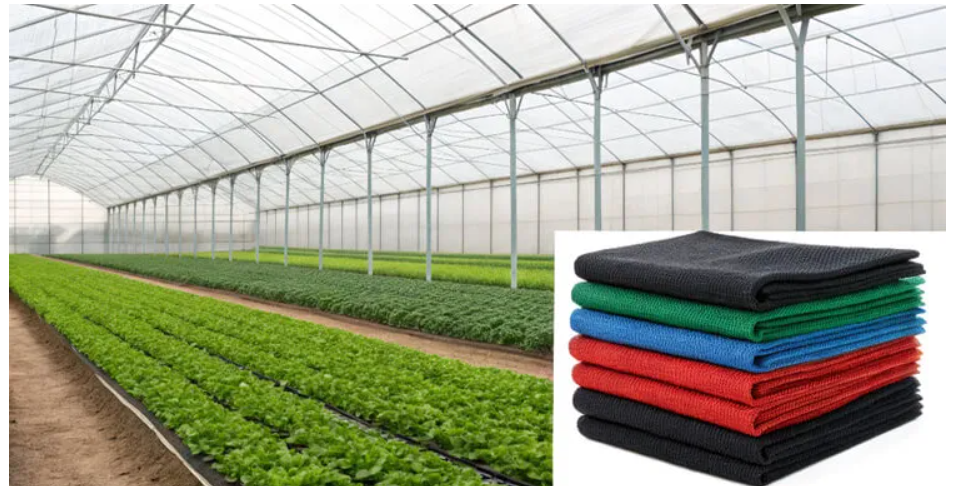
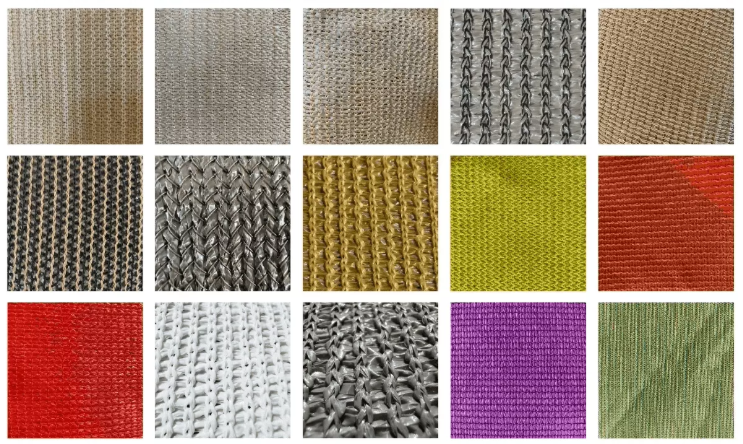
Black is the most common and widely used color for shade cloth. It functions as a neutral filter, reducing the intensity of light across the entire visible spectrum more or less equally. Its primary advantage is its effectiveness in providing shade and reducing temperatures. Because it absorbs a broad spectrum of light, it is an excellent all-purpose choice for general-purpose shading where the main goal is simply to reduce light intensity and heat load.
White shade cloth offers a fascinating alternative. While a white and a black cloth may have the same density percentage (meaning they block the same total amount of light), they achieve this in different ways. The white fabric reflects a much larger portion of the solar radiation, particularly in the infrared (heat) spectrum. This means that for a given shade density, the area under a white cloth will be noticeably cooler than the area under a black cloth. Additionally, the light that passes through a white cloth is more diffuse, or scattered. This diffused light can penetrate deeper into the plant canopy, illuminating lower leaves that would otherwise be shaded. This combination of cooler temperatures and more uniform light distribution can be particularly beneficial for flowering plants and sensitive ornamentals.
Colored shade cloths (such as red, blue, or green) represent a more advanced, targeted approach to crop management. These are often called “photoselective nets.”
- Red shade cloth, for instance, has been shown to promote vegetative growth, increasing leaf size and stem elongation in certain species. It enriches the red and far-red portions of the light spectrum, which can influence flowering and branching.
- Blue shade cloth can lead to more compact, stocky plants with shorter internodes and thicker leaves.
- Green shade cloth, which absorbs blue and red light while transmitting green light (which plants use least efficiently for photosynthesis), can delay flowering in some plants. The use of photoselective nets is a more specialized field, often requiring crop-specific research, but it demonstrates the profound level of control that is possible by considering the interplay of light color and plant biology.
The Importance of UV Stabilization
Perhaps the most significant factor determining the longevity of a shade cloth is its resistance to ultraviolet (UV) radiation. The sun’s UV rays are relentlessly destructive to polymers like polyethylene and polypropylene. An untreated fabric exposed to the sun will become brittle, lose its strength, and disintegrate in as little as a single season.
High-quality shade cloth is manufactured with UV-inhibiting additives blended directly into the resin before it is extruded into threads. This process ensures that the UV protection is integral to the material, not just a surface coating that can wear off. Reputable manufacturers will specify the expected lifespan of their products, often ranging from 5 to 10 years or more, depending on the quality of the UV stabilization package and the geographical location of its use. When purchasing shade cloth, it is imperative to verify that it is UV-stabilized. While a non-stabilized fabric may be cheaper initially, its rapid degradation makes it a poor investment and an unreliable form of protection for your valuable crops. This is a non-negotiable feature for any serious horticultural application.
Step 4: Installation and Structural Considerations
A roll of the finest shade cloth is of little use until it is properly deployed. The process of installation is not an afterthought; it is integral to the fabric’s performance and longevity. A poorly installed cloth will not provide uniform shade, will be vulnerable to damage from wind and weather, and may even pose a risk to the structure it covers. A thoughtful installation plan considers the support structure, the method of attachment, and the absolute necessity of ventilation. It transforms the shade cloth from a passive sheet of material into a dynamic, functional component of your growing system.
Designing Your Shade Structure
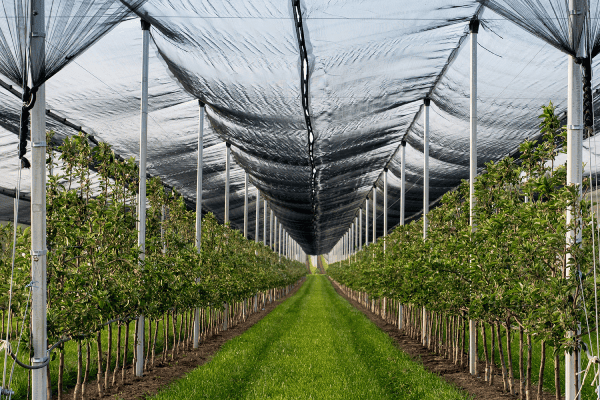
The method of support for your shade cloth will depend on the scale and permanence of your application. The structure’s primary function is to hold the cloth taut and secure, preventing it from flapping in the wind (which causes abrasion) or sagging under the weight of rain or debris.
For small gardens or individual rows, a simple and effective solution can be constructed from PVC pipes or metal hoops bent over the growing area, creating low tunnels. The shade cloth is then draped over these hoops and secured at the edges. This is an inexpensive and flexible system that can be easily set up and taken down as the seasons change.
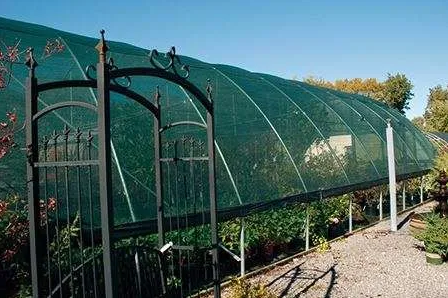
For larger areas, such as entire gardens or patios, a more permanent structure may be required. This could involve setting sturdy wooden or metal posts at the corners of the area and running high-tensile wire cables between them. The shade cloth is then attached to these cables. This method ensures the cloth is held under even tension, creating a smooth, professional appearance and maximizing its wind resistance.
In the context of a greenhouse or high tunnel, the existing frame of the structure serves as the primary support. The shade cloth can be installed either on the exterior or the interior of the glazing. An external installation is generally more effective for temperature reduction, as it blocks the solar radiation before it can enter and heat the greenhouse interior. An internal installation protects the cloth from the elements but is less effective at cooling, as the heat has already passed through the glazing. For the ultimate in control, automated, retractable shade systems can be installed inside the greenhouse, allowing for precise, responsive management of light levels. Whatever structure you choose, ensure it is engineered to withstand not only the weight of the cloth but also the significant forces exerted by wind.
Securing the Cloth: Best Practices for a Long Lifespan
How you attach the shade cloth to its support structure is critically important. The goal is to distribute the stress evenly across the fabric’s edge rather than concentrating it in a few points.
The most common and effective method involves using specialized shade cloth clips or fasteners. These are small plastic devices that clamp onto the edge of the fabric, providing a secure point of attachment without piercing the material. Many have a hole through which rope or wire can be passed to tie the cloth to the support structure.
If your shade cloth comes with factory-installed grommets (reinforced metal eyelets) along the edges, these should be used as the primary attachment points. It is good practice to run a rope or bungee cord through all the grommets along one edge, rather than tying off each grommet individually. This “lacing” technique helps to spread the load more evenly and provides some shock absorption during wind gusts.
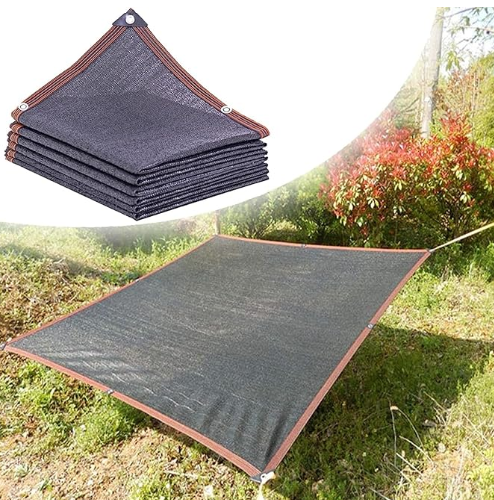
One should avoid at all costs puncturing the body of the fabric with nails, staples, or screws. Each puncture creates a weak point that can easily tear and propagate under stress. If you need to cut the fabric to size, a knitted material is highly recommended, as it will not fray. For woven materials, the cut edge must be folded over and hemmed, or sealed with a hot knife to prevent it from unraveling. A securely fastened, tautly stretched shade cloth will last many years longer than one that is allowed to flap and abrade against its supports. For unique projects with non-standard dimensions, sourcing a custom netting solution can provide a product that is perfectly sized and finished with reinforced edges, greatly simplifying the installation process.
Ventilation is Not an Option, It’s a Necessity
We must return to the vital topic of air circulation. Covering a growing area with shade cloth fundamentally alters its relationship with the surrounding atmosphere. While it effectively blocks sunlight, it can also trap air, leading to a buildup of heat and humidity. Without adequate ventilation, the “cool” shade you intended to create can become a sweltering, stagnant pocket of air that is more hostile to plant life than the full sun.
Your installation design must actively promote airflow. If you are covering a greenhouse or high tunnel, ensure that you have functional side vents, roof vents, or large end-wall doors that can be opened. The combination of shade and active ventilation is what truly creates a cooler, healthier environment. If you are building a freestanding shade structure, do not enclose it on all sides. Orient the structure to take advantage of prevailing breezes. Consider leaving a gap of several inches to a foot between the edge of the shade cloth and any adjacent walls or roofs to allow hot air to escape.
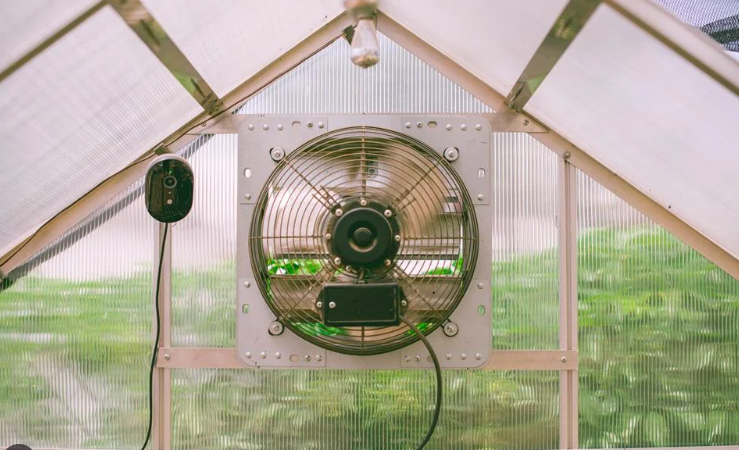
Think of your shade structure as a living system that needs to breathe. The goal is not to seal the plants off from the world, but to moderate their environment. The gentle movement of air under the shade cloth is just as important as the shade itself. It wicks away excess humidity from the leaf surfaces, replenishes the carbon dioxide needed for photosynthesis, and prevents the buildup of stifling heat. A well-ventilated shade structure is a sign of a grower who understands the holistic nature of plant health.
Step 5: Monitoring, Adjusting, and Long-Term Management
The installation of a shade cloth is not the final act in the process of environmental control; it is the beginning of a new phase of observation and response. Plants are not static objects; they are dynamic living systems that provide constant feedback on their well-being. The true art of cultivation lies in learning to read this feedback and making intelligent adjustments. Your role as a grower evolves into that of a steward, one who manages the shaded environment through careful monitoring, seasonal adaptation, and proper maintenance of the tools at hand. This ongoing process ensures that your investment in shade cloth continues to yield benefits for years to come.
Reading the Leaves: Observing Your Plants for Feedback
Your plants are the ultimate sensors, providing the most accurate data on whether your shading strategy is successful. You must learn to interpret their silent language.
Signs of excessive light or heat (indicating a need for more shade or a higher density):
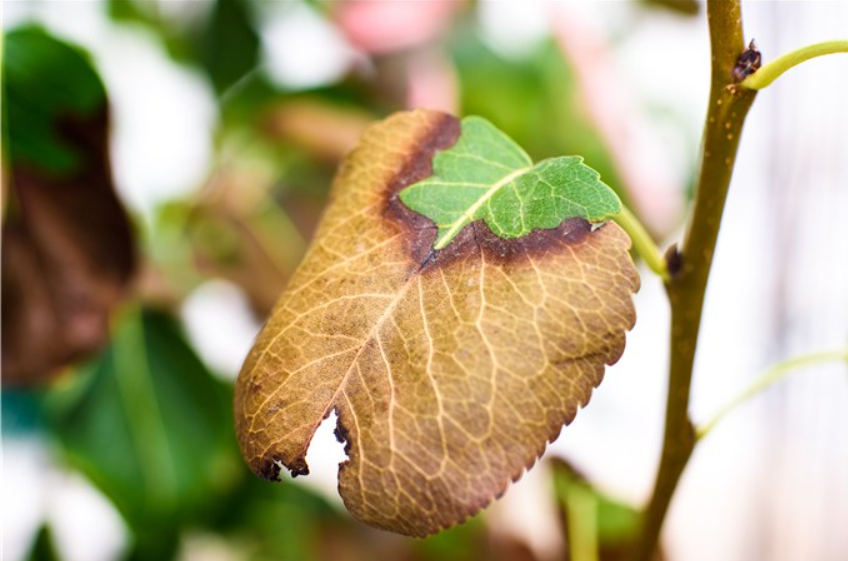
- Wilting: If plants are wilting during the hottest part of the day, even when the soil is moist, they are losing water through transpiration faster than their roots can absorb it. This is a classic sign of heat stress.
- Leaf Scorch or Sunburn: This appears as white, yellow, or brown patches on the leaves, particularly on the parts most exposed to the sun. The tissue in these areas has been killed by a combination of high temperatures and intense radiation.
- Leaf Curling or Cupping: Some plants will curl their leaves inward or downward in an attempt to reduce the surface area exposed to the sun.
- Bleached or “Washed-Out” Color: A general paling of the foliage can indicate that the chlorophyll is being destroyed by excessive light (photo-oxidation).
Signs of insufficient light (indicating a need for less shade or a lower density):
- Etiolation or “Leggy” Growth: Plants will stretch toward a light source, resulting in abnormally long, thin stems with wide spacing between leaves. This is a clear sign they are not receiving enough light energy.
- Pale Green or Yellowish Foliage: A lack of light inhibits chlorophyll production, leading to a weak, anemic appearance.
- Poor Flowering or Fruiting: Photosynthesis provides the energy for reproduction. If light is limited, plants may fail to produce flowers, or they may drop their flowers and fruit prematurely.
- Leaning: The entire plant may lean dramatically in one direction, craning its leaves toward the strongest available light source.
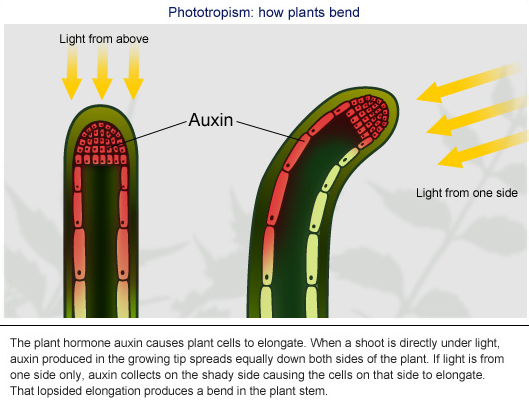
Regularly walking through your garden or greenhouse and making these observations is a fundamental practice. This visual assessment is more valuable than any light meter because it reflects the plant’s integrated experience over time.
The Art of Adaptation: When to Add, Remove, or Change Density
A successful grower is not rigid but adaptable. The needs of your plants and the intensity of the environment change over the course of the growing season, and your shading strategy should change along with them.
For many, this means that shade cloth is a seasonal tool. It might be installed in late spring as temperatures begin to climb and sun intensity increases, and then removed in early autumn when the weather cools. This simple act of seasonal application and removal can be sufficient for many garden crops.
A more nuanced approach might involve using different densities at different times. A commercial nursery, for example, might use a 40% cloth to protect young plants in the spring, switch to a 60% cloth during the peak of summer, and then revert to the 40% cloth in the fall. This requires more labor but allows for a finer degree of control over the growing environment.
The decision to change your shading strategy should be driven by your observations. Are your spring seedlings looking a bit pale and leggy under the 50% cloth you used last summer? Perhaps you should wait a few more weeks to install it, or start with a 30% density instead. Are your heat-loving peppers failing to set fruit under a 60% shade? It may be that you have been too aggressive with your shading, and a switch to a 40% density would provide the extra energy they need. This process of observation, hypothesis, and adjustment is the essence of skilled horticulture. It is a continuous dialogue between the grower, the plants, and the environment.
Care and Storage for Maximum Longevity
A high-quality, UV-stabilized shade cloth is a significant investment, and proper care can double its useful lifespan. The enemies of shade cloth are abrasion, prolonged contact with chemicals, and improper storage.
At the end of the growing season, before storing the cloth, it is wise to clean it. Remove any accumulated leaves and debris. If there is soil or algae on the fabric, it can be washed with a mild soap and a soft brush, then rinsed thoroughly with clean water. Avoid using harsh detergents, bleach, or any petroleum-based solvents, as these can degrade the UV stabilizers and the fabric itself.
The most important step is to ensure the cloth is completely dry before it is stored. Folding or rolling a damp cloth creates a perfect environment for mold and mildew to grow, which can stain and weaken the material.
When storing the cloth, the best practice is to roll it smoothly around a rigid core, such as a PVC pipe. This prevents the formation of sharp creases, which can become weak points in the fabric over time. Avoid folding it into a tight square. The rolled cloth should then be stored in a location where it is protected from sunlight, moisture, and rodents, which have been known to chew on the material for nesting. A dry shed, garage, or barn is an ideal location. Taking these simple steps at the end of each season will ensure that your shade cloth is ready to perform its vital function year after year, making it a truly sustainable part of your cultivation toolkit.
Frequently Asked Questions (FAQ)
1. Can I use a higher density shade cloth than recommended for my plants?
You can, but it comes with risks. Using a significantly higher density than recommended (e.g., 80% for a plant that needs 50%) will drastically reduce the amount of light available for photosynthesis. This can lead to weak, leggy growth, poor flowering and fruiting, and an overall decline in plant health. While it will certainly reduce heat, it may do so at the cost of starving your plant of the light energy it needs to thrive. It is generally better to start with the recommended density and only increase it if you observe signs of light or heat stress.
2. What color shade cloth is best for growing vegetables?
For general-purpose vegetable gardening, black shade cloth is the most common and reliable choice. It provides neutral shade, reducing light intensity across the spectrum without significantly altering the light quality. It is effective and predictable. White shade cloth can also be an excellent option, particularly in very hot climates, as it reflects more heat and keeps the ambient temperature cooler underneath. It also diffuses light, which can benefit leafy greens by illuminating the lower canopy.
3. How do I measure the right amount of shade cloth for my greenhouse?
First, measure the length and width of the area you intend to cover. For a simple hoop house or a flat-roof structure, you would measure the length of the structure and the distance over the arch from ground to ground (or edge to edge). It is always wise to add at least 6-12 inches to each dimension to allow for proper fastening and tensioning. For a pitched-roof greenhouse, you will need to measure each roof plane separately (length x rafter length) and any walls you intend to cover. Always double-check your measurements before ordering.
4. Does shade cloth offer any protection from frost?
Yes, to a limited extent. On a clear, cold night, a layer of shade cloth can trap a small amount of radiant heat escaping from the ground, potentially keeping the temperature under the cloth 1-3°C (2-5°F) warmer than the surrounding air. This can be enough to protect tender plants from a light, early-season frost. However, it does not provide the same level of insulation as a dedicated frost blanket or row cover and will not be effective against a hard freeze.
5. How long does good quality, UV-stabilized shade cloth last?
The lifespan depends on the quality of the UV inhibitors, the material (knitted generally lasts longer than woven), and the intensity of the sun in your location. A high-quality knitted shade cloth from a reputable manufacturer can be expected to last anywhere from 7 to 12 years with proper care and seasonal storage. A lower-quality or non-stabilized fabric may last only 1-2 seasons.
6. Is shade cloth waterproof?
No, standard shade cloth is not waterproof. Both knitted and woven varieties are designed to be permeable to allow for air circulation and to let rain pass through. This prevents water from pooling on the surface, which would add significant weight and could damage both the cloth and its support structure. If you require a waterproof cover, you should look for a different material, such as a coated polyethylene or vinyl tarp.
7. Can I layer two different shade cloths to increase the density?
Yes, you can layer shade cloths. However, the resulting shade percentage is not simply additive. For example, layering two 50% shade cloths does not create 100% shade. The first layer blocks 50% of the light, and the second layer blocks 50% of the remaining light. The calculation is: Total Light Blocked = 1 – [(1 – Density1) x (1 – Density2)]. For two 50% cloths: 1 – [(1 – 0.50) x (1 – 0.50)] = 1 – [0.50 x 0.50] = 1 – 0.25 = 0.75, or 75% shade. Layering can be a useful strategy for temporarily increasing shade during a heatwave.
8. What is the difference between shade cloth and a plastic tarp?
The primary difference is permeability. Shade cloth is a mesh fabric designed to be permeable to air and water. Its main purpose is to reduce light and temperature while maintaining a healthy growing environment. A plastic tarp is a solid, non-permeable sheet. It is completely waterproof and blocks all air movement. Using a tarp to shade plants is generally a bad idea, as it will trap immense heat and humidity, effectively cooking the plants underneath.
Final
The selection of the correct shade cloth density is a process rooted in observation, understanding, and responsive action. It is an endeavor that calls upon the grower to become a student of both plant biology and environmental science.
We began by asserting the need for an empathetic understanding of a plant’s world—its specific requirements for light and its vulnerability to the excesses of the sun. This understanding, grounded in the particulars of species and place, forms the essential foundation for any decision.
From there, we can engage with the technical specifications of the tool itself, decoding the meaning of density percentages and appreciating the subtle but significant influences of material and color.
The journey does not end with a purchase or an installation; it continues in the daily practice of monitoring and the seasonal rhythm of adaptation. The plants themselves, through their growth, color, and posture, provide the most truthful assessment of our efforts.
Learning to read their feedback and to adjust our strategy accordingly is what elevates cultivation from a mechanical task to a thoughtful craft. The fabric is more than just a shield; it is an instrument used to compose a microclimate, a tool that, when wielded with knowledge and care, allows us to foster flourishing in conditions that might otherwise be hostile.
The successful use of shade cloth is, in the end, a testament to a grower’s ability to create a pocket of moderation and stability in a world of constant change.