
Falls from elevation remain a leading cause of fatalities in the construction industry, posing a significant and persistent risk to workers. This guide provides a comprehensive examination of the Occupational Safety and Health Administration (OSHA) standards for fall protection,

specifically targeting contractors and site supervisors. The analysis centers on the five core requirements for establishing and maintaining OSHA-compliant fall protection systems for the year 2025 and beyond.
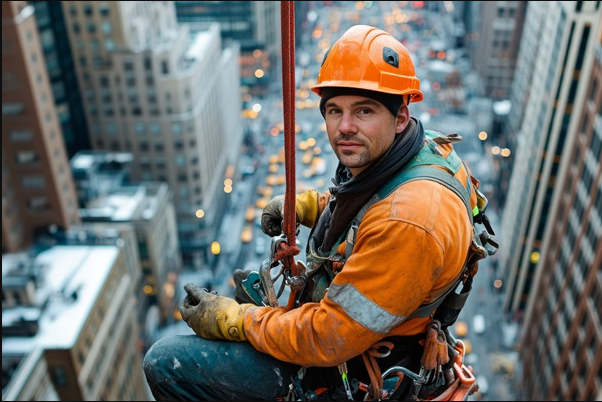
It methodically deconstructs the process of hazard identification, the selection and implementation of appropriate systems such as guardrails, safety nets, and personal fall arrest systems (PFAS),
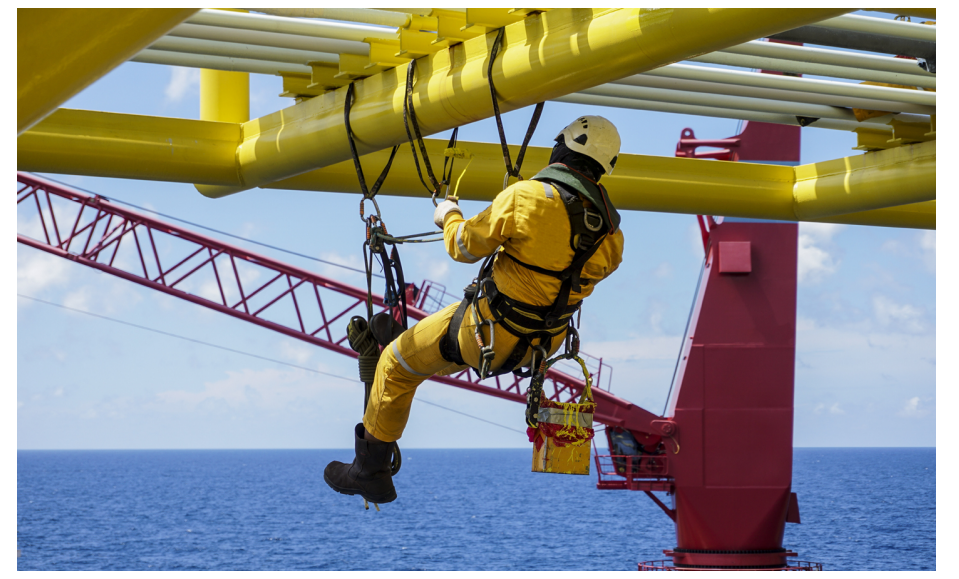
and the administrative pillars of compliance, including equipment inspection, worker training, and rescue planning. The document synthesizes regulatory language with practical application, offering a detailed framework for mitigating fall hazards. By exploring the technical specifications, legal obligations, and ethical imperatives of fall safety, this guide serves as an essential resource for contractors seeking to foster a culture of safety, prevent injuries and fatalities, and ensure full regulatory compliance on their worksites.
Key Takeaways
- Always conduct a site-specific fall hazard assessment before work begins.
- Select conventional fall protection based on the hierarchy of controls.
- Ensure a competent person oversees the implementation of fall protection.
- Train all exposed workers to recognize hazards and use equipment properly.
- Develop a written rescue plan for any worker using a personal fall arrest system.
- Implement OSHA-compliant fall protection systems to prevent injuries and fines.
- Inspect all fall protection components before each use for signs of damage.
Understanding the Gravity: Why Fall Protection is Paramount in Construction
Before we delve into the technical specifications and legal mandates that define modern fall protection, it is necessary to pause and contemplate the human reality these regulations are designed to address.
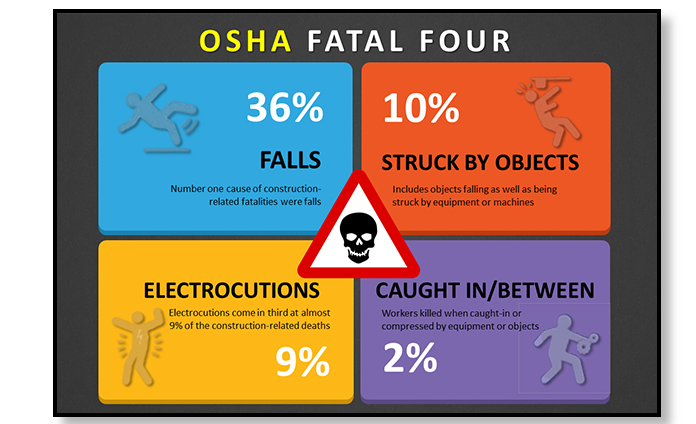
The rules set forth by the Occupational Safety and Health Administration are not arbitrary bureaucratic hurdles; they are life-saving measures born from decades of tragedy. Falls are the leading cause of death in the construction industry, a stark fact that has remained stubbornly consistent for years (OSHA, 2017). Each statistic represents a person—a colleague, a family member, a member of a community—whose life was cut short by a preventable event. To approach fall protection merely as a matter of compliance is to miss the profound ethical responsibility that every contractor holds. The true goal is not to avoid a citation but to ensure every worker returns home safely at the end of every shift.
The Human Cost: Statistics and Stories
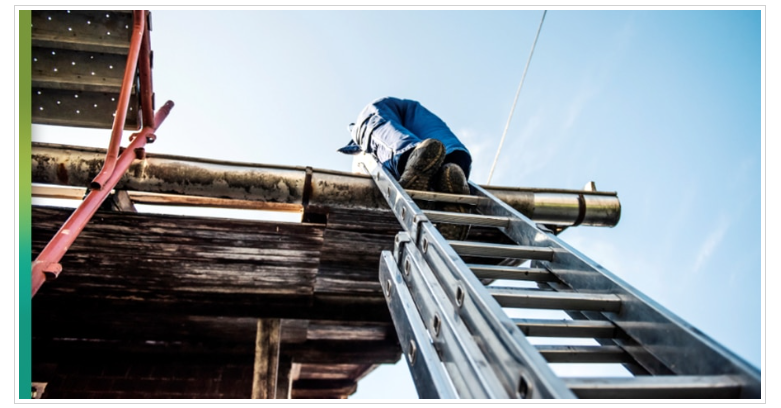
The numbers are sobering. Year after year, the Bureau of Labor Statistics reports that falls from elevation account for more than one-third of all fatalities in the construction sector. Think about that for a moment. In an industry filled with heavy machinery, electrical hazards, and countless other risks, the simple act of succumbing to gravity is the single greatest killer. These are not just numbers on a page. They are stories of falls from roofs, scaffolds, and ladders. They are incidents that occur on both large commercial projects and small residential jobs. The common thread is a moment in time when a proper safety measure could have made the difference between a minor incident and a fatal one.
Beyond the fatalities, tens of thousands of workers suffer serious, often life-altering injuries from falls each year. A fall of just ten or twelve feet can result in debilitating fractures, spinal cord injuries, or traumatic brain injuries. The consequences extend far beyond the physical pain, leading to lost wages, immense medical debt, and a diminished quality of life for the worker and their family. The ripple effect of a single fall can destabilize a family’s financial and emotional well-being for years. Understanding this human dimension is the first and most important step in developing a robust safety culture on any job site. It transforms the abstract requirement for an “OSHA-compliant fall protection system” into a tangible commitment to protecting lives.
The Legal and Financial Ramifications of Non-Compliance
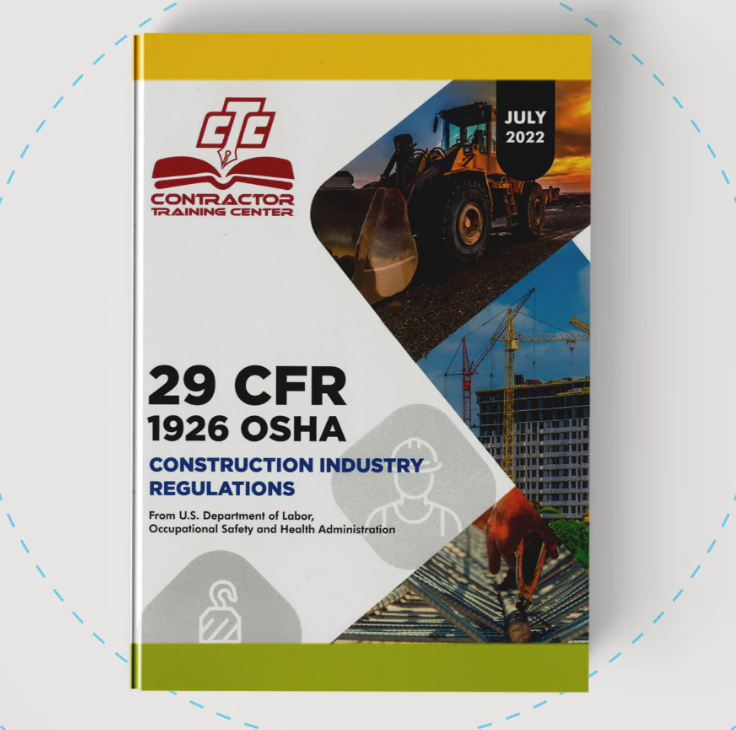
While the human cost is the most compelling reason to prioritize fall safety, the legal and financial consequences of non-compliance are significant and can be crippling for a contracting business. OSHA’s standards, particularly Subpart M (Fall Protection) of the construction standards (29 CFR 1926), are not mere suggestions.
They are federal law. Failure to comply can result in substantial penalties.
OSHA penalties are categorized by severity, with “Serious” and “Willful” violations carrying the heaviest fines. A “Serious” violation, where a workplace hazard could cause an accident that would most likely result in death or serious physical harm, can result in fines of over $15,000 per violation. A “Willful” violation—one committed with intentional, knowing, or voluntary disregard for the law’s requirements, or with plain indifference to employee safety—can result in fines exceeding $150,000 per violation. If a willful violation leads to the death of an employee, it can lead to criminal prosecution.

Consider the financial impact of a single incident. A fall investigation that uncovers multiple violations—improper guardrails, lack of training, no personal fall arrest systems—could easily result in six-figure penalties.
But the direct fines from OSHA are often just the beginning. The indirect costs can be even more substantial. These include increased workers’ compensation insurance premiums, legal fees, project delays, damage to equipment, and the cost of hiring and training replacement workers. Perhaps most damaging is the reputational harm. A contractor known for safety violations will find it increasingly difficult to bid on projects, attract skilled labor, and maintain client trust. In a competitive market, a poor safety record is a significant business liability.
OSHA’s Role and the General Duty Clause
The Occupational Safety and Health Administration was established in 1970 with a clear mandate: to ensure safe and healthful working conditions for workers by setting and enforcing standards and by providing training, outreach, education, and assistance .
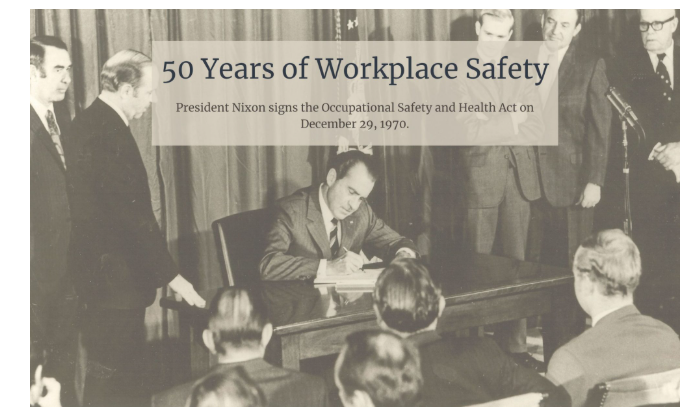
OSHA’s authority is rooted in the Occupational Safety and Health Act of 1970. For the construction industry, OSHA provides a detailed set of regulations under 29 CFR 1926.
Within these regulations, Subpart M is the cornerstone of fall protection requirements. It specifies when fall protection is needed and what types of systems are acceptable. However, one of the most powerful tools in OSHA’s arsenal is Section 5(a)(1) of the OSH Act, commonly known as the General Duty Clause. This clause states that each employer “shall furnish to each of his employees employment and a place of employment which are free from recognized hazards that are causing or are likely to cause death or serious physical harm to his employees.”
What does this mean in practice? It means that even if a specific standard does not exist for a particular hazardous situation, employers still have a legal obligation to protect their workers from it if it is a “recognized hazard.” Falls from heights are unequivocally a recognized hazard in the construction industry. Therefore, even in a scenario not explicitly covered by a line item in Subpart M, a contractor has a general duty to provide protection. This clause serves as a catch-all, reinforcing the principle that safety is a fundamental employer responsibility, not just a matter of checking boxes on a list of specific rules. It underscores the expectation that contractors will proactively identify and mitigate risks, rather than waiting for a specific regulation to compel them to act.
Requirement 1: Conducting a Thorough Fall Hazard Assessment
The foundation of any effective safety program, and the first legal and practical requirement for fall protection, is the identification of hazards. One cannot protect workers from risks that have not been recognized. A fall hazard assessment is not a one-time event or a generic document.
It is a dynamic, site-specific process of systematically examining the worksite to determine where employees could be exposed to falls from elevation. This process must be undertaken before employees are exposed to any fall hazards and must be re-evaluated as site conditions change. The goal is to move from a reactive posture—responding to falls after they happen—to a proactive one where falls are engineered out of the work process or controlled before they can occur.
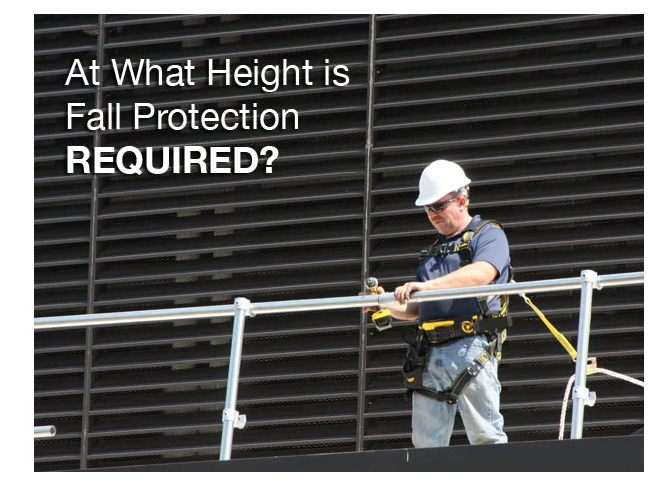
The Six-Foot Rule: When is Fall Protection Required?
One of the most fundamental tenets of OSHA’s construction fall protection standard is what is commonly known as the “six-foot rule.” Found in 29 CFR 1926.501(b)(1), this regulation states that each employee on a walking/working surface with an unprotected side or edge which is 6 feet (1.8 m) or more above a lower level shall be protected from falling by the use of guardrail systems, safety net systems, or personal fall arrest systems.
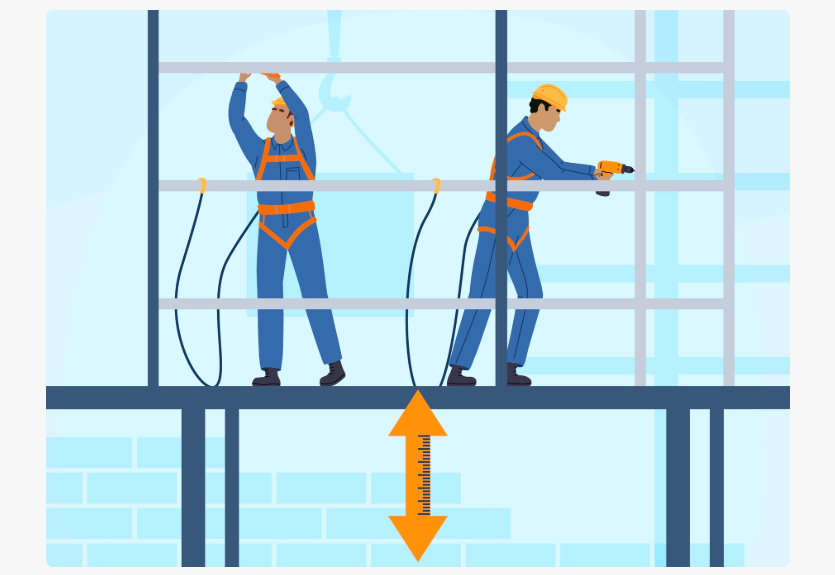
This rule is the primary trigger for implementing fall protection in general construction activities. It sets a clear, non-negotiable threshold. It does not matter if the work is expected to be brief or if the worker feels comfortable with the height. If the potential fall distance is six feet or greater to a lower level, protection is required. Lower levels can include the ground, the floor below, water, machinery, or any other surface or object that a worker could land on.
It is important to understand that this six-foot trigger applies to “walking/working surfaces.” However, OSHA has different height triggers for specific activities, which often cause confusion. A clear understanding of these distinctions is necessary for full compliance.
| Work Activity | OSHA Standard | Fall Protection Trigger Height |
|---|---|---|
| General Construction (Walking/Working Surfaces) | 1926.501(b)(1) | 6 feet |
| Scaffolding | 1926.451(g)(1) | 10 feet |
| Steel Erection | 1926.760(a)(1) | 15 feet |
| Working over Dangerous Equipment | 1926.501(b)(8) | Any height |
As the table illustrates, while the six-foot rule is the general standard, a worker on a scaffold is not required to have fall protection until they are more than 10 feet above the lower level. A steel erector connecting beams may not need it until a height of 15 feet. Critically, if a worker is performing tasks above hazardous equipment—such as open vats of acid, degreasers, or machinery with moving parts—fall protection is required regardless of the fall height. The risk is not just the fall itself, but what the worker could fall into. A thorough hazard assessment demands awareness of these specific standards, not just the general six-foot rule.
Identifying Fall Hazards: A Systematic Approach
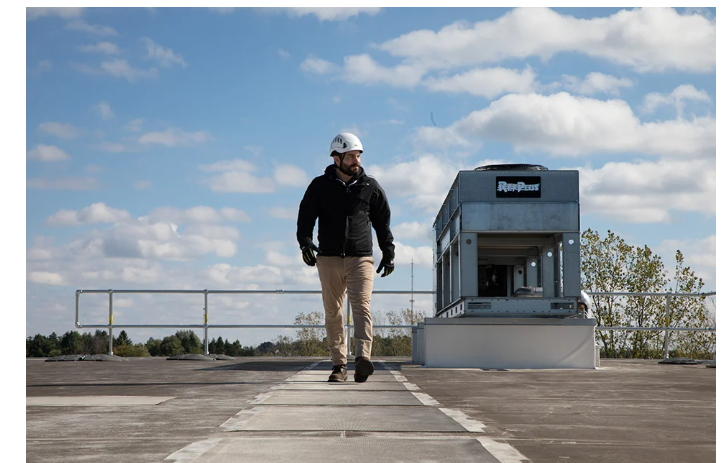
A systematic hazard assessment involves more than a casual glance at the job site. It requires a methodical “walk-around” with the specific intent of seeing the site through the lens of fall risk. This should be conducted by a “competent person” (a role we will explore in detail later) who has the knowledge to identify hazards and the authority to correct them.
Imagine you are that competent person. Your process should include looking for:
- Unprotected Edges and Openings: This is the most obvious hazard. Look for any open-sided floor, roof, platform, or runway. Pay close attention to floor holes, such as those for skylights, stairwells, or mechanical chases. Any hole larger than 2 inches by 2 inches must be covered or protected.
- Roofing Work: Every roof has edges. Are they protected? What about access points like hatches and skylights? Low-slope roofs and steep-slope roofs have different rules and present different challenges.
- Wall Openings: Openings in walls, such as those for windows or material chutes, where the bottom edge is less than 39 inches from the walking surface and the potential fall is 6 feet or more, must be protected.
- Excavations: Workers at the edge of a trench or excavation deeper than 6 feet need protection from falling in. This is often overlooked.
- Formwork and Reinforcing Steel: When erecting formwork or working on top of vertical rebar, workers are often exposed to fall hazards that require specialized solutions.
- Ladders and Scaffolds: Are ladders being used correctly? Are scaffolds fully planked and decked, with proper access and guardrails? As noted, scaffolds have their own 10-foot rule.
- Access and Egress: How are workers getting to their work areas at height? Are they climbing structures not intended for access or using unsafe makeshift ladders?
This assessment is not just about finding the hazards but also about considering the nature of the work being performed. Is the work dynamic? Are workers moving materials that could cause them to lose their balance?

Is the weather a factor (e.g., wind, ice)? The assessment must account for the real-world conditions of the job.
Documenting the Assessment: Creating a Site-Specific Fall Protection Plan
For many situations, simply identifying a hazard and implementing a conventional system like a guardrail is sufficient. However, for certain types of work where conventional systems are infeasible or create a greater hazard, OSHA requires a written, site-specific fall protection plan under 1926.502(k).
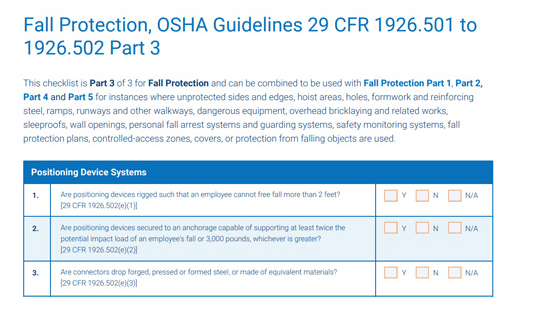
This is most common in activities like leading-edge work, precast concrete erection, and residential construction.
Even when not explicitly required by the standard, creating a written plan is a best practice that demonstrates due diligence and provides clarity for everyone on site. A good plan functions as a blueprint for safety.
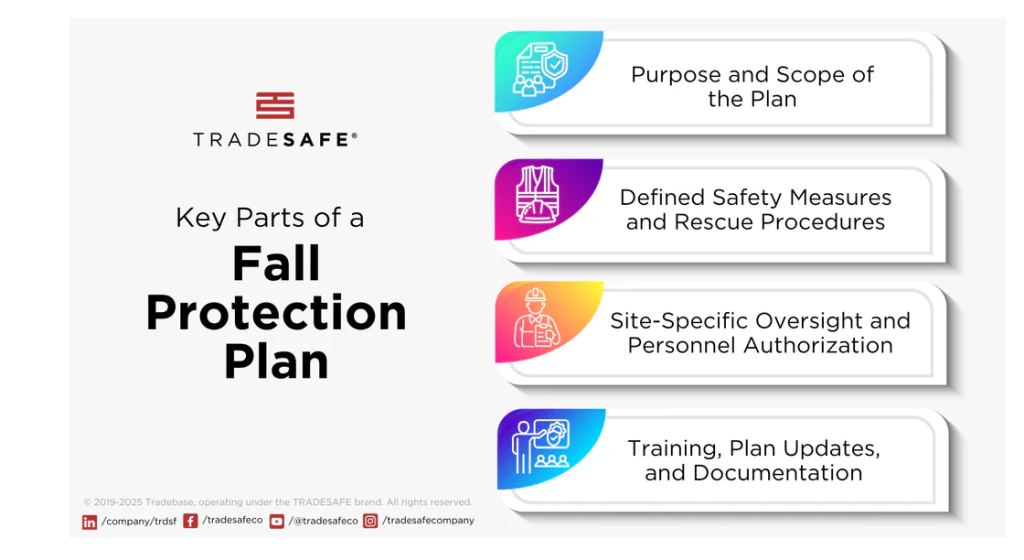
It should be prepared by a “qualified person” (an individual with a recognized degree, certificate, or professional standing, or who by extensive knowledge, training, and experience, has successfully demonstrated the ability to solve problems relating to the subject matter) and should include:
- Statement of Policy: A clear declaration of the contractor’s commitment to fall safety.
- Hazard Identification: A detailed description of the specific fall hazards identified at the site. This should be a direct output of your assessment.
- Methods of Protection: A clear explanation of the fall protection methods that will be used for each identified hazard. If you are using a non-conventional system like a safety monitoring system, you must document why conventional systems (guardrails, nets, PFAS) are not feasible.
- Correct Implementation Procedures: Detailed instructions on how to install, use, and inspect the chosen systems. For example, if using a personal fall arrest system, the plan should specify anchorage points, clearance calculations, and rescue procedures.
- Training: A section confirming that all exposed employees have been trained on the hazards and the specific procedures outlined in the plan.
- Accident Investigation: A procedure for investigating any fall incidents to identify the root cause and prevent recurrence.
This document should be kept on-site and should be a living document, updated whenever conditions or work tasks change. It is not a form to be filled out and filed away; it is a critical operational tool.
The Hierarchy of Fall Protection Controls
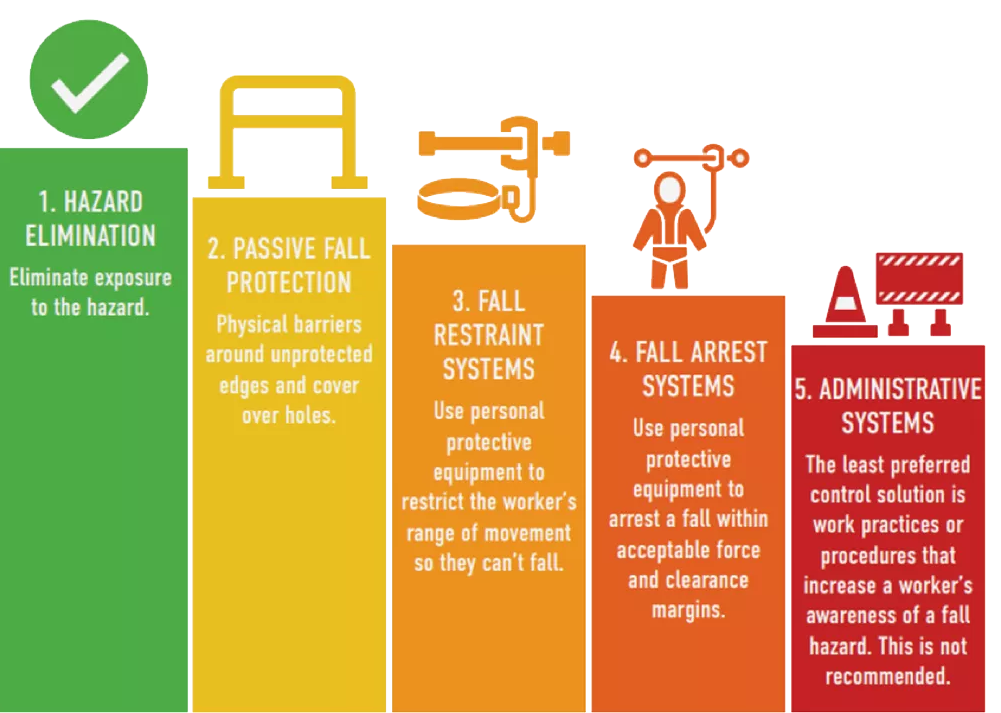
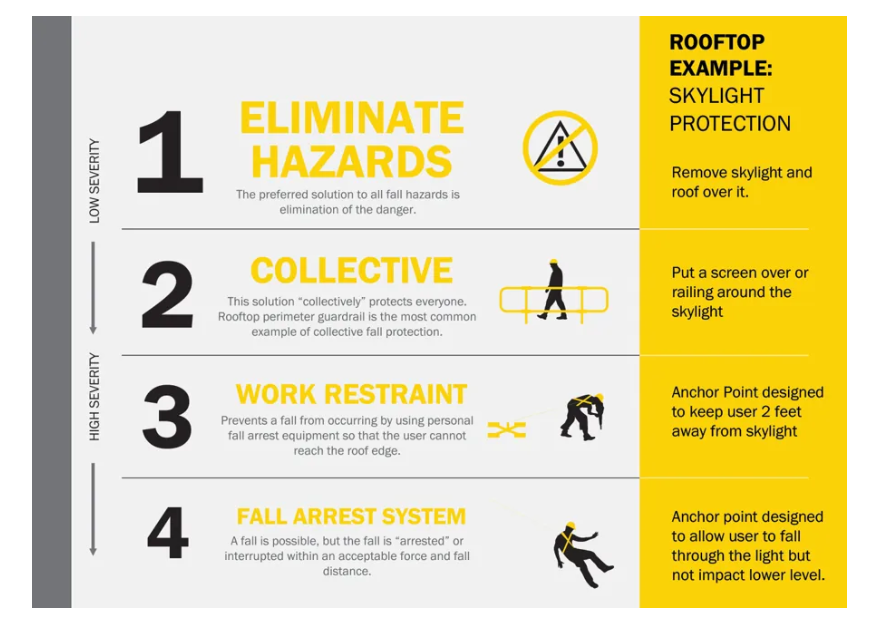
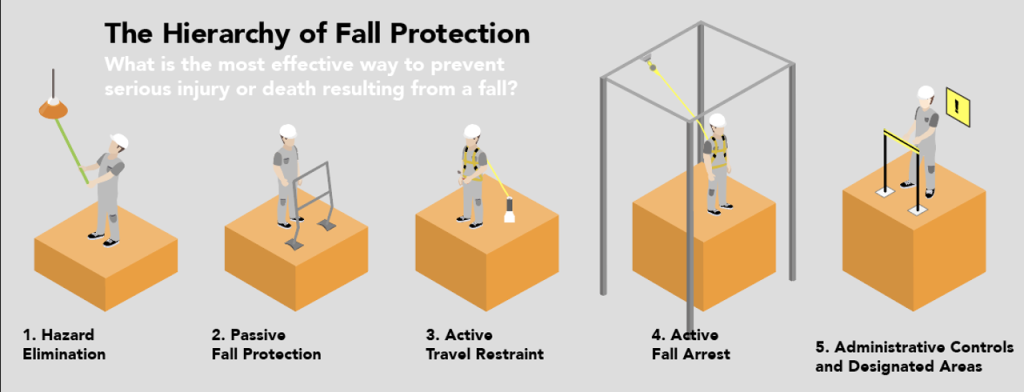
A core concept in all of safety management, and one that should guide your hazard assessment and system selection, is the hierarchy of controls. This framework prioritizes safety strategies from most effective to least effective. When evaluating a fall hazard, you should always consider solutions in this order:
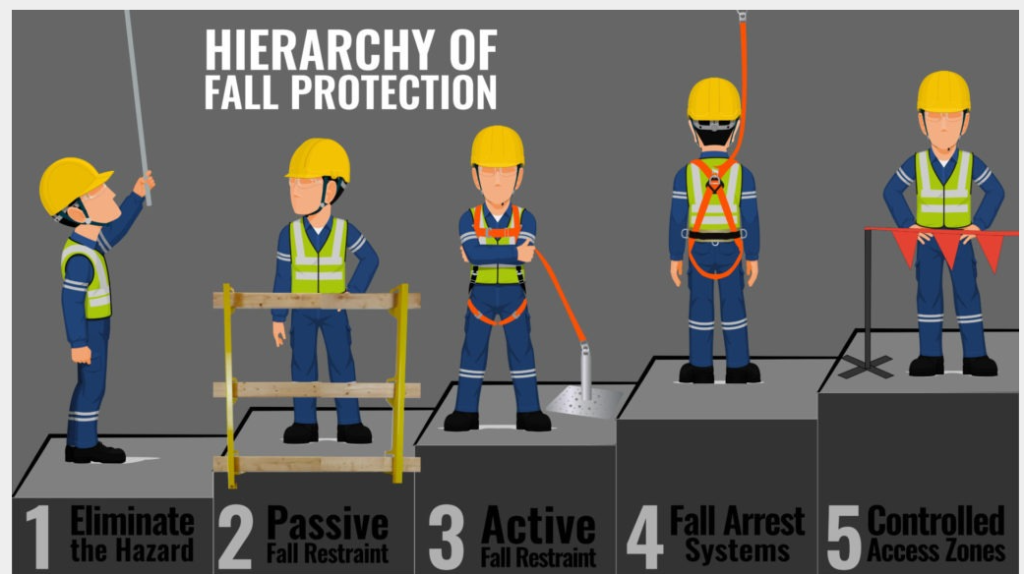
- Elimination: The most effective control is to physically eliminate the hazard. Can the work be redesigned so that it doesn’t need to be performed at height? For example, can components be assembled on the ground and then lifted into place? This completely removes the risk of a fall.
- Passive Protection (Collective Protection): If the hazard cannot be eliminated, the next best option is to use a passive or collective system that protects all workers without requiring their active participation. Guardrails and safety nets are the prime examples. Once correctly installed, they protect any worker in the area without them needing to wear special equipment or take special action.
- Fall Restraint: This is an active system that prevents a worker from reaching a fall hazard. It typically consists of a body harness, a lanyard of a specific length, and an anchor point. The system is set up so that the lanyard is short enough that the worker physically cannot step over the unprotected edge. They are “restrained” from falling.
- Fall Arrest: This is also an active system, but it does not prevent a fall. It is designed to “arrest” or stop a fall after it has already begun. A Personal Fall Arrest System (PFAS) is the most common example. While life-saving, it is considered less effective than elimination or passive protection because it exposes the worker to the significant forces of a fall arrest and creates the need for a rescue.
- Administrative Controls: These are the least effective controls and rely entirely on human behavior. They include work procedures, safety monitoring systems, and warning lines. They do not provide a physical barrier or stop a fall. They are only allowed when other, more effective methods are infeasible.
Your hazard assessment should always aim to implement a solution from as high up on this hierarchy as possible. The primary goal should always be to prevent the fall from ever happening.
Requirement 2: Selecting and Implementing Conventional Fall Protection Systems
Once the hazard assessment is complete and you have identified where falls of six feet or more are possible, the next requirement is to select and correctly implement an appropriate fall protection system. OSHA’s Subpart M outlines three primary “conventional” systems: guardrail systems, safety net systems, and personal fall arrest systems (PFAS).
The term “conventional” signifies that these are OSHA’s preferred and most commonly accepted solutions. Your selection should be guided by the hierarchy of controls and the specific nature of the worksite. Whenever possible, a passive, collective system like a guardrail or safety net should be the first choice because it protects all workers in an area without relying on individual action.
| System Type | Protection Method | Worker Action Required | Ideal Use Cases |
|---|---|---|---|
| Guardrail System | Passive / Collective (Prevents Fall) | None after installation | Open-sided floors, roofs, platforms, scaffolds |
| Safety Net System | Passive / Collective (Catches Worker) | None after installation | Bridge construction, large open areas, high-rise work |
| Personal Fall Arrest System (PFAS) | Active / Individual (Arrests Fall) | High (donning, inspection, connection) | Mobile workers, areas where guardrails are infeasible |
Guardrail Systems: The First Line of Defense
From the perspective of the hierarchy of controls, guardrail systems are a superior form of protection. They are a passive engineering control that, once installed, provides continuous protection for anyone working behind them. They prevent the fall from occurring in the first place. For this reason, OSHA often considers them the gold standard for protecting unenclosed edges.
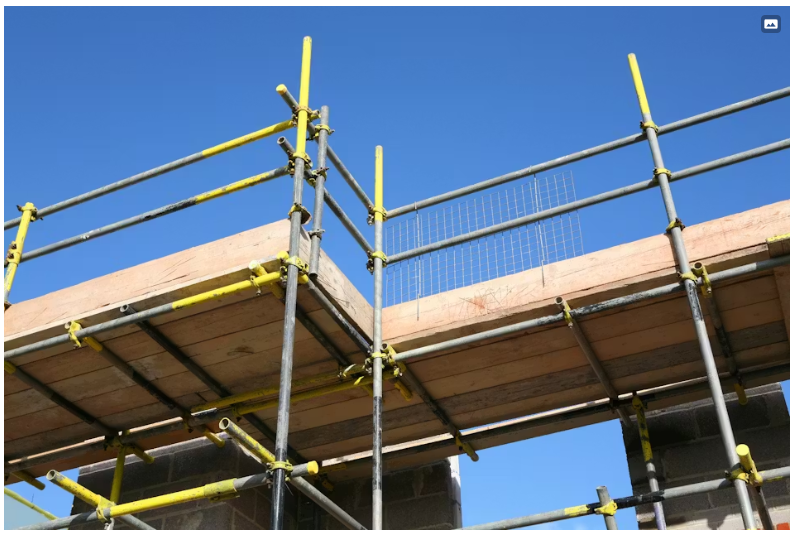
To be compliant, a guardrail system must meet very specific structural and dimensional requirements outlined in 1926.502(b). It is not enough to simply nail a few two-by-fours together.
- Top Rail Height: The top edge of the top rail must be 42 inches (plus or minus 3 inches) above the walking/working surface. This height is designed to be above the center of gravity for most workers, preventing them from toppling over it.
- Mid-rail: A mid-rail must be installed approximately halfway between the top rail and the walking/working surface. This prevents workers from sliding under the top rail. If screens, mesh, or other intermediate members are used instead of a mid-rail, they must be installed between the top rail and the walking surface.
- Toeboard: If there is a danger of tools, materials, or equipment falling from the edge and striking workers below, a toeboard must be installed. The toeboard must be a minimum of 3.5 inches in height and securely fastened in place. It must have no more than a ¼-inch clearance above the walking surface.
- Strength Requirements: The system must be capable of withstanding significant force. The top rail must be able to withstand a force of at least 200 pounds applied in any outward or downward direction, at any point along the top edge. The mid-rail must be able to withstand a force of at least 150 pounds. This ensures the guardrail will not fail if a worker stumbles or falls against it.
- Material and Surface: The materials used must be smooth to prevent punctures, lacerations, or snagging of clothing. Wood, pipe, and wire rope are common materials. If wire rope is used for top rails, it must be flagged with high-visibility material at least every six feet.
When erecting guardrails, meticulous attention to these details is paramount. Using substandard materials, improper spacing, or failing to anchor the posts securely can create a false sense of security and a system that fails when it is needed most.
Safety Net Systems: Collective Protection for Large Areas
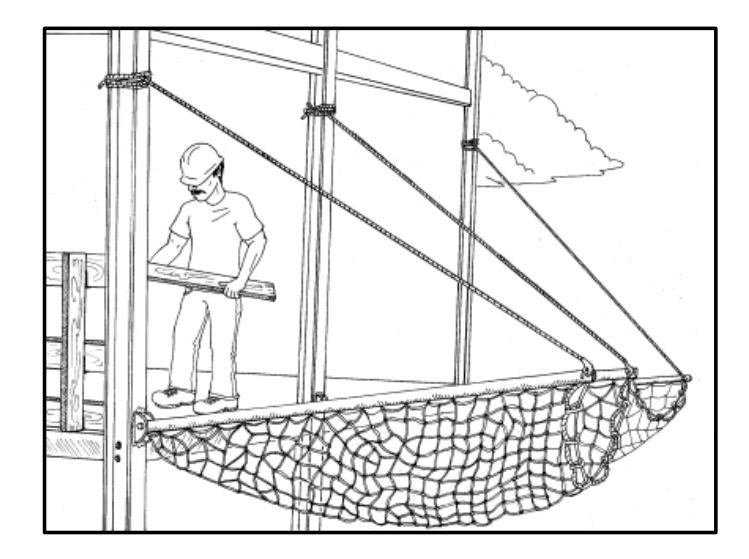
Safety net systems are another form of passive, collective protection. Unlike guardrails that prevent the fall, safety nets are designed to catch a falling worker, minimizing the fall distance and the impact forces. They are particularly useful on projects like bridge construction or in large, open structures where erecting guardrails or using personal fall arrest systems for every worker would be impractical.
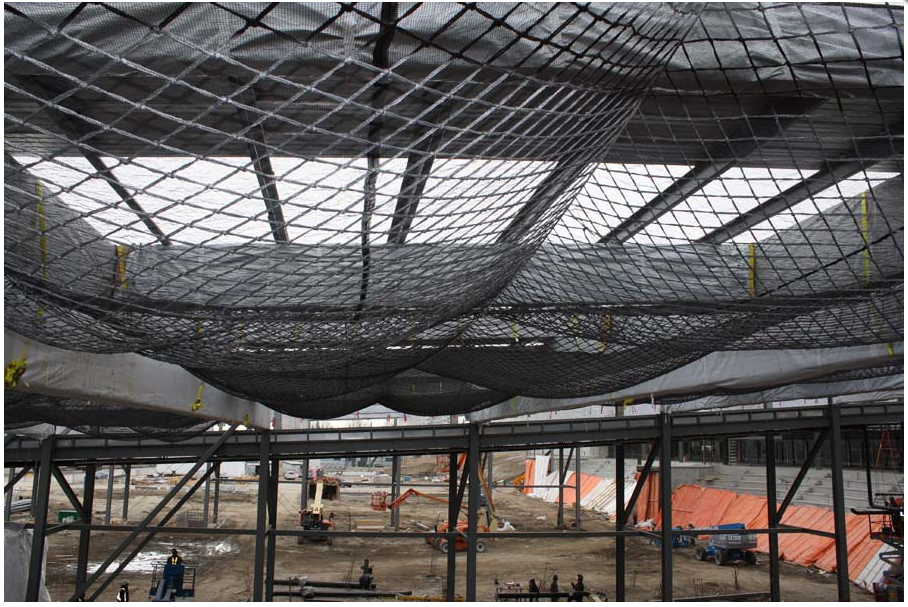
Like guardrails, safety nets have strict installation requirements under 1926.502(c). The effectiveness of a net is entirely dependent on its proper placement and rigging.
- Installation Proximity: Nets must be installed as close as practicable under the walking/working surface, but never more than 30 feet below. The closer the net, the shorter the potential fall and the lower the risk of injury.
- Horizontal Distance: The net must extend outward from the edge of the work surface. The required extension distance depends on the vertical distance from the work surface to the net.
- Up to 5 feet below: Net must extend 8 feet out.
- More than 5 feet, up to 10 feet below: Net must extend 10 feet out.
- More than 10 feet below: Net must extend 13 feet out.
- This outward extension is designed to catch a worker who may have some horizontal momentum as they fall.
- Testing: Safety nets must have sufficient clearance to prevent a falling worker from contacting the surface or structures below. Before use, the installer must certify the installation, or the net must be drop-tested. A drop test involves dropping a 400-pound bag of sand from the highest walking/working surface, but not less than 42 inches above that level. The net must successfully arrest the fall of the bag.
- Inspection and Maintenance: Nets must be inspected for wear, damage, and deterioration at least once a week and after any occurrence which could affect the integrity of the system. Debris must be removed from the net as soon as possible. High-quality construction safety netting is designed for durability, but even the best materials can be compromised by UV exposure, chemical contact, or physical damage.
Safety net systems are a complex engineering solution requiring specialized knowledge to design and install. A contractor should always ensure they are using experienced personnel or a professional netting installer to guarantee the system is compliant and effective.
Personal Fall Arrest Systems (PFAS): Individual Protection Explained
When passive systems like guardrails or nets are not feasible, the next line of defense is a Personal Fall Arrest System (PFAS). This is an “active” system, meaning it requires the worker to take action—to wear it correctly, inspect it, and connect it properly. A PFAS does not prevent a fall; it stops the fall in progress. A complete system consists of three primary components, often referred to as the ABCs of fall protection.
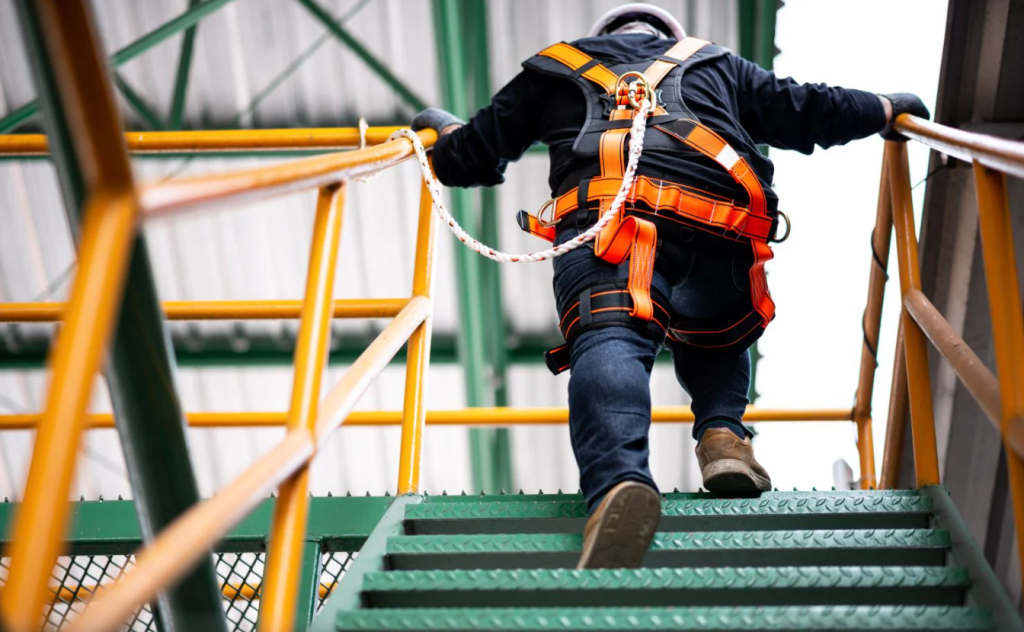
- A for Anchorage: The anchorage is the secure point of attachment for the system. The anchor point and its connector (e.g., a carabiner or snap hook) must be independent of any anchorage being used to support or suspend platforms and capable of supporting at least 5,000 pounds (22.2 kN) per employee attached. Alternatively, it can be part of a complete system designed, installed, and used under the supervision of a qualified person that maintains a safety factor of at least two. Why 5,000 pounds? The physics of a fall generates immense force. A 200-pound worker falling 6 feet can generate nearly 2,000 pounds of force on the anchor. The 5,000-pound requirement provides a significant safety margin. Anchorages must be selected carefully to be directly above the worker’s head whenever possible to minimize swing fall hazards.
- B for Body Harness: The full-body harness is the only acceptable body-holding device for a fall arrest system. Body belts have not been permitted for fall arrest since 1998 because they concentrate fall forces on the abdomen, which can cause serious internal injuries. A full-body harness distributes the fall arrest forces over the shoulders, thighs, and pelvis. It must be fitted properly to the individual user to be effective.
- C for Connecting Device: The connecting device links the body harness to the anchorage. Common connecting devices include:
- Lanyards: Short sections of rope or webbing. Shock-absorbing lanyards are crucial, as they contain a component that deploys during a fall to dissipate the energy and limit the maximum arresting force on the worker to 1,800 pounds.
- Self-Retracting Lifelines (SRLs): These devices work like a car seatbelt. They pay out and retract line as the worker moves, but a sudden jerk (a fall) causes a braking mechanism to engage and arrest the fall within a very short distance, typically two feet or less.
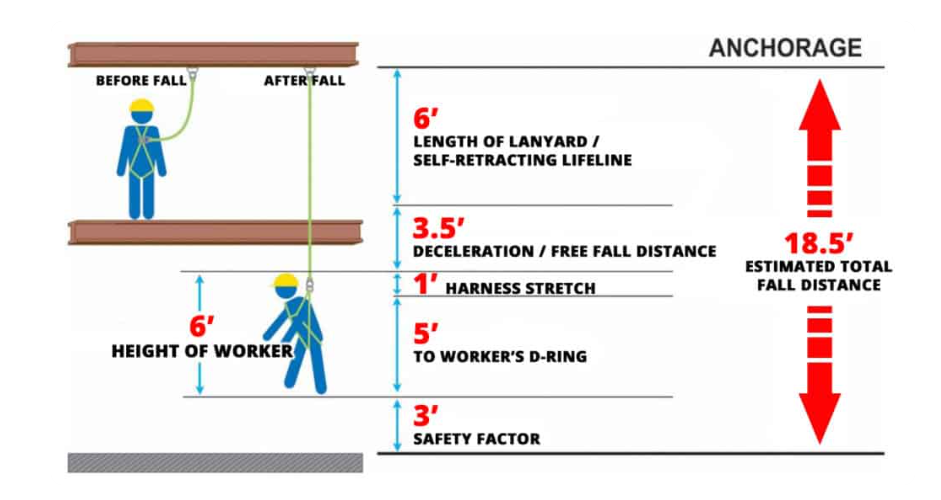
Calculating Fall Clearance: A critical and often misunderstood part of using a PFAS is ensuring there is enough clearance below the worker to avoid hitting the ground or a lower level. You must calculate the total fall distance: Total Fall Distance = Lanyard Length + Deceleration Distance + Harness Stretch/D-ring Shift + Safety Factor. For example: 6-foot lanyard + 3.5-foot deceleration distance + 1-foot harness stretch + 3-foot safety factor = 13.5 feet of required clearance. If there isn’t that much clear space below the worker, the PFAS is useless and may even cause greater injury.
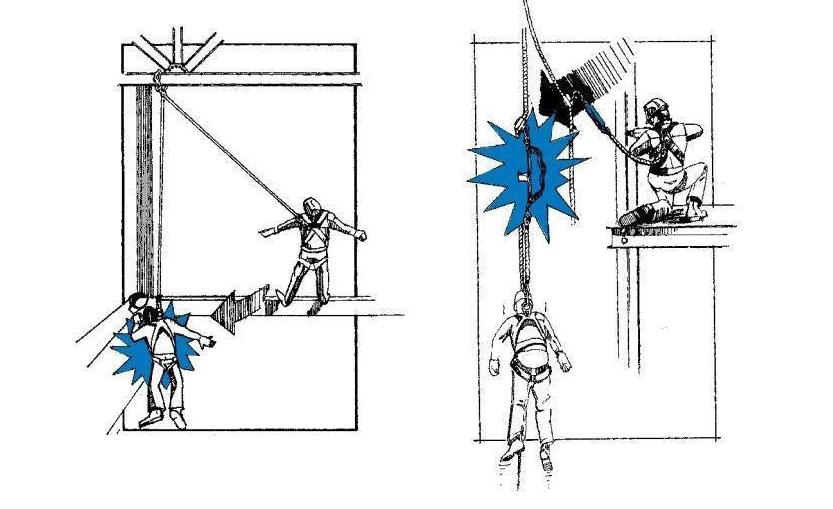
Swing Fall Hazards: If a worker’s anchor point is not directly overhead, a fall will cause them to swing like a pendulum. This can be extremely dangerous, as the worker can strike the side of a structure with significant force. The further the horizontal distance from the anchor, the more violent the swing. This must be a primary consideration when selecting anchor points.
Requirement 3: Ensuring Proper Equipment Inspection, Maintenance, and Use
Purchasing and providing high-quality fall protection equipment is only half the battle. To be an effective OSHA-compliant fall protection system, that equipment must be meticulously inspected, properly maintained, and used correctly every single time. The standards place a heavy emphasis on the ongoing management of fall protection equipment, recognizing that wear and tear, damage, and misuse can render a life-saving device useless. This responsibility is primarily assigned to a figure OSHA calls the “competent person.”
The Competent Person: Roles and Responsibilities
The concept of the “competent person” is central to many OSHA standards, and it is especially significant in fall protection. According to OSHA 1926.32(f), a competent person is “one who is capable of identifying existing and predictable hazards in the surroundings or working conditions which are unsanitary, hazardous, or dangerous to employees, and who has authorization to take prompt corrective measures to eliminate them.”
Let’s break down that definition in the context of fall protection:

- “Capable of identifying…hazards”: This requires more than just common sense. The competent person must have specific training and experience in fall protection. They must know the OSHA standards inside and out. They must be able to walk onto a job site and immediately spot an unprotected edge, a faulty guardrail, an improper anchor point, or a damaged lanyard. They understand not just the obvious risks but the subtle ones, like potential swing fall hazards or insufficient fall clearance.
- “Authorization to take prompt corrective measures”: This is the crucial second part of the definition. The competent person is not just an advisor; they must have management’s full authority to stop work and fix problems immediately. If they see a worker using a damaged harness, they must be able to take that worker out of service on the spot. If a scaffold is erected without proper guardrails, they must halt all work on that scaffold until it is corrected. Without this authority, the title of “competent person” is meaningless.
On a construction site, the competent person for fall protection is responsible for overseeing the selection, installation, use, and inspection of all fall protection systems. They lead the initial hazard assessment, may help develop the site-specific fall protection plan, and are the go-to resource for all workers regarding fall safety. They are the linchpin of the entire program.
Pre-Use Inspection Checklists for PFAS Components
OSHA standard 1926.502(d)(21) mandates that personal fall arrest systems shall be inspected prior to each use for wear, damage, and other deterioration. This is not a suggestion; it is a requirement. This inspection is the responsibility of the user, but the competent person is responsible for ensuring the users are trained to do it and are actually performing the checks. A pre-use inspection is a tactile, visual process that takes only a few minutes but can be the difference between life and death.
A thorough inspection should cover all components of the PFAS:
Full-Body Harness Inspection:
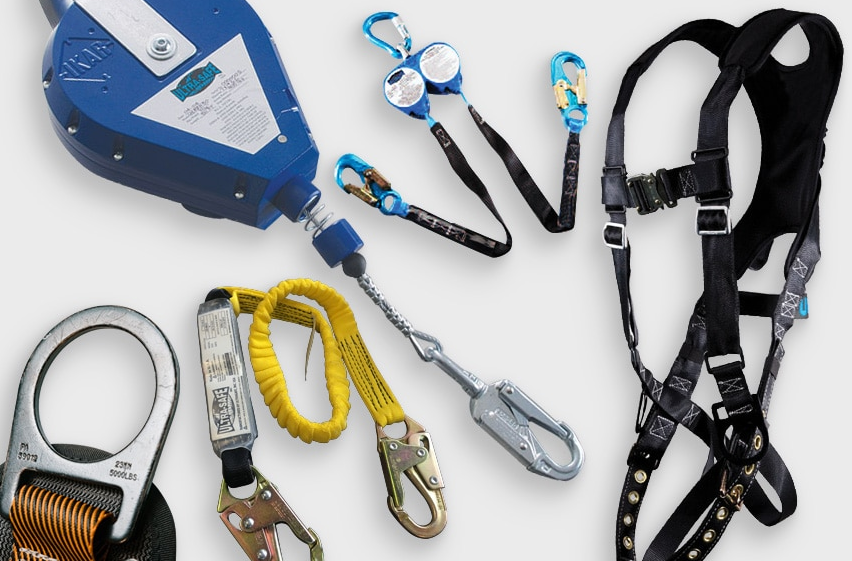
- Webbing: Start at one end of a webbing strap and work your way around the entire harness. Bend the webbing into a “U” shape to expose any hidden damage. Look and feel for frayed edges, broken fibers, pulled stitches, cuts, burns, or chemical damage (discoloration, hard/brittle spots).
- Stitching: Check all stitch patterns for any pulled, cut, or abraded threads. Pay close attention to the areas where straps are joined and where hardware is attached.
- Hardware (D-rings, Buckles, Adjusters): Examine all metal components for distortion, cracks, corrosion, or sharp edges. Buckles should connect securely and not slip under load. D-rings should pivot freely. Mating buckles (quick-connect style) should engage properly and not release accidentally.
- Labels: All harnesses must have legible labels from the manufacturer that show the model number, date of manufacture, and warnings. If the labels are missing or unreadable, the harness should be removed from service.
Lanyard and SRL Inspection:
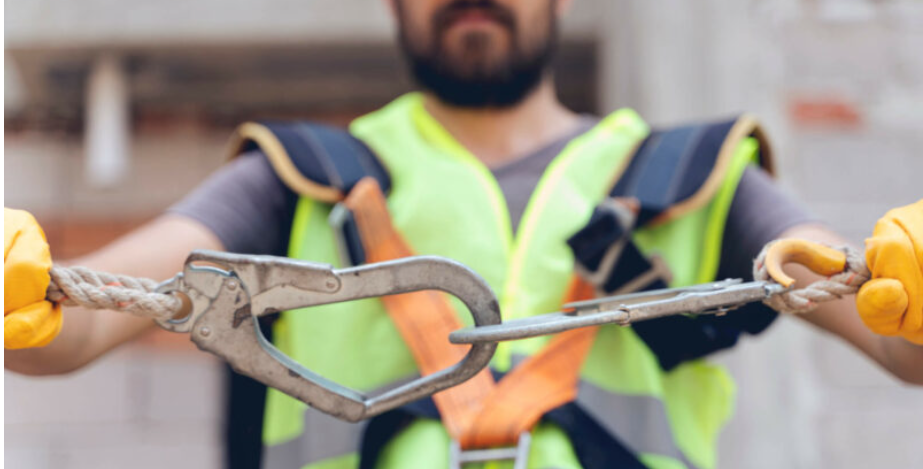
- Rope/Webbing: Perform the same tactile inspection as with the harness webbing, looking for cuts, frays, burns, or chemical damage. For rope lanyards, check for areas where the diameter is reduced, which indicates core damage.
- Hardware (Snap Hooks, Carabiners): Check that the gates open and close properly and that the locking mechanism engages fully and automatically. Look for cracks, distortion, or corrosion. Ensure the snap hook is not bent or “sprung.”
- Shock Absorber: Inspect the outer cover of the shock-absorbing pack for any damage. Most importantly, check the fall indicator. This is often a special stitch pattern, a tag, or a section of folded webbing designed to tear or deploy if the lanyard is subjected to fall arrest forces. If the fall indicator is activated, the lanyard has been in a fall and must be immediately removed from service.
- SRLs: For self-retracting lifelines, check the housing for cracks or damage. Pull the lifeline out gently and allow it to retract to ensure smooth operation. Then, give the line a sharp tug to verify that the braking mechanism engages. Check the lifeline itself (cable or webbing) for any damage.
This pre-use inspection is a personal responsibility. Every worker who puts on a harness must be trained and empowered to conduct this check and to refuse to use any equipment that appears unsafe.
Regular Maintenance and Documenting Inspections
Beyond the daily pre-use check, companies should have a program for more formal, documented inspections conducted by a competent person. While OSHA doesn’t specify an exact frequency for these formal inspections, industry best practice, and often the manufacturer’s recommendation, is to conduct them at least annually, or more frequently if the equipment is used in harsh environments.
This formal inspection should be documented in a logbook. The log should record:
- The unique identifier for the piece of equipment (serial number).
- The date of the inspection.
- The name of the competent person who performed the inspection.
- The results of the inspection (Pass/Fail).
- Any corrective actions taken.
- The date the equipment was put back into service.
This documentation serves several purposes. It creates a historical record of the equipment’s condition, demonstrates a commitment to safety and compliance during an OSHA audit, and helps manage the equipment’s service life.
Retiring Damaged or Deployed Equipment
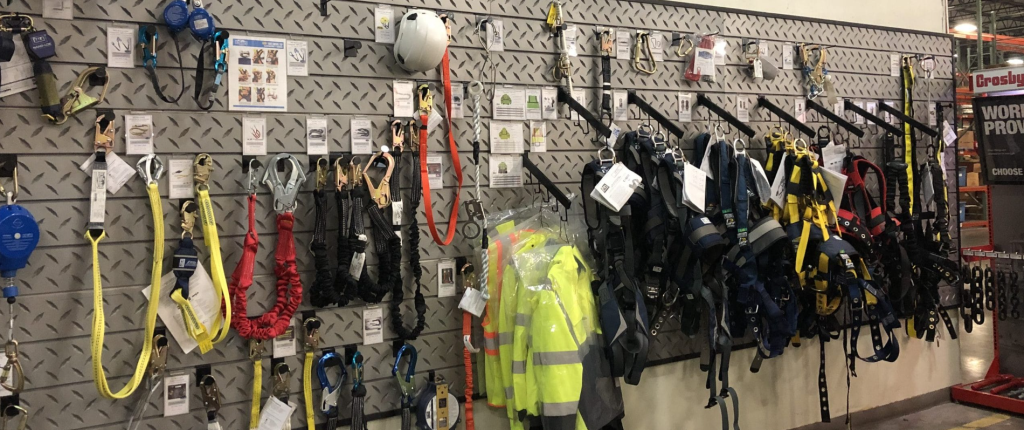
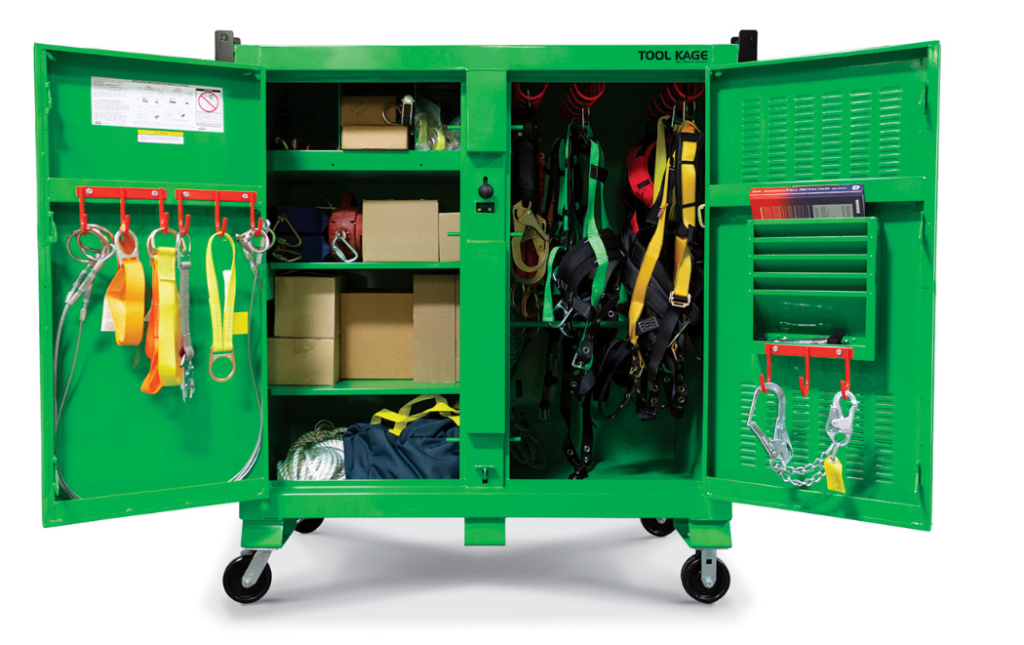
Proper maintenance also involves cleaning and storage. Equipment should be cleaned according to the manufacturer’s instructions, typically with mild soap and water, and allowed to air dry away from direct sunlight. It should be stored in a clean, dry place, away from UV light, chemicals, and physical hazards that could damage it. Throwing a harness into the back of a truck with tools and solvents is a sure way to shorten its life and compromise its integrity.
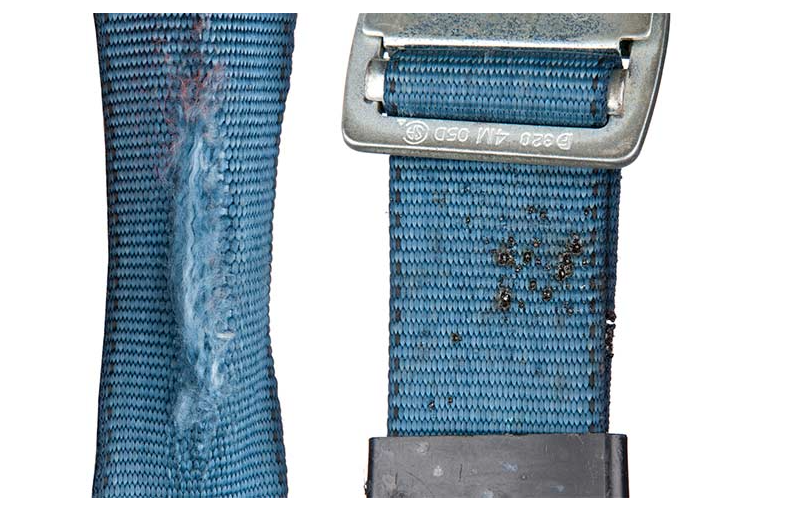
This is a non-negotiable rule. Any component of a personal fall arrest system that has been subjected to the forces of arresting a fall must be immediately removed from service. This includes the harness, the lanyard, the SRL, and potentially even the anchorage connector.
Why? The forces of a fall are immense. The shock absorber on a lanyard is a single-use device; once it deploys, its job is done. The webbing and stitching on a harness can be stretched and weakened in ways that are not visible to the naked eye. Even if the equipment looks fine, its structural integrity has been compromised.
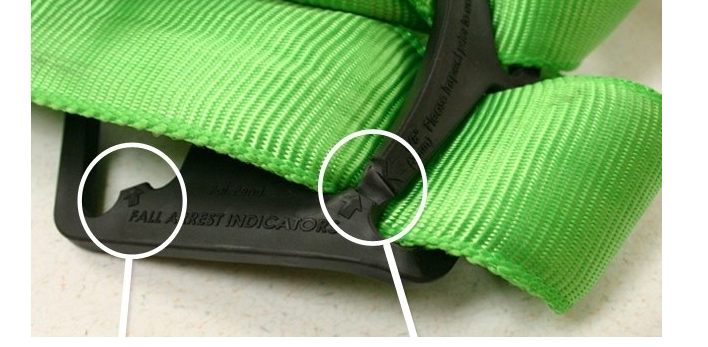
The same rule applies to any equipment found to be defective or damaged during an inspection. If a lanyard has a cut, if a snap hook is cracked, if a harness has frayed webbing, it must be taken out of service. The best practice is to physically destroy the equipment—such as by cutting the straps and D-rings—to ensure no one can accidentally use it again. A simple “Do Not Use” tag is good, but removing it from the site and rendering it unusable is better. There is no room for compromise when a life is on the line.
Requirement 4: Comprehensive Training for All Exposed Workers
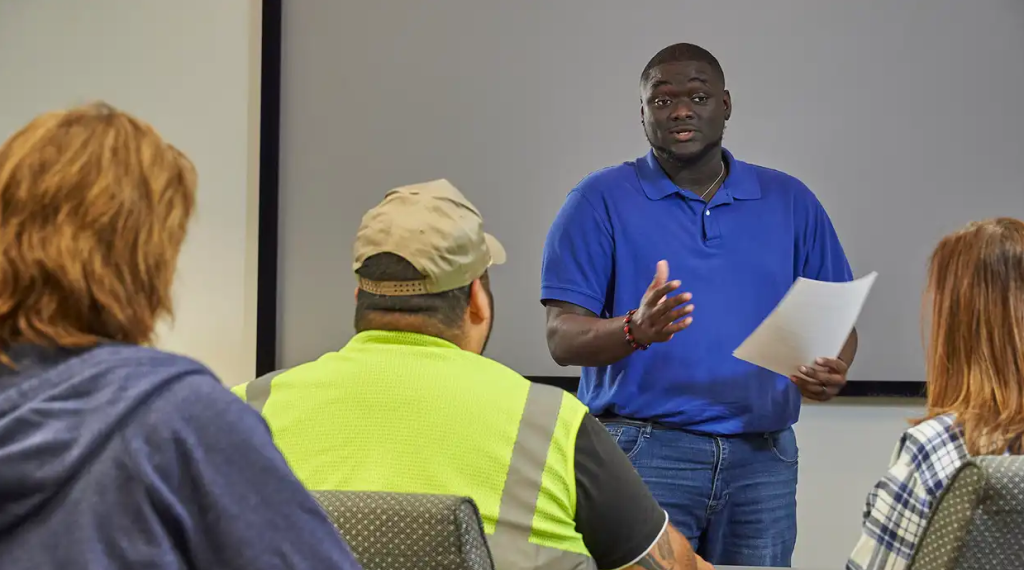
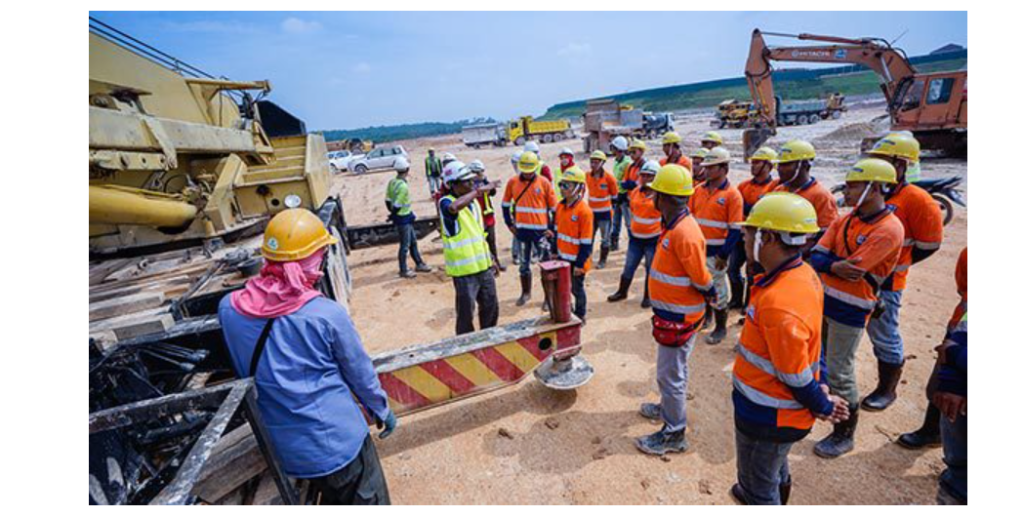
Providing the right equipment is futile if workers do not know how to use it. A common finding in fall-related accident investigations is that while fall protection was available on site, the injured worker was either not using it, or was using it incorrectly. This is why OSHA standard 1926.503, the training requirement, is a fundamental pillar of any compliant fall protection program. The employer must provide a training program for each employee who might be exposed to fall hazards. The training must enable each employee to recognize the hazards of falling and must train each employee in the procedures to be followed in order to minimize these hazards.
What Constitutes Effective Fall Protection Training?
Effective training is far more than showing a quick video or handing out a pamphlet. It is an active process of knowledge transfer and skill development. The standard requires that the training be conducted by a competent person qualified in the subject matter. The program must cover a range of topics, ensuring that workers not only understand the “how” but also the “why” behind fall protection procedures.
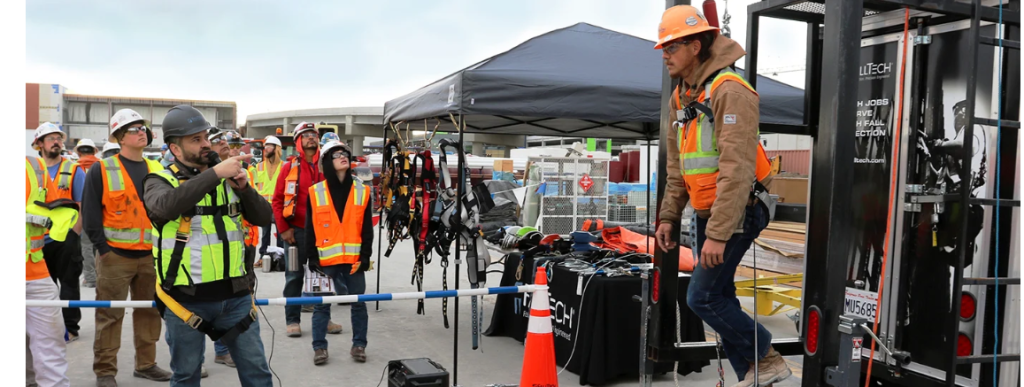
According to 1926.503(a)(2), the training must cover, at a minimum:
- The nature of fall hazards in the work area.
- The correct procedures for erecting, maintaining, disassembling, and inspecting the fall protection systems to be used.
- The use and operation of guardrail systems, personal fall arrest systems, safety net systems, warning line systems, safety monitoring systems, controlled access zones, and other protection to be used.
- The role of each employee in the safety monitoring system when this system is used.
- The limitations on the use of mechanical equipment during the performance of roofing work on low-sloped roofs.
- The correct procedures for the handling and storage of equipment and materials and the erection of overhead protection.
- The role of employees in fall protection plans.
- The standards contained in Subpart M itself.
The training must be presented in a language and vocabulary that the workers can understand. In a multilingual workforce, this means providing training in the languages spoken by the employees. Simply providing English-language training to a Spanish-speaking worker, for example, does not meet the spirit or the letter of the law.
Recognizing Hazards and Understanding Procedures
A primary goal of training is to empower workers to become active participants in their own safety. They should be able to walk into their work area and perform their own mini-hazard assessment. The training should teach them to ask critical questions: “Is this edge unprotected? Am I more than six feet up? Where is my anchor point? Is this scaffold safe?”
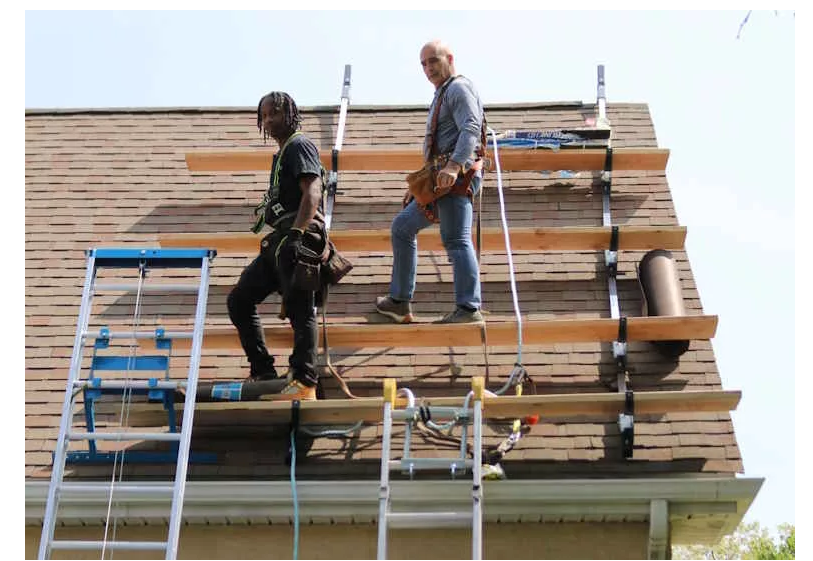
This part of the training should be highly specific to the types of work the company performs. If the company does roofing, the training must focus on roof edges, skylights, and the differences between low-slope and steep-slope roof regulations. If the company does steel erection, the training must cover connecting, decking, and the specific rules in Subpart R.
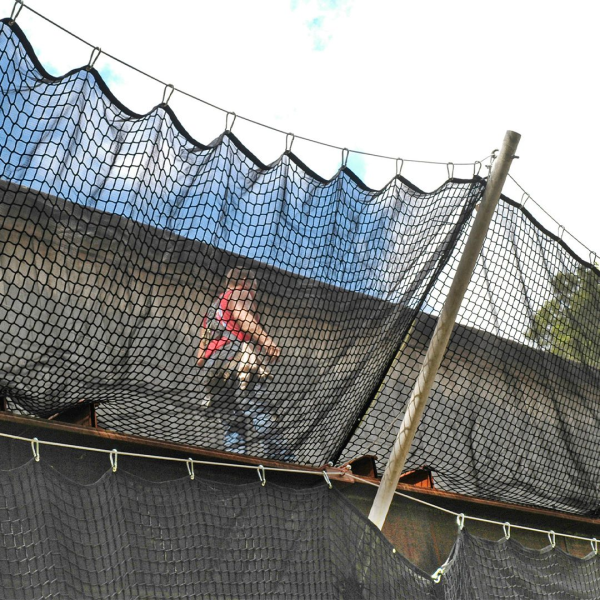
Heavy-Duty Construction Fall Protection Work Safe Bridge Net
The Heavy-Duty Work Safe Bridge Net is a high-strength, durable, and easily installed knotless polyester mesh that ensures worker safety, prevents material falls, and maintains structural stability across bridge construction sites.
Understanding procedures means knowing the “rules of the road” for each system. For a worker using a PFAS, this includes knowing how to select a 5,000-pound anchor point, how to calculate fall clearance, and why they must avoid working too far horizontally from their anchor. For a worker in an area protected by guardrails, it means understanding that they must never lean over or stand on the mid-rail and that they must report any damage they see to the system. The training should instill a deep understanding that these systems are only effective when used exactly as designed.
Hands-On Training: Donning Harnesses and Using Equipment
Theoretical knowledge is important, but it is not enough. Fall protection training must include a hands-on, practical component. Every worker who will be required to use a PFAS must physically demonstrate that they can properly don, fit, and adjust their harness.
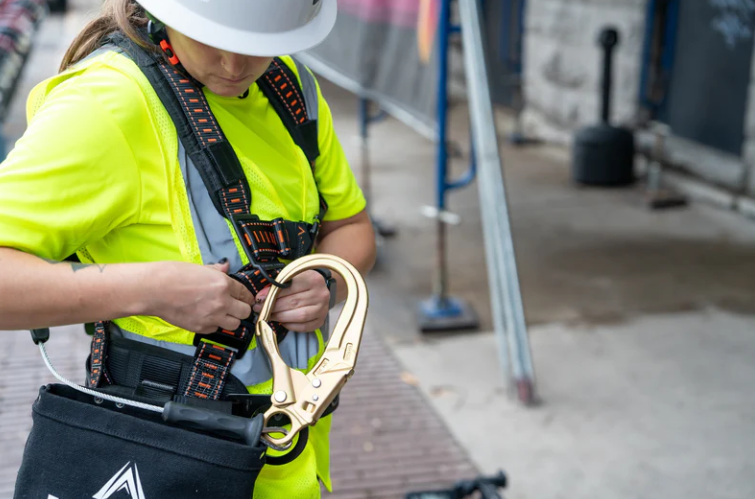
During this hands-on session, the trainer should guide each worker through the process:
- Holding the Harness: Hold the harness by the back D-ring and shake it out to let the straps fall into place.
- Slipping on the Straps: Slip the straps over the shoulders so the D-ring is located in the middle of the back between the shoulder blades.
- Connecting the Leg Straps: Connect the leg straps, ensuring they are snug. A common rule of thumb is that you should be able to fit a flat hand, but not a fist, between the strap and your leg. The straps should not be so loose that they could cause injury during a fall, nor so tight that they cut off circulation.
- Connecting the Chest Strap: Connect the chest strap and position it in the mid-chest area. This is not a waist strap; its purpose is to keep the shoulder straps from sliding off during a fall.
- Final Adjustments: Make final adjustments to all straps to ensure a snug but comfortable fit. The back D-ring should be positioned correctly between the shoulder blades.
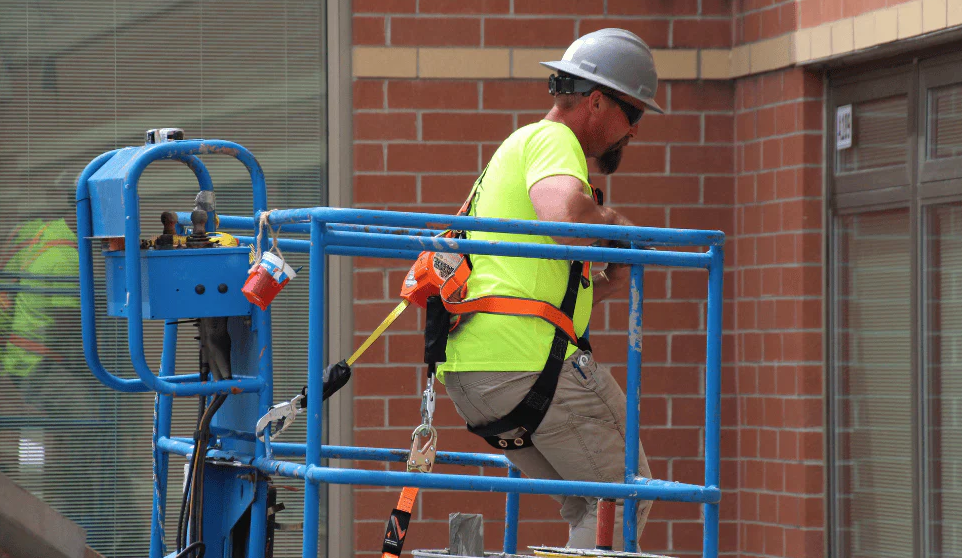
Beyond the harness, workers should practice connecting their lanyards or SRLs, operating the gates on snap hooks, and simulating connection to an anchor point. This muscle memory is invaluable. In a real-world work environment, these actions need to be second nature. The practical session is also the perfect time to practice the pre-use inspection, with the trainer guiding workers through what to look for on each component.
Rescue Planning: What to Do After a Fall
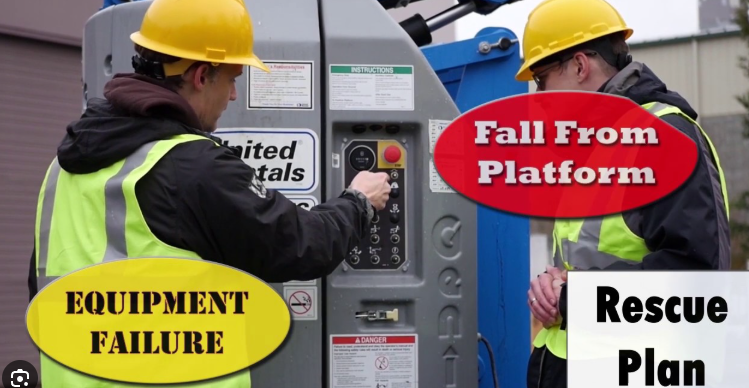
A fall protection program is incomplete without a plan for what to do after a fall has been arrested. OSHA 1926.502(d)(20) states that “The employer shall provide for prompt rescue of employees in the event of a fall or shall assure that employees are able to rescue themselves.” This is not an optional component; it is a required part of using a PFAS.
Therefore, training must cover the site’s rescue plan. Workers need to know:
- What is the procedure if they witness a fall?
- Who do they notify?
- What is the plan for getting the fallen worker down?
- What are the dangers of hanging in a harness after a fall?
Workers must be taught about the risk of suspension trauma (which we will discuss in the next section) and the urgency of a prompt rescue. The training should cover the specific rescue methods available on that site, whether it’s a ladder, an aerial lift, or a pre-rigged technical rescue kit. If workers are expected to participate in the rescue, they need specific training on how to do so safely. Simply calling 911 is not considered a sufficient rescue plan by itself, as emergency responders may not have the equipment or training for a technical rescue on a construction site. The training must instill in every worker the understanding that a successful fall arrest is only the beginning of the emergency response.
Requirement 5: Developing and Implementing a Fall Protection Rescue Plan
The successful arrest of a fall by a PFAS is not the end of the incident; it is the beginning of a new, time-sensitive emergency. A worker left suspended in a harness is in grave danger.
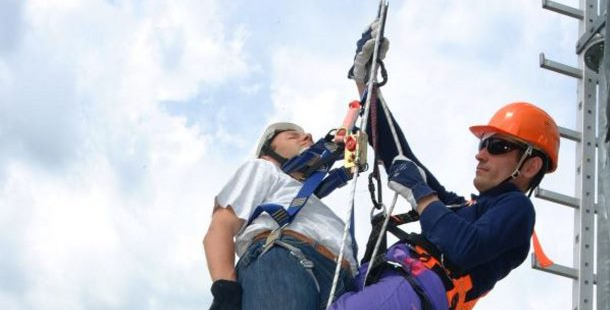
This is why OSHA mandates that employers must have a plan in place to provide a “prompt rescue.” This requirement, found in 1926.502(d)(20), transforms the use of personal fall arrest systems from a simple equipment-based solution into a comprehensive safety system that must include a post-fall response. A contractor who provides harnesses and lanyards without a corresponding, workable rescue plan has an incomplete and non-compliant program.
The Peril of Suspension Trauma (Orthostatic Intolerance)
To understand the urgency of rescue, one must understand the medical condition known as suspension trauma, or orthostatic intolerance. When a person is suspended motionless in a vertical position, the leg straps of a harness can constrict the veins in the legs. Gravity causes blood to pool in the legs (this is called venous pooling). This reduces the amount of blood available to circulate back to the heart, which in turn reduces the blood flow to the brain and other vital organs.
The body initially tries to compensate by increasing the heart rate. However, if the person remains suspended, this compensation mechanism can fail. The results can be a sudden drop in heart rate and blood pressure, leading to loss of consciousness. If the situation is not resolved quickly, the lack of oxygenated blood flow can lead to serious organ damage, particularly to the kidneys, and potentially death.
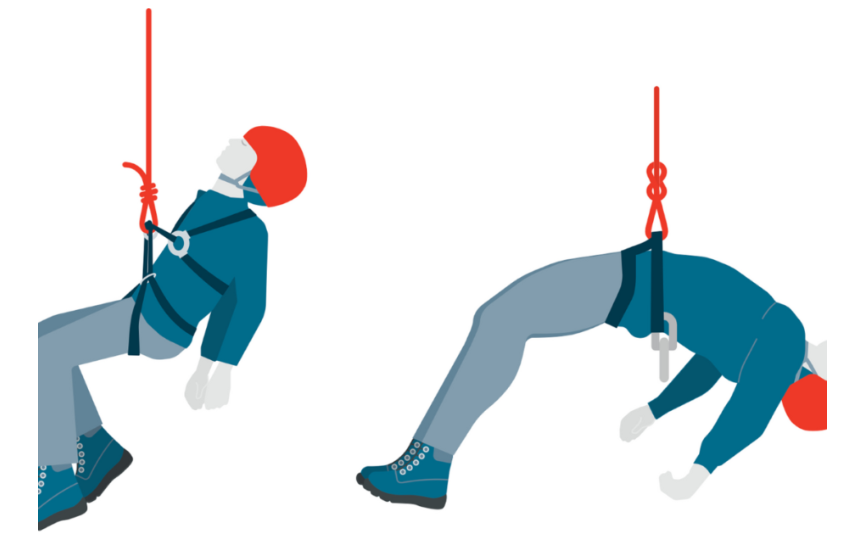
How quickly can this happen? There is no exact timeline, as it depends on an individual’s health and the specific harness fit. However, serious symptoms can begin in as little as 5-10 minutes, with loss of consciousness possible within 15-20 minutes. The term “prompt rescue” is not defined by OSHA in minutes, but the physiological reality dictates that the goal should be to retrieve the worker in well under 10 minutes. This is a very short window, which highlights why pre-planning is so essential.
Components of an Effective Rescue Plan
A rescue plan cannot be an afterthought. It must be developed before any workers use a PFAS on the site. The plan must be site-specific, considering the unique geometry, height, and access challenges of the project. Simply having a generic plan in a binder in the office is not sufficient.
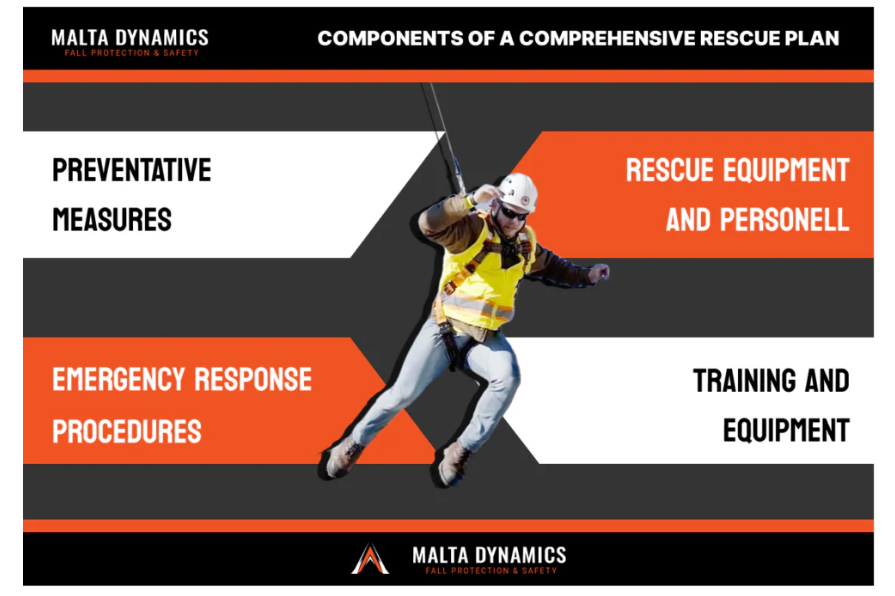
An effective, written rescue plan should include:
- Hazard Identification: The plan should identify the specific locations where workers will be using PFAS and the potential fall scenarios.
- Rescue Method(s): It must clearly state the chosen rescue method(s). Will it be self-rescue, assisted rescue using a ladder or aerial lift, or a technical rescue using pre-rigged equipment? The plan must be realistic. If the plan calls for using an aerial lift, is there one on-site and available at all times? Is the ground below stable enough to support it?
- Rescue Team Identification: Who is responsible for performing the rescue? These individuals must be designated in advance and receive specific, hands-on training for their role. They cannot be expected to figure it out in the middle of an emergency.
- Equipment List: The plan must list all the equipment needed for the rescue (e.g., rescue kit, ladders, aerial lift, first aid supplies) and specify where it is located. The equipment must be readily accessible and inspected regularly.
- Emergency Communication: How will the alarm be raised? How will the rescue team be summoned? How will emergency medical services be contacted? The plan should include phone numbers and the site’s physical address to give to dispatchers.
- Post-Rescue Medical Protocol: Every worker who has experienced a fall arrest, even if they appear uninjured, must be evaluated by a medical professional. The plan should specify this requirement.
The plan must be communicated to all affected employees. Everyone on site should know what to do and who to call if they witness a fall.
Self-Rescue vs. Assisted Rescue Techniques
Rescue plans generally fall into three categories, which should be considered in order of preference:
- Self-Rescue: This is the most desirable outcome. The plan and equipment allow the fallen worker to rescue themselves. This might involve using a self-rescue ladder pack that deploys from the harness, or training workers to use their feet to push off a nearby surface to alleviate pressure and climb to safety. Another method involves specialized descent control devices that the worker can operate to lower themselves to the ground. For self-rescue to be a viable plan, workers must be trained and have practiced the technique.
- Assisted Rescue (On-Site Team): This is the most common approach. It involves a designated and trained on-site team using equipment to retrieve the fallen worker. The methods can vary widely:
- Ladders/Aerial Lifts: If the fall is near a stable surface and at a reachable height, the simplest method may be to bring a ladder or an aerial lift up to the worker to provide a platform for them to stand on and be brought down.
- Pre-Rigged Rescue Systems: For higher or less accessible locations, a technical rescue may be needed. This typically involves a “pick-off” rescue. A rescuer lowers themselves to the victim, attaches a separate line to the victim’s harness D-ring, and then either raises or lowers the victim to safety. Many commercially available rescue kits come pre-packaged and are designed for relatively simple operation by a trained user. The key is that the system is available and the team has practiced with it.
- Assisted Rescue (Calling 911): Relying solely on local fire and emergency services is generally not considered an adequate plan by OSHA. While they should always be called, their response time can easily exceed the safe suspension window. Furthermore, municipal fire departments may not be equipped or trained for high-angle or technical rescue on a construction site. They are an essential part of the overall emergency response, but they cannot be the entire rescue plan. The on-site team must be prepared to initiate the rescue immediately while waiting for professional help to arrive.
Coordinating with Emergency Services
Even with a robust on-site plan, coordination with local emergency medical services (EMS) is a vital step. Before the project begins, it can be beneficial for the site’s safety manager or competent person to contact the local fire department. Inform them about the nature of the project, the heights involved, and the types of rescue scenarios that could occur. Provide them with a site map and directions to the best access points.
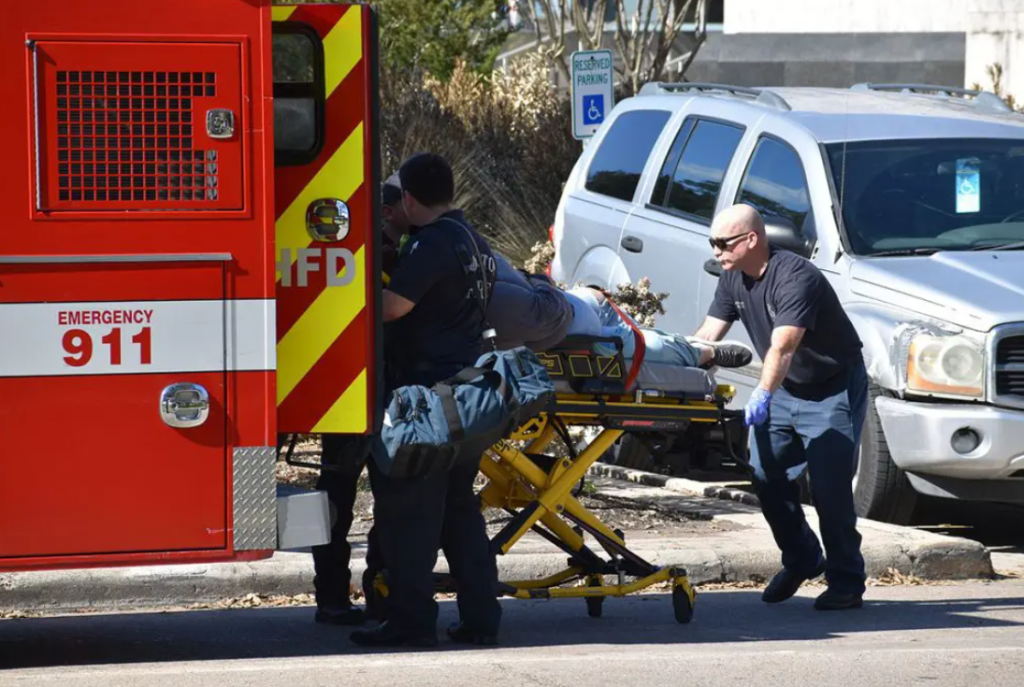
This pre-planning can save precious minutes during an actual emergency. When the call to 911 is made, the caller should be prepared to give a clear, concise report: “We have a fallen worker suspended in a harness at [exact location on site]. We have initiated our on-site rescue procedures. The worker is at a height of approximately [X] feet.” This information helps the dispatcher send the right resources (e.g., a ladder truck or a technical rescue team if available) and helps the responding crew understand the situation before they even arrive.
Beyond the Basics: Advanced Considerations and Special Cases
While the five core requirements form the backbone of a compliant fall protection program, the dynamic nature of construction often presents situations that require more specialized knowledge and solutions. OSHA’s standards include provisions for these unique scenarios, and a truly competent contractor must be familiar with them. These situations often involve a departure from conventional systems, but they come with their own strict set of rules and limitations. Understanding these nuances is key to maintaining compliance across all phases and types of construction work.
Leading Edge Work and Controlled Access Zones (CAZ)
Leading-edge work is the process of erecting, constructing, or installing a floor, roof, or formwork system where the edge of the walking/working surface continuously changes as the work progresses. A classic example is the installation of decking on a new floor of a building. As each new piece of decking is laid down, the unprotected edge moves forward.
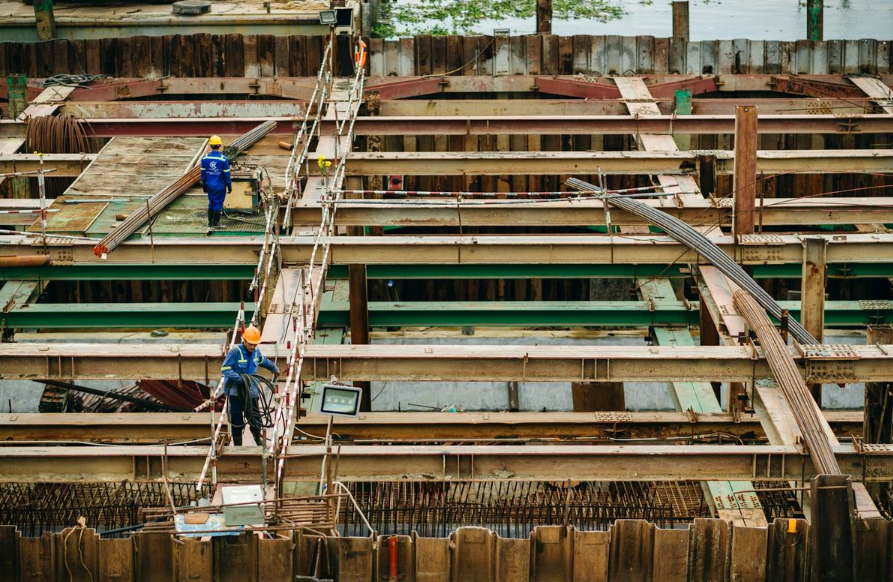
This poses a challenge for conventional fall protection. Erecting and moving guardrails constantly can be infeasible. Using a PFAS can be difficult due to the lack of available overhead anchor points. In recognition of this, OSHA allows an alternative for leading-edge work under 1926.501(b)(2). When it can be demonstrated that it is infeasible or creates a greater hazard to use conventional fall protection systems, the employer must develop and implement a site-specific fall protection plan.
This plan often involves the use of a Controlled Access Zone (CAZ). A CAZ is a clearly demarcated area where certain work (like leading-edge work) may take place without the use of guardrail systems, safety net systems, or personal fall arrest systems. However, the rules for a CAZ are very strict:
- Demarcation: The zone must be defined by a control line, which consists of ropes, wires, or chains. It must be erected not less than 6 feet nor more than 25 feet from the unprotected edge.
- Signage: The area must be clearly marked with signs that identify it as a CAZ and restrict entry to authorized personnel only.
- Access: Only employees specifically designated to perform leading-edge work are permitted in the CAZ.
- Training: These designated employees must have received specific training on the procedures for working within the zone.
It is a common misconception that a CAZ is a substitute for fall protection. It is not. It is an administrative control method that limits exposure to the fall hazard. For some activities within a CAZ, such as overhand bricklaying, OSHA may also require a safety monitoring system in conjunction with the control lines.
Safety Monitoring Systems: A Limited Alternative
A safety monitoring system is another alternative method allowed only when conventional fall protection is infeasible or creates a greater hazard, primarily for roofing work on low-slope roofs (with a slope of 4 in 12 or less) and for leading-edge work. It is an administrative control and is at the bottom of the hierarchy of controls because it relies entirely on human attention and reaction.
A safety monitoring system, as defined in 1926.502(h), comprises a competent person (the “safety monitor”) whose sole responsibility is to watch other workers on the roof or in the CAZ and warn them when they appear to be unaware of a fall hazard or are acting in an unsafe manner. The rules for using this system are stringent:
- Dedicated Monitor: The safety monitor must be a competent person and can have no other job duties while acting as the monitor. They cannot be involved in handling materials, talking on the phone, or performing any other task that could distract them from watching the other workers.
- Proximity and Communication: The monitor must be on the same walking/working surface as the workers, within visual sighting distance, and close enough to communicate orally with them.
- Number of Workers: The monitor can be responsible for no more than eight workers at one time.
- Hazard Recognition: The monitor must be able to identify fall hazards and warn employees about them.
This system is a last resort. It does not provide any physical barrier or fall arrest capability. Its effectiveness is entirely dependent on the diligence of the monitor and the quick reaction of the worker. Any contractor considering its use must be able to robustly defend why guardrails, nets, and PFAS were all infeasible options.
Fall Protection for Scaffolding and Steel Erection
As noted earlier, some specific construction activities have their own fall protection standards that differ from the general industry six-foot rule. Two of the most common are scaffolding and steel erection.
Scaffolding (Subpart L): The trigger height for fall protection on scaffolds is 10 feet (1926.451(g)). Once a worker on a supported scaffold is more than 10 feet above the lower level, they must be protected. The preferred method is a guardrail system, and the scaffold standards have their own specific requirements for guardrail height and construction. If guardrails are not used, then a PFAS must be used. A critical point for scaffolding is the anchorage for the PFAS. The scaffold itself is generally not an adequate anchor point unless it has been specifically designed to serve as one by a qualified person. In most cases, the PFAS must be anchored to a structural member of the building or another point independent of the scaffold.
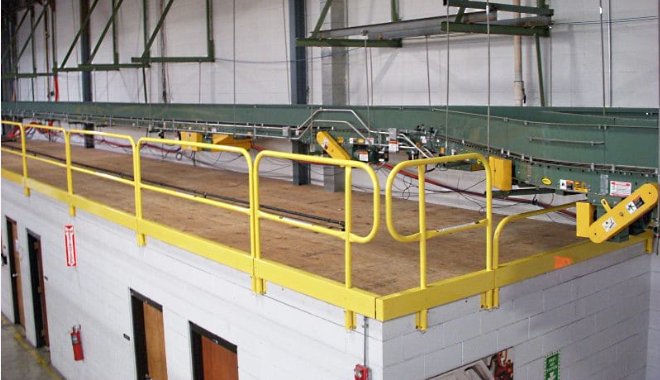
Steel Erection (Subpart R): The world of steel erection has its own detailed set of rules. The general trigger height for fall protection for most steel erection activities is 15 feet (1926.760(a)(1)). However, for workers engaged in connecting (the initial erection of beams), the trigger height is 30 feet or two stories, whichever is less. All workers at heights between 15 and 30 feet still need to be provided with and trained on PFAS, and have a viable anchor point, but they are not required to tie off. Workers in the decking crew, who lay down the metal deck, must be protected at heights greater than 15 feet. Deckers often work within a Controlled Decking Zone (CDZ), which is a specialized version of a CAZ for this type of work.
These specialized standards exist because the nature of the work presents unique challenges. A contractor working in these areas must be intimately familiar with the specific requirements of Subpart L or Subpart R, not just the general rules in Subpart M.
The Role of Quality Materials in Safety
Finally, a discussion of advanced considerations would be incomplete without touching on the quality of the materials used. All the planning, training, and procedures are undermined if the equipment itself is substandard. This applies not just to the personal gear workers wear but to all components of the safety system. For example, when using netting for fall protection or for containing materials, the quality of that netting is paramount. Using a cheap, unrated net for a purpose it was not designed for is a recipe for disaster.
High-quality, purpose-built netting, such as debris netting designed to catch falling tools and materials, plays a crucial role in overall site safety. While debris netting is not a fall arrest system for people, it prevents injuries to those working below, which is another key OSHA requirement. When selecting any safety product, whether it’s a harness, a guardrail component, or safety netting, it is vital to choose products from reputable manufacturers that meet or exceed ANSI (American National Standards Institute) standards and are clearly rated for their intended use. Saving a few dollars on inferior safety equipment is a gamble that no responsible contractor should ever take.
Frequently Asked Questions (FAQ)
1. What is the OSHA “six-foot rule” for fall protection?
The “six-foot rule” is the common term for OSHA standard 1926.501(b)(1). It mandates that for general construction work, any employee on a walking or working surface with an unprotected side or edge that is 6 feet (1.8 m) or more above a lower level must be protected by a guardrail system, safety net system, or personal fall arrest system. It is the primary trigger for fall protection, but specific activities like scaffolding (10 feet) and steel erection (15 or 30 feet) have different trigger heights.
2. Who is considered a “competent person” for fall protection?
A competent person is defined by OSHA as someone who can identify existing and predictable fall hazards and who has the authority from the employer to take prompt corrective measures to eliminate them. This individual must have specific training and knowledge of fall protection standards and equipment. Their authority to stop work and fix problems immediately is a key part of the definition.

3. Can I reuse a harness after it has been involved in a fall?
No. Absolutely not. Any component of a personal fall arrest system, including the harness, lanyard, or self-retracting lifeline, that has been subjected to the forces of arresting a fall must be immediately removed from service and destroyed. The fall can cause unseen damage to the webbing and stitching, compromising its strength for any future use.
4. How often do I need to inspect my fall protection equipment?
OSHA requires that personal fall arrest systems be inspected by the user before each use. This is a visual and tactile check for any damage, wear, or defects. Additionally, it is a best practice, and often a manufacturer requirement, for a competent person to conduct and document a formal inspection of all fall protection equipment at least annually, or more frequently depending on use.
5. What is the difference between fall arrest and fall restraint?
Fall restraint and fall arrest are two different strategies. A fall restraint system prevents you from falling. It uses a body harness and a lanyard of a fixed length attached to an anchor, making it physically impossible for you to reach an unprotected edge. A fall arrest system does not prevent a fall; it is designed to safely stop you after you have already fallen. A personal fall arrest system (PFAS) is the most common example.
6. Are written fall protection plans always required?
No, not for every situation. A written, site-specific fall protection plan is required by OSHA only when the employer can demonstrate that using conventional fall protection (guardrails, nets, PFAS) is infeasible or creates a greater hazard. This is most common in specific situations like leading-edge work, precast concrete erection, and some residential construction activities. However, creating a written plan is a highly recommended best practice for any complex job.
7. What are the main components of a guardrail system?
A standard guardrail system must have a top rail, a mid-rail, and posts. The top rail must be 42 inches (plus or minus 3 inches) above the walking surface. The mid-rail must be installed halfway between the top rail and the surface. If there is a risk of items falling on workers below, a toeboard at least 3.5 inches high must also be installed. The entire system must be strong enough to withstand specific forces defined by OSHA.
Navigating the landscape of OSHA regulations can appear daunting, yet the principles at the heart of fall protection are straightforward and ethically resonant. The core requirements—hazard assessment, proper system selection, diligent inspection, comprehensive training, and rescue planning—are not isolated bureaucratic tasks. They are interconnected components of a single, unified system designed to preserve human life and well-being. Approaching fall safety as an integral part of the craft of construction, rather than an external imposition, elevates the practice from mere compliance to a demonstration of professionalism and moral responsibility.
The implementation of robust, OSHA-compliant fall protection systems is an investment in the most valuable asset on any job site: the people who perform the work. By embracing these requirements proactively and cultivating a culture where safety is an unquestioned priority, contractors not only protect their workers but also build a more resilient, reputable, and ultimately more successful business.

Read our most popular articles.
👉 Download our free product categories
👉 The Ultimate Guide to Installing Anti-Insect Nets in Greenhouses
👉 Your Essential Checklist: 7 Questions to Ask Before You Buy Construction Safety Netting
👉 HDPE vs Nylon Sports Netting: The Ultimate Guide
👉 A 5-Step Expert Guide: “Made to Order”: A Look at Our Custom Netting Process
👉 How to Start a Private Label Netting Business: A 5-Step Framework for Work
👉 The Chinese Manufacturing vs. Local Suppliers: A Netting Buyer’s Guide