
Choosing the right bird netting involves more than simply picking a product; it requires a clear understanding of how several key factors work together in practice.
This article covers three essential aspects: mesh size, material, and expected service life. The effectiveness of a netting system mainly depends on selecting a mesh size appropriate for the target bird species, ensuring entry is blocked without risking entanglement. Material choice—most often between high-density polyethylene (HDPE) and nylon—determines how the net performs in various environmental conditions, influencing its resistance to UV exposure, moisture, and physical wear. Durability, however, is not determined by material alone. It results from a combination of manufacturing details, such as UV stabilization and knot construction, as well as installation quality and site-specific environmental stresses.
Considering these factors together allows for more informed decision-making, balancing initial costs with long-term reliability while maintaining a humane and effective bird control method.
Fast reading
- Match the netting’s mesh size directly to the specific bird species causing the issue.
- Choose High-Density Polyethylene (HDPE) for all-purpose, UV-resistant applications.
- Confirm the netting is UV-stabilized for any outdoor installation to ensure durability.
- Understand that professional installation is just as vital as the quality of the net.
- This Bird Netting 101 guide explains how to balance mesh size, material, and longevity.
- Consider knotted netting for high-stress areas and knotless for lower visibility.
- Factor in environmental conditions like sun exposure and wind load in your selection.
The Foundational Principle: Why Bird Netting Works
Bird netting is a practical way to manage the conflict between human spaces and bird activity. Its purpose is simple: to block access, not to harm. Creating a physical barrier, it keeps birds away from areas where they might cause damage or health concerns, such as building ledges, crops, or ventilation systems.
A Physical Barrier, Not a Trap
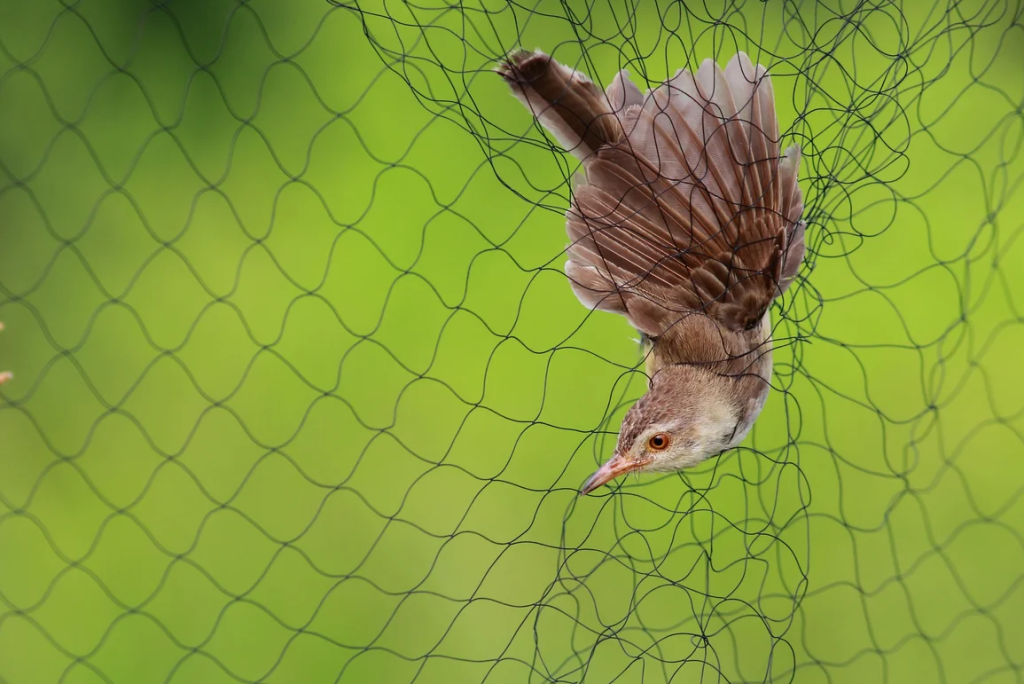
Think of bird netting like a closed door rather than a trap. When installed properly, it forms a tight, stable surface that birds can’t get through or land on comfortably, so they move elsewhere. Its effectiveness—and its humane nature—depend on correct mesh size and proper installation. If the net is too loose or poorly chosen, it may cause entanglement, which defeats its purpose.
Why Exclusion Matters
Birds can create real problems. Their droppings are acidic and can damage surfaces over time. Nests can block vents or increase fire risk. In farms, birds can quickly destroy crops. There are also health concerns, as birds can carry diseases through droppings and dust. For businesses, this can mean contamination, fines, or reputational damage.
A Safe and Responsible Approach
In many places, birds are protected by law, so harming them is not an option. Bird netting works well within these rules because it prevents birds from settling in the first place. When used correctly, it’s a humane solution—it keeps birds away without causing injury, helping people protect their spaces while respecting wildlife.
Point 1: Decoding Mesh Size for Targeted Bird Exclusion
Choosing the wrong mesh size can make netting ineffective—or even unsafe.
Too Big vs. Too Small
The key is balance: the mesh should be large enough to stay efficient, but small enough to block the target bird.
- Too large: Birds can pass through easily, making the net useless.
- Too small: Increases cost, weight, and visibility, and may raise the risk of entanglement if not installed properly.
Simple Rule:
Use the largest mesh size that the target bird cannot fit through.
A Systematic Guide to Matching Mesh Size to Bird Species
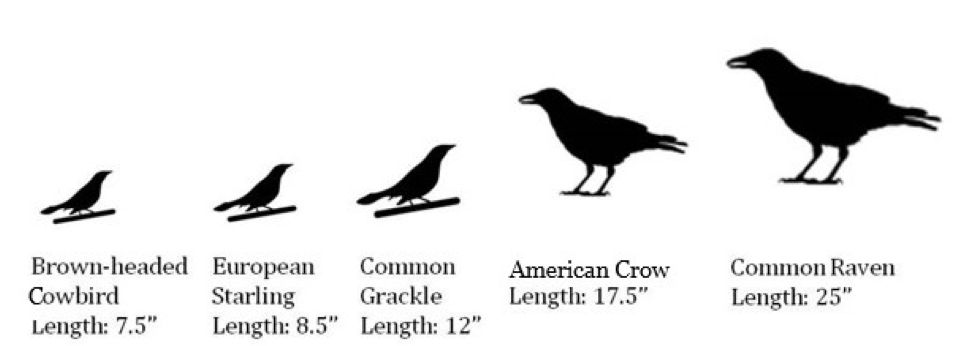
The first step in any bird netting project is accurate identification of the pest bird. Observe the birds, take pictures if necessary, and determine the species you are dealing with. Are they large pigeons or smaller house sparrows? Once you have identified the bird, you can consult a standardized chart to select the appropriate mesh.
Consider the following table as a foundational guide for this selection process. The measurements represent the size of the square opening in the net.
| Target Bird Species | Recommended Mesh Size (Inches) | Recommended Mesh Size (mm) | Common Problem Areas |
|---|---|---|---|
| Sparrows, Finches, Swallows | ¾” | 19 mm | Eaves, canopies, loading docks |
| Starlings, Blackbirds | 1 ⅛” | 28 mm | Ledges, signs, crop fields |
| Pigeons, Grackles | 2″ | 50 mm | Building facades, rooftops, bridges |
| Gulls, Crows, Ravens | 4″ – 6″ | 100 – 150 mm | Open rooftops, landfills, reservoirs |
This table provides a starting point. It is always wise to select the mesh size that corresponds to the smallest bird species present on the site, even if they are not the primary nuisance.
Measuring and Calculating Your Area: More Than Length × Width
After choosing the right mesh size, you need to measure the area carefully. It’s not as simple as length × width, because bird netting isn’t installed flat—it’s set away from the surface to form a barrier.
Think in 3D, Not 2D
Instead of a flat sheet, imagine building a box around the area. You’ll need to consider:
- Length
- Width
- Depth (how far the net extends outward from the surface)
Add Extra Material
Always allow some extra netting:
- Add 5–10% to your measurements
- This covers natural sag and gives enough slack for proper installation
For Irregular Areas
If the space has pipes, corners, or unusual shapes:
- Break it into smaller sections
- Measure each part separately, then add them together
Careful measuring helps you avoid running short and ensures a clean, secure installation.
Point 2: Selecting the Right Material for Your Environment
Point 2: Selecting the Right Material for Your Environment
Once the correct mesh size has been determined, the next crucial step is choosing the netting material. This decision directly affects the net’s strength, durability, and performance in different environmental conditions. While several polymers are available, the two most widely used materials are High-Density Polyethylene (HDPE) and nylon, each suited to different applications.
HDPE is the most common choice for professional bird netting due to its balance of durability, stability, and cost-effectiveness. It is inherently waterproof, so it resists stretching, sagging, or shrinking in response to rain, humidity, or frost, maintaining tension over time. HDPE is also chemically resistant, withstanding bird droppings and industrial pollutants without damage. When stabilized against ultraviolet (UV) radiation during manufacturing, HDPE can endure direct sunlight for many years without significant loss of strength or flexibility, making it ideal for long-term outdoor installations.
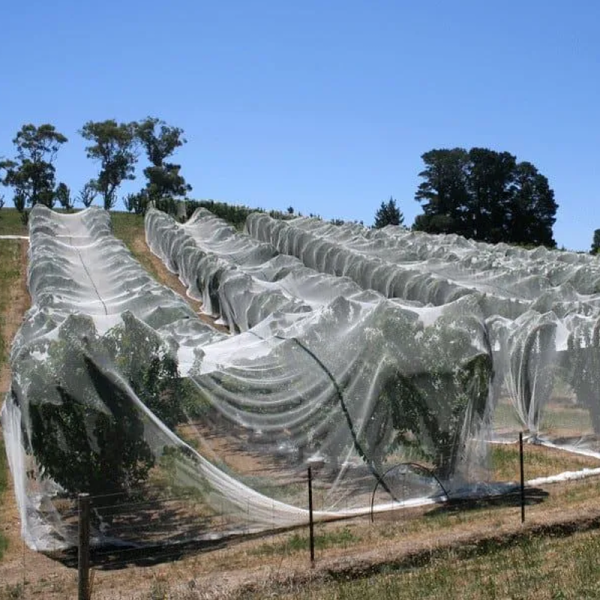
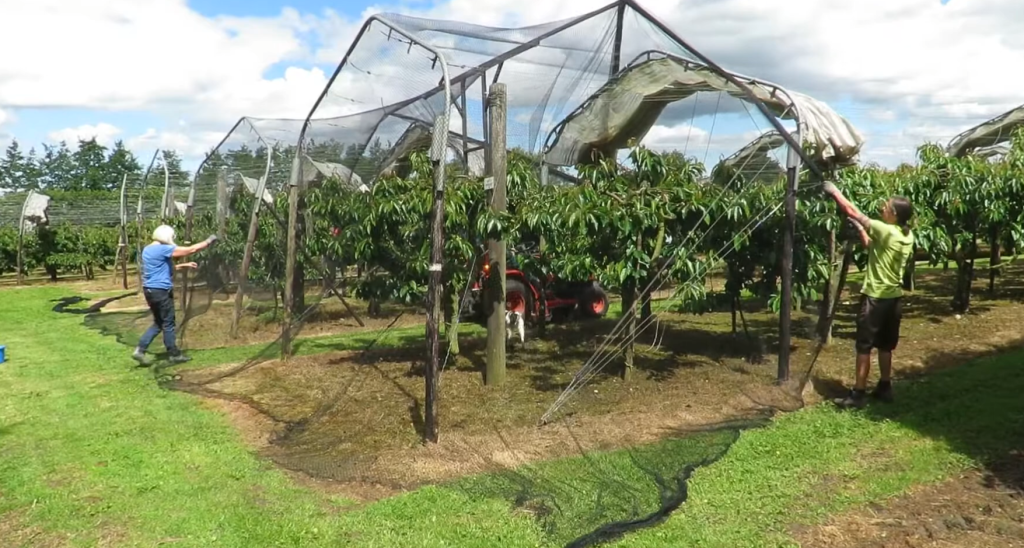
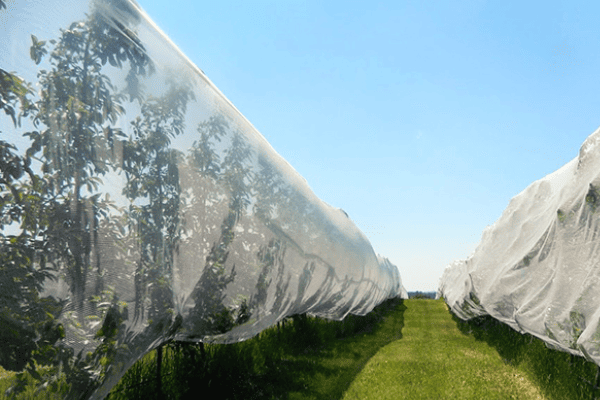
HDPE 40-Mesh Net for Cherry Tree Protection Against Predatory Birds and Small Pests
HDPE 60-mesh ensures safe pest isolation. High load capacity supports stable canopy coverage. UV-resistant durability adapts to diverse climates. Uniform mesh maintains long-term shape stability and airflow balance.
Nylon offers higher tensile strength than HDPE, which makes it suitable for high-stress situations, such as areas exposed to heavy mechanical force. However, standard nylon is hydrophilic and can absorb water, leading to stretching, sagging, or shrinkage if left untreated. To perform well outdoors, nylon must be coated with protective agents and UV inhibitors, which adds cost and complexity. For typical bird exclusion projects on buildings or gardens, this level of strength is often unnecessary.
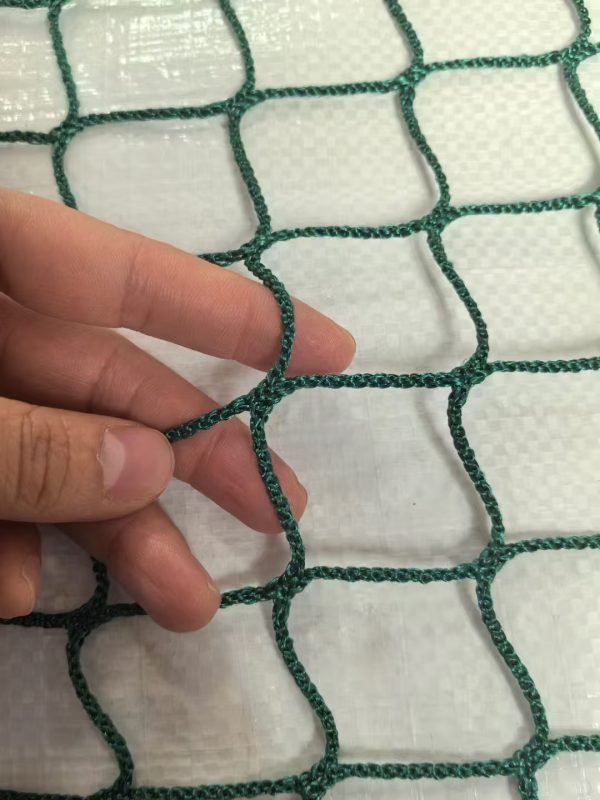
Other materials, such as polypropylene (PP) and polyester, are less common but still available. Polypropylene is lightweight and inexpensive, suitable for temporary or seasonal protection, but offers lower strength and UV resistance than HDPE. Polyester combines strength with better dimensional stability than untreated nylon but is used less frequently.
In summary, HDPE is the most reliable and cost-effective choice for most bird exclusion projects, while nylon is reserved for high-strength or high-impact applications. Lighter or alternative materials may be appropriate for short-term or specialized uses, but careful consideration of environmental conditions and performance requirements is essential for long-term success.
Material Comparison Table
| Feature | High-Density Polyethylene (HDPE) | Nylon (Treated) | Polypropylene (PP) |
|---|---|---|---|
| Tensile Strength | High | Very High | Medium |
| UV Resistance | Excellent (when stabilized) | Good to Excellent (when coated) | Fair to Good |
| Water Absorption | Very Low (hydrophobic) | Low to Medium (hydrophilic but treated) | Very Low |
| Chemical Resistance | Excellent | Good | Good |
| Dimensional Stability | Excellent | Good | Very Good |
| Cost | Moderate | High | Low to Moderate |
| Primary Application | Architectural & Agricultural Bird Control | High-Impact Barriers, Heavy-Duty Loads | Light-Duty, Seasonal Use (Gardens) |
As the table illustrates, there is no single “best” material. The optimal choice is contingent upon the specific demands of the environment and the performance expectations for the installation. For the vast majority of bird-proofing projects on buildings and structures, UV-stabilized HDPE offers the most reliable and enduring solution.
Point 3: Understanding What Determines Netting Longevity
A cheap or poorly made bird net may fail within a single season, while a high-quality net, installed correctly, can last over a decade. Longevity isn’t just about the material—it also depends on how the net is manufactured, how it’s installed, and the environment it faces.
UV Damage: Why Sunlight Matters
Polymers like polyethylene are made of long chains of molecules that give the net its strength and flexibility. Sunlight carries ultraviolet (UV) energy, which can break these chains in a process called photodegradation. Each broken bond creates a “free radical,” an unstable molecule that attacks nearby chains, causing the material to weaken, become brittle, and eventually crack. This is the same process that causes a plastic toy left outdoors to fade and crumble over time.
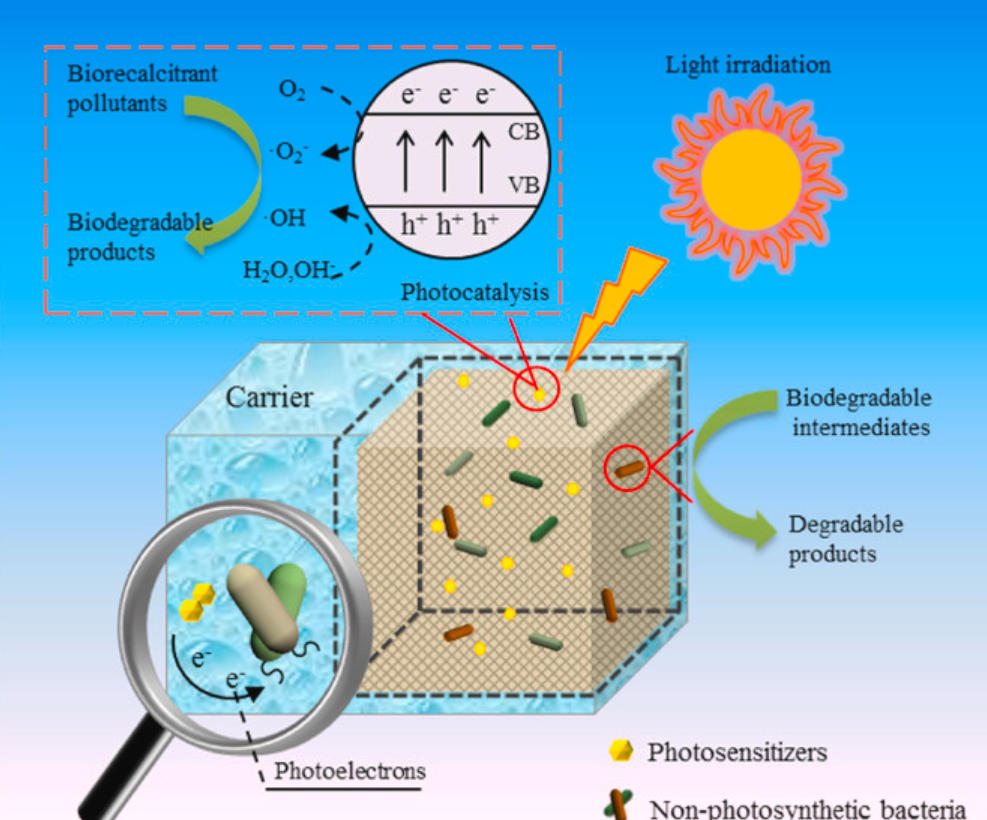
High-quality nets include UV inhibitors that interrupt this process. They either absorb UV energy and release it harmlessly as heat or neutralize free radicals before they can cause further damage. This helps the net retain its strength and flexibility for years. When a manufacturer offers a 10-year warranty, it reflects confidence in these protective additives and the net’s long-term durability.
Knotted vs. Knotless: Strength vs. Appearance
Bird netting comes in two main types: knotted and knotless, and each has its own advantages.
Knotted netting is made like a traditional fishing net, with knots at every intersection. This makes the mesh strong and stable, resistant to tearing and abrasion. If a strand breaks, the surrounding knots prevent the damage from spreading. Knotted nets are best for heavy-duty use, windy areas, or places where the net may rub against surfaces.
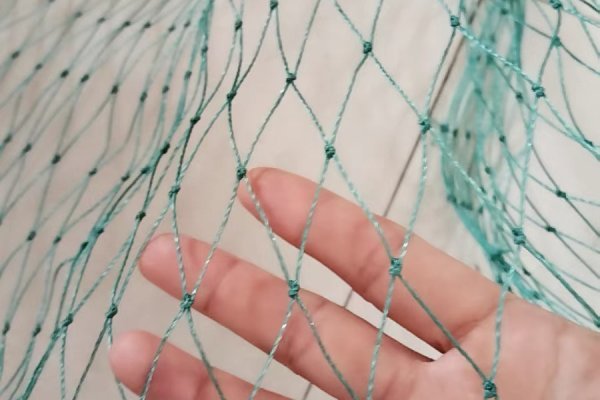
Knotless netting is woven or knitted without knots, resulting in a lighter, lower-profile net that is less visible and offers lower wind resistance. While not as strong as knotted nets, knotless netting is usually sufficient for most standard bird exclusion needs, especially where appearance matters. Its smooth surface also traps less debris.
The choice comes down to what matters more: maximum strength and durability (knotted) or a discreet, lightweight solution (knotless).
The Unsung Hero: Installation Hardware and Technique
Even the most expensive, high-quality netting will fail if installed poorly. The durability of a bird netting system depends as much on proper installation as on the net itself. A professional installation is more than just putting up a product—it’s a complete system.
It begins with a perimeter of high-strength steel cable, carefully tensioned around the area to be protected. The netting is then secured to this cable using specialized fasteners, such as hog rings. This setup keeps the net taut and away from the structure, preventing birds from pushing through at the edges.
Tension is critical: a loose or sagging net not only fails to protect but can also become a safety hazard. Equally important is the quality of the hardware—turnbuckles, corner pieces, intermediate fixings, and hog rings. For outdoor use, stainless steel hardware is highly recommended, as it resists rust and corrosion and ensures the support system remains strong as long as the net itself.
For larger or more complex installations, hiring a professional service that handles everything from material selection to secure installation is often the most sensible long-term investment. Reputable providers, such as Wenetting.com, specialize in delivering comprehensive, customized systems suited to a wide range of applications.
Environmental Factors: Beyond the Sun
While UV radiation is the primary driver of degradation, other environmental factors contribute to the wear and tear on a netting system.
- Wind Load: In windy locations, the net acts like a sail, putting constant stress on the attachment points and the net material itself. This is where proper tensioning and the use of high-quality fixings become absolutely vital.
- Ice and Snow: In colder climates, ice and snow can accumulate on the netting, adding significant weight. This can cause the net to sag or even break if it is not strong enough or if the support structure is inadequate. A steeply angled installation can help shed snow more effectively.
- Chemical Exposure: In industrial settings, such as manufacturing plants or loading bays, the netting may be exposed to airborne chemicals that could potentially degrade the material. In such cases, the superior chemical resistance of HDPE is a distinct advantage.
- Abrasion: If the net is allowed to rub against a rough surface, like a concrete ledge or a tree branch, the constant friction can wear through the strands over time. The installation must be designed to keep the net clear of any such abrasive points.
A thorough assessment of these environmental conditions before installation is a necessary step in forecasting the true longevity of a bird netting system and selecting the components best suited to withstand the specific challenges of the site.
Frequently Asked Questions (FAQ)
What is the most common mistake when buying bird netting? The most frequent error is selecting the wrong mesh size for the target bird. People often underestimate the ability of small birds like sparrows to get through what appears to be a small hole. Always identify the smallest bird species present and choose a mesh size specifically designed to exclude them.
Can I install bird netting myself? For small, simple areas like a garden patch or a small balcony, a DIY installation is often feasible. However, for larger architectural applications, high elevations, or complex structures, professional installation is strongly recommended. Professionals have the proper safety equipment, tools, and expertise to ensure the netting is tensioned correctly and securely fastened, which is vital for its effectiveness and longevity.
Is black or white netting better? Black is the most common and generally preferred color. The carbon black pigment used to color the netting is an excellent UV inhibitor itself, adding to the net’s longevity. Aesthetically, black netting tends to absorb light and recede into the shadows, making it less conspicuous against most backgrounds than white netting, which reflects light.
How do I clean bird netting? In most cases, bird netting requires very little maintenance, as rain will wash away most dust and debris. If significant debris like leaves accumulates, it can usually be removed with a leaf blower or a soft brush. For stubborn dirt, the netting can be gently hosed down. Avoid using high-pressure washers, which could damage the net.
Will bird netting harm the birds? When selected and installed correctly, bird netting is one of the most humane methods of bird control. The principle is exclusion, not entrapment. A properly tensioned net with the correct mesh size presents a physical barrier that birds can see and avoid, encouraging them to find another place to roost without causing them any harm.
What is the expected lifespan of professional-grade bird netting? High-quality, UV-stabilized polyethylene (HDPE) netting, when professionally installed, typically comes with a manufacturer’s warranty of 10 years. With proper installation and in average environmental conditions, it is common for such systems to last 15 years or even longer before needing replacement.
Does the color of the netting affect its effectiveness? The color does not impact the net’s effectiveness as a physical barrier. Birds will be excluded by black, white, or stone-colored netting equally. The choice of color is almost entirely an aesthetic one, based on which color will be the least visible against the building or structure it is protecting.

Read our most popular articles.
👉 Download our free product categories
👉 How to Choose the Right Bird Netting for Blueberry Farms
👉 How an Oregon Vineyard Saved $50k in Crop Loss from Birds
👉 Practical Buyer’s Guide: HDPE vs. Nylon: A Material Showdown for Garden Netting
👉 Ultimate Guide to 10 Common Mistakes Farmers Make When Installing Bird Netting
👉 How to Start a Private Label Netting Business: A 5-Step Framework for Work
👉 The Chinese Manufacturing vs. Local Suppliers: A Netting Buyer’s Guide