Bird netting is a practical and non-lethal method for protecting crops from birds, ensuring that fruits and vegetables reach the market rather than being damaged. Its effectiveness depends on proper installation, as errors can compromise the entire system. Common challenges include selecting inappropriate materials or mesh sizes, underestimating structural support, insufficient site preparation, inadequate net tension, gaps at the edges, and neglecting future crop growth. Weather factors such as wind and snow, as well as usability and maintenance considerations, must also be addressed to ensure durability. A clear understanding of these principles allows growers to move from reactive damage control to proactive crop protection, applying knowledge of agronomy, materials, and bird behavior to design a robust and long-lasting netting system.
The following ten points highlight the most frequent mistakes encountered during bird net installation, providing practical guidance to avoid preventable problems and safeguard both yield and investment.
Fast Reading
- Choose netting material and mesh size based on specific bird threats and climate.
- Design a robust support structure to handle tension and environmental loads.
- Ensure the netting is taut and completely sealed at all edges to prevent entry.
- Integrate access points for machinery and personnel without compromising security.
- Avert common installation mistakes through careful planning.
- Implement a consistent inspection and maintenance schedule for long-term effectiveness.
- Plan for future crop growth by providing sufficient clearance from the outset.
Mistake 1: Choosing the Wrong Netting Material and Mesh Size
Selecting the right netting material and mesh size is one of the most important steps in any installation. Using the wrong type can compromise the entire system, regardless of how well other aspects are executed.
Material Properties: HDPE, Nylon, and Polypropylene
The choice of material affects strength, weight, durability, and performance under environmental conditions. The most common options are High-Density Polyethylene (HDPE), Nylon, and Polypropylene.
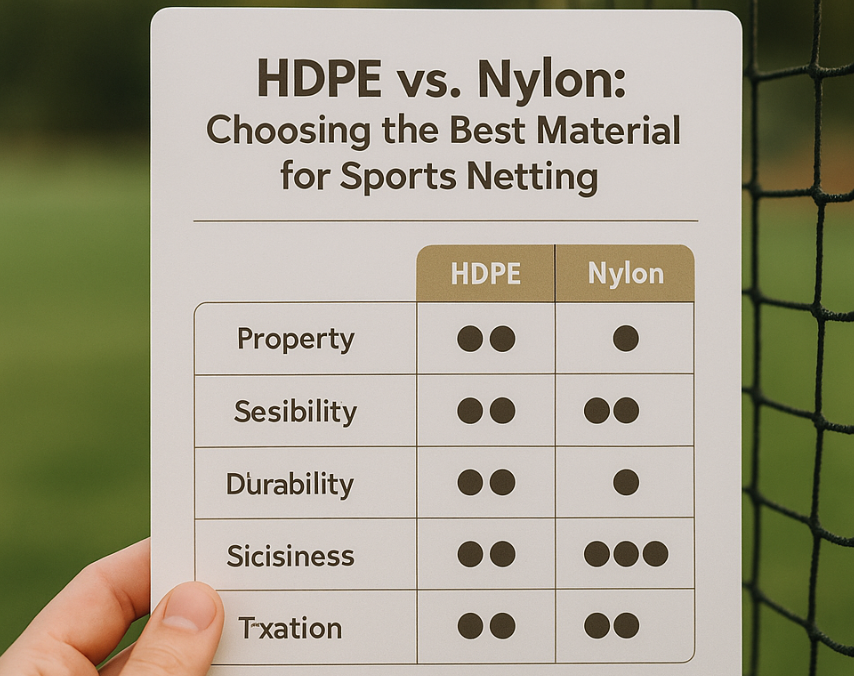
- HDPE is widely used in agricultural netting due to its high strength-to-weight ratio, resistance to UV damage, chemicals, and water. It maintains shape when wet and offers long-term durability, making it a reliable investment.
- Nylon has high tensile strength but absorbs water, which can cause stretching, sagging, and reduced durability when exposed to rain. This makes it less suitable for permanent outdoor installations.
- Polypropylene is lightweight and often more affordable. It resists water absorption like HDPE, but untreated or poorly treated polypropylene is vulnerable to UV damage and may degrade within a few seasons.
Choosing the correct material and mesh size for the target bird species and site conditions is critical to the success of any bird netting system.
| Feature | High-Density Polyethylene (HDPE) | Nylon (Polyamide) | Polypropylene (PP) |
|---|---|---|---|
| UV Resistance | Excellent (with proper additives) | Poor to Moderate | Moderate (requires significant treatment) |
| Water Absorption | Very Low (Hydrophobic) | High (Hydrophilic) | Very Low (Hydrophobic) |
| Tensile Strength | High | Very High | Moderate to High |
| Weight | Lightweight | Heavier when wet | Very Lightweight |
| Chemical Resistance | Excellent | Good | Excellent |
| Typical Lifespan | 10+ years | 3-7 years (outdoors) | 5-8 years (with UV treatment) |
| Cost | Moderate | High | Low to Moderate |
The Critical Role of Mesh Size for Target Species
After material, mesh size is the next gatekeeper. The “mesh” refers to the size of the holes in the net. The guiding principle is simple: the hole must be smaller than the body of the bird you intend to exclude. A common misstep is to select a large mesh to save on material cost or weight, only to find that smaller, more agile birds can easily pass through. Conversely, a mesh that is unnecessarily small can block airflow, increase wind load, and potentially interfere with pollination if installed during bloom.
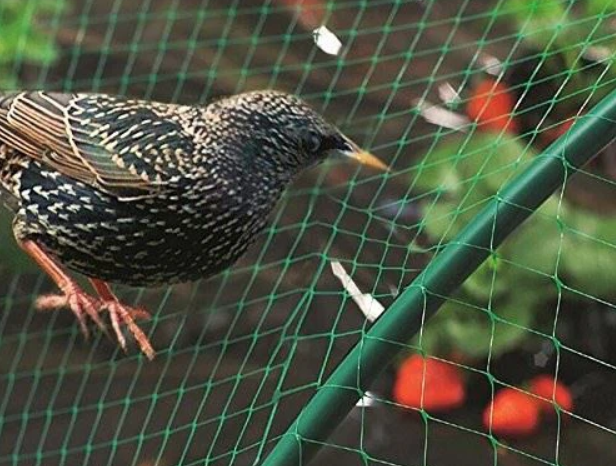
One must identify the primary avian threat. Are you battling large pigeons or crows, or are the culprits tiny sparrows and finches? Each requires a different approach. A deep understanding of the local bird population is not just an ecological curiosity; it is a vital piece of economic data for your farm.
| Target Pest Bird | Common Species | Body Diameter | Recommended Mesh Size |
|---|---|---|---|
| Small Birds | Sparrows, Finches, Warblers | ~1.5 – 2 cm | 15mm – 19mm (3/4 inch) |
| Medium Birds | Starlings, Blackbirds, Grackles | ~2.5 – 3.5 cm | 25mm – 28mm (1 – 1 1/8 inch) |
| Large Birds | Pigeons, Crows, Gulls | ~5 – 8 cm | 40mm – 50mm (1 1/2 – 2 inch) |
| Very Large Birds | Geese, Turkeys, Large Raptors | >10 cm | 100mm+ (4 inch+) |
Choosing a 28mm mesh to stop starlings is effective, but it will do little to deter a flock of house finches. The financial loss from this single oversight can be staggering. The goal is exclusion, which demands precision.
UV Treatment and Durability Considerations
The sun is both a source of life for crops and a relentless agent of degradation for polymers. Unprotected plastic, when exposed to the sun’s ultraviolet radiation, undergoes a process called photodegradation. The polymer chains break down, causing the material to become brittle, lose strength, and ultimately disintegrate.
For agricultural netting, which may be exposed to the sun for months or years on end, UV stabilization is not an optional feature; it is a prerequisite for a viable product. High-quality netting incorporates UV-inhibiting additives, typically carbon black, directly into the polymer resin before it is extruded into filaments.
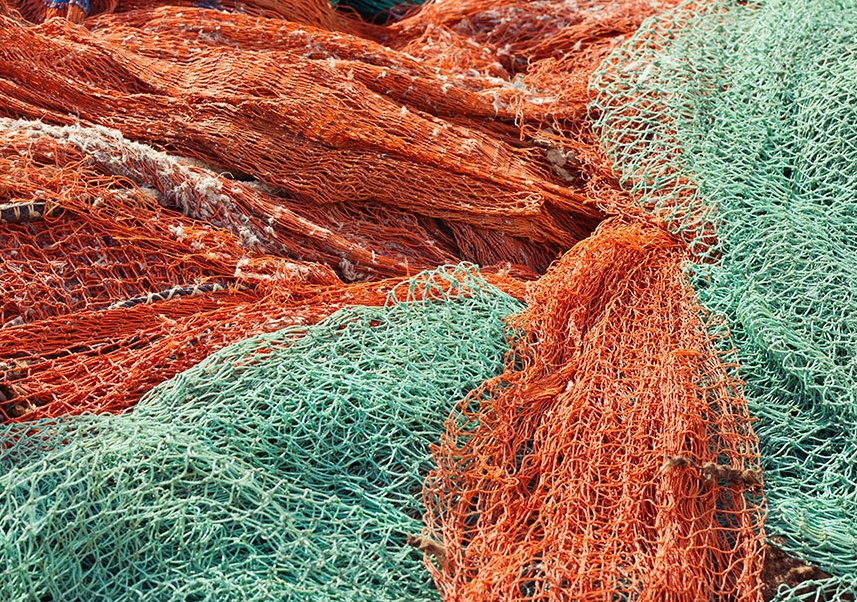
This provides protection throughout the material, not just as a surface coating that can wear off. When evaluating netting, one should inquire about the method and concentration of UV stabilization. A supplier’s warranty is often a good indicator of their confidence in the product’s longevity. Investing in a well-stabilized HDPE net might have a higher initial cost, but its extended lifespan represents a far lower annualized cost compared to replacing cheaper, untreated nets every few years. This long-term economic thinking is essential to avoid one of the most fundamental installation mistakes.
Mistake 2: Underestimating Structural Support Requirements
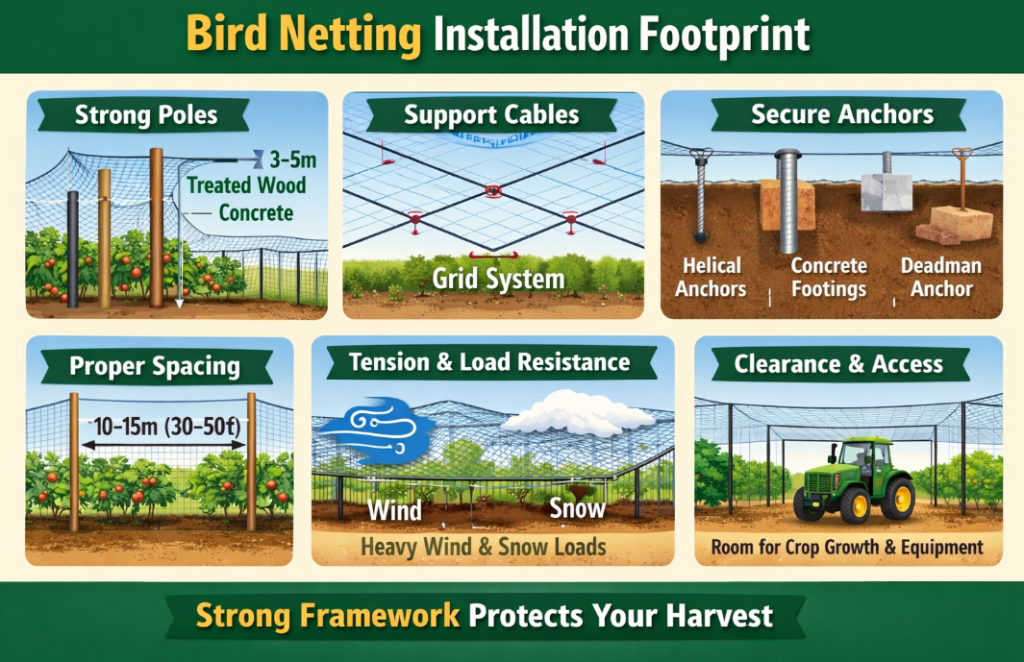
A bird net is only as strong as the framework that holds it. Many failures happen not because the net tears, but because the supporting structure collapses. Poles, cables, and anchors are not accessories. They are the skeleton that keeps the net in place. Underestimating them is a common and costly mistake.
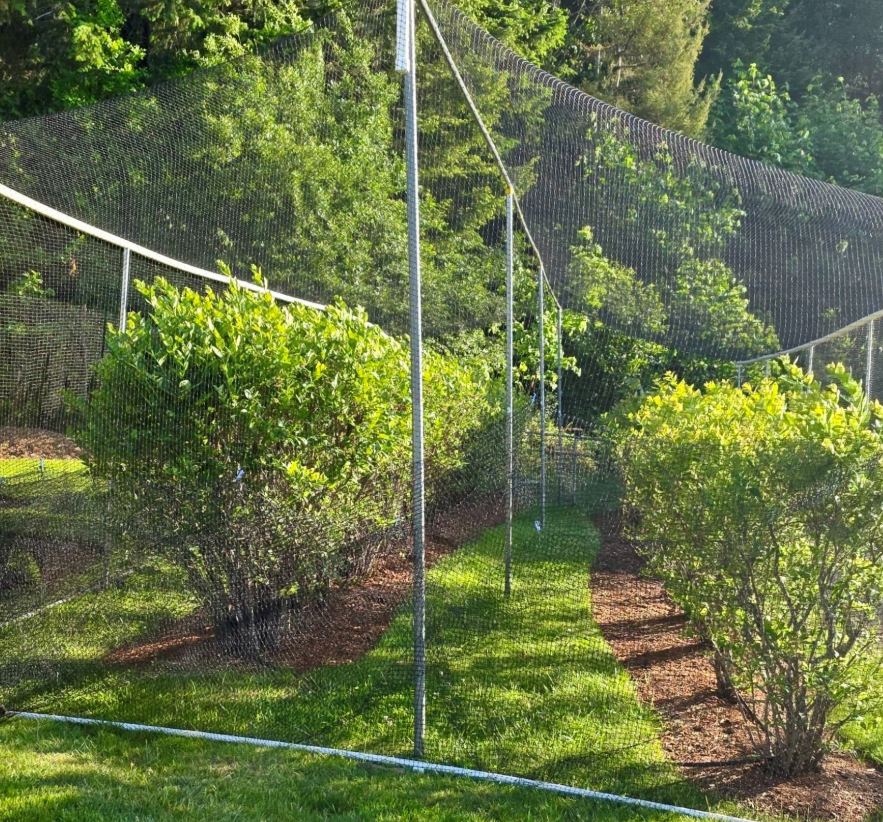
Tension and load are key. A large net stretches like a rubber band. The further it stretches, the more force it puts on poles and anchors. The net also carries its own weight. Wind, rain, and snow add extra load. Strong gusts can bend poles. Wet snow or ice can add thousands of pounds. The framework must be built to handle all of this.
Choosing poles and cables requires care. Consider the material, diameter, and height. Steel is strong and long-lasting. Treated wood is cheaper but less durable. Taller, thicker poles are needed for wide spans and areas with heavy wind or snow. A grid of support cables helps spread the load and prevent sagging. High-tensile steel cable is the standard.
Anchors matter too. They transfer all forces into the ground. The right system depends on soil type. Clay soils hold anchors well. Sand and gravel need deeper or larger anchors. Rocky soil may require drilled or concrete footings. Testing the soil before ordering materials can prevent failures.
Spacing poles is a balancing act. Too far apart, and the net sags, giving birds a place to perch and push through. Too close, and costs rise with little benefit. Sagging also damages the net and crops. The right spacing depends on net type, crop, and environmental loads. A typical guideline for permanent canopies is 10 to 15 meters (30 to 50 feet) between poles, but exact spacing should follow manufacturer or installer recommendations.
Careful planning and strong, well-anchored structures prevent most installation failures. A durable framework protects both the net and the harvest.
Mistake 3: Inadequate Site Preparation
The success of a bird netting installation begins before the first pole is set or the first roll of netting is unfurled. The ground upon which the structure will stand is the foundation for the entire project. Failing to properly prepare the site is akin to building a house on an uneven and cluttered plot of land. The resulting structure will be unstable, difficult to erect, and prone to problems throughout its life. This oversight is a foundational error in the sequence of steps and a key issue among common bird netting installation mistakes.
Clearing Debris and Vegetation
The area designated for the netting enclosure must be thoroughly cleared. This is not merely an aesthetic consideration; it is a functional necessity. Any existing vegetation, such as tall weeds, shrubs, or overhanging tree branches, can interfere with the installation and compromise the final result.
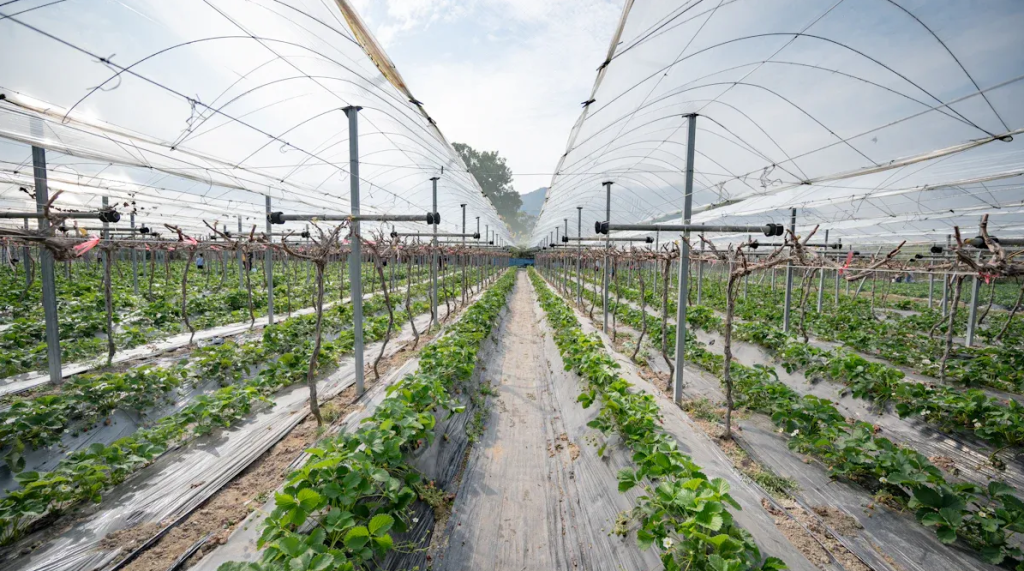
- Abrasion and Tearing: Branches rubbing against the net in the wind will act like sandpaper, wearing away at the filaments and eventually creating holes. A single sharp, broken branch can easily snag and rip the netting during the unfurling process, causing damage before the system is even operational.
- Pest Havens: Uncontrolled vegetation along the perimeter can provide cover and nesting sites for rodents and other pests. These animals may then chew through the base of the net to gain access to the crop, creating entry points for the very birds the net is meant to exclude.
- Installation Obstacles: Attempting to lay out and tension a large net over a field littered with rocks, stumps, and debris is an exercise in frustration. The net will constantly snag, increasing the risk of tears and making it impossible to achieve uniform tension.
A properly prepared site is a clean slate. All debris should be removed, and the perimeter should be mowed or graded to create a clear working area. Overhanging limbs from adjacent trees must be trimmed back to ensure they will not come into contact with the completed structure.
Leveling the Ground and Planning for Drainage
While it is not always feasible to create a perfectly flat surface, significant dips and rises in the terrain should be addressed. An uneven ground level makes it difficult to properly seal the bottom edge of the netting. A dip in the ground can create a permanent gap between the net and the soil, an open invitation for birds and other ground-based pests to enter.
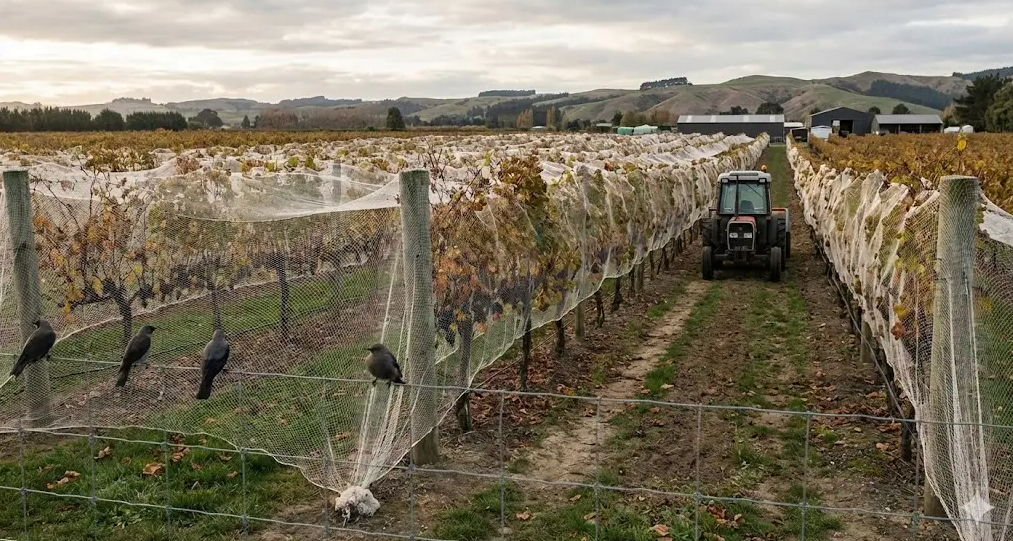
Grading the perimeter to create a relatively smooth and level path is highly recommended. This not only facilitates a better seal but also makes the installation process itself much smoother.
Furthermore, one must consider water flow. The installation of poles and the potential creation of trenches for burying the net edge can alter the natural drainage patterns of the field. It is important to ensure that the installation does not inadvertently create areas where water will pool. Standing water can weaken the soil around anchor points, promote weed growth, and create unfavorable conditions for the crop near the perimeter.
Mapping Out the Installation Footprint
Before any physical work begins, the entire installation should be mapped out on the ground. This involves using stakes and string lines to mark the precise location of every pole, anchor point, and the perimeter of the enclosure. This simple act of measurement and planning prevents a host of problems.
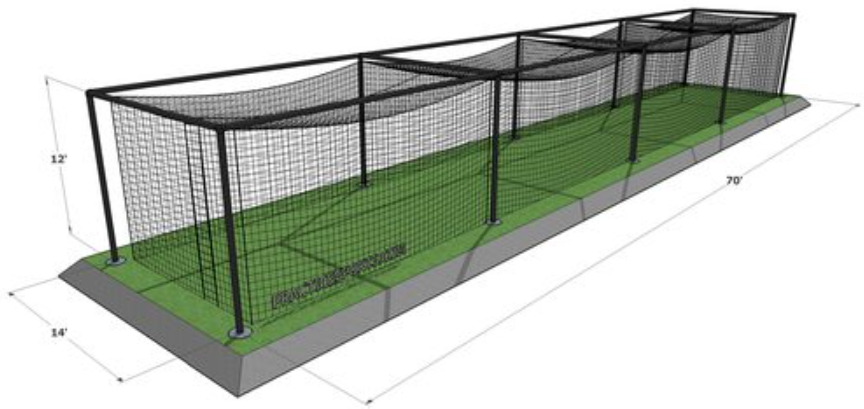
- Ensuring Squareness: A structure that is not square will be impossible to tension correctly. Some sections will be too tight, while others will be loose and saggy. Using the 3-4-5 method (or a multiple, like 30-40-50 feet) to check corners for a perfect 90-degree angle is a fundamental surveying technique that pays huge dividends.
- Accurate Spacing: The mapping process ensures that the pole spacing decided upon in the design phase is accurately transferred to the field. It prevents “drift” during installation, where small errors in measurement accumulate over a long distance.
- Identifying Obstacles: Laying out the footprint may reveal previously unnoticed obstacles, such as irrigation heads, utility lines, or rock outcroppings, that need to be addressed or worked around. It is far better to discover these during the mapping stage than when you are attempting to dig a hole for a post.
Thorough site preparation is an investment of time that repays itself many times over in reduced installation difficulties, improved structural integrity, and long-term performance. Skipping this step is a classic example of being “penny wise and pound foolish,” a mistake that sets the stage for future failure.
Mistake 4: Improper Net Tension
Once the structure is ready, it is time to stretch the net. The net must be tight enough to stay firm, but not so tight that it stresses the net or supports. Too loose or too tight tension is a common and costly mistake.
Sagging Creates Entry Points
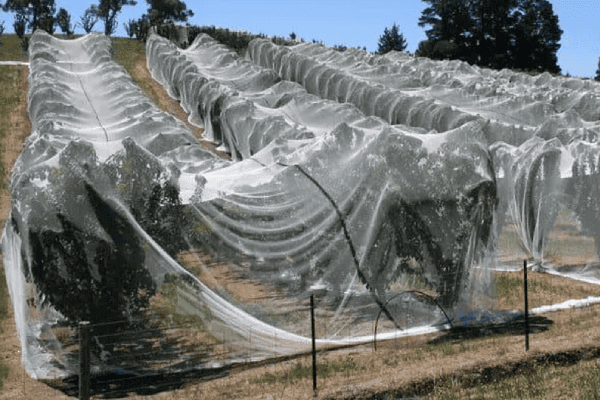
A loose net sags, forming low points. Water collects, adding weight and causing further stretching. Wind makes the net flap, creating friction that wears the net and can damage crops. Birds like starlings test weak spots. A sagging net gives them an opening to push through. A taut net offers no grip and keeps birds out.
Over-Tensioning Stresses the System
Too much tension is also dangerous. It stretches net filaments to their limits, making them prone to snapping. Poles may lean inward, cables can stretch or break, and anchors can be pulled from the ground. Over-tensioning often leads to structural failure.
Finding the Right Tension
The net should be firm but slightly elastic.
- Work in Stages: Secure one side first, then move across the net. Pull slack evenly. Tools like net pullers or temporary ropes help.
- Use Proper Fasteners: Clips, lacing cords, or hog rings should be spaced closely and evenly. Too few fasteners create stress points.
- Tension in Cool Conditions: Net materials expand in heat and contract in cold. Tensioning in the morning helps avoid over-tightening as the net cools overnight.
Correct tension transforms a simple net and posts into an effective protective system. It is easy to get wrong but fully preventable with careful attention.
Mistake 5: Leaving Gaps and Unsealed Edges
An agricultural bird netting system is an exercise in totality. Its function is based on the principle of complete exclusion. A net that is 99% sealed is 100% ineffective against a determined bird. The smallest gap, the tiniest opening, is a vulnerability that will be discovered and exploited. The failure to meticulously seal every perimeter, every seam, and every penetration is one of the most common and frustrating mistakes, as it can render an otherwise perfect installation useless. It is the Achilles’ heel of many netting projects.
The Perimeter Problem: Securing the Netting to the Ground
The most extensive and vulnerable edge is where the netting meets the earth. Birds, especially species that forage on the ground, will naturally walk the perimeter of the enclosure, probing for a way in. Simply allowing the net to drape onto the ground is insufficient. Wind will lift it, and animals will easily push under it.
There are two primary methods for securing the perimeter:
- Burying: This involves digging a trench (typically 15-30 cm or 6-12 inches deep) around the entire perimeter, laying the edge of the netting in the trench, and then backfilling it with soil. This creates a highly secure, permanent seal that is impenetrable to both birds and most ground-dwelling pests. It is labor-intensive but offers the highest level of security.
- Pinning/Weighting: For less permanent or seasonal installations, the edge of the net can be secured to the ground using landscape staples or pins driven into the soil at close intervals. Alternatively, a continuous line of weight, such as gravel-filled bags (sandbags) or lengths of chain, can be used to hold the edge down. While easier to install and remove, this method requires more frequent inspection, as pins can loosen in soft soil and gaps can form between weights.
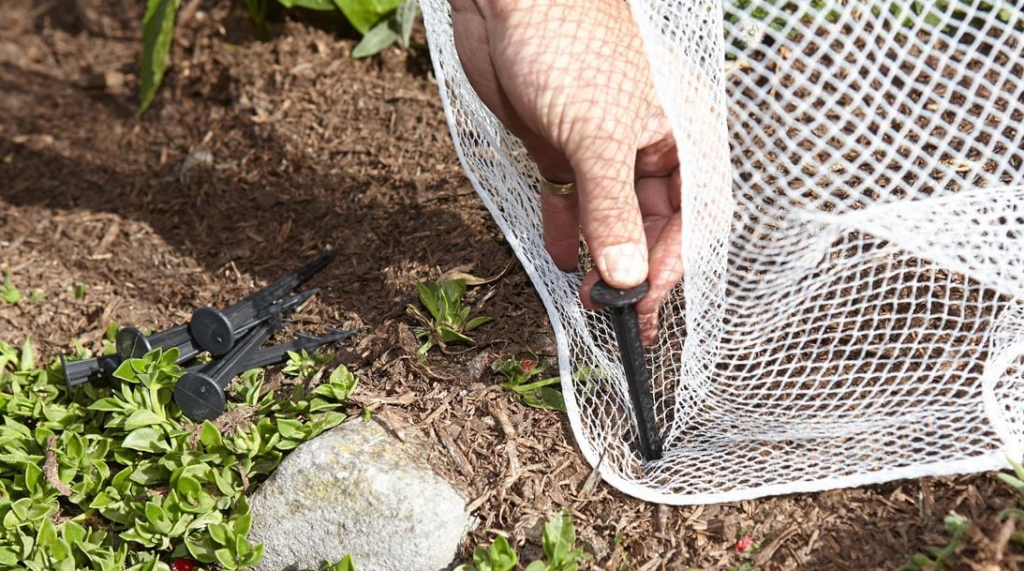
The choice depends on the permanence of the crop and the intensity of the pest pressure. For a multi-year vineyard or orchard, burying the edge is the superior long-term solution.
Sealing Around Posts and Other Obstructions
Every support pole that passes through the plane of the netting creates a potential entry point. Wrapping the net loosely around the pole is not enough. Birds can and will squeeze through the resulting gaps.
Each penetration must be carefully sealed. This can be done by making a relief cut in the netting, fitting it snugly around the pole, and then meticulously sealing the cut and the area around the pole. This can be accomplished by:
- Lacing: Using a durable, UV-resistant lacing cord to “sew” the cut edges of the net back together and to cinch the netting tightly to the pole itself.
- Zip Ties: Heavy-duty, UV-stabilized zip ties can be used to fasten the netting securely to the pole. Multiple ties should be used at different heights on the pole to ensure there are no gaps.
- Patching: For larger or irregular penetrations, a separate patch of netting can be placed over the area and securely fastened to both the main net and the obstruction, creating a sealed “boot.”
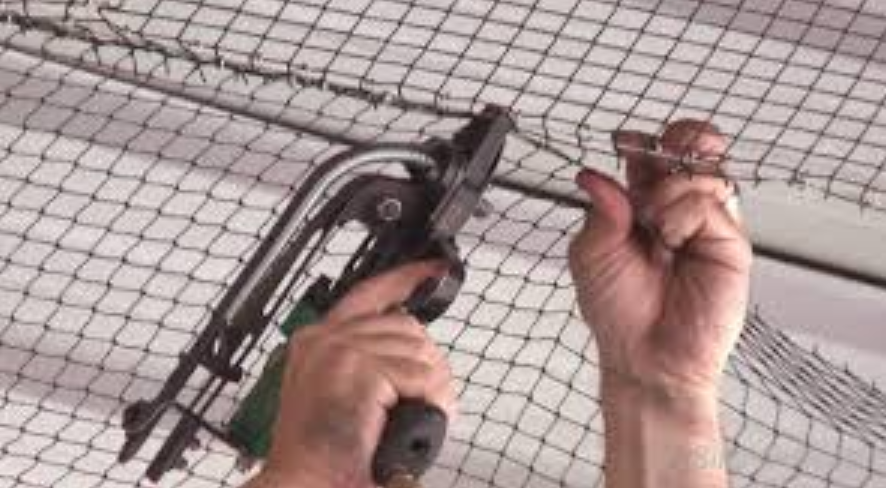
The same meticulous attention must be paid to any other objects that penetrate the net, such as irrigation pipes or monitoring equipment.
The Psychology of a Persistent Bird: Exploiting the Smallest Opening
Birds are persistent and smart. They are drawn to ripe fruit and will explore every part of a netted area. They do not look for big openings. Even a small gap, a loose corner, or a tiny tear is enough for them to get in.
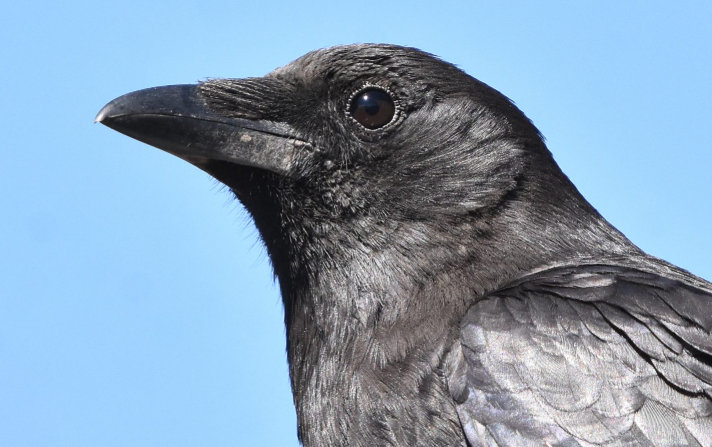
Many pest birds, like starlings and crows, are curious and good at solving problems. They will push, pull, and probe any weak spot. One bird finding a gap can teach the rest of the flock. A single small opening can let many birds inside.
To prevent this, every edge and seam must be checked carefully. Ask yourself: “Could a small bird squeeze through here?” Attention to detail is essential. A fully sealed net keeps birds out, while minor oversights turn the system into a weak barrier.
Mistake 6: Ignoring Weather and Environmental Factors
A bird netting installation does not exist in a vacuum. It is a structure built in the real world, subject to the full force of nature. A design that looks perfect on a calm, sunny day can fail spectacularly when confronted with a winter storm or a summer gale. Failing to anticipate and engineer for local weather conditions is a form of shortsightedness that can lead to the complete destruction of the netting system. This is a crucial mistake, as it ignores the dynamic, often violent, context in which the structure must survive.
Planning for Wind Load: The Sail Effect
Wind is perhaps the most powerful and relentless force that a netting structure will face. A large, taut expanse of netting, especially a finer mesh, acts as a massive sail. Even though the net is porous, it still presents significant resistance to airflow. This resistance translates into lateral (sideways) pressure on the entire structure.
The force exerted by wind increases exponentially with its speed. A 50 km/h (30 mph) wind exerts four times the force of a 25 km/h (15 mph) wind. A failure to account for the maximum expected wind speeds in a given region is a recipe for disaster. This force will test every component: the strength of the poles, the integrity of the cable system, and, most critically, the holding power of the anchors.
Strategies to mitigate wind load include:
- Robust Structure: Using stronger, thicker poles and more substantial anchoring systems in areas known for high winds.
- Proper Tension: A properly tensioned net is actually more resistant to wind damage than a loose one. A loose net flaps violently, causing fatigue and abrasion, while a taut net deflects the wind more cleanly.
- Mesh Size Selection: A larger mesh size allows more air to pass through, reducing the sail effect. This must be balanced against the size of the birds being excluded.
- Retractable Systems: In some applications, particularly for seasonal protection, retractable or “open-roof” systems can be used. These allow the netting to be drawn back and secured before a major storm, protecting it from the most extreme wind events.
Snow and Ice Accumulation: A Weighty Issue
In regions that experience winter precipitation, snow and ice represent a different but equally dangerous threat. Unlike wind, which exerts a lateral force, snow and ice add a massive downward load.
Bird netting can be remarkably effective at catching and holding snow. A light, fluffy snowfall might not pose a problem, but a heavy, wet snow or an icing event can add thousands of kilograms of weight to the structure. The netting itself can stretch or tear under this load, but the more common failure is the collapse of the support structure. Cables snap, pole cross-arms bend, and entire sections can come crashing down onto the crops below (which may be dormant perennials like grapevines or blueberry bushes).
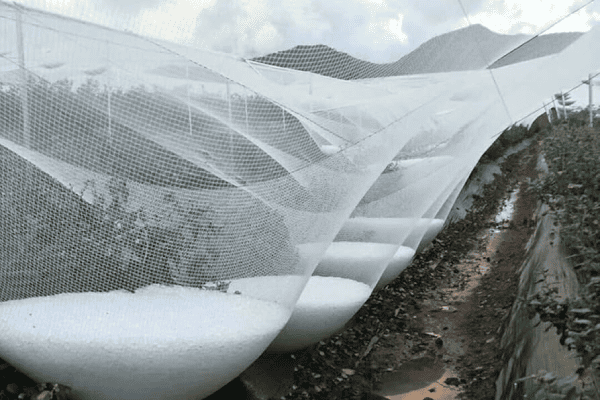
Planning for snow and ice includes:
- Increased Structural Strength: Designing the system with higher load ratings in mind. This means stronger poles, thicker cables, and shorter spans between supports.
- Steeper Roof Pitch: For fully enclosed canopy systems, designing a steeper pitch to the “roof” of the netting can help shed snow rather than accumulate it.
- Seasonal Removal: For many crops, the most practical solution is to remove the netting entirely before the first snowfall. This requires a system designed for relatively easy removal and re-installation, adding to the initial design complexity but safeguarding the investment.
- Active Management: In the event of an unexpected snowfall on an installed net, it may be necessary to manually dislodge the snow using long poles or air blowers to prevent a catastrophic accumulation of weight.
Sun Exposure and Material Degradation Over Time
The sun’s impact goes beyond the simple heating and cooling cycle. As discussed in the context of material selection, long-term exposure to ultraviolet (UV) radiation is the primary aging factor for polymer netting. This is an environmental factor that acts not with the sudden violence of a storm, but with the slow, inexorable certainty of time.
Ignoring the long-term effects of sun exposure is a mistake made at the purchasing stage. Opting for a cheaper, non-UV-stabilized net is a false economy. Such a net might perform perfectly for one or even two seasons, but it will become progressively weaker and more brittle. It may then fail under a load (like moderate wind) that it could easily have withstood when new.
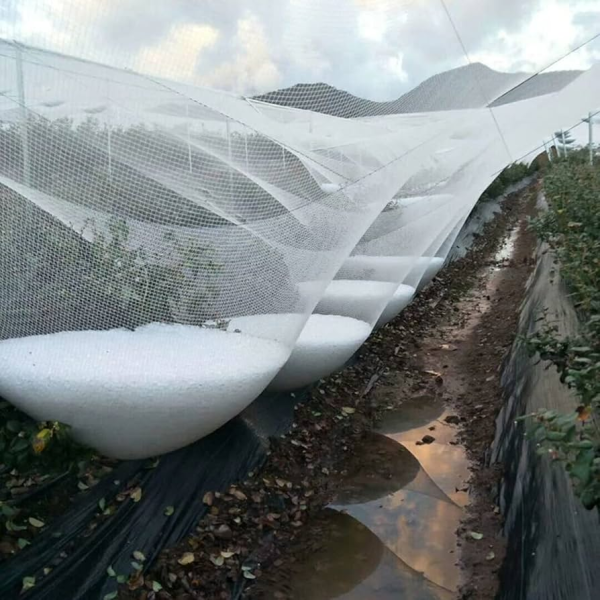
Anti-Tear Storm Safe Orchard HDPE Hail Protection Net
The 4×7mm reinforced mesh structure, crafted from high-tenacity 0.35mm HDPE monofilament, delivers exceptional tear resistance and consistent impact dispersion against hail strikes, ensuring long-term protection for orchards exposed to seasonal…
The selection of a high-quality, UV-stabilized material like HDPE is the primary defense. The color of the net also plays a role. Black netting typically has the best UV resistance because carbon black is an excellent UV inhibitor. White or translucent nets may be preferred in some cases to maximize light transmission to the crop, but they may have a shorter lifespan unless treated with more advanced (and expensive) chemical UV absorbers. Understanding the local intensity of solar radiation and choosing a product with a lifespan and warranty that match the project’s needs is a fundamental aspect of responsible planning. It is a slow-motion mistake, but a mistake nonetheless, and a key contributor to common bird netting installation mistakes.
Mistake 7: Neglecting Access and Usability
A bird netting enclosure is not a museum piece to be admired from afar. It is part of a working farm. People, tractors, sprayers, and harvesting equipment must be able to get in and out efficiently and safely. A common and deeply frustrating mistake is to design and build a perfectly sealed, impenetrable fortress that is also impenetrable to the farmer. When access is difficult, workers are more likely to create their own “shortcuts,” such as leaving a gate unlatched or lifting a net edge, which completely defeats the purpose of the system.
Designing Entry and Exit Points for People and Machinery
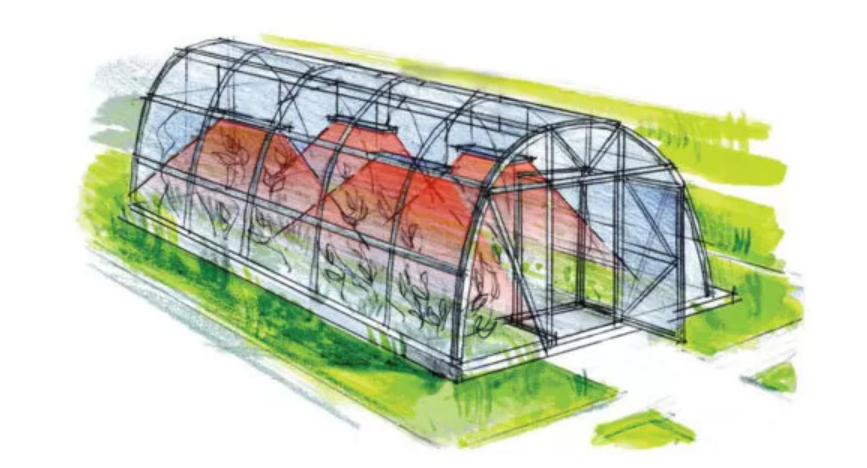
From the very beginning of the planning phase, one must think about workflow. Where do tractors need to enter for mowing or spraying? Where will harvest crews need to access the rows? How will individual workers get in and out for tasks like pruning or irrigation checks?
These access points must be designed into the system, not added as an afterthought. Options include:
- Gates: For machinery access, purpose-built gates are essential. These can be swing gates or sliding gates integrated into the perimeter pole structure. The key is that they must be as well-sealed as the rest of the perimeter when closed. This means having tight tolerances and a secure latching mechanism.
- Zippered Doors: For personnel access, heavy-duty zippered doors can be sewn directly into the netting. These provide quick and easy entry without compromising the seal. It is important to choose high-quality, UV-resistant zippers that will not fail after a season of use.
- Overlapping Flaps: A simpler, less expensive option for personnel is to create an entryway with two overlapping panels of netting. When properly weighted at the bottom, these flaps can provide a reasonably secure seal while allowing people to pass through. However, they are more prone to being left ajar or being breached by wind compared to a zipper.
The number and placement of these access points are a balance between convenience and security. Too few will frustrate workflow; too many will increase cost and potential points of failure.
The Challenge of Working Under the Net
The internal environment of the netted enclosure also affects usability. The height of the netting is a primary consideration. It must be high enough to clear not only the mature height of the crop but also any machinery that will operate underneath it. A net that is too low can snag on equipment, leading to tears. It also creates a cramped and uncomfortable working environment for personnel, which can reduce productivity and morale. Calculating the maximum required vertical clearance is a non-negotiable part of the design process.
The support structure itself can also impact usability. The layout of poles and guy wires should be planned to minimize obstruction to vehicle paths and primary walkways. A pole placed in the middle of a natural turning radius for a tractor is a constant source of irritation and a potential collision hazard.
Incorporating Zippers, Gates, and Removable Sections
Beyond standard entry and exit, thinking about modularity can greatly enhance usability. In some systems, it may be beneficial to design entire sections of the netting to be removable. For example, a large side panel could be attached with lacing cord rather than permanent hog rings, allowing it to be opened up completely for a specific, infrequent operation like bringing in a large piece of harvesting equipment.
Similarly, incorporating zippers along internal support cables can allow sections of the net to be temporarily rolled up and secured. This might be useful for tasks that require unrestricted overhead access to a particular section of the crop.
Ultimately, neglecting usability transforms the netting from a helpful tool into a daily obstacle. A system that is difficult to work with is a system that will be circumvented. By empathizing with the people who will have to work in and around the enclosure every day, an installer can create a system that is both secure and practical. This foresight prevents one of the most frustrating and counter-productive bird netting installation mistakes.
Mistake 8: Skipping Regular Inspection and Maintenance
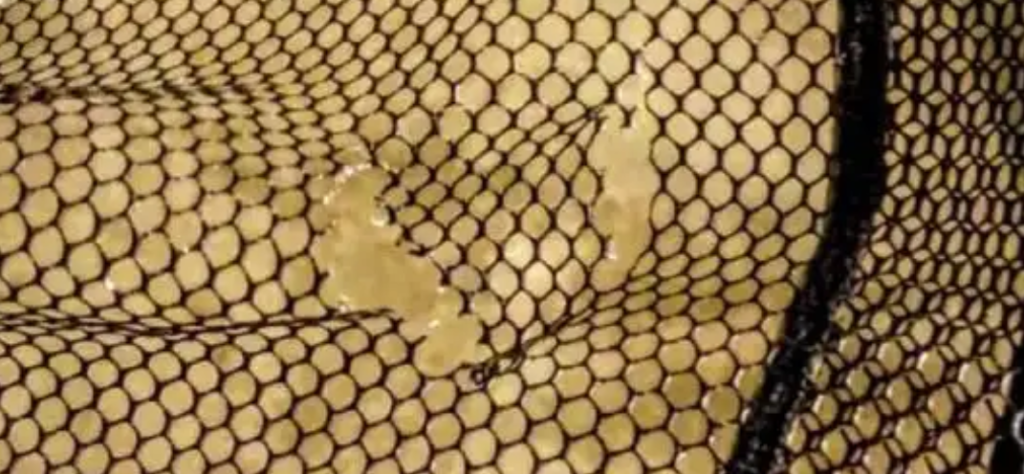
Bird netting is not “set and forget.” Like any farm asset, it needs regular attention. Ignoring small issues allows minor damage to grow into costly failures.
Proactive Repairs
Small holes, loose anchors, or sagging cables can be fixed quickly. Left unchecked, holes enlarge, birds exploit gaps, and stress on the structure increases. Prompt repairs prevent larger damage and save time and money.
Inspection Checklist
Inspections should be done several times per season and after storms. Key checks include:
- Net Surface: Look for rips, tears, and areas rubbing against poles or crops.
- Seams and Edges: Ensure joins and perimeter seals are intact.
- Tension: Check for sagging or excessive flapping.
- Structure: Examine poles and cables for damage or slack.
- Anchors and Fasteners: Confirm everything is secure and functional.
- Access Points: Test gates and zippers for proper closure.
Seasonal Tasks
- Pre-Season: Inspect, repair, and set proper tension before crops are vulnerable.
- Post-Harvest/Winter: Clean debris, dry nets, and store carefully or reinforce for winter.
Treating the netting as a long-term asset with regular care ensures full lifespan and protects the investment. Neglecting maintenance is a common and costly mistake.
Mistake 9: Ignoring Crop Growth
Bird netting must accommodate crops at their full size, not just when young. Plants grow up and out. Nets that fit immature plants can cause crop damage, net wear, and harvesting difficulties.
Height and Width
Canopies should clear the tallest expected growth. Side clearance is equally important; branches growing into netting cause abrasion, restricted growth, and let birds peck at fruit. A buffer of 30–60 cm (1–2 ft) around the mature canopy is recommended.
Preventing Damage
Rubbing against foliage and fruit scars fruit, harms leaves, and wears the net. Fruit pressed against mesh becomes an easy target for birds. Maintaining a buffer ensures the net remains an effective barrier.
Perennial Crops
Long-lived crops like fruit trees, vines, and berry bushes grow yearly. Design nets for the mature plant from the start. Retrofitting later is costly and difficult. Adjustable systems exist but add complexity. Planning for full growth protects both crop and investment.
Mistake 10: Rushing the Installation
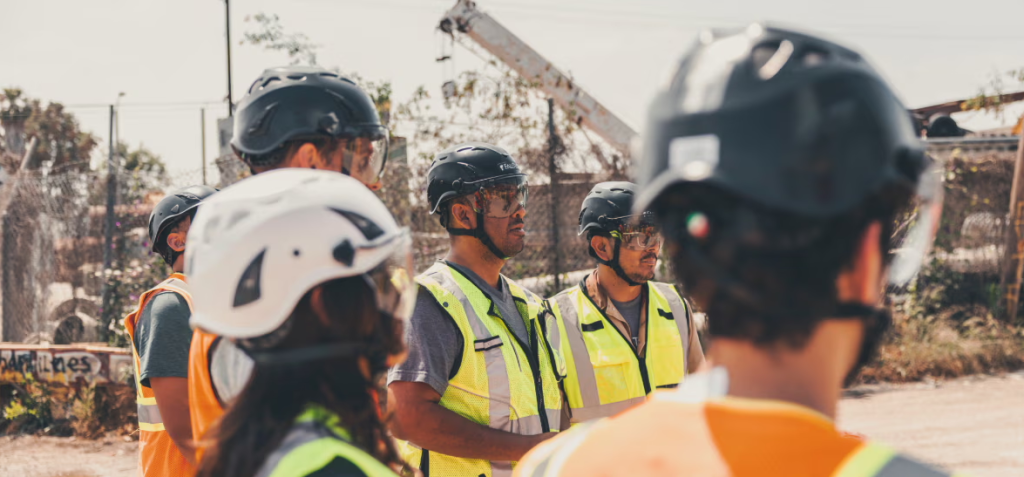
Installing bird netting is not a job to hurry. Rushing leads to mistakes, weak structures, and costly repairs. Patience and precision are essential.
Measure Twice, Cut Once
Take time to map the site and double-check pole placement. Cut netting carefully to avoid gaps. Proper fastener spacing ensures even tension and a secure seal.
Use a Team and the Right Tools
Large nets are hard to handle alone. A team helps unfurl, lift, and tension the net safely. Use lifts for tall structures, tensioning tools for even pull, and gloves and hard hats for safety. Skipping these steps can damage crops and put workers at risk.
The Cost of Haste
Rushing saves little time but creates long-term problems: sagging net, unsecured fasteners, breached edges. A careful installation protects crops, reduces repairs, and ensures the net lasts. Treat the project as a long-term investment, not a race.
Frequently Asked Questions (FAQ)
How high should bird netting be installed over crops?
The height of the netting is determined by two main factors: the mature height of the crop and the equipment used for maintenance. There should be a minimum clearance of 30-60 cm (1-2 feet) above the tallest point the crop is expected to reach. Additionally, you must account for the height of any tractors or sprayers that will need to operate under the net. It is always better to err on the side of too much clearance rather than too little.
Can I install bird netting by myself?
For very small areas like a single garden bed, a solo installation is possible. However, for any agricultural-scale project covering a vineyard, orchard, or field, it is strongly discouraged. Large netting panels are heavy, unwieldy, and can act like a sail in even light wind, creating a safety risk. A team is required to safely lift, position, and properly tension the net without causing damage.
What is the best way to repair a hole in bird netting?
For small holes, the quickest method is to gather the material around the hole and securely fasten it with a UV-stabilized, heavy-duty zip tie. For larger tears, the best method is to use a patch of the same netting material. The patch should be at least 10-15 cm (4-6 inches) larger than the hole on all sides. It can then be “sewn” onto the existing net using a UV-resistant lacing cord or attached securely with hog rings or zip ties placed at close intervals.
How long does agricultural bird netting last?
The lifespan of bird netting depends almost entirely on the material and its UV stabilization. A high-quality, UV-stabilized High-Density Polyethylene (HDPE) net can last for 10 years or even longer in many environments. Cheaper materials like untreated polypropylene may only last 2-4 seasons before becoming brittle and failing. The warranty offered by the manufacturer is often a good indicator of expected lifespan.
Will bird netting harm the birds?
When installed correctly, bird netting is one of the safest methods for both crops and birds. The key is proper tension. A taut net acts as a visual deterrent and a physical barrier that birds bounce off of harmlessly. Problems arise when the net is loose or sagging. In these cases, birds can become entangled in the loose material. Therefore, ensuring the net is tight and all edges are sealed is crucial for avian safety.
Does the color of the netting matter?
Yes, color can matter for both durability and agricultural reasons. Black netting generally offers the best UV resistance because carbon black is an excellent UV inhibitor, leading to a longer lifespan. White or translucent netting allows for slightly higher light transmission to the crops, which may be desirable in some situations, but may have a shorter lifespan. Some studies also suggest that certain colors may be more visible and thus a better deterrent to birds.

Read our most popular articles.
👉 Download our free product categories
👉 How to Choose the Right Bird Netting for Blueberry Farms
👉 How an Oregon Vineyard Saved $50k in Crop Loss from Birds
👉 Practical Buyer’s Guide: HDPE vs. Nylon: A Material Showdown for Garden Netting
👉 The 3-Point Buyer’s Guide to Bird Netting 101: Mesh Size, Material, and Longevity Explained
👉 How to Start a Private Label Netting Business: A 5-Step Framework for Work
👉 The Chinese Manufacturing vs. Local Suppliers: A Netting Buyer’s Guide