
Sourcing directly from a netting factory represents a major strategic shift in supply chain management. Instead of relying on wholesalers, distributors, agents, or trading companies, businesses work directly with the manufacturer responsible for production.
This model gives companies far greater control over the process, from product development to final quality assurance. Its most obvious advantage is cost reduction, since removing intermediary markups can significantly improve margins. Direct factory engagement also strengthens quality control by allowing businesses to define, communicate, and monitor their own product standards. In addition, it opens the door to deeper product customization through OEM and ODM collaboration, creating more room for innovation and stronger market alignment. A direct sourcing model can also improve supply chain transparency, reduce lead times, support stronger intellectual property protection, and increase responsiveness to changing demand. Over time, a direct relationship with a manufacturing partner can improve operational agility and create a more resilient, competitive business position.
Key Takeaways
- Eliminate intermediary markups to reduce costs and improve profit margins.
- Gain more direct control over product quality by setting and enforcing your own standards.
- Create deeper customization and product innovation through OEM and ODM collaboration.
- Improve supply chain transparency, shorten lead times, and increase operational agility.
- Strengthen intellectual property protection by reducing the number of parties involved.
- Build a more resilient long-term business model by sourcing directly from a factory.
- Improve your ability to respond quickly to changes in market demand.
The Shifting Landscape of Global Supply Chains
The structure of global sourcing has changed significantly. For many years, businesses in North America, Europe, and other import-driven markets often bought products without ever dealing directly with the factory that made them. Orders typically moved through several layers—agents, trading companies, importers, wholesalers, and distributors—before reaching the final buyer. That model worked, but it also introduced higher costs, slower communication, and less visibility into production.
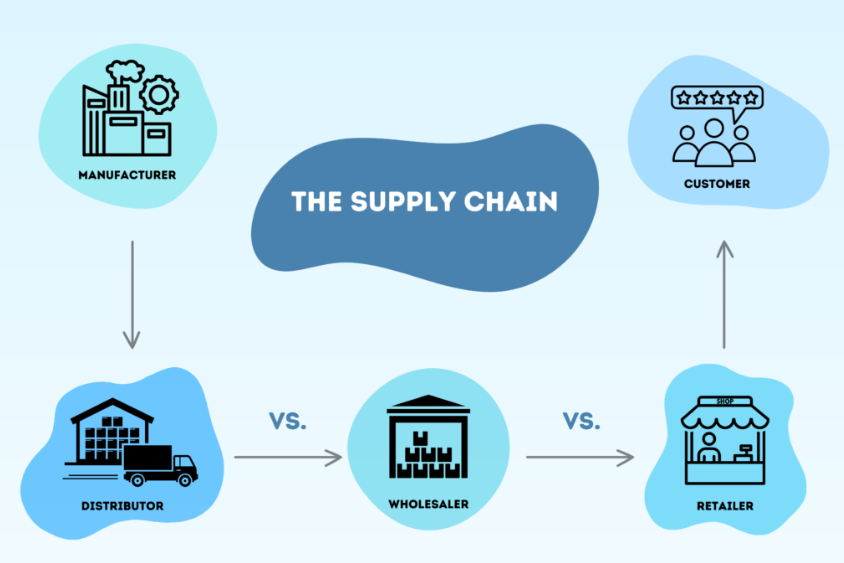
As businesses move through, rising cost pressure, tighter competition, and the need for more resilient supply chains are pushing companies to seek greater control over how products are sourced and manufactured. At the same time, digital communication tools and global sourcing platforms have made it easier than ever to connect directly with factories. The result is a growing shift away from multi-layered procurement and toward direct manufacturing partnerships.

The traditional model protects the buyer from some complexity, but it also cuts the buyer off from a great deal of control.
Advantage 1: Substantial Cost Reduction and Increased Profit Margins
The most immediate and measurable advantage of sourcing directly from a factory is cost reduction. Every intermediary in the supply chain adds markup. Those markups may be justified by the service each intermediary provides, but they still increase the final landed cost of the product.
By removing these layers, a business can reduce cost of goods sold and improve profitability. That margin improvement can be used in different ways. Some companies keep it as profit. Others use it to become more price competitive. Many do both—protecting margin while still strengthening their market position.
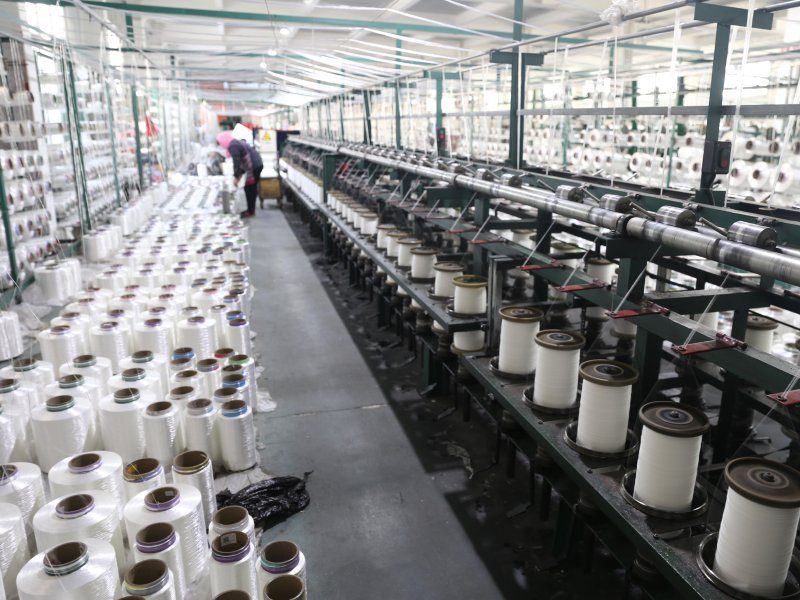
This is one of the clearest reasons direct sourcing is attractive. It changes the economics of the product at a structural level.
The Hidden Costs You Avoid With Direct Sourcing
The savings from direct sourcing are not limited to visible markups. There are also indirect costs that often become much easier to control once intermediaries are removed.
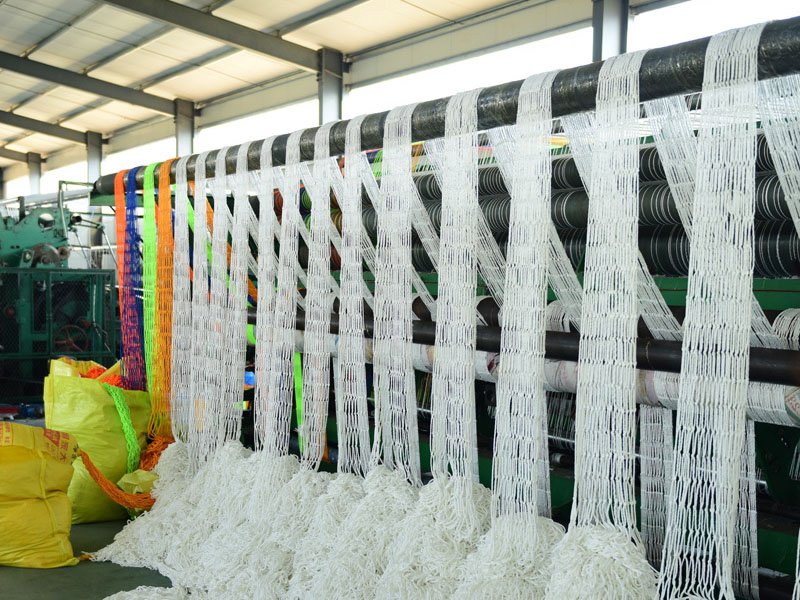
Communication Inefficiency
Every extra party in the process creates another opportunity for delay or misunderstanding. A small question about material specification, packaging detail, or labeling requirement can take days to resolve if it has to move through multiple organizations. Direct communication with the factory shortens that loop and reduces the cost of mistakes.
Inflated Sampling Costs
Intermediaries often charge more for product samples than the actual production and shipping cost would justify. A factory working directly with a potential long-term buyer is often more flexible, especially when samples are part of an active OEM or ODM discussion.
Limited Pricing Transparency
When you work through an intermediary, it is difficult to know whether your larger orders are actually generating better factory pricing. An intermediary may benefit from your growth without passing much of that advantage back to you. In a direct model, increased volume gives you stronger negotiating power with the manufacturer itself.
Reduced Negotiation Leverage
The closer you are to the factory, the more directly you can negotiate on pricing tiers, material substitutions, packaging efficiencies, and process improvements. Those opportunities are often far less visible when an intermediary controls the relationship.
These indirect savings are important because they improve not only cost, but also decision speed and operating flexibility.
Advantage 2: Unparalleled Control Over Product Quality
Cost savings are often what first attracts businesses to direct sourcing, but quality control is frequently the reason they stay with it.
Establishing Your Own Quality Benchmarks
One of the biggest advantages of working directly with a factory is the ability to define product quality in precise terms instead of relying on generic assumptions.
That usually means creating a detailed quality checklist or specification sheet. Rather than saying a product should be durable, strong, or well-finished, the buyer can define exactly what those terms mean.
For example, in specialized netting production, quality standards may include:
- exact polymer type
- tensile strength targets
- UV stabilizer requirements
- mesh size tolerance
- knotting or weaving method
- border reinforcement details
- packaging and labeling standards
- testing protocol before shipment
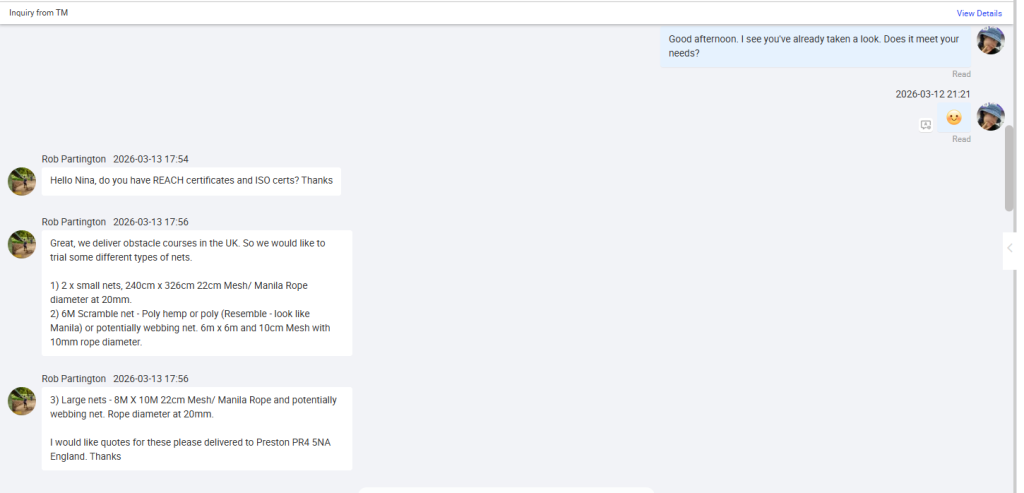
This level of detail is difficult to enforce when communication is filtered through resellers or traders managing multiple product categories and multiple clients at once. Direct factory sourcing makes it possible to turn quality from a vague expectation into a documented production standard.
The Role of Direct Communication in Quality Assurance
Quality control depends heavily on communication speed and clarity.
If a pre-production sample has a flaw, the fastest and most effective way to solve it is to discuss it directly with the manufacturer. That may involve photos, video calls, sample comments, dimensional corrections, or revised finishing instructions. The faster that feedback reaches the production side, the lower the risk that the issue will continue into the bulk order.

Direct communication also makes it easier to:
- review first-off-the-line units
- request in-process photos or videos
- confirm packaging before shipment
- coordinate third-party inspection
- resolve technical questions in real time
This matters because many quality problems are not caused by bad intent. They are caused by unclear requirements, slow feedback loops, or assumptions that go uncorrected. Direct sourcing reduces those problems by shortening the distance between buyer expectation and factory execution.
Case Study: Quality Control in Specialized Netting Production
Specialized netting provides a strong example of why direct quality control matters.
Consider a company sourcing safety netting for construction use. The performance requirements are not cosmetic. They directly affect safety, liability, and regulatory compliance. If the net fails, the consequences can be serious.
A company sourcing through a general wholesaler may receive only broad claims about quality or standard compliance. But a company working directly with a specialized factory can go much deeper. It can define the exact fiber type, UV treatment, mesh construction, load performance, and testing method required for the intended application.
It can also require sample testing from each batch, ask for production documentation, and coordinate direct technical review of the finished goods. In some cases, it may even specify color coding, stitching details, or labeling tied to load rating or application class.
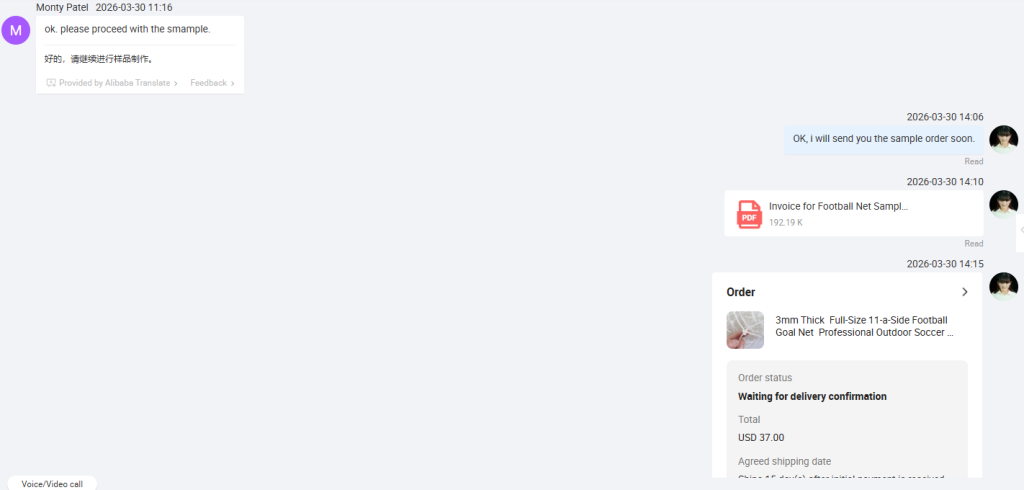
That level of control is only practical when the business communicates directly with the people responsible for making the product. It is one of the strongest operational reasons to source directly from a factory.
Advantage 3: Enhanced Customization and Product Innovation (OEM/ODM)
One of the most important strategic advantages of sourcing directly from a factory is the ability to move beyond generic, off-the-shelf products. In crowded markets, standard products rarely create strong differentiation. Direct factory collaboration makes it possible to develop products that are more closely aligned with your brand, your customer requirements, and your target market.
This is where OEM and ODM sourcing become especially valuable. Instead of choosing only from fixed catalog items, a business can work directly with the manufacturer to modify, refine, or fully develop products that better fit its commercial goals.
That kind of flexibility is difficult to achieve through traditional intermediaries. A wholesaler or trading company typically works from a limited product selection and may not have the technical depth—or the commercial motivation—to support more sophisticated customization. A direct factory relationship changes that by giving the buyer access to the production side of the business, where real product decisions are made.
The Difference Between OEM and ODM Explained
Original Equipment Manufacturer (OEM)
In an OEM model, the buyer brings its own product design, specifications, and requirements to the factory. The manufacturer’s role is to produce the item according to those exact instructions. This approach is best suited to companies that already have a developed concept, technical drawings, or internal product design capability and want a factory to manufacture the product to specification.
In practical terms, OEM offers the highest degree of control. It is often used when a company wants to build a truly proprietary product with its own structure, branding, materials, and performance standards.
Original Design Manufacturer (ODM)
In an ODM model, the factory already has an existing product platform, design, or base configuration. The buyer selects that base product and then works with the manufacturer to adapt it through changes in color, size, material, packaging, features, or branding.
ODM is usually faster and more cost-efficient than OEM because it builds on the factory’s existing tooling, product development, and production experience. It is a good option for businesses that want a differentiated product without the time and development cost required to design every element from the ground up.
Both models can be valuable. The right one depends on how much design control you need, how quickly you want to move, and how much development investment the project can support.
From Concept to Reality: The Direct Customization Process
When a business works directly with a factory, product development becomes a more structured and collaborative process. Whether the project follows an OEM or ODM path, the workflow usually moves through several practical stages.
| Stage | OEM Process (Your Design) | ODM Process (Factory’s Design) | Key Consideration |
|---|---|---|---|
| 1. Concept | You prepare detailed specs, drawings, or CAD files | You review the factory’s existing product options | OEM requires more design preparation upfront |
| 2. Inquiry | You submit technical requirements for quotation | You request changes to the base product | Clear communication is critical in both models |
| 3. Prototyping | Factory develops tooling/sample based on your design | Factory modifies existing design and creates sample | OEM prototyping is usually more complex and costly |
| 4. Feedback | You review and revise the sample | You review and adjust the customized version | Fast, direct feedback improves the process |
| 5. Production | Mass production starts after sample approval | Mass production starts after sample approval | Quality and approval standards must be clear |
What matters most in both cases is direct communication. The closer the discussion is to the actual production team, the more accurately your requirements can be translated into the final product. That reduces design drift, speeds up revision cycles, and improves the chance of reaching the right commercial result without excessive back-and-forth.
Innovating Together: Collaborative Product Development
One of the biggest long-term advantages of a direct factory relationship is that it can evolve beyond simple order placement into real product collaboration.
A good manufacturer does not only build what it is told. It also brings process knowledge, material knowledge, and production experience to the table. That means it may be able to suggest a more suitable polymer, a stronger construction method, a more efficient hardware choice, or a modification that improves manufacturability without reducing product performance.
For example, a company sourcing agricultural netting may initially request a standard bird exclusion net. Through direct discussion, the manufacturer may identify an opportunity to adjust mesh size, material treatment, or edge finishing to improve field performance for a specific crop and pest profile. That type of collaborative refinement is much harder to achieve when the buyer is working only through an intermediary with limited technical involvement.
This is where direct sourcing becomes more than a procurement strategy. It becomes a practical route to product innovation.
Advantage 4: A More Transparent and Efficient Supply Chain
A more direct supply chain is usually a more transparent one. That matters because visibility affects everything from planning accuracy to risk control.

In a traditional multi-layered sourcing model, production often feels like a black box. The buyer places an order and waits for status updates from a reseller, trader, or distributor. If there is a delay, a raw material issue, or a change in schedule, the buyer may not know about it until late in the process.
Direct factory sourcing reduces that distance. It allows the buyer to see more of what is happening, ask better questions, and make decisions earlier. That visibility can be just as valuable as the price savings because it improves how the business plans inventory, manages timelines, and responds to disruption.
Gaining Full Visibility Into Production
When you work directly with a factory, production is no longer something you only hear about after the fact. You can build a regular communication rhythm that includes progress updates, production photos, video calls, milestone confirmations, or sample checks at key stages.

That kind of visibility makes a major difference. It allows the buyer to monitor whether the order is moving according to plan and identify problems before they become shipping issues. A delay in raw material arrival, a production bottleneck, or a packaging error can often be addressed much more effectively if the buyer is informed early.
This is especially valuable for businesses managing seasonal demand, launch deadlines, or project-based delivery schedules. The more visibility you have into production, the better you can plan the rest of the business around it.
Reducing Lead Times Through Direct Coordination
Lead time is influenced not only by manufacturing speed, but also by how many steps are required to communicate decisions. Every intermediary adds extra time to approvals, revisions, clarifications, and status reporting.

A direct model typically shortens this cycle. If a sample needs to be approved, revised, or corrected, the buyer can respond directly to the factory. If there is a packaging change or labeling update, the instruction reaches the production team faster. If the buyer needs to confirm a shipping date, the answer comes from the source rather than through multiple layers of interpretation.
This reduction in communication lag can have a noticeable effect on the total order cycle. Over time, it can also improve planning discipline because the buyer has a more predictable understanding of how long each stage of the process actually takes.
In competitive markets, shorter and more predictable lead times are a real commercial advantage. They reduce stockout risk, improve replenishment planning, and make it easier to respond to customer demand without holding excessive inventory.
Mitigating Risks With a Clearer Chain of Custody
A shorter supply chain is usually easier to manage because there are fewer points where information, goods, or accountability can break down.
When multiple intermediaries are involved, a single issue can become harder to trace. Was the problem caused by the factory, the trading company, the warehouse, or a relabeling step? Was a requirement misunderstood at the factory level, or was it never passed on correctly by the intermediary? The longer the chain, the harder it becomes to see where the error began.

Direct sourcing simplifies that chain of custody. The product moves from the factory into the export and logistics process with fewer handoffs and fewer opportunities for confusion. This can reduce not only physical handling risk, but also documentation errors, compliance mistakes, and communication failures.
That clarity also improves accountability. If a problem arises, it is easier to address it directly with the manufacturer rather than sorting through several layers of responsibility.
Advantage 5: Building Stronger, Long-Term Business Relationships
Direct sourcing also changes the nature of the business relationship itself. Instead of dealing mainly with intermediaries who may view the transaction in purely short-term commercial terms, the buyer has the opportunity to build a working relationship directly with the manufacturing partner.
That matters because the best supply chains are not only efficient. They are also relational. Trust, consistency, and mutual understanding make a major difference over time.
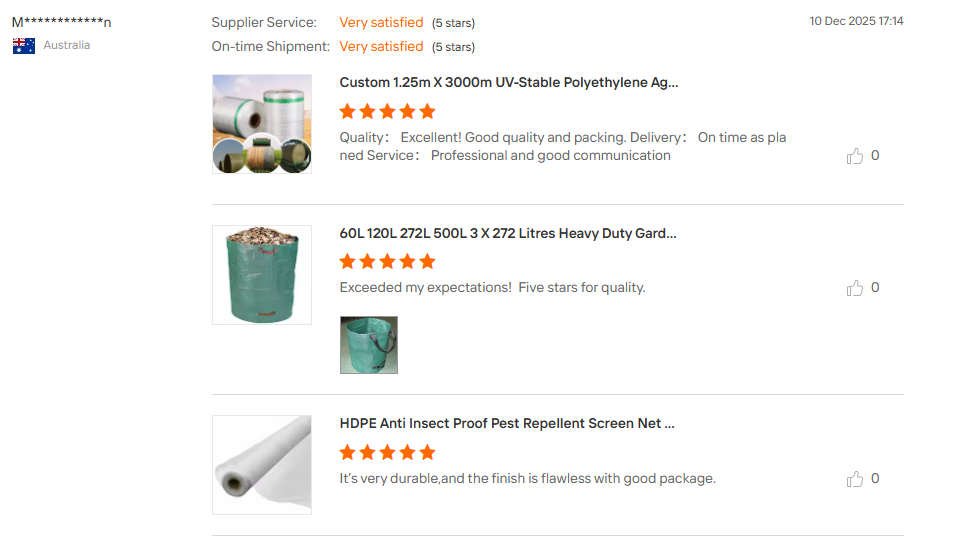
A factory that understands your product, your standards, your business model, and your growth plans is usually in a much better position to support you than one that knows you only as a disconnected order coming through a third party.
The Value of a True Manufacturing Partner
A true manufacturing partner is more than a supplier that fills purchase orders. Over time, a direct factory relationship can produce shared knowledge and stronger strategic alignment.
The factory begins to understand your market requirements, quality expectations, packaging standards, and seasonal demand patterns. In turn, you gain a better understanding of the factory’s production strengths, capacity constraints, material sourcing patterns, and improvement opportunities.
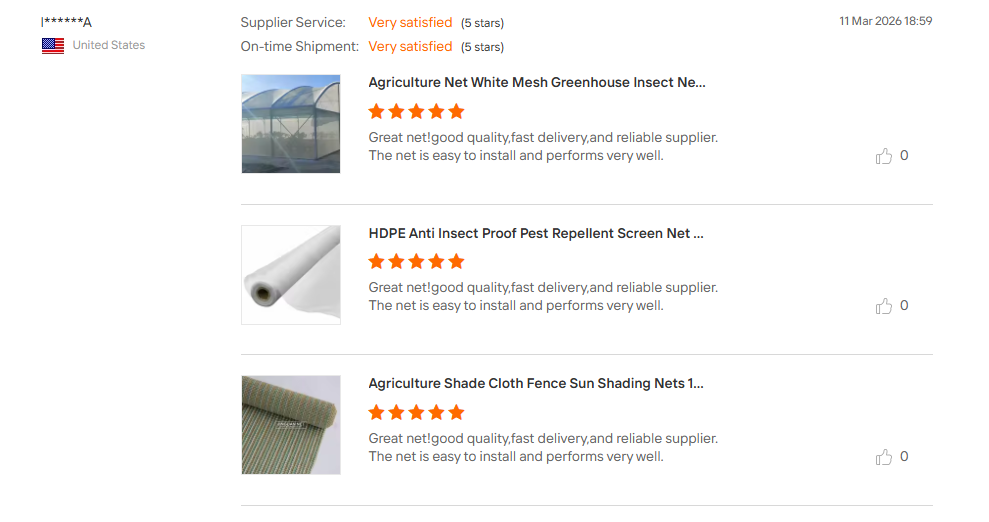
That mutual understanding has real commercial value. It can lead to better forecasting, more realistic planning, faster problem solving, and more useful product recommendations from the factory side. In some cases, the manufacturer may proactively suggest design improvements, packaging changes, or production adjustments that help support your business more effectively.
This is one of the biggest differences between a transactional supply source and a true supply chain partner.
Fostering Loyalty and Preferential Treatment
Long-term direct relationships can also produce benefits that are difficult to secure through intermediaries.
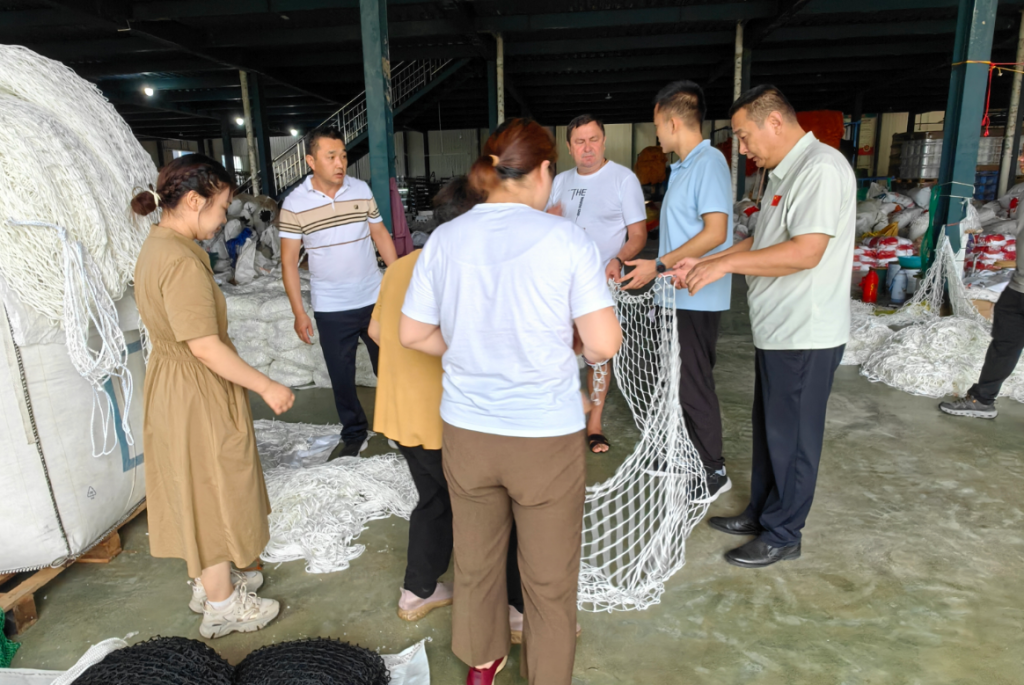
When a factory sees your business as consistent, growing, and professionally managed, it is more likely to prioritize your orders, allocate capacity more reliably, and invest more attention into your projects. That can matter a great deal during peak production periods, material shortages, or supply chain disruptions.
Over time, this may lead to practical advantages such as:
- better scheduling priority during busy seasons
- faster response when production changes are needed
- more flexible support during urgent orders
- improved payment terms as trust develops
- stronger collaboration during product updates or launches
These benefits are rarely available at the same level when the buyer is hidden behind a trading company or wholesaler. Relationship equity builds most effectively when the actual buyer and actual manufacturer work with each other directly.
Navigating Cultural and Communication Nuances
A direct factory relationship also requires the buyer to engage more intentionally with communication and cross-cultural business practice. That may seem challenging at first, but it is often one of the reasons direct relationships become stronger over time.
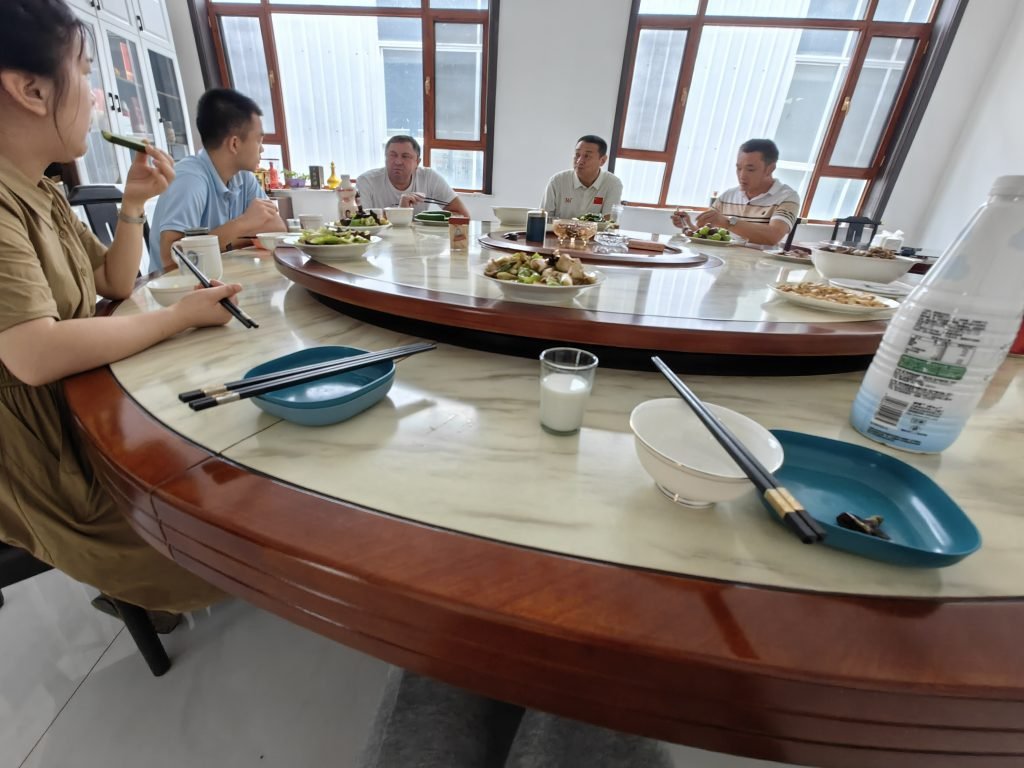
Working directly with overseas manufacturers encourages more disciplined communication. Requirements have to be stated clearly. Feedback must be specific. Timelines, expectations, and technical points need to be confirmed carefully. This usually improves the overall quality of the business relationship because both sides learn how to work together more effectively.

It also creates room for mutual respect. Understanding a factory’s holiday calendar, production cycle, response style, and internal workflow helps prevent friction and improves cooperation. A relationship built with that level of awareness is more resilient than one managed only through transactional messages and price quotes.
Advantage 6: Improved Intellectual Property (IP) Protection
For many businesses, intellectual property is one of their most valuable assets. Product designs, branding elements, structural innovations, custom specifications, and proprietary features all contribute directly to competitive advantage. The more distinctive the product, the more important it becomes to protect that value.
A direct factory model can improve intellectual property protection because it reduces the number of parties involved in the sourcing process. Fewer intermediaries means fewer places where designs, specifications, or commercial information can be exposed, copied, or misused. While no sourcing model removes risk completely, a direct relationship with a carefully selected manufacturing partner creates a more controlled environment for protecting sensitive product information.
The Risks of IP Theft in Multi-Layered Supply Chains
When a design moves through several intermediaries, the number of exposure points increases. A sourcing agent, trading company, subcontracting network, or reseller may all handle some version of the product information. Each additional layer adds another opportunity for a confidential design to be shared more widely than intended.
This is especially risky when a product is new, customized, or commercially differentiated. If a trading company circulates the same design to multiple factories in order to compare prices, that design may be seen by several suppliers before the buyer has even selected a partner. In some cases, that creates a path for imitation products to appear in the market before the original buyer has fully launched or scaled the product.
Intermediaries may also retain product files, samples, or supplier information in ways that are difficult for the buyer to monitor. When the commercial relationship sits between the buyer and the factory, the buyer often has limited visibility into how broadly product information is being distributed.
That is why multi-layered sourcing structures can create intellectual property risk beyond the factory itself. The issue is not only whether one manufacturer can be trusted. It is how many unrelated parties are able to access the design in the first place.
How Direct Factory Agreements Safeguard Your Designs
Direct sourcing helps reduce this risk because the buyer can establish clear protection terms directly with the manufacturer.
Instead of relying on informal assumptions or indirect communication, the buyer can build intellectual property protection into the factory relationship from the beginning. This often includes confidentiality requirements, restrictions on unauthorized use, exclusivity terms for specific designs, and clear definitions around who owns molds, tooling, technical drawings, and branded product elements.
A strong direct agreement may include provisions covering:
- confidentiality of product files, specifications, and commercial information
- restrictions on producing the same design for other clients
- confirmation of ownership for molds, tooling, and custom development work
- prohibition on using the buyer’s branding, artwork, or packaging outside the agreed project
- procedures for handling product files, samples, and production records
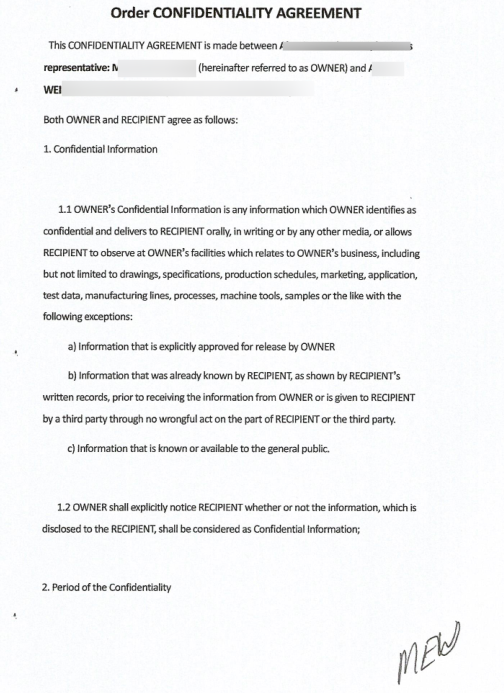
These protections are not meaningful only because they exist on paper. They are stronger because they are being discussed directly with the actual production partner rather than filtered through a third party.
A factory that understands your long-term business value and sees the relationship as ongoing is generally more likely to treat IP protection as part of a serious commercial partnership rather than as an abstract legal formality.
Best Practices for Protecting Your IP When Sourcing Abroad
Direct sourcing improves control, but it still requires discipline. Intellectual property protection works best when legal, procedural, and operational safeguards are combined.
Several practical steps are especially important:
Register Critical IP Early
Where relevant, trademarks, patents, and other formal protections should be filed in the countries where manufacturing or sales exposure may occur. Waiting too long can make protection harder and more expensive.
Vet Factories Carefully
A reputable, established factory with a track record of serving export clients is generally a safer partner than a loosely verified supplier with unclear structure or shifting production arrangements.
Limit Early Disclosure
At the quotation stage, it is often wise to share only the information necessary for preliminary pricing and capability review. Full technical disclosure should come later, after the factory has been screened and the relationship framework is in place.
Use Written Agreements
Confidentiality and ownership terms should be documented clearly. The buyer should not rely on assumptions simply because a supplier appears professional or cooperative.
Control Tooling and Development Assets
If custom molds, patterns, or tooling are being created, ownership and usage rights should be documented clearly from the beginning. This is especially important in OEM development work.
In practice, direct sourcing does not automatically guarantee IP safety. What it does provide is a structure in which those protections can be managed more deliberately and more effectively.
Advantage 7: Greater Agility and Adaptability to Market Changes
The business environment in 2025 is fast-moving and often unpredictable. Market demand can rise or fall quickly. Product preferences can shift in a short period. Input costs, logistics conditions, and regional demand patterns can all change faster than traditional procurement models were designed to handle.
In that environment, agility matters. Businesses that can adjust production, specifications, inventory flow, or launch timing quickly have a meaningful advantage. Direct sourcing supports that kind of responsiveness because communication is faster, decision-making is closer to the source, and the buyer has more direct influence over production.
Responding Quickly to Consumer Demand Shifts
One of the clearest benefits of direct factory sourcing is the ability to respond faster when demand changes unexpectedly.
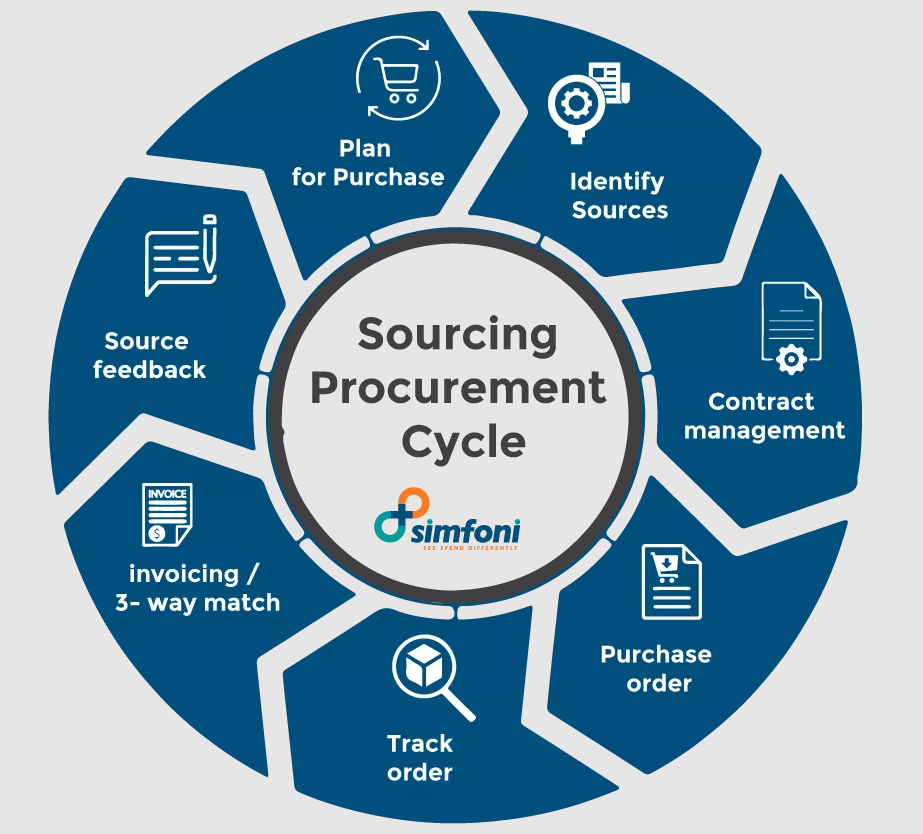
If a product begins selling faster than forecast, a direct relationship with the factory makes it easier to discuss production capacity, reorder timing, material availability, and shipment priorities immediately. The buyer does not have to wait for a wholesaler or agent to interpret the issue and then relay it through another chain.
The same applies if demand drops or changes direction. A business may need to adjust order timing, pause a product, change packaging, or revise a feature based on market response. These decisions are easier to implement when the business is communicating directly with the factory rather than through multiple commercial layers.
That speed matters because market opportunities do not stay open for long. The more quickly a business can align sourcing with actual demand, the more competitive it becomes.
Scaling Production Up or Down With Ease
Growth rarely follows a perfectly stable pattern. Some businesses scale gradually. Others face sudden spikes tied to seasonality, promotions, project wins, or new channel launches. Direct sourcing makes it easier to manage those changes because the buyer can discuss real production capacity directly with the manufacturer.
This can improve forecasting, reorder planning, and production scheduling. Instead of simply placing orders into the market and waiting for inventory to appear downstream, the buyer can coordinate with the factory around expected volume changes, potential material lead times, and seasonal production pressure.
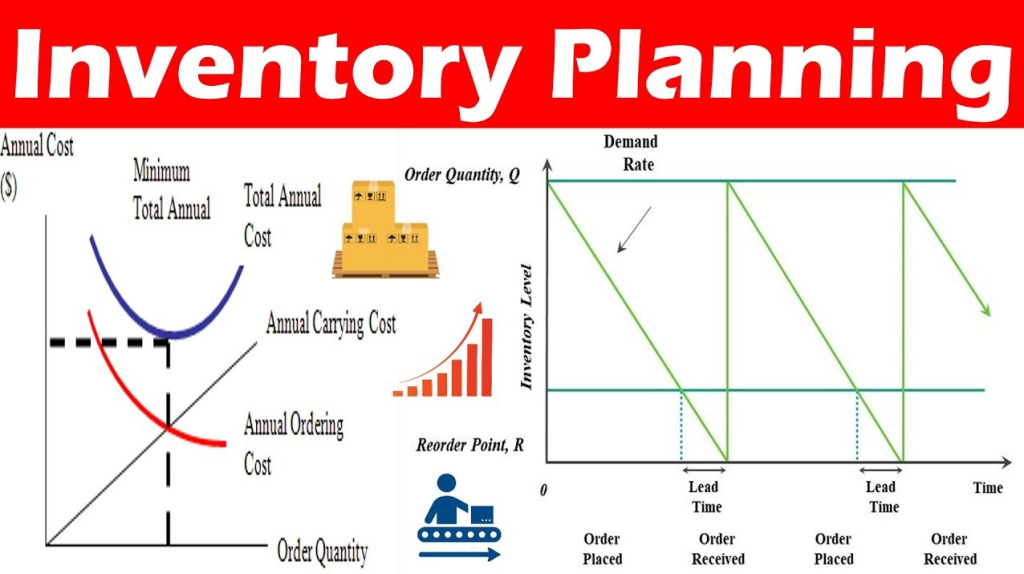
Over time, this kind of coordination can improve both flexibility and stability. The buyer is better able to scale up when opportunity appears, and better able to reduce exposure when demand weakens. That helps lower excess inventory risk while improving service responsiveness.
The Resilience of Direct Sourcing in Turbulent Times
Recent years have shown how vulnerable long, opaque supply chains can become during disruption. Whether the issue is logistics congestion, raw material shortages, regulatory changes, geopolitical pressure, or abrupt demand shifts, businesses with limited visibility often struggle to respond quickly.
Direct sourcing helps improve resilience because it creates a more connected supply chain. If a problem emerges, the buyer can go directly to the factory to discuss alternatives. That may involve changing materials, adjusting production sequence, revising shipment timing, splitting delivery methods, or modifying order structure.
This kind of collaborative problem solving is much harder when communication has to pass through several intermediaries that may not have full visibility—or full incentive—to solve the issue quickly.
Resilience, in this context, does not mean avoiding every disruption. It means recovering faster, adapting more effectively, and maintaining more control when conditions change. Direct sourcing strengthens all three.
Practical Steps to Begin Sourcing Directly From a Factory
Direct sourcing can create major advantages, but it works best when approached methodically. The process requires preparation, supplier screening, clear communication, and disciplined execution. Businesses that treat it as a structured sourcing strategy—not just a search for the lowest quote—usually get the best long-term results.
Step 1: Defining Your Product and Technical Specifications
Before contacting factories, the product needs to be clearly defined. A manufacturer can only quote and produce accurately if the requirements are specific.
That usually means preparing a technical specification package that includes:
- dimensions and tolerances
- material requirements
- construction details
- bill of materials if applicable
- artwork and branding files
- packaging requirements
- quality checkpoints
- testing expectations where relevant

The more complete this information is at the start, the less likely the project is to suffer from misquotation, inconsistent samples, or production errors later. A clear specification set is the foundation of successful direct sourcing.
Step 2: Researching and Vetting Potential Factory Partners
Factory selection should go well beyond price comparison. A low quote means very little if the supplier lacks the capability, process control, or communication discipline to support the project.
A sound vetting process usually includes:
- identifying factories with relevant product specialization
- reviewing company profile, years in operation, and export experience
- requesting quotations based on consistent technical documents
- evaluating response quality and communication clarity
- checking samples
- reviewing certifications or testing capability where applicable
- conducting video calls or factory walkthroughs
- using third-party audits or inspections for more critical projects
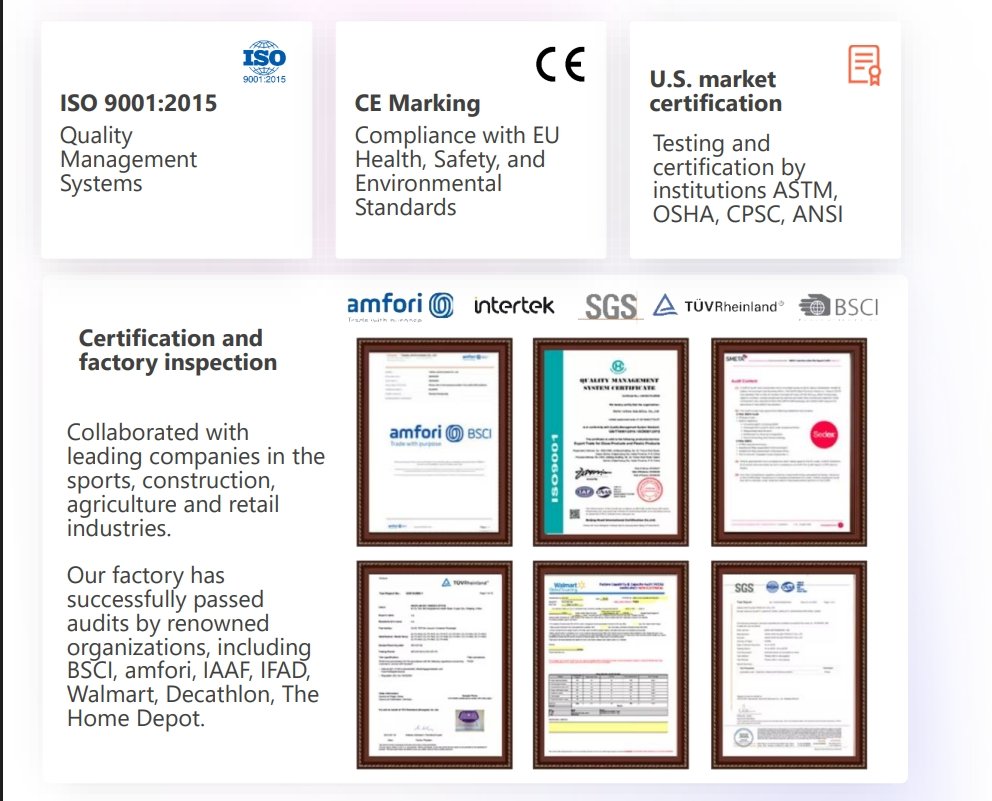
The objective is not simply to find a factory that says yes. It is to find one that can actually support the product and the relationship at the level the business requires.
Step 3: The Art of Negotiation and Contract Finalization
Once a suitable factory has been identified, negotiation should cover more than unit price. A strong direct sourcing relationship depends on clear commercial structure from the beginning.
Important negotiation points often include:
- price tiers by order volume
- payment terms
- lead times
- sample process
- Incoterms
- quality requirements
- packaging standards
- inspection process
- ownership of tooling or custom development assets
- confidentiality and IP protections

These points should be documented formally. The more clearly expectations are written, the easier it becomes to avoid disputes and manage the relationship professionally.
Step 4: Managing Logistics and International Shipping
A direct factory relationship does not remove the need to manage shipping, customs, and delivery. It simply gives the buyer more direct control over how these steps are handled.
In practice, most businesses support this through freight forwarders, customs brokers, and internal procurement coordination. Key decisions include:
- shipping method selection
- shipment timing
- documentation accuracy
- customs compliance
- delivery planning
- landed cost control
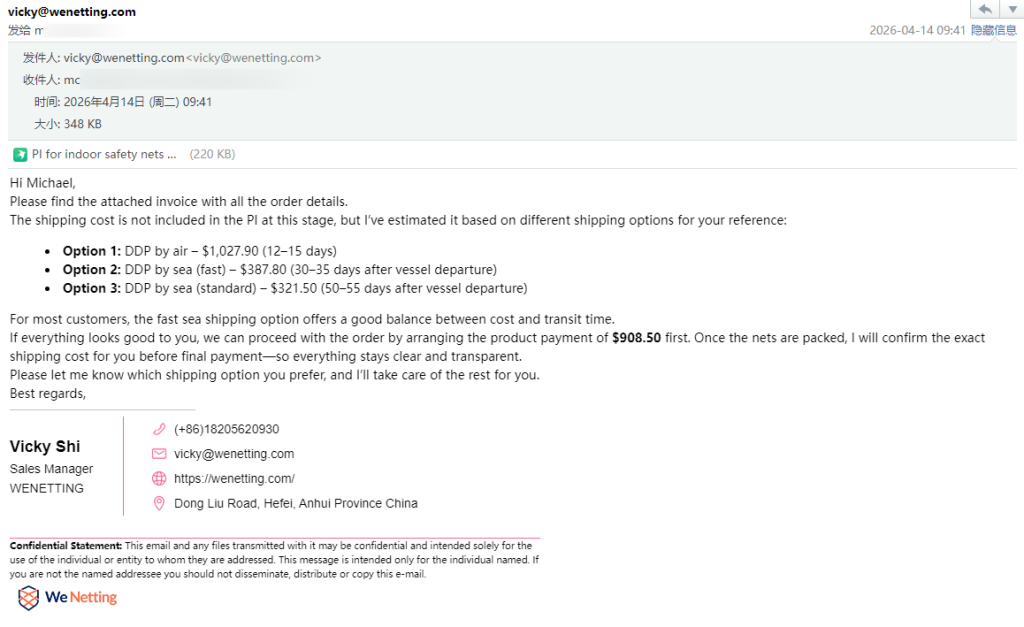
At first, this may seem more complex than buying from a local wholesaler. But once the process is established, it becomes a repeatable operating system. For many businesses, the added control and cost savings justify the extra management effort very quickly.
FAQ: Answering Your Pressing Questions
1. Is sourcing directly from a factory only for large businesses?
No. It is no longer limited to large corporations. Small and medium-sized businesses can also source directly if they are able to meet the factory’s MOQ and manage the sourcing process professionally. The key is preparation, not company size alone.
2. How do I handle language and cultural barriers?
Most export-oriented factories already work with international clients and have sales or project staff who can communicate in English. Clear written communication, visuals, technical documents, and regular confirmation of details all help reduce misunderstanding. Patience and professionalism also matter a great deal.
3. What if I receive a shipment of bad quality products?
This is why pre-production control is so important. Clear specifications, sample approval, inspection standards, and shipment checks should all be established before mass production. It is also wise to document how defects will be handled contractually. Preventing quality failure before shipment is far easier than resolving it afterward.
4. How do I pay a factory in another country safely?
Common methods include bank transfer, staged payment structures, and trade assurance or escrow-style protections offered by some sourcing platforms. The safest method depends on order size, supplier maturity, and relationship stage. For new suppliers, it is important to balance commercial practicality with risk control.
5. Don’t I lose the convenience of buying from a local wholesaler?
In some ways, yes. Direct sourcing usually requires more involvement from the buyer, especially in the early stages. But that added effort is also what creates the long-term advantages: lower cost, better quality control, stronger customization, and more direct supply chain visibility.
6. What is a Minimum Order Quantity (MOQ), and how do I negotiate it?
MOQ is the smallest production quantity the factory is willing to accept for a specific product or configuration. It reflects setup cost, material usage, and production efficiency. In some cases, MOQ can be negotiated through higher unit pricing, reduced customization, or more flexible use of existing materials and tooling.
7. What is the difference between a factory and a trading company on sourcing platforms?
A factory is the actual producer. A trading company acts as an intermediary and may source from one or multiple factories. Some platforms make this distinction clearer than others, so verification through company documentation, product specialization, video review, and direct questioning is important.
Conclusion
Sourcing directly from a factory is more than a way to lower cost. It is a strategic decision that gives a business more control over its product, its quality standards, its lead times, and its long-term supply chain resilience.
The financial benefits can be substantial, especially when intermediary markups are removed. But the value goes further than that. Direct sourcing improves communication, strengthens quality assurance, enables meaningful OEM and ODM collaboration, supports better IP control, and increases a company’s ability to respond to market change.
It also changes the nature of the supply chain itself. Instead of operating through layers of distance and limited visibility, the business builds a more direct relationship with the source of production. That creates room for stronger partnerships, better operational decisions, and more sustainable long-term competitiveness.

Read our most popular articles.
👉 Download our free product categories
👉 5 Reasons Why Durable, Long-Lasting Products are the New Definition of “Cost-Effective”
👉 The Essential 7-Point Checklist for Ordering Custom Made Cargo Nets in 2026
👉 The 2026 Chinese Manufacturing vs. Local Suppliers: A Netting Buyer’s Guide
👉 A Practical Custom Netting vs. Off-the-Shelf: A Cost-Benefit Analysis with 7 Factors
👉 How to Start a Private Label Netting Business: A 5-Step Framework for Work
👉 A Practical 5-Point Checklist for Choosing Custom Netting Solutions