The successful cultivation of crops within a controlled greenhouse environment is perpetually challenged by the infiltration of insect pests, which can cause significant economic losses through direct plant damage and vectoring of diseases.
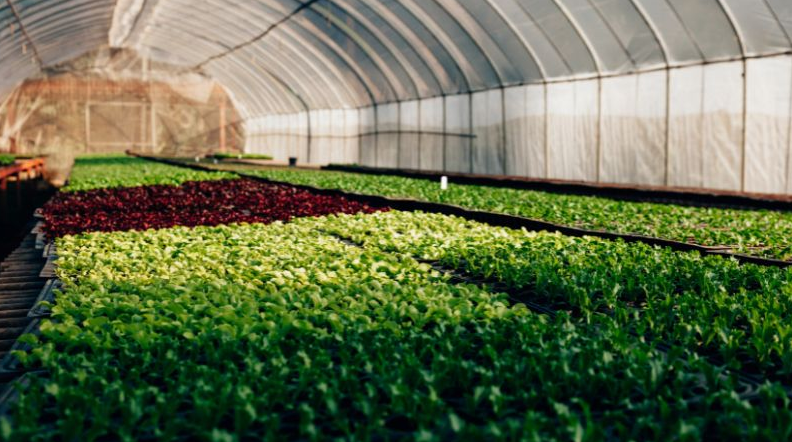
This guide examines the principles and practices for the effective installation of anti-insect nets in greenhouses, a critical component of an Integrated Pest Management (IPM) strategy. It presents a systematic, nine-point framework that guides the grower from the initial stages of pest pressure assessment and structural evaluation to the nuanced selection of appropriate netting based on mesh size, material, and color.
The document further details the procedural mechanics of measurement, structural preparation, and the physical installation process, emphasizing the importance of achieving a hermetically sealed enclosure. It concludes by exploring long-term maintenance protocols and the synergistic integration of physical exclusion barriers with other cultural and biological control methods.
The objective is to provide a comprehensive, academically-grounded resource that empowers growers to reduce reliance on chemical pesticides, enhance crop quality, and improve the overall sustainability and profitability of their horticultural operations.
Key Takeaways
- Identify the smallest target pest to determine the correct netting mesh size for effective exclusion.
- Prepare the greenhouse frame by cleaning and smoothing surfaces to prevent net tearing during installation.
- Properly installing anti-insect nets in greenhouses requires adding 15-30 cm of overlap for secure fastening.
- Choose external installation for easier cleaning and internal installation for better net protection.
- Ensure a complete seal by meticulously checking and closing all gaps around doors, vents, and seams.
- Regularly clean nets with low-pressure air or water to maintain optimal airflow and light transmission.
- Integrate netting with sanitation and biological controls for a robust pest management program.
Assessing Your Greenhouse and Pest Pressure
The endeavor of fortifying a greenhouse against insect intrusion begins not with the purchase of a net, but with a period of careful reflection and empirical observation. To embark on the process of installing anti-insect nets in greenhouses without this foundational analysis is akin to building a fortress without knowing the nature of the adversary or the lay of the land.
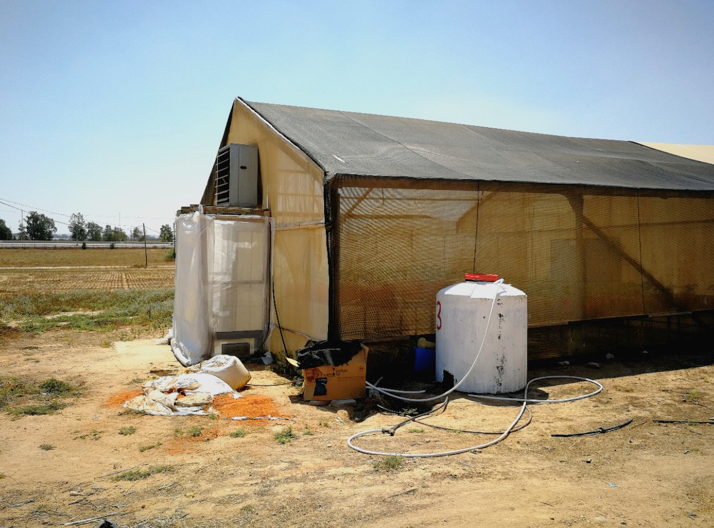
The efficacy of the final installation is contingent upon a nuanced understanding of the specific biological and structural context of your operation. This initial phase is an exercise in diagnosis, where the grower acts as both an entomologist and an engineer, mapping the unique pest landscape and the physical characteristics of the structure to be protected.
Identifying Your Primary Pest Threats
The world of greenhouse pests is diverse, and not all threats are created equal.
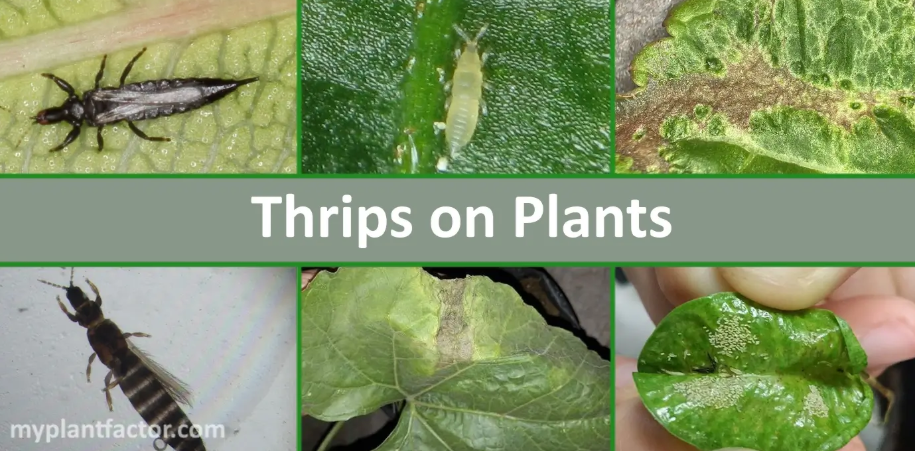
Common culprits in greenhouse environments include whiteflies (Bemisia tabaci), thrips (Frankliniella occidentalis), aphids (Myzus persicae), and leafminers (Liriomyza spp.).
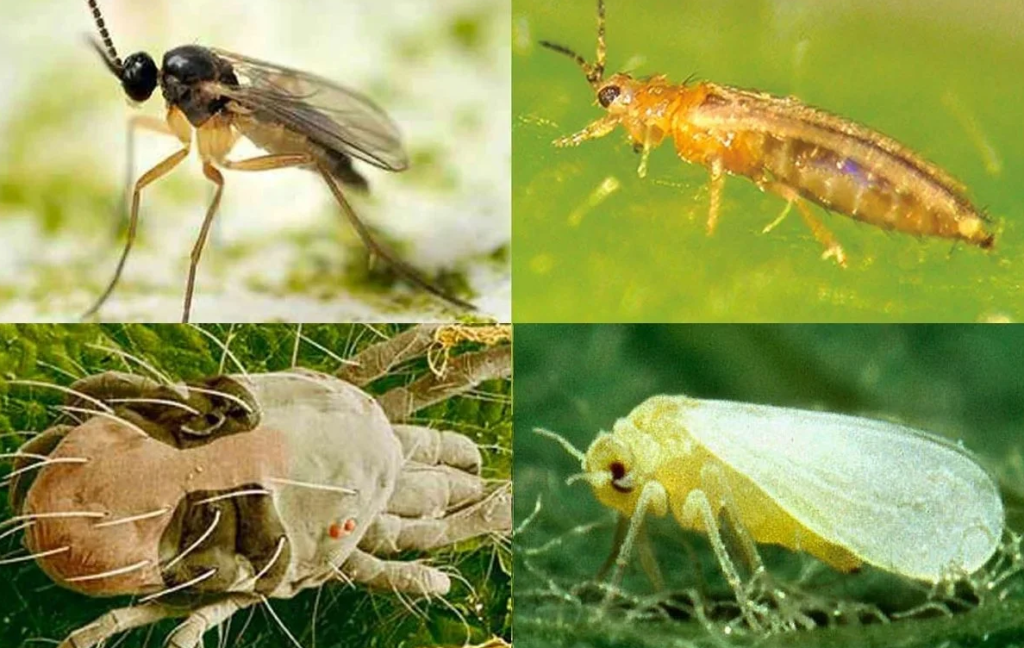
Of these, thrips are often the benchmark for exclusion due to their slender bodies, which allow them to penetrate surprisingly small openings. Thrips are not merely a nuisance; they are potent vectors for devastating viruses like Tomato Spotted Wilt Virus (TSWV) and Impatiens Necrotic Spot Virus (INSV).
Similarly, whiteflies are notorious for transmitting viruses such as Tomato Yellow Leaf Curl Virus (TYLCV).
How does one conduct this pest audit? It involves several layers of investigation.
First, consult local agricultural extension services, university entomology departments, and crop consultant reports.

These organizations often publish data on prevalent pests in your specific geographic area. Second, implement a monitoring program within your own greenhouse, even before netting is installed.
Yellow and blue sticky cards are invaluable tools for this purpose. Placed strategically throughout the greenhouse, they capture a representative sample of the flying insect population, allowing for identification and quantification.
Finally, consider the history of your own operation. What pests have caused damage in previous growing seasons? This historical record is a powerful predictor of future challenges.
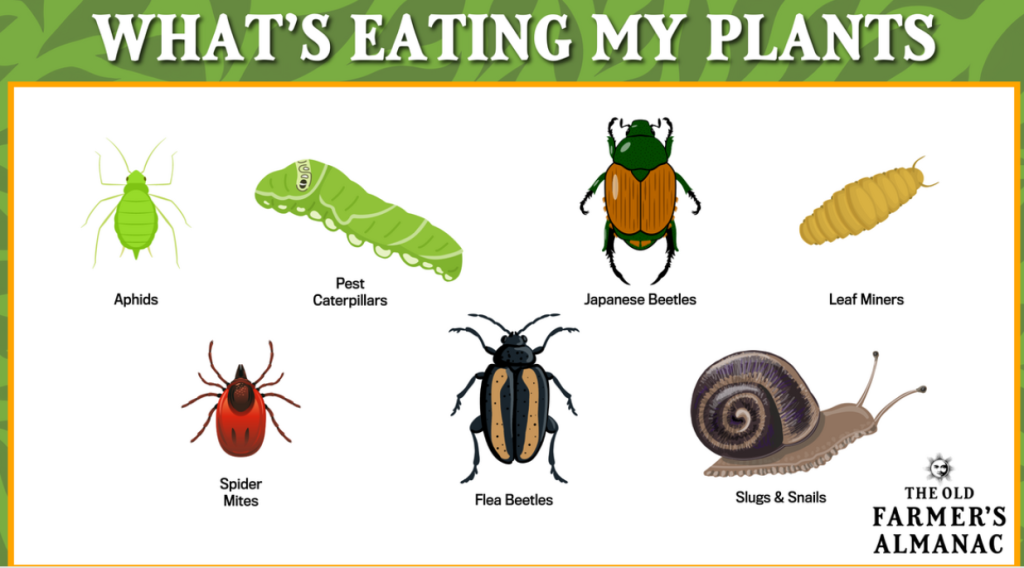
The goal is to create a “most-wanted” list, with the smallest offender at the very top.
Evaluating Your Greenhouse Structure and Ventilation System
Once the biological threat is understood, the focus shifts to the physical structure. Greenhouses are not monolithic; they range from simple, arch-roofed polytunnels to sophisticated, gutter-connected glasshouses with complex environmental controls. The type of structure profoundly influences the strategy for installing anti-insect nets in greenhouses.
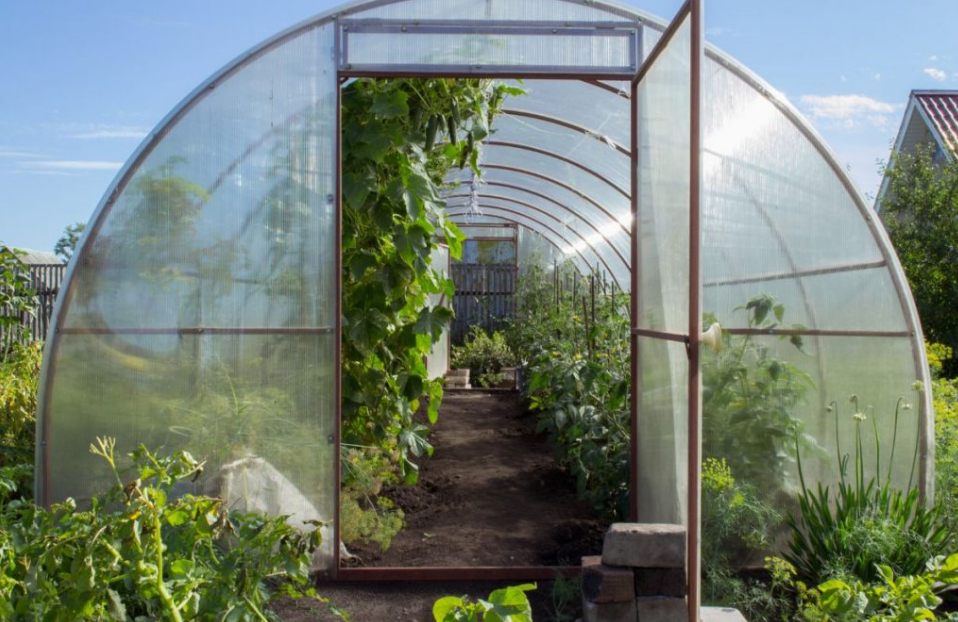
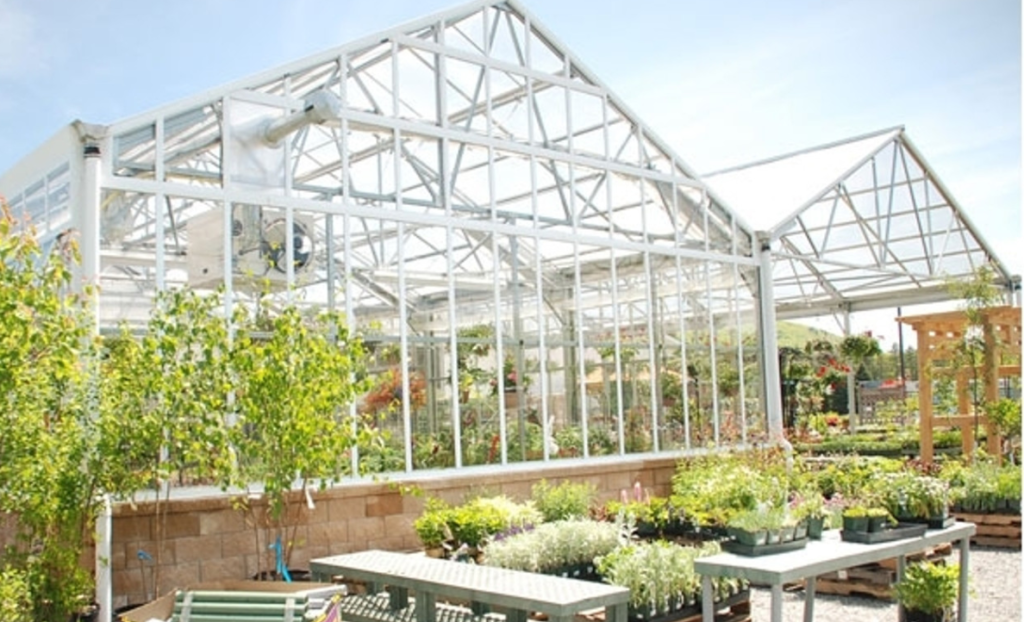
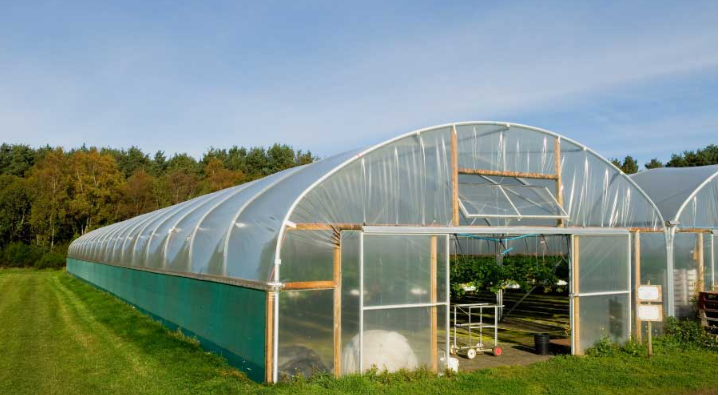
Consider the ventilation system, which is the primary pathway for both air and pests. Greenhouses typically rely on either natural (passive) ventilation or mechanical (active/fan) ventilation.
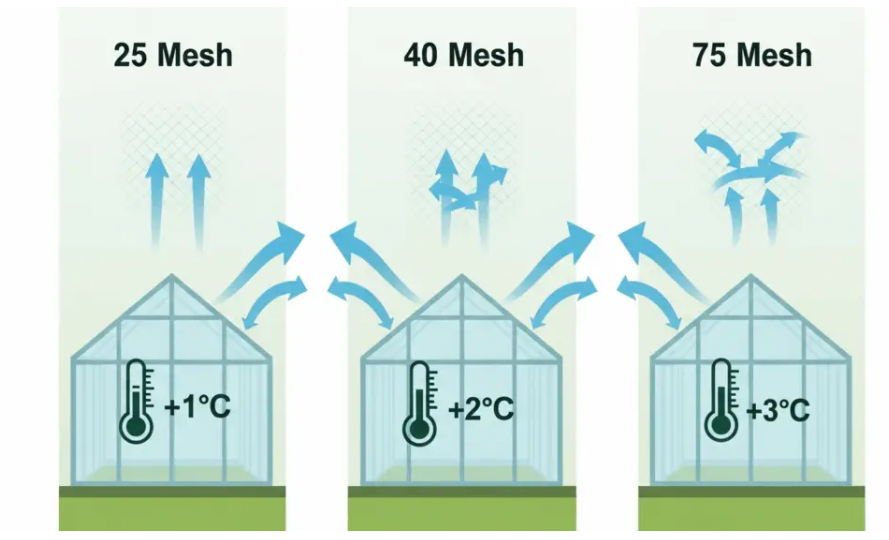
- Natural Ventilation: These structures use roof vents, side vents, or roll-up sides to allow hot air to escape and cooler air to enter, driven by wind and thermal buoyancy. Screening these large openings presents a significant challenge. The addition of a net introduces resistance, which can reduce the airflow rate by 20% to 60%, depending on the mesh size and the cleanliness of the net (Soni et al., 2017). This reduction in airflow must be anticipated. If the existing vent area is already marginal for cooling the greenhouse in summer, adding a fine mesh net could lead to overheating. In such cases, a grower might need to consider increasing the total vent area or supplementing with mechanical ventilation.
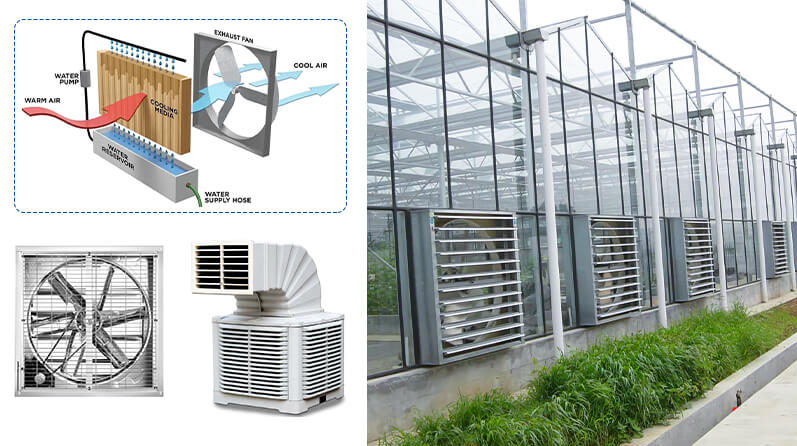
- Mechanical Ventilation: Fan-and-pad systems use exhaust fans at one end of the greenhouse to pull air through evaporative cooling pads at the other. In this design, the netting is typically installed over the air inlets (the pads) and sometimes over the exhaust fans themselves to prevent pests from being drawn in when the fans are off. The key consideration here is the static pressure drop caused by the net. The fans must be powerful enough to overcome the added resistance of the screen while still maintaining the required air exchange rate. Installing a fine-mesh net may necessitate upgrading to more powerful fans or adding more fans to compensate for the pressure drop.
The structural frame itself requires scrutiny. Are there sharp edges, protruding bolts, or areas of corrosion? Any imperfection on the surface that will contact the net is a potential point of abrasion and failure. The integrity of doors, the seal at the foundation, and the condition of glazing panels or plastic films are all part of this structural audit.
Analyzing Environmental and Climatic Factors
The greenhouse does not exist in a vacuum. It is subject to the broader environmental context of its location. Prevailing wind direction and speed are critical considerations. A greenhouse side facing strong, consistent winds will put more mechanical stress on the installed netting and its fastening system. The installation process itself should be scheduled for a calm day to prevent the large sheets of netting from becoming unmanageable and damaged sails.
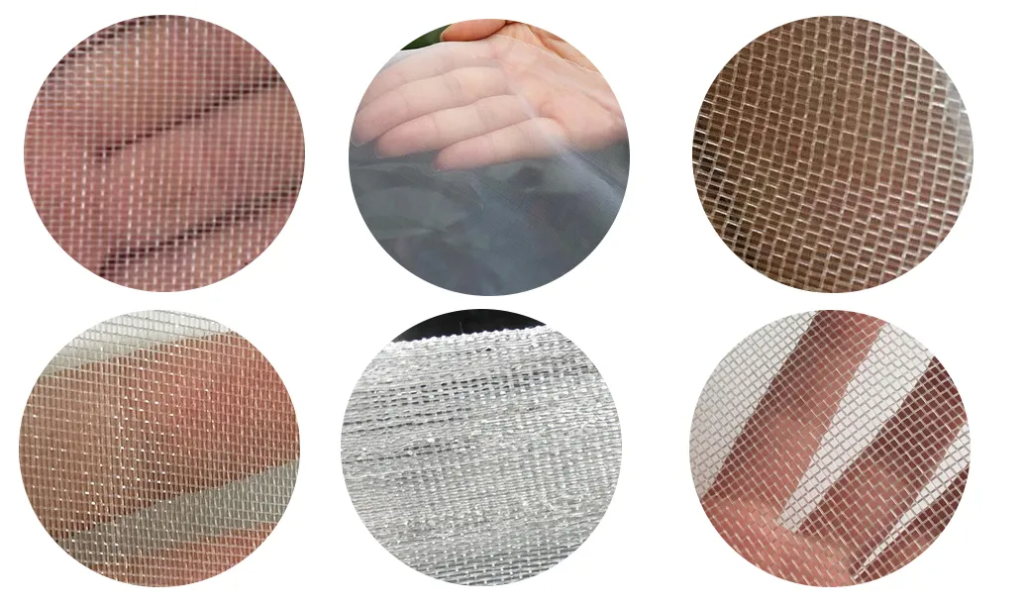
Solar radiation is another major factor. The intensity and duration of sunlight, particularly the ultraviolet (UV) component, is the primary agent of degradation for most netting materials. A net installed in a high-UV environment like Arizona or Southern Spain will require a higher degree of UV stabilization than one installed in the United Kingdom or the Pacific Northwest. The choice of net color also comes into play here, as different colors interact with sunlight in distinct ways, affecting not only the net’s longevity but also the temperature and light spectrum within the greenhouse.
Understanding your local climate is not an abstract exercise; it is a practical necessity for selecting a product that will endure and perform as expected.
Selecting the Right Anti-Insect Netting
The selection of the anti-insect net is the heart of the entire project. It is a decision that balances the physics of airflow, the biology of insects, and the economics of horticultural production. A poor choice at this stage can render the entire installation ineffective or, worse, detrimental to crop health. The ideal net is a perfectly calibrated filter: permeable enough to allow adequate air and light, yet impermeable to the target pests.
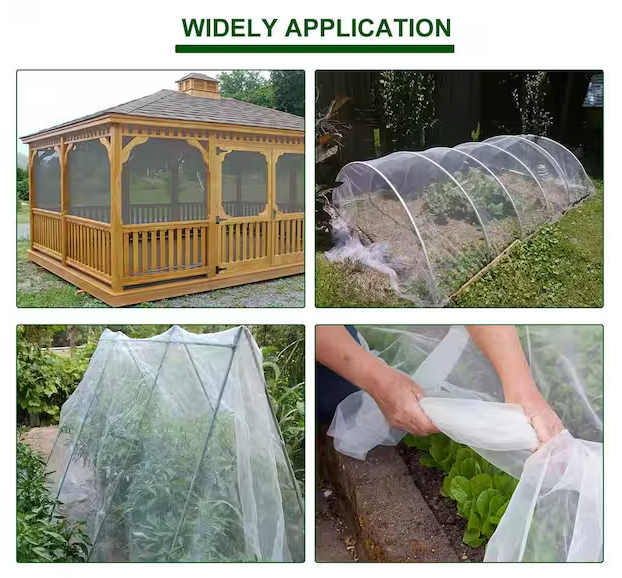
This selection process can be deconstructed into four key attributes: mesh size, material composition, color, and UV stabilization.
Decoding Mesh Size and Pest Exclusion
Mesh size is the most critical parameter in pest exclusion. It is typically expressed in one of three ways: threads per inch (or cm), the number of holes per square inch (or cm²), or the precise dimensions of the hole itself in millimeters or microns. For the grower, the most intuitive metric is often the one that relates directly to the pest. For instance, a “thrips-proof” net.
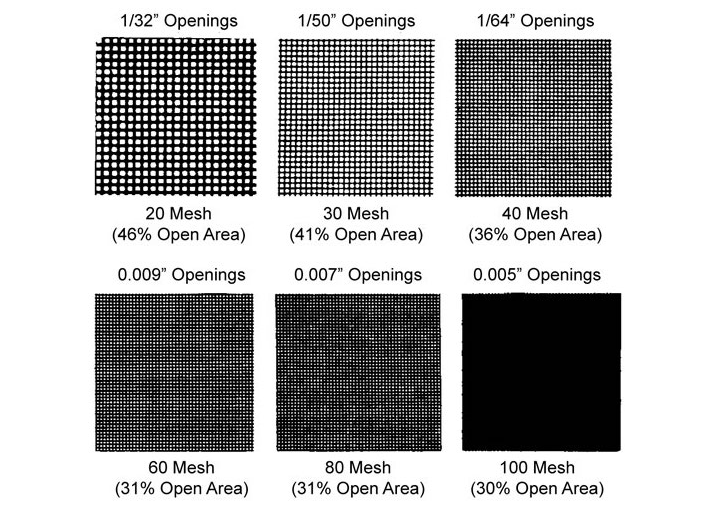
The relationship between mesh size and pest exclusion is absolute. An insect’s ability to penetrate a net is determined by its thoracic width, the narrowest dimension of its main body. The hole size of the net must be smaller than this dimension.
| Mesh Type (Example) | Common Hole Size (Microns) | Primary Pests Excluded | Impact on Airflow |
|---|---|---|---|
| 25 Mesh | ~800 x 800 µm | Large moths, butterflies, houseflies | Low Reduction |
| 40 Mesh | ~450 x 450 µm | Whiteflies, leafminers, aphids | Moderate Reduction |
| 50 Mesh | ~300 x 300 µm | Western flower thrips, smaller whiteflies | Significant Reduction |
| 60 Mesh | ~250 x 250 µm | The smallest thrips and aphids | High Reduction |
Table 1: Comparison of common anti-insect net mesh sizes, the pests they exclude, and their relative impact on ventilation. Note that hole sizes can vary by manufacturer even for the same mesh count.
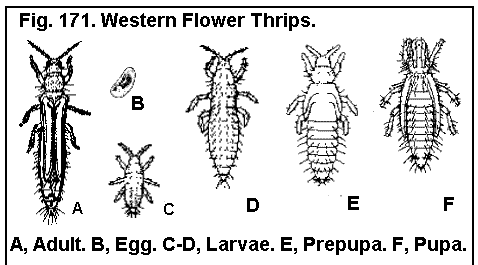
Let’s consider the challenge of the Western Flower Thrips (Frankliniella occidentalis). An adult female may have a thoracic width of around 250-300 microns. To reliably exclude this pest, the hole dimensions of the net must be smaller than this. This typically necessitates a 50-mesh net or finer. However, this level of exclusion comes at a cost. The finer the mesh, the smaller the holes, and the greater the reduction in airflow.
This trade-off is the central dilemma of net selection. A grower in a hot, humid climate might find that a 50-mesh net, while excellent for thrips exclusion, raises the internal temperature to levels that stress the crop. In such a scenario, they might opt for a 40-mesh net (which is effective against whiteflies) and integrate it with other IPM strategies specifically targeting thrips. The decision is therefore a calculated risk, weighing the certainty of pest exclusion against the potential for heat stress.
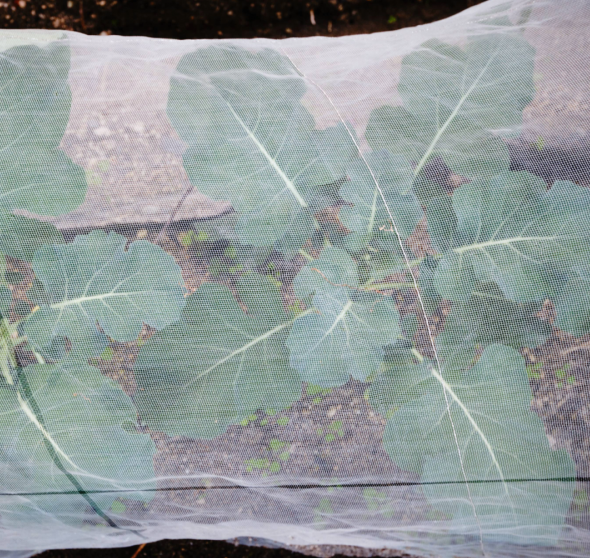
For high-value crops where viral diseases vectored by thrips are a primary concern, the choice will almost always gravitate towards the finer 50-mesh or even 60-mesh nets, with the understanding that the ventilation system must be robust enough to handle the reduced airflow.
Comparing Netting Materials: HDPE, Polyester, and Nylon
The raw material from which the net is woven determines its strength, flexibility, durability, and cost. The most common material used for agricultural insect screens is High-Density Polyethylene (HDPE).
| Feature | HDPE (High-Density Polyethylene) | Polyester (PET) | Nylon (Polyamide) |
|---|---|---|---|
| Primary Use | Most common for agricultural insect screens | Common alternative for netting | Less common for general greenhouse use |
| Strength | Excellent strength-to-density ratio | Exceptional strength & stability | Exceptionally strong & abrasion-resistant |
| Flexibility | High flexibility | Good, but less prone to stretching | Good, but noted for toughness |
| Durability | High resistance to moisture & chemicals; long-lasting with UV inhibitors | Good durability, high dimensional stability | High toughness, but susceptible to some chemical degradation |
| Dimensional Stability | Good | Excellent (low stretch/shrink with temperature) | Good |
| Cost | Typically the most economical | More expensive than HDPE | Generally the most expensive |
| Key Advantages | Lightweight, flexible, UV-resistant, smooth surface (dust-resistant) | Stable under tension, suitable for large installations | Superior toughness & abrasion resistance |
| Key Disadvantages | – | Higher cost | Higher cost, chemical sensitivity, less common for vents |
For most greenhouse applications, a high-quality, UV-stabilized HDPE net offers the best balance of performance, longevity, and cost. When evaluating a net, one should consider not just the material but also the quality of the weaving. A well-made net will have uniform hole sizes and strong, consistent threads.
The Role of Net Color and Shading Factor
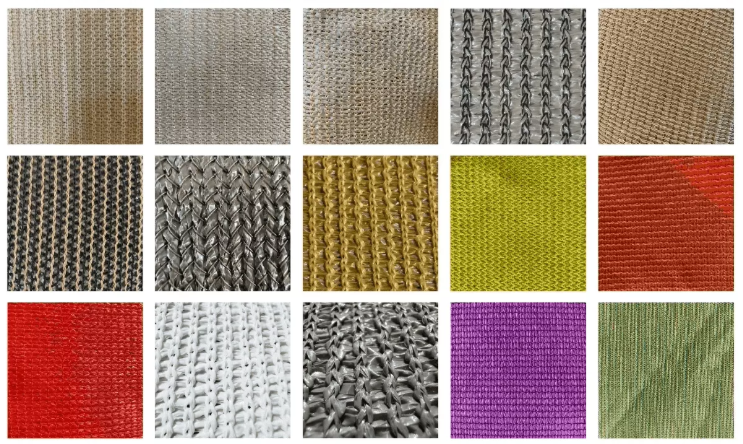
The color of the netting is not merely an aesthetic choice; it has significant photobiological and thermal consequences for the greenhouse environment. The most common colors are transparent (or “crystal”), white, and black, with some specialized options like aluminized nets.
| Net Color | Primary Effect on Light | Primary Thermal Effect | Other Considerations |
|---|---|---|---|
| Transparent/Crystal | Maximum light transmission | Minimal shading, can increase temperature | Best for light-demanding crops in low-light regions |
| White/Pearl | Diffuses sunlight, reduces shadows | Moderate cooling effect by reflecting light | Good general-purpose option, balances light and temp |
| Black | Reduces light transmission (shading) | Absorbs heat, can warm the net surface | Provides a shading effect, useful for shade-loving crops |
| Aluminized/Silver | Reflects infrared radiation, diffuses light | Significant cooling effect | Excellent for hot climates, may deter some pests |
Table 2: Comparison of anti-insect net colors and their impact on the greenhouse environment.
- Transparent/Crystal Nets: These are designed for maximum light transmission. They are the preferred choice in regions with lower light levels or for crops that are highly sensitive to light quantity, such as flowering ornamentals or fruiting vegetables during the winter months. The trade-off is a minimal shading effect, which means they do little to mitigate heat gain from solar radiation.
- White/Pearl Nets: White nets act as light diffusers. They scatter the incoming sunlight, reducing harsh shadows and allowing light to penetrate deeper into the plant canopy. This diffused light can improve overall photosynthesis. White nets also have a cooling effect as they reflect a portion of the solar radiation. They represent a good compromise between light transmission and temperature moderation.
- Black Nets: Black nets inherently provide a shading effect, which can be beneficial for shade-loving crops or during the most intense summer months in very hot climates. However, they absorb solar radiation, which can heat the net itself and radiate warmth downwards, sometimes offsetting the shading benefit.
- Aluminized Nets: These are specialized nets that incorporate reflective strips. They are highly effective at reflecting infrared (heat) radiation away from the greenhouse, providing a significant cooling effect. They also diffuse visible light. Some research suggests that the reflective surface can also disorient and deter certain insects, like aphids. These are often the most expensive option but can be invaluable in extremely hot climates like those found in Israel or the Middle East (Ben-Yakir, 2012).
The choice of color is therefore a strategic decision. A grower in Northern Europe might prioritize a transparent net to maximize precious winter light, while a grower in Southern California would likely benefit from the cooling properties of a white or aluminized net.
Understanding UV Stabilization and Longevity
Perhaps the most significant factor determining the lifespan of an anti-insect net is its resistance to ultraviolet (UV) radiation. Polyethylene and other polymers are naturally degraded by the high-energy photons in sunlight. This process, called photo-degradation, breaks the long polymer chains, causing the material to become brittle, lose its strength, and eventually disintegrate.
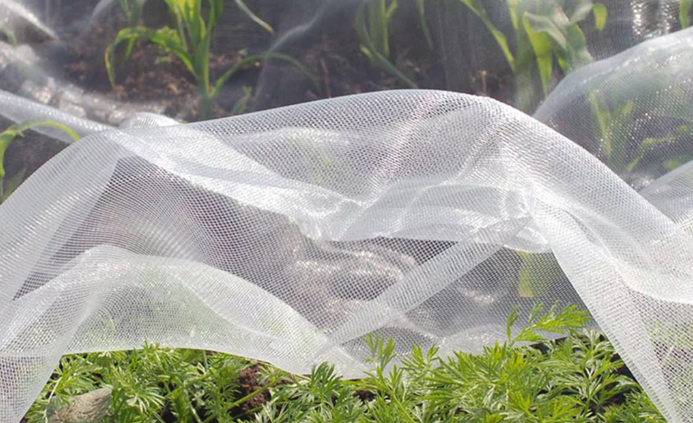
To counteract this, manufacturers add UV-stabilizing chemicals to the polymer resin before it is extruded into filaments. The most common type of stabilizer is a Hindered Amine Light Stabilizer (HALS). These molecules do not absorb UV radiation but instead trap the free radicals that are formed during the photo-oxidation process, thus protecting the polymer structure.
The quality and quantity of the UV stabilization package are what separate a high-quality, long-lasting net from a cheap one that might fail in a single season. Longevity is often expressed in years of expected service life for a given region, or sometimes using a “kilo-Langley” (KLY) rating, which is a measure of total solar radiation exposure the net can withstand. A higher KLY rating indicates greater durability. Investing in a net with a robust UV stabilization package from a reputable manufacturer is a critical long-term economic decision. It avoids the recurring labor and material costs of frequent replacement and ensures the integrity of the pest barrier for many years. When sourcing materials, looking for custom netting solutions can be beneficial, as specialized providers can offer products with certified UV resistance tailored to specific climatic conditions.
Measuring and Calculating Netting Requirements
After the meticulous process of assessing the greenhouse and selecting the appropriate netting, the project moves into a phase of practical geometry. Accurate measurement is the foundation of a successful installation. An error of a few centimeters can compromise the seal of the entire structure, creating an entry point for pests.
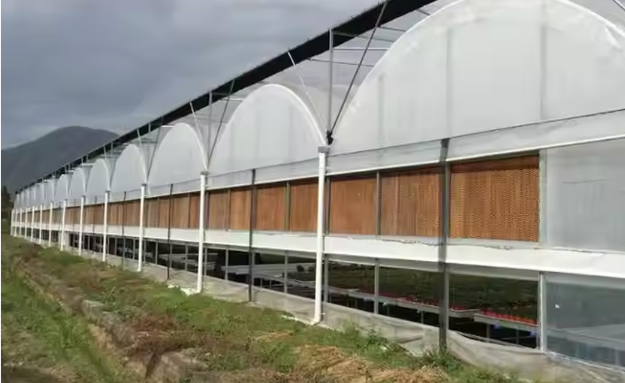
This stage demands precision and a methodical approach, treating the greenhouse not as a single entity, but as a composite of distinct surfaces, each requiring careful measurement.
A Systematic Approach to Measuring Vents, Doors, and Openings
The primary points of measurement are the ventilation openings, as these are the main highways for air and, consequently, for insects. Whether you have roof vents, side vents, or roll-up walls, the principle is the same.
- Measure the Clear Opening: Using a reliable tape measure, determine the exact height and width of the vent opening itself. Measure from the inside edges of the frame that defines the opening. It is wise to measure in at least two places for both height and width to account for any slight irregularities in the frame. Use the larger of the two measurements.
- Add the Overlap: The netting cannot simply cover the opening; it must extend beyond the frame to allow for a secure attachment. This extra material is the overlap. A standard recommendation is to add a minimum of 15 to 30 centimeters (6 to 12 inches) to each side. For example, if a vent opening is 1.0 meter wide by 2.0 meters long, you would calculate the required net piece as follows:
- Width: 1.0 m + 0.3 m (left side) + 0.3 m (right side) = 1.6 m
- Length: 2.0 m + 0.3 m (top side) + 0.3 m (bottom side) = 2.6 m So, for a 1×2 meter opening, a 1.6×2.6 meter piece of netting is required. This generous overlap provides ample material to be clamped into locking profiles without placing stress on the edge of the vent opening itself. Skimping on the overlap is a false economy that leads to a weak and unreliable seal.
- Document Everything: Create a simple diagram or spreadsheet for your greenhouse. Label each vent (e.g., “North Roof Vent 1,” “East Side Vent 3”) and record its dimensions and the calculated size of the netting piece required. This organized record prevents confusion and errors when cutting the netting or placing an order.
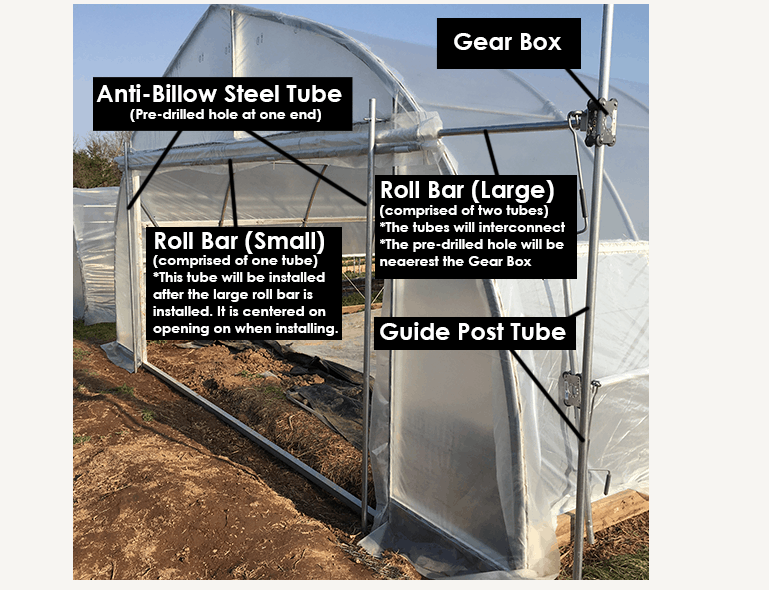
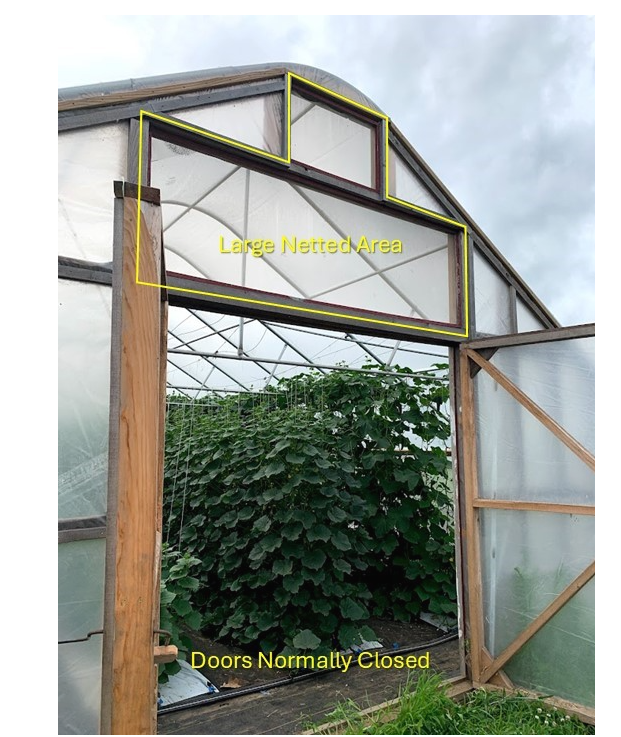
The same principle applies to doors. Even if you plan a double-door system, the outer door frame must be screened. Measure the door opening and add the necessary overlap for attachment.
Calculating for Complex Shapes and Roll-Up Sides
Not all greenhouse openings are perfect rectangles. Polytunnels have curved roofs, and some greenhouses feature triangular or trapezoidal vents.
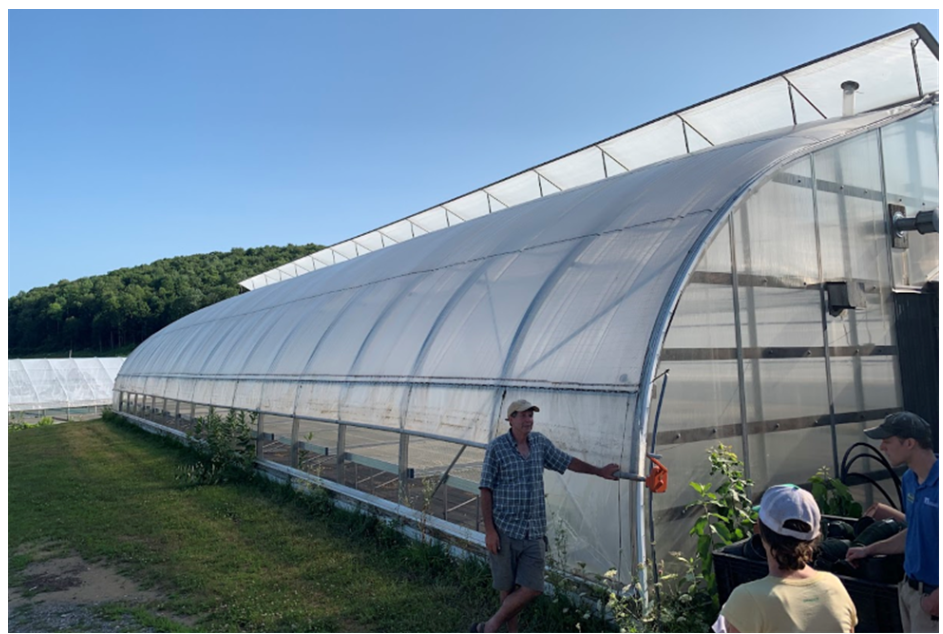
- Curved Surfaces: For the arched roof of a polytunnel with continuous ridge venting, you must measure the arc length, not just the straight-line distance. A flexible tailor’s tape is an excellent tool for this. Drape it over the curve of the structure from one attachment point to the other to get an accurate length. As always, add the overlap.
- Roll-Up Sides: These are common in polytunnels and some other greenhouse types. The measurement is typically straightforward: the full length of the greenhouse and the maximum height of the opening when fully rolled up. The key consideration here is ensuring you have enough width to cover the opening plus the overlap for attachment at the top (to the hip rail) and at the bottom (often attached to the roll bar itself or a baseboard).
- Irregular Shapes: For triangular vents, measure the base and the height of the triangle. Treat it as if it were a rectangle with those dimensions (base x height) and add the overlap to all sides. You will trim the excess material after installation, but ensuring you have enough to cover the largest dimensions is crucial.
Accounting for Overlap and Attachment Points
The overlap is not just spare material; it is a functional component of the installation. Its purpose is to be securely held by the chosen fastening system. The most common and effective system for commercial greenhouses is a two-part aluminum profile system, often called a “locking channel” or “wiggle wire” system.
This system consists of an aluminum base channel that is screwed onto the greenhouse frame around the perimeter of the vent opening. The netting is laid over this channel, and a PVC-coated steel spring (the “wiggle wire”) is then pressed into the channel in a zig-zag motion. The wire traps the netting firmly in place, creating a continuous, tight seal that distributes the tension evenly.
When calculating your netting needs, you must visualize where these profiles will be mounted. The overlap you calculated must be sufficient to reach these profiles and be securely seated within them. If your vent frame is particularly wide, you may need to account for a larger overlap to bridge the distance from the vent edge to the mounting point. Always err on the side of having slightly too much netting rather than too little. Excess can be trimmed, but a piece that is too small is useless.
Preparing the Greenhouse Structure
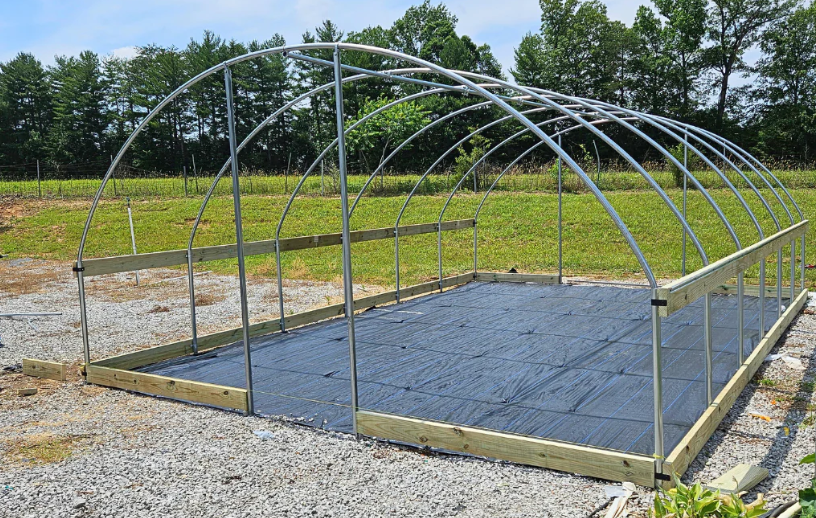
With the calculations complete and the netting selected, the impulse is to begin the installation immediately. However, a crucial preparatory stage must first be undertaken. The greenhouse frame is the skeleton upon which the delicate skin of the netting will be attached. Its condition will directly impact the ease of installation and the longevity of the net. A properly prepared structure ensures a smooth, secure fit and prevents premature failure of the netting material. This phase is about creating a clean and flawless interface between the frame and the screen.
Cleaning and Repairing the Frame
The surfaces around the vents and openings where the netting will be attached must be meticulously cleaned and inspected. Over time, these areas accumulate dirt, algae, and residues from previous crop cycles.
- Washing: Use a pressure washer on a low setting or a stiff brush with a mild detergent solution to scrub the frame members around all openings. The goal is to remove all organic matter and grime. Algae, in particular, can hold moisture against the netting and the frame, potentially accelerating degradation.
- Inspection for Sharp Edges: This is a critical step. Run a gloved hand over every surface that will contact the net. Feel for sharp metal edges from cuts or welds, protruding screw heads, or burrs on aluminum extrusions. These seemingly minor imperfections act like knives, and under the tension of the installed net and the movement from wind, they will inevitably chafe, weaken, and eventually tear the netting.
- Repair: Any sharp points must be smoothed. Use a metal file or an angle grinder with a flap disc to round over sharp edges and flatten protruding welds. Replace any damaged or protruding screws. For rusted steel frames, remove the loose rust with a wire brush and apply a coat of rust-inhibiting primer or paint. The goal is to create a perfectly smooth, non-abrasive surface for the net to lie against.
Installing Mounting Profiles and Fastening Systems
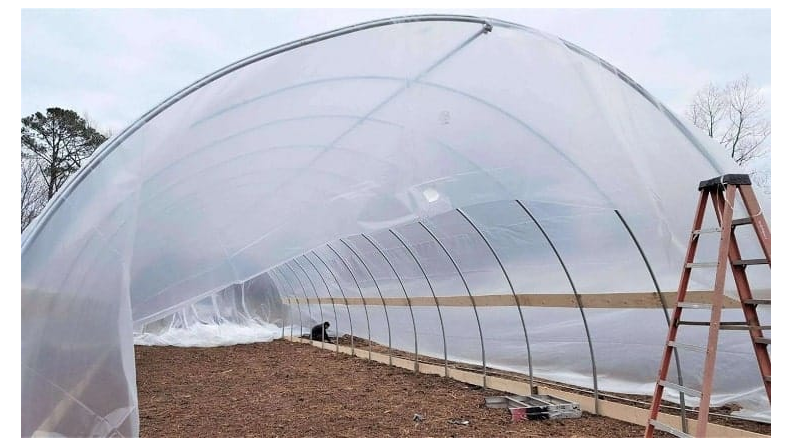
Before the netting is unrolled, the hardware for attaching it should be installed. This ensures that the frame is ready to receive the net, streamlining the installation process. As mentioned, the “wiggle wire” system is the industry standard for good reason.
- Mounting the Base Channel: The aluminum base channel is attached directly to the greenhouse frame, outlining the perimeter of the opening to be screened. It should be screwed in place at regular intervals (typically every 30-40 cm or 12-16 inches) using self-tapping screws appropriate for the frame material (steel or aluminum). Ensure the channel is mounted straight and flush against the frame. At the corners, the channels can be mitered at a 45-degree angle for a clean fit or simply butt-jointed.
- Consider the Placement: The channel should be placed far enough from the edge of the vent opening to accommodate the overlap you calculated. Placing it on a flat, stable part of the greenhouse structure is essential for a strong connection.
- Alternative Systems: For smaller-scale operations, hobby greenhouses, or temporary installations, other methods can be used. One common alternative is the “batten” method. Here, the netting is sandwiched between the greenhouse frame and a strip of wood or plastic (the batten), which is then screwed into the frame. While simpler and less expensive, this method creates pressure points at each screw, rather than the continuous grip of a wiggle wire system, and can be more prone to failure over time. For any serious commercial operation, investing in a proper locking channel system is highly recommended.
Pre-Installation Site Cleanup
The final step in preparation extends beyond the greenhouse frame to its immediate surroundings. The area around the greenhouse is a reservoir for pests and diseases. Weeds growing against the side of the structure can harbor insects like aphids and whiteflies, which can then easily move into the greenhouse if a small gap is present or when a door is opened.
Before beginning the installation, create a vegetation-free buffer zone of at least one meter around the entire perimeter of the greenhouse. This can be achieved by laying down a quality landscape fabric and covering it with gravel. This simple act of sanitation reduces the ambient pest pressure on the structure. It also creates a clean, dry area for staging and handling the large rolls of netting during the installation process, preventing them from being dragged through mud or vegetation, which could damage or contaminate them before they are even installed. This holistic approach recognizes that the process of installing anti-insect nets in greenhouses is as much about sanitation as it is about construction.
Choosing the Optimal Installation Method
With the structure prepared and the netting on site, the next set of decisions pertains to the specific techniques of attachment. The choice of installation method is a strategic one, influenced by the design of the greenhouse, the type of vents, and the desired balance between net protection, ease of cleaning, and aerodynamic efficiency. There is no single “correct” method; the optimal choice is contextual, adapting to the unique features of the structure.
External vs. Internal Installation: A Critical Choice
One of the most fundamental decisions is whether to install the netting on the outside or the inside of the ventilation openings. Each approach has a distinct set of advantages and disadvantages.
- External Installation: This is the most common and generally recommended method. The netting is stretched over the outside of the vent opening.
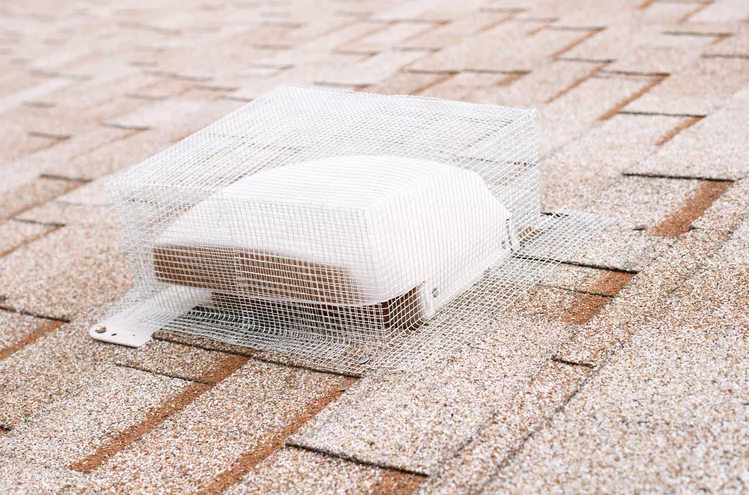
- Advantages: The primary benefit is ease of cleaning. The outer surface of the net is exposed to the elements and will inevitably collect dust, pollen, and debris. An externally mounted net can be cleaned from the outside of the greenhouse using low-pressure air or water without disrupting the crop or operations inside. It also prevents debris from accumulating in the vent mechanism itself. From a pest management perspective, it creates a buffer zone; any pests trapped on the net are outside the growing area.
- Disadvantages: The net is fully exposed to the weather—sun, wind, rain, and hail. This can accelerate its degradation, although a high-quality UV-stabilized net is designed to withstand this. In snowy climates, snow and ice can accumulate on the screen, blocking airflow and adding significant weight.
2. Internal Installation: In this method, the netting is attached to the inside frame of the vent opening.
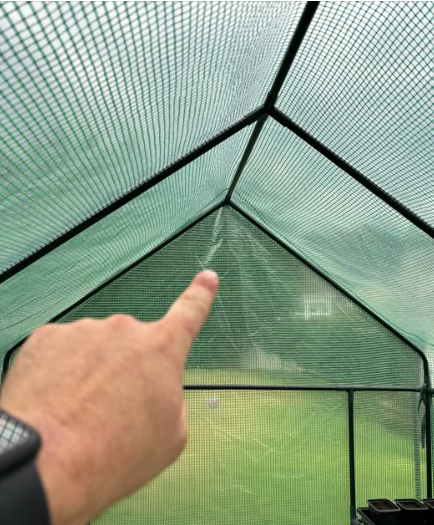
- Advantages: The net is protected from the harshest weather conditions, which can extend its lifespan. It is shielded from wind, hail, and snow accumulation.
- Disadvantages: Cleaning is significantly more difficult. It must be done from inside the greenhouse, which can be awkward, especially for high roof vents. The process can disturb the crop and create a mess inside the growing area. More critically, any pests or debris that pass through the open vent will be trapped between the vent and the screen. This creates a “no man’s land” where pests can accumulate and potentially find their way through small gaps. It also makes the vent mechanism itself a collection point for debris.
For most commercial operations, the benefits of easy cleaning and improved sanitation make external installation the superior choice. The concerns about weather exposure are largely mitigated by selecting a durable, high-quality net.
Techniques for Roof Vents and Continuous Venting Systems
Roof vents are critical for releasing hot air, but they are also prime entry points for airborne pests.
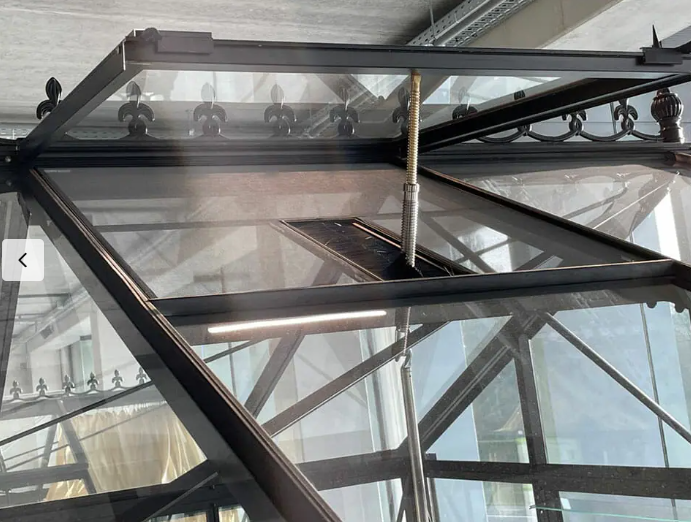
- Individual Vents: For greenhouses with a series of individual, hinged roof vents, the most robust solution is to construct an “insect screen box.” This involves building a frame that extends upwards from the roof around the vent, and then stretching the netting over this frame. This allows the vent to open and close freely underneath the screen. The screen remains static, which is better for its longevity than being attached to a moving part.
- Continuous Ridge Vents: For gutter-connected greenhouses with a continuous vent at the ridge, the netting is typically installed directly over the vent opening. The key is to ensure a secure attachment along the entire length of the vent on both sides. This often involves specialized profiles designed to fit the specific kinematics of the vent. In some designs, particularly “butterfly” vents, the netting is installed in a concertina or folded fashion that allows it to expand and contract as the vent opens and closes. This is a complex installation that often requires professional expertise.
Securing Side Walls and Roll-Up Vents
Side wall ventilation is common, especially in polytunnels.
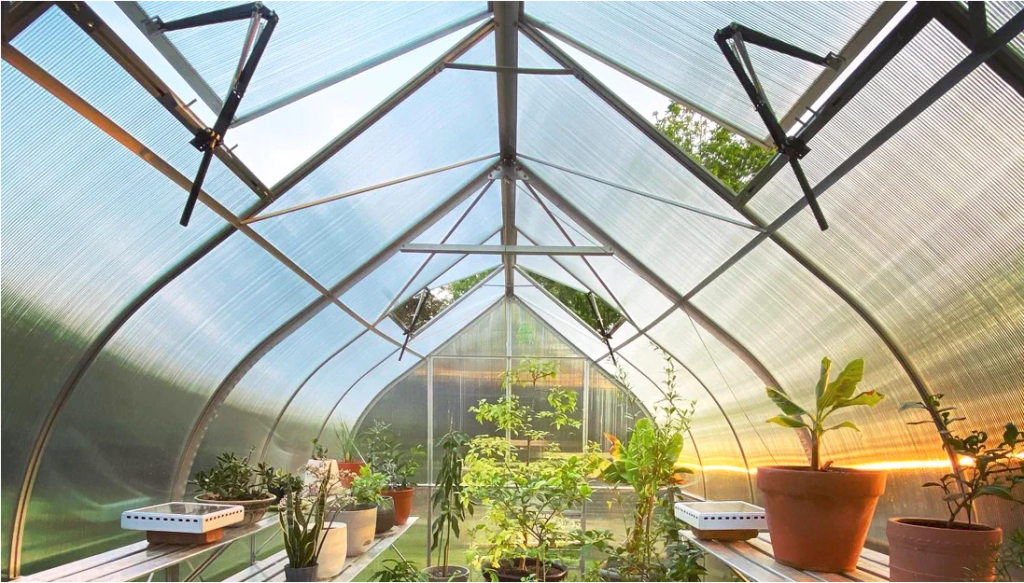
- Fixed Openings: For permanent openings in the side wall, the installation is straightforward. A locking channel system is installed around the perimeter of the opening, and the net is attached externally.
- Roll-Up Vents: These systems, where a sheet of plastic is rolled up or down to control airflow, require a specific approach. The top edge of the netting is secured to the horizontal frame member of the greenhouse (the hip rail) using a locking channel. The bottom edge of the netting is attached to the roll bar itself. This way, the netting rolls up and down with the plastic film, ensuring the opening is screened whether it is fully open, fully closed, or anywhere in between. It is important to ensure there is a good seal at the ends of the roll-up to prevent pests from entering through the sides.
Creating Pest-Proof Entryways: Double-Door Systems
The single most significant breach of a screened greenhouse is the door. Every time a person or piece of equipment enters or exits, there is an opportunity for pests to fly in. A simple screened door is insufficient, as pests can be drawn in by the negative pressure created when the door is opened.
The gold standard solution is to create a vestibule, or a double-door entry system. This is a small, enclosed anteroom attached to the main entrance of the greenhouse. It has two doors: one leading to the outside and one leading into the greenhouse. The protocol is that the outer door must be closed before the inner door is opened. Both the vestibule itself and the inner door are screened. This system creates an airlock that effectively prevents the direct entry of flying insects. Any pest that manages to get into the vestibule when the outer door is opened is trapped in that small space and cannot enter the main growing area. Yellow sticky cards should be placed inside the vestibule to monitor and capture these intruders. While it adds to the construction cost, a double-door system is an indispensable feature for any grower serious about maintaining a high level of pest exclusion.
The Step-by-Step Installation Process
This is the moment where planning and preparation materialize into a physical barrier. The actual installation of the netting is a process that demands patience, teamwork, and a methodical workflow. Rushing this stage can lead to a poorly tensioned, wrinkled, or damaged net that compromises the entire system. Ideally, this work should be done on a calm, overcast day to avoid fighting the wind and to reduce heat stress on the workers.
Handling and Unrolling the Netting
Anti-insect netting typically arrives in large, heavy rolls. Proper handling from the very beginning is essential to prevent damage.
- Prepare a Clean Staging Area: Use the clean, debris-free zone you previously prepared outside the greenhouse. If necessary, lay down a clean tarp to provide an additional layer of protection.
- Never Drag the Net: Dragging the netting roll or the unrolled fabric across any surface—even seemingly smooth concrete—can cause snags and abrasions that create microscopic weaknesses or outright holes. Always have enough people to lift and carry the rolls.
- Unroll with Care: Position the roll at one end of the section you are about to install. With at least two people, carefully unroll the netting along the length of the vents or wall. Have additional people support the middle of the fabric to keep it off the ground as it is unrolled. For roof installations, this may involve workers on the roof and on the ground, passing the netting up carefully.
Initial Positioning and Temporary Fastening
Once the netting is unrolled and roughly in position over the designated opening, the next step is to align it correctly before permanent attachment.
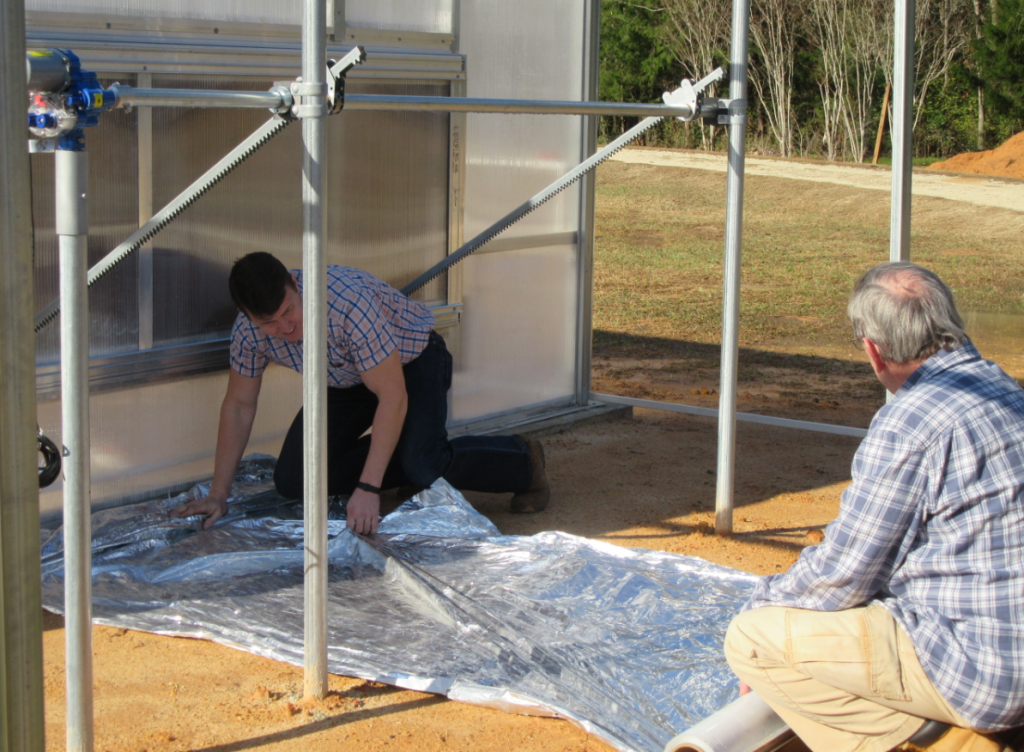
- Start at a Corner: Begin at one of the top corners of the opening. Align the edge of the netting so that you have the required overlap on both the top and side of the frame.
- Use Temporary Clips: Use spring clamps or specialized netting clips to temporarily hold the starting corner in place. These clips can be attached to the greenhouse frame or the locking channel itself.
- Work Along the Top Edge: Move from your starting corner along the top edge of the opening, positioning the net and applying temporary clips every meter or so. Keep the top edge straight and aligned with your intended attachment line. Do not apply significant tension at this stage; the goal is simply to hang the fabric in its correct general position.
Achieving Proper Tension: The Key to Durability
Proper tensioning is arguably the most skillful part of the installation. A net that is too loose will flap in the wind, causing abrasion against the frame and eventual failure. A net that is stretched too tight is under constant stress, which can distort the mesh holes (compromising pest exclusion) and lead to premature tearing, especially around attachment points. The goal is a “drum-tight” but not over-stretched fit. The net should be taut enough that it doesn’t sag or flap, but not so tight that it deforms the weave.
- Work Diagonally: After securing the top edge, move to the bottom corner diagonally opposite your starting corner. Gently pull the netting taut. The tension should be applied evenly by two people pulling together.
- Feel the Tension: This is often learned by experience. The net should feel firm to the touch, with very little give. When you tap it, it should feel resonant, like a drum skin, but not so rigid that it feels like board.
- Secure Temporarily: Once you have achieved the correct diagonal tension, apply temporary clips to that corner. Then proceed to the other corners, always working to create even tension across the entire surface of the fabric.
Securing the Net with Locking Profiles and Wiggle Wires
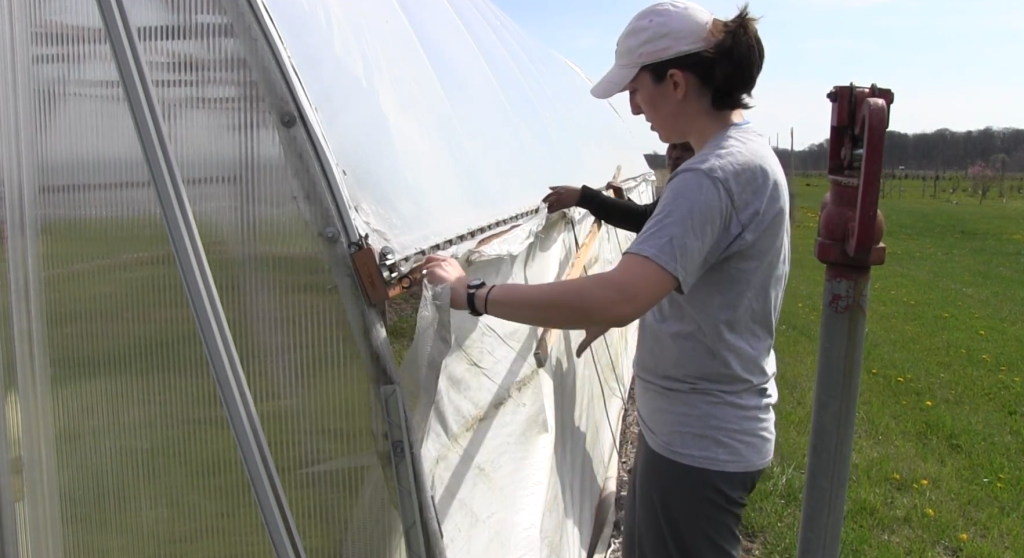
With the netting properly positioned and temporarily held under the correct tension, it’s time for permanent fastening using the pre-installed locking channels.
- Start at the Top: Begin along the top edge, removing the temporary clips one by one as you go.
- Lay the Net in the Channel: Press the netting fabric down into the base channel.
- Insert the Wiggle Wire: Take a piece of the PVC-coated wiggle wire. Starting at one end, press it into the channel over the top of the netting. The technique is to push it in with a rocking, side-to-side motion, creating a “W” pattern. This motion securely locks the fabric into the channel. You should hear a satisfying “click” or “snap” as it seats correctly.
- Work Systematically: Secure the entire top edge first. This creates a strong, stable anchor point. Next, move to one of the sides. Have a helper maintain gentle, even tension from the bottom as you lock the side into its channel. Then, secure the opposite side. Finally, install the wiggle wire along the bottom channel. This top-to-bottom, side-to-side sequence helps ensure that tension remains uniform across the entire panel.
Trimming Excess Netting
Once the netting is securely locked into all the channels around the perimeter of the opening, you will have a flap of excess material—the remainder of your calculated overlap.
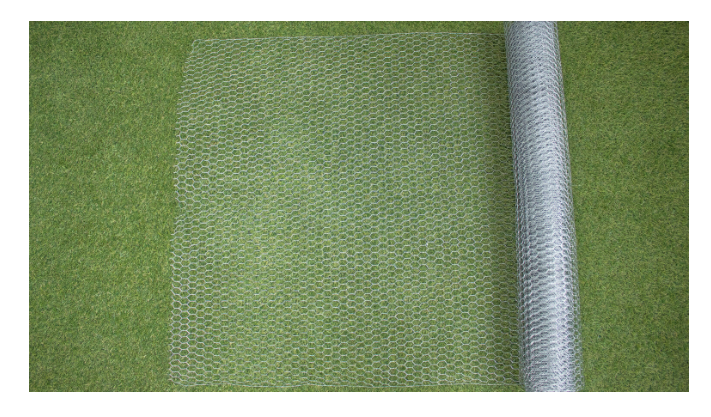
- Use a Sharp Utility Knife: A sharp blade is essential for a clean cut. A dull blade will snag and pull the threads of the net.
- Leave a Small Flap: Do not trim the netting flush with the edge of the locking channel. It is good practice to leave a small flap of 2-3 centimeters (about 1 inch). This small flap serves two purposes. First, it ensures that if there is any minor slippage or re-tensioning over time, the edge of the netting will not pull out of the channel. Second, it provides a small amount of material to grip if you ever need to remove and reinstall the netting.
- Dispose of Scraps Properly: Collect and dispose of all trimmed pieces of netting. Leaving scraps on the ground can contribute to plastic pollution and create a hazard.
Sealing Gaps and Ensuring a Pest-Proof Enclosure
The installation of the main netting panels is a major accomplishment, but the work is not yet complete. A greenhouse pest-exclusion system is only as strong as its weakest point. Even a perfectly installed net is rendered ineffective if there are small, unsealed gaps elsewhere in the structure. This final stage of the installation is a meticulous “gap hunt,” requiring a keen eye and attention to the smallest details.
The goal is to achieve a truly hermetic seal, leaving no crevice or crack for pests to exploit.
The Hunt for Gaps: Inspecting Seams, Corners, and Doors
After the main nets are in place, a thorough inspection of the entire greenhouse envelope is necessary.
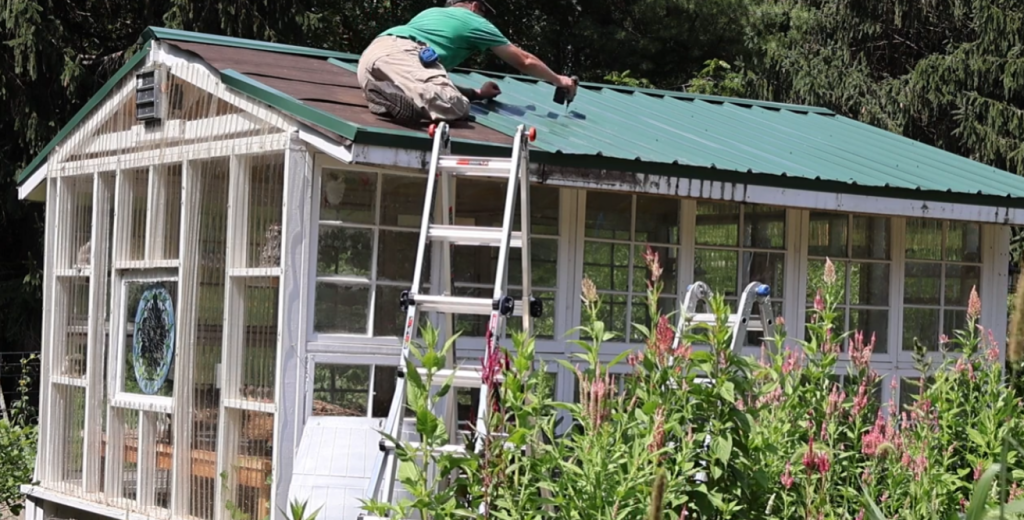
- Inspect Seams and Overlaps: Look closely at every point where two pieces of netting meet or where the netting meets the greenhouse structure. In corners where locking channels meet, are there any tiny triangular gaps? Are the overlaps between large sheets of netting (if any) completely sealed?
- Check the Foundation: Inspect the entire base perimeter of the greenhouse. Is there a tight seal where the walls meet the foundation or the ground? Gaps here are a common entry point for crawling insects and even slugs.
- Examine Doors and Entryways: Doors are notorious weak points. Check the seal around the entire door frame when it is closed. Is there a gap at the bottom? Do the edges seal tightly, or is there a visible crack of light? Are the hinges and latches secure?
- The Light Test: A very effective method for spotting gaps is the “light test.” On a bright, sunny day, stand inside the darkened greenhouse (with the lights off) and have someone walk around the outside. Look for any pinpricks or lines of light coming through. Every point of light represents a potential pest entry point. Alternatively, conduct the inspection at night, standing outside while the inside of the greenhouse is illuminated.
Using Sealants, Foams, and Tapes for Minor Breaches
It is almost inevitable that you will find small, unavoidable gaps, particularly where pipes, electrical conduits, or irrigation lines pass through the greenhouse wall or roof. These penetrations must be sealed.
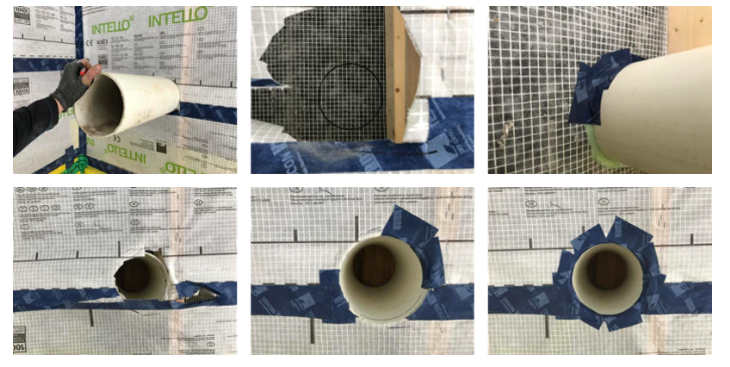
- Silicone Sealant: For small, stable gaps (less than 1 cm), a high-quality, outdoor-rated silicone sealant is an excellent choice. It is flexible, waterproof, and adheres well to most greenhouse materials. Apply a generous bead to completely fill the gap.
- Expanding Foam: For larger, more irregular gaps, a low-expansion polyurethane foam sealant can be used. This foam expands to fill the void completely. Be cautious, as high-expansion foams can exert enough pressure to deform light frame members. After the foam has cured, it can be trimmed flush and, if exposed to sunlight, should be painted or coated to protect it from UV degradation.
- Specialized Tapes: For repairing small tears or holes that may have occurred during installation, or for sealing seams, there are specialized UV-resistant repair tapes designed for greenhouse films and netting. These tapes have aggressive adhesives and are much more durable than general-purpose duct tape.
Reinforcing High-Stress Areas
Certain areas of the installation are subject to higher levels of mechanical stress and deserve extra attention.
- Corners: The corners of vent openings are points of high tension. Ensure that the locking channels are securely fastened here and that the netting is well-seated. Some installers will double-up the wiggle wire in the corners for extra grip.
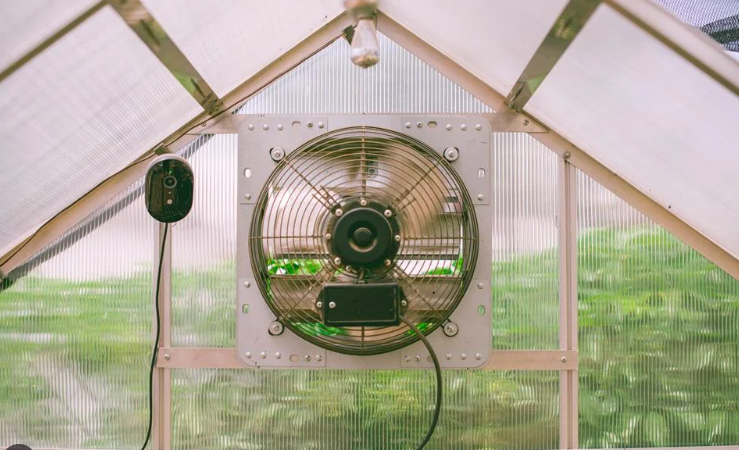
- Around Fan Housings: For greenhouses with mechanical ventilation, the area where the fan housing penetrates the wall is a critical point to seal. The vibration from the fan can work gaps open over time. A flexible sealant is often the best choice here.
- Attachments to Moving Parts: If netting is attached to any moving part, like a roll bar or a hinged vent, the attachment points will be subject to repeated flexing and stress. Regularly inspect these areas for any signs of wear or loosening.
This final sealing process transforms the greenhouse from a structure that is merely screened to one that is truly pest-proof. It is a testament to the principle that in pest exclusion, thoroughness is paramount.
Post-Installation Inspection and Maintenance
Installing anti-insect nets in greenhouses is not a one-time event but the beginning of a long-term commitment. The net is a functional component of your growing system, much like an irrigation pump or a heating unit, and it requires regular maintenance to perform optimally. A neglected net will quickly lose its effectiveness, either by becoming clogged and reducing airflow or by developing holes that allow pests to enter.
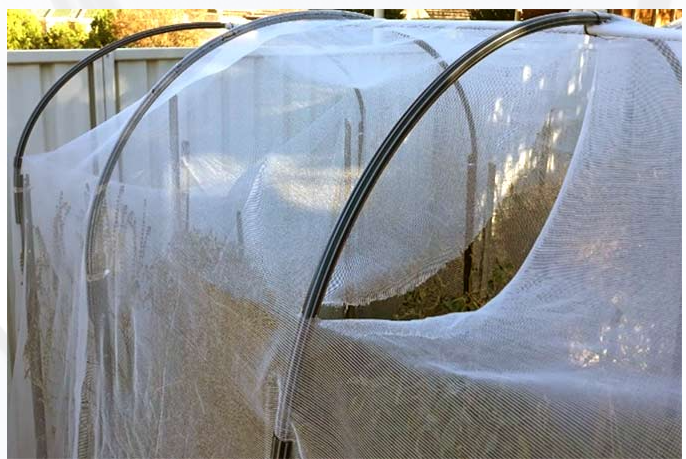
A systematic program of inspection, cleaning, and repair is essential to protect your investment and ensure the continued integrity of your pest exclusion system.
Establishing a Regular Cleaning Schedule
Over time, the outer surface of the anti-insect net will accumulate dust, pollen, pesticide residues, and other airborne debris. This layer of grime has two detrimental effects: it reduces light transmission into the greenhouse, and, more critically, it clogs the pores of the mesh, severely restricting airflow. This can lead to the very overheating problems the ventilation system was designed to prevent.
- Frequency: The required cleaning frequency depends heavily on the local environment. In a dusty, agricultural area or near a busy road, cleaning may be required as often as once a month during peak seasons. In a cleaner environment, a few times per year may suffice. The best approach is to monitor the net’s condition and the temperature differential between the inside and outside of the greenhouse. If the temperature inside is climbing higher than usual on a sunny day, a clogged screen is a likely culprit.
- Cleaning Methods: The goal is to dislodge the debris without damaging the delicate threads of the net.
- Low-Pressure Air: For dry dust and light debris, a backpack leaf blower or a compressor with an air wand is a very effective tool. Direct the air from the inside of the greenhouse outwards to push the debris off the external surface.
- Low-Pressure Water: For more stubborn grime or sticky residues, a gentle spray of water can be used. Use a hose with a spray nozzle set to a wide fan pattern, not a high-pressure jet. Again, spray from the inside out. In some cases, a very mild detergent can be added to the water, followed by a thorough rinse.
- Soft Brushing: For very persistent dirt, a soft-bristled brush can be used gently on the outside of the net, in conjunction with a water spray. Never scrub aggressively, as this can abrade and weaken the fibers.
External installation makes this cleaning process vastly simpler and more effective.
Protocols for Damage Inspection and Repair
Regular inspections are crucial for catching small problems before they become catastrophic failures.
- Routine Checks: At least once a month, perform a visual walk-around inspection of all the screened areas. Look for any obvious signs of damage.
- Post-Storm Inspections: The most critical time to inspect is after a significant weather event, such as a windstorm, hailstorm, or heavy snowfall. Look for tears, punctures from hail, or areas where the tension has become loose. Check that the wiggle wires are still securely seated in their channels.
- Repairing Damage: Small holes and tears can and should be repaired immediately.
- Repair Tapes: For small punctures or short linear tears, a specialized UV-resistant net repair tape is the quickest and easiest solution. Clean the area around the damage, and apply the tape to both sides of the net for a secure patch.
- Sewn Patches: For larger or more irregular holes, a patch of the same netting material can be sewn on. Cut a patch that is several centimeters larger than the hole in all directions. Using a durable, UV-resistant thread (like polyester upholstery thread) and a curved needle, stitch the patch securely over the damaged area.
- Replacement: If a panel of netting sustains extensive damage, it may be more effective to replace the entire section. Thanks to the wiggle wire system, this is a relatively straightforward process of removing the wires, laying in a new piece of netting, and reinstalling the wires.
Monitoring Airflow and Temperature Changes
After the initial installation, growers must be vigilant in monitoring the greenhouse environment. The addition of the screen, even when clean, will alter the climate inside.
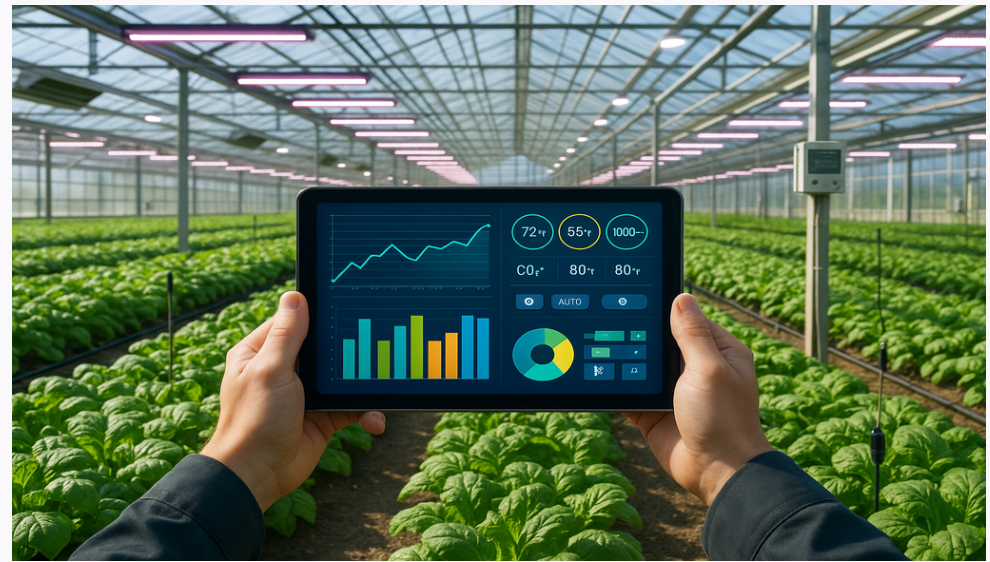
- Data Logging: Use your environmental control computer or standalone sensors to track temperature and humidity. Compare the post-installation data to historical data from the same time of year. How much has the maximum daily temperature increased? Does the greenhouse cool down as quickly in the evenings?
- Adjusting Ventilation Strategy: You may find that you need to adjust your ventilation setpoints. For example, you might need to start venting at a lower temperature to prevent the greenhouse from overshooting its target. In a fan-ventilated house, you may find that you need to run the fans for longer periods or engage additional stages of fanning sooner.
- Anticipate the Seasons: The impact of the netting will change with the seasons. The slight reduction in light and airflow might be negligible or even beneficial in the heat of summer, but the light reduction could be a concern in the low-light months of winter. Understanding these dynamics allows the grower to make proactive adjustments to their growing strategy.
Integrating Netting with Other IPM Strategies
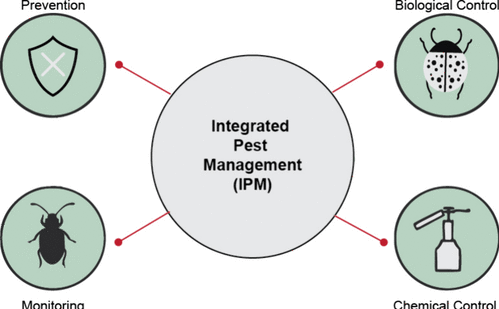
The successful installation of an anti-insect net is a monumental step towards sustainable crop protection, but it is a mistake to view it as a singular solution. The net is a physical barrier, a powerful tool of exclusion, but it is most effective when it functions as the cornerstone of a comprehensive Integrated Pest Management (IPM) program. IPM is a holistic philosophy that uses multiple tactics—cultural, biological, and chemical—in a coordinated manner to keep pest populations below economically damaging levels. The netting does not replace IPM; it enhances it.
The Net as a Component of Integrated Pest Management (IPM)
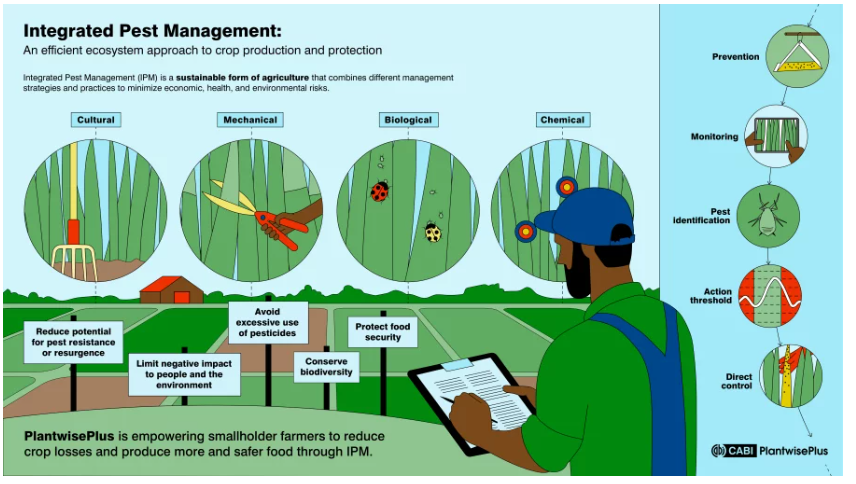
Think of the greenhouse as a medieval castle. The anti-insect net is the high stone wall, the primary line of defense. It is incredibly effective at keeping the marauding armies (pests) out. However, a wise ruler knows that a wall alone is not enough. You also need vigilant guards on the parapets (monitoring), strict rules about who enters the gates (sanitation), and perhaps even allies within the walls to deal with any intruders who might slip past (biological control). The net provides the secure environment in which these other strategies can flourish. Research consistently shows that IPM programs are far more successful in screened greenhouses compared to unscreened ones (Berlinger et al., 2002).
Cultural Practices: Sanitation and Monitoring
With the primary route of pest entry blocked, the importance of internal sanitation becomes even more pronounced. Cultural controls are the good housekeeping practices that make the greenhouse environment less hospitable to pests.
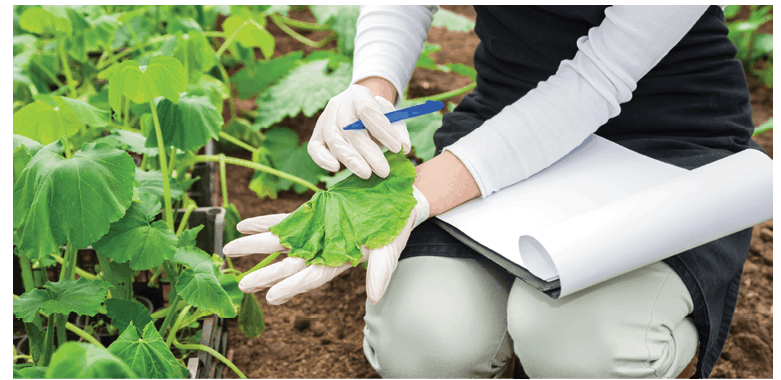
- Clean Starting Material: The most common way for a pest outbreak to start in a screened greenhouse is for the pests to be carried in on infected plant material. Always source transplants, plugs, or cuttings from a reputable, certified pest-free supplier. Inspect all incoming plant material rigorously in a separate quarantine area before introducing it to the main greenhouse.
- Weed Management: Weeds inside and immediately outside the greenhouse are notorious reservoirs for pests like aphids, thrips, and spider mites, as well as plant diseases. Maintain a zero-tolerance policy for weeds within the growing area. The weed-free buffer zone outside the greenhouse, created during the preparation phase, is a critical part of this.
- Scouting and Monitoring: The guards on the wall. Even with screens, a small breach can occur, or a few pests might ride in on an employee’s clothing. A regular, systematic scouting program is non-negotiable. This involves inspecting plants for early signs of damage or pests and using yellow and blue sticky cards to monitor flying insect populations. The data from these cards provides an early warning system. If thrips suddenly appear on a card near a specific vent, it alerts you to a potential tear in the net in that area.
Biological Control Agents in a Screened Environment
The use of beneficial insects and mites (predators and parasitoids) is a cornerstone of modern IPM. The anti-insect netting creates the perfect arena for these biological control agents to work effectively.
- Containment: The net that keeps pests out also keeps your beneficials in. When you release predatory mites like Amblyseius swirskii to control thrips and whiteflies, or parasitic wasps like Encarsia formosa to control whiteflies, the screen prevents them from simply flying away. This keeps your “standing army” of beneficials concentrated where they are needed, making the releases more effective and economical.
- Protection: The net also protects your beneficials from being eaten by larger, generalist predators from the outside. It creates a controlled ecosystem where you can manage the balance between pests and their natural enemies. For specific crops that require insect pollination, such as tomatoes or melons, the netting also allows for the managed use of bumblebee hives, keeping the bees inside to do their work. For such cases, a balance must be struck, as some very fine meshes can impede bee flight. For those applications, a specifically designed agricultural bird netting might be used in conjunction with insect screens on other openings.
Judicious Use of Pesticides
The primary goal of installing anti-insect nets is to drastically reduce or even eliminate the need for chemical pesticides. This reduces costs, minimizes environmental impact, and improves worker safety. However, the net does not make you immune to the possibility of an outbreak.
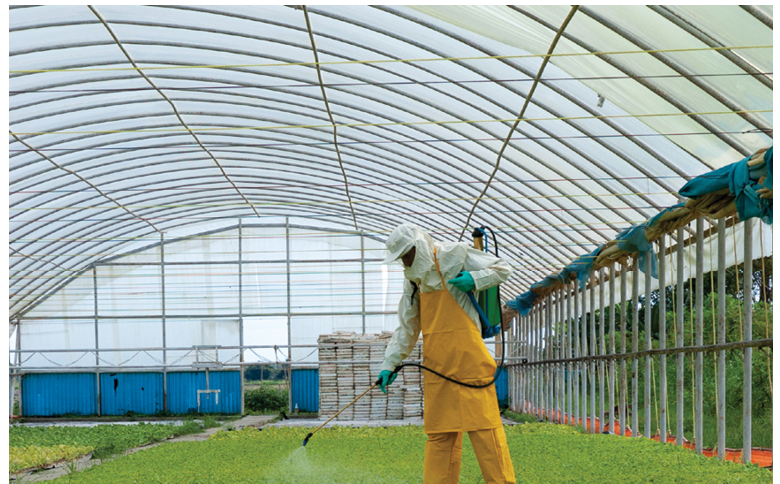
If a breach occurs and a pest population begins to establish itself, the IPM philosophy allows for the judicious use of pesticides. The key difference is that in a screened greenhouse, these applications can be targeted and precise. Instead of prophylactic, calendar-based sprays, you can respond to a specific, localized problem identified through your scouting program. Furthermore, because the screened environment is more contained, you can often use “softer,” more biologically-friendly pesticides (like insecticidal soaps, oils, or microbial insecticides) that are compatible with your biological control agents. The net gives you the control and the time to make smarter, more sustainable choices about chemical intervention.
Frequently Asked Questions (FAQ)
1. How much does anti-insect netting reduce airflow? The reduction in airflow depends primarily on the mesh size. A coarser net like a 25-mesh might only reduce airflow by 15-20%, while a very fine 50- or 60-mesh thrips net can reduce it by 50% or more. The cleanliness of the net is also a major factor; a dirty, clogged net will have a much higher resistance to airflow than a clean one.
2. Can I install insect nets myself or do I need a professional? For a small hobby greenhouse or a simple polytunnel with roll-up sides, a DIY installation is certainly feasible with careful planning and a few helpers. For large, commercial greenhouses with complex roof venting systems, a professional installation is highly recommended. Professionals have the experience, specialized equipment, and safety training to do the job efficiently and correctly.
3. What is the average lifespan of a quality anti-insect net? The lifespan is determined by the material, the quality of the UV stabilization package, and the local climatic conditions. A high-quality HDPE net with a robust UV inhibitor package, installed in a temperate climate, can last 5 to 8 years or even longer. In a high-UV, hot climate like Arizona or the Middle East, the expected lifespan might be closer to 3 to 5 years.
4. Will insect netting affect the pollination of my crops? If your crops are wind-pollinated or self-pollinating, the net will have no negative effect. If your crops require insect pollination (e.g., tomatoes, cucumbers, melons), you will need to manage pollination within the screened environment. This is typically done by introducing hives of commercial bumblebees (Bombus impatiens or Bombus terrestris) inside the greenhouse. The netting then serves the dual purpose of keeping pests out and keeping your valuable pollinators in.
5. How do I clean my greenhouse insect nets without damaging them? The best method is to use low-pressure air (from a leaf blower) or low-pressure water (from a hose with a fan spray nozzle), directing the spray from the inside of the greenhouse outwards. This pushes the debris off the external surface. For stubborn grime, a soft-bristled brush can be used gently. Never use high-pressure jets, as they can damage the delicate fibers of the net.
6. Which mesh size is best for thrips? To reliably exclude most species of thrips, including the destructive Western Flower Thrips, a 50-mesh (or 20×10 threads/cm) net is generally required. This typically corresponds to a hole size of approximately 300×300 microns. Some smaller thrips species may even require a 60-mesh net for complete exclusion, but this comes with a significant penalty in terms of airflow reduction.
The process of installing anti-insect nets in greenhouses is a profound act of environmental control. It is a deliberate and meticulous intervention that reshapes the ecology of the growing space, transforming it from an open system vulnerable to constant invasion into a protected fortress where crops can thrive. This guide has sought to demonstrate that a successful installation is an intellectual as much as a physical pursuit. It demands a grower to be an analyst, an engineer, a geometer, and a craftsman. The journey begins with a careful assessment of the enemy and the terrain—the pests and the greenhouse structure. It proceeds through a calculated selection of the right weapon—the netting itself, chosen for its specific mesh, material, and properties. It involves the precise execution of a plan, from measurement and preparation to the final, taut installation.
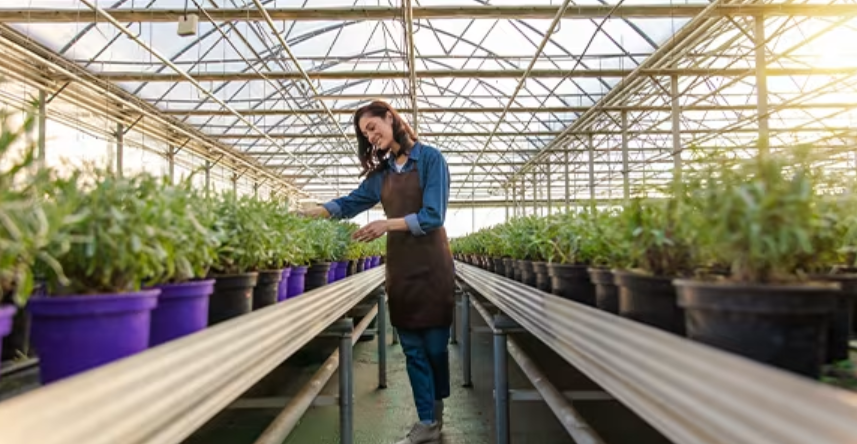
Yet, the true power of the anti-insect net is realized when it is understood not as a panacea, but as the foundation of a more intelligent and sustainable approach to agriculture. By excluding the vast majority of pests, the net empowers the grower. It reduces the relentless pressure to react with chemical sprays, opening the door for more nuanced and powerful strategies like biological control. It creates a stable, predictable environment where beneficial insects can be deployed as a standing army, and where sanitation and monitoring can be practiced with greater effect. The physical barrier of the net fosters a biological and cultural shift in crop protection. It is an investment not just in a piece of plastic fabric, but in a system of farming that is more resilient, more profitable, and more harmonious with the principles of ecological stewardship.

Read our most popular articles.
👉 Download our free product categories
👉 Greenhouse Netting 101: A Comprehensive Guide for Commercial Growers
👉 The Ultimate Guide to Installing Anti-Insect Nets in Greenhouses
👉 Pest-Proofing Your Orchard: An Integrated Netting Approach for 2026
👉 Practical Buyer’s Guide: HDPE vs. Nylon: A Material Showdown for Garden Netting
👉 The Ultimate Guide To Choosing Garden Netting: Pest, Material, and Crop Considerations
👉 How to Start a Private Label Netting Business: A 5-Step Framework for Work
👉 The Chinese Manufacturing vs. Local Suppliers: A Netting Buyer’s Guide