Being able to tell good aluminum from bad on the spot definitely takes a bit of experience. Below is a practical, field-tested checklist you can use to quickly evaluate aluminum profiles—from thickness and surface finish to key details—so you can avoid costly mistakes.
👀 How to Quickly Judge Aluminum Thickness
Thickness is one of the most important factors when it comes to strength and stability. Even without professional tools, there are a few ways to get a reliable first impression on site.
• Use measuring tools whenever possible
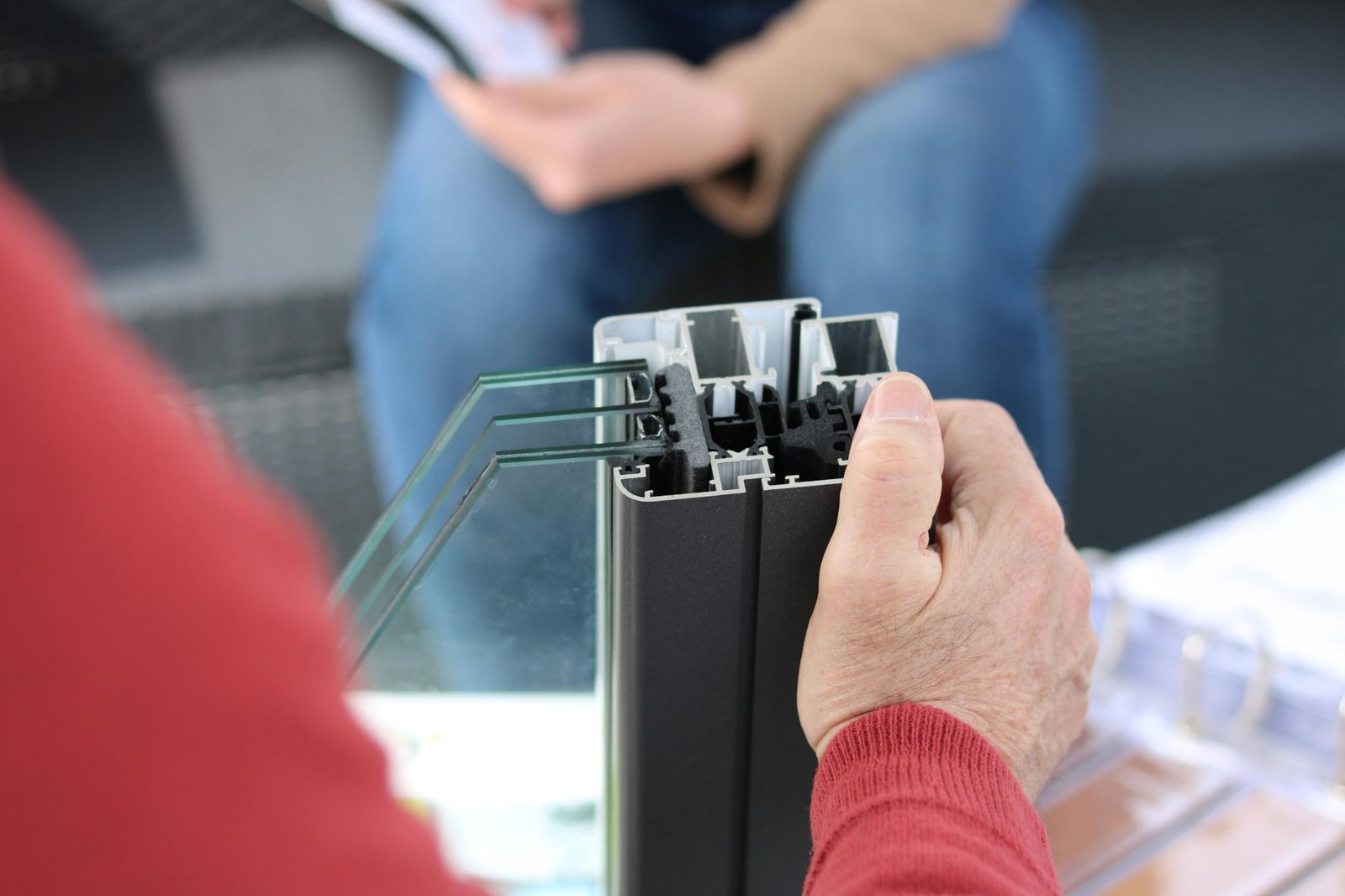
The most accurate method is to use a digital micrometer or a vernier caliper. Take measurements at several points on the profile—both ends and the middle—to make sure the thickness is consistent. This helps catch under-spec sections. For thicknesses like 1.2 mm vs. 1.4 mm, which are nearly impossible to tell by eye, proper measurement is the only dependable option.
• What to do if you don’t have tools
If measuring tools aren’t available, try comparing weight. Aluminum density is fixed, so for the same size and series, thicker walls will feel noticeably heavier. You can also apply light hand pressure to flex the profile. Quality aluminum should feel rigid and spring back immediately once released, rather than staying bent or feeling soft.
• Don’t rely on verbal claims
Avoid trusting a supplier’s word alone. Thickness is sometimes overstated. Always check against the thickness clearly specified in your purchase order or drawings and verify it on site whenever possible.
🔍 Surface Quality: Look First, Then Test
Surface treatment has a direct impact on weather resistance, appearance, and service life.
• Visual inspection matters
Under good lighting, examine the surface from multiple angles. High-quality aluminum should be smooth, flat, and evenly colored, with no obvious color variation. Watch for cracks, peeling, bubbles, corrosion spots, scratches, dents, or sharp burrs. Run your hand across the surface—painted or coated finishes should feel smooth, not gritty or uneven.
• Simple on-site tests
A few quick checks can tell you a lot about how well the surface treatment was done.
- Anodized layer check
For anodized aluminum, gently rub the surface with your finger or a tissue. A good anodized layer shouldn’t rub off easily. While thickness is best checked with an eddy-current gauge, you can still look for consistency across the surface. - Sealing quality test (acid method)
This is a reliable way to judge how well the anodized layer was sealed. Clean a small area with acetone, then apply a few drops of 50% nitric acid. After one minute, rinse with water and dry. Next, add a drop of medical gentian violet. After one minute, wipe it off. If a strong purple stain remains, the sealing quality is poor—the darker the stain, the worse the sealing. - Coating adhesion test (cross-hatch method)
For powder-coated or fluorocarbon-coated aluminum, use a sharp utility knife to cut a small grid (about 1 mm × 1 mm) through the coating down to the base metal. Apply strong tape (such as 3M tape), press firmly, then pull it off quickly at a 90-degree angle. If little to no coating comes off, adhesion is good. Heavy peeling indicates poor quality.
⚙️ Other Details You Shouldn’t Ignore
• Flatness and color consistency
Hold the profile at an angle toward a light source. The surface should appear flat, without waves or bulges. Color should be consistent along the entire length. Any obvious color difference is a red flag. If materials come from multiple batches or need to be joined together, checking color consistency on site is especially important.
• Labels and documentation
Legitimate products usually carry clear markings or packaging information, such as applicable standards and production license numbers. Always cross-check the physical product with the quality certificate—confirm alloy grade, temper, dimensions, and batch number match what was ordered.
💎 A Practical On-Site Inspection Workflow
To keep things organized during inspection, follow this simple process:
- Verify documents first – Request and review quality certificates and confirm they match your order.
- Random sampling – Pull samples randomly from the same batch to avoid being shown only “best-picked” pieces.
- Initial visual and size check – Inspect surface quality and confirm key dimensions, especially thickness.
- Quick performance tests – Perform anodizing, sealing, or adhesion tests based on the surface treatment.
- Make the call – Evaluate everything together. If any critical requirement fails, reject the material without hesitation.
These steps should help you make more confident decisions on site. If you have a specific application in mind—such as outdoor pergolas or high-humidity environments—I can help you narrow down exactly what performance specs you should be focusing on–subscribe WBEST, the pergola expert from China . produce , design and trade pergola from 2000.