Every time I pass by those overlooked spots—abandoned rooftops, unused backyards, or quiet alleys—I can’t help but picture them transformed. As a dining space designer, I’ve seen plenty of “rags to riches” stories, and turning outdoor areas into vibrant dining zones is especially exciting.
Why Go for Outdoor Dining?
With city life speeding up, people are craving spots where they can breathe fresh air and soak in a natural vibe while eating. A survey shows over 70% of diners pick outdoor seats when the weather’s nice. This choice doesn’t just boost the average check by 15-20% compared to indoor dining—it also creates Instagram-worthy visuals that spread like wildfire on social media.

Keys to a Winning Makeover
- Space Check and Focus
Not every empty lot is a good fit for dining. Success starts with a clear-eyed look at the space: accessibility, foot traffic, and natural factors like sunlight or wind direction all matter. Most importantly, match the space to your crowd—business districts work for quick lunch spots, neighborhoods suit family-friendly patios, and tourist areas call for unique experiential setups.
- Design for Vibes
Smart, low-budget transformations often work best. Take “The Yard” in New York—they turned a parking lot into a gritty, industrial-chic outdoor dining area for just $30,000 using old shipping containers and reclaimed wood. Lighting is a game-changer—think warm string lights or adjustable floor lamps to instantly up the charm.
- Weather-Proofing
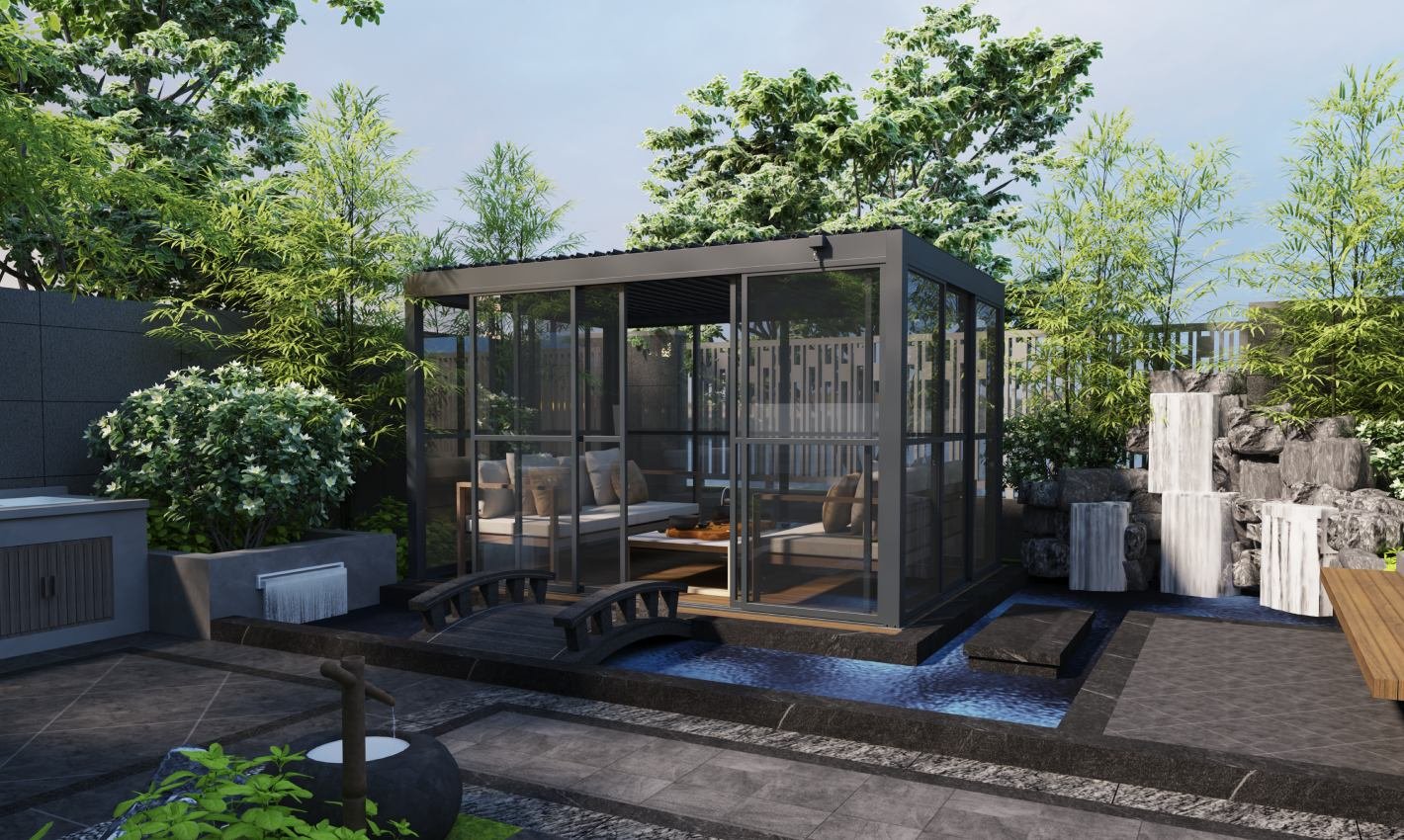
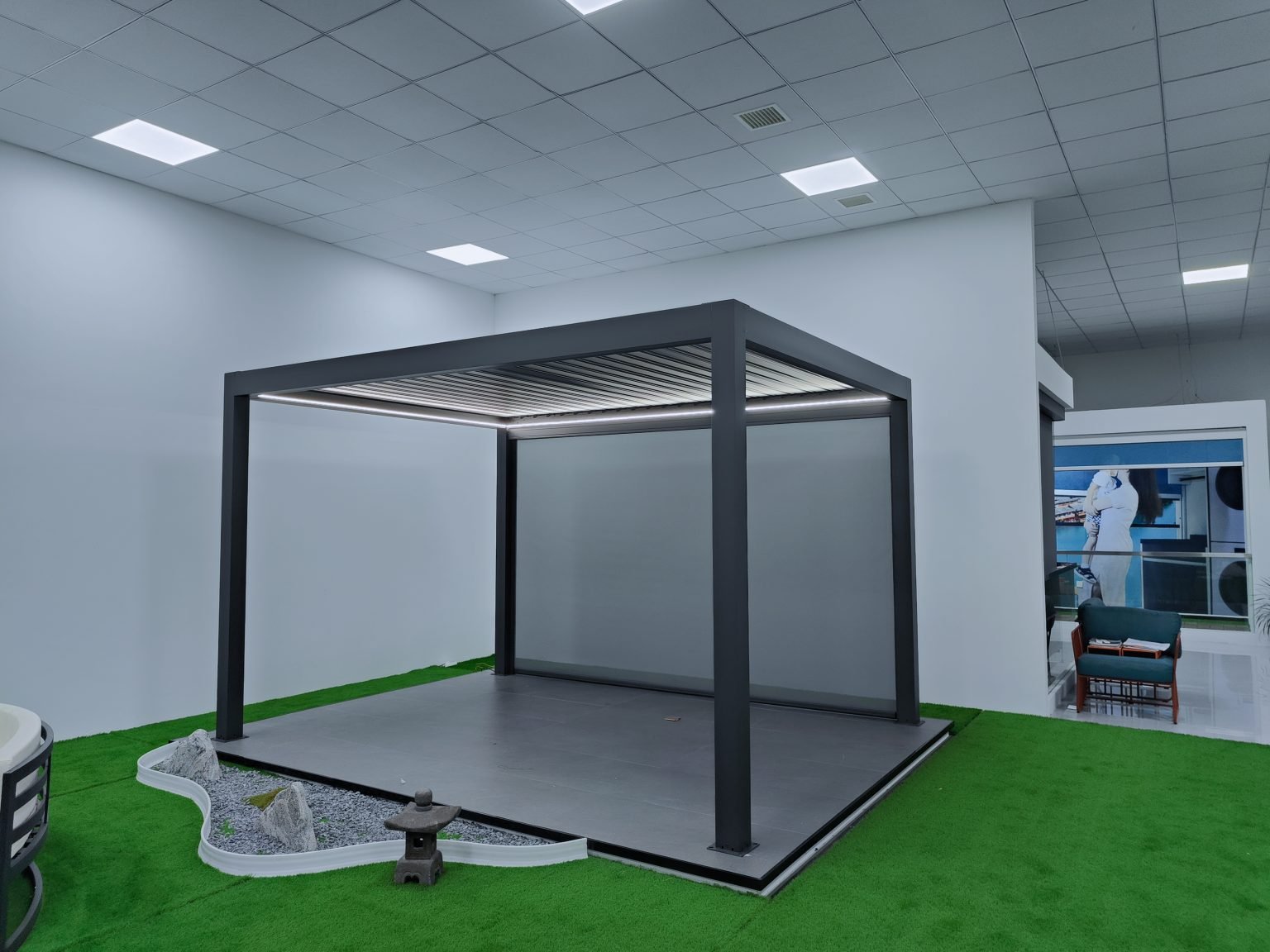
Rainy London’s “Pergola” restaurant uses retractable roofs and clear wind-blocking curtains, boosting their open days by 60%. These adaptable investments cost more upfront but stretch your operating season big time.
Real-Life Success Stories
Case 1: Rooftop Revival—Chicago’s “Irene’s” Restaurant
Irene’s sits on the fifth floor of an old building, where the rooftop was just storage. Owner Mark thought fixing it up would be “too much hassle and cash,” but a nearby rooftop bar’s booming business changed his mind.
Transformation Tactics:
- Worked with architects to confirm structural support and reinforce key spots
- Used lightweight materials: aluminum tables and chairs, waterproof faux-wood flooring
- Installed clear wind barriers for safety without blocking the city view
- Added retractable awnings for sudden weather shifts
Payoff:
A $220,000 investment paid off in just two summers. The rooftop, only 30% of the restaurant’s space, now drives 45% of revenue, flipping tables three times a night compared to 1.5 indoors.
Case 2: Alley Glow-Up—Melbourne’s “Degraves Espresso”
Melbourne’s famous laneway culture didn’t just happen. Degraves Street was once a dim back alley, used only for daytime deliveries and dead at night.
Local coffee shop owners teamed up for an “Activate the Alley” plan:
Transformation Tactics:
- Laid non-slip tiles and added drainage
- Worked with the city to install cool lighting and hanging plants
- Set shared rules: unified hours, music volume control, and trash management
- Let businesses set up personalized seating zones within limits
Payoff:
Now a top dining destination in Melbourne, the alley sees over 8,000 visitors daily. Participating businesses saw sales jump 40%, and nearby retail got a boost too.
Case 3: Community Garden Dining—Portland’s “Garden Bar”
A half-acre empty lot in Portland’s suburbs became “Garden Bar,” delivering a farm-to-table experience with zero distance.
Creative Moves:
- Kept a central garden for edible flowers and herbs
- Scattered tables among the plants, letting guests pick fresh ingredients
- Hosted gardening workshops and cooking classes for off-hour revenue
- Partnered with local farmers for weekly markets to draw weekday crowds
Payoff:
Open only May to September, it serves over 300 customers daily, with per-person spending 30% higher than traditional restaurants. Their pre-made salads, boosted by the on-site experience, saw a 65% sales spike in supermarkets.
Kickstarting Your Project: Practical Steps
- Get Legal First: Check with local planning offices about outdoor dining permits, alcohol sale rules, and operating hours.
- Start Small: Don’t go all-in right away. Test with movable planters, simple umbrellas, and foldable tables for a “pop-up” vibe, then use customer feedback to plan long-term.
- Market Smart: Outdoor spaces are your best ad. Encourage social media posts with small discounts for check-ins.
- Mix Up Revenue: Think daytime café, evening bar, weekend markets, or private event rentals to max out the space.
Final Thoughts
Turning unused spaces into dining hotspots isn’t just about adding seats—it’s about creating experiences. A great outdoor dining area isn’t just for eating; it’s for making memories. Watching a forgotten corner come alive with laughter and chatter? That feeling beats any financial win.
More than that, every project like this makes our cities more livable and vibrant. One plate, one meal at a time, we’re reshaping the places we call home.