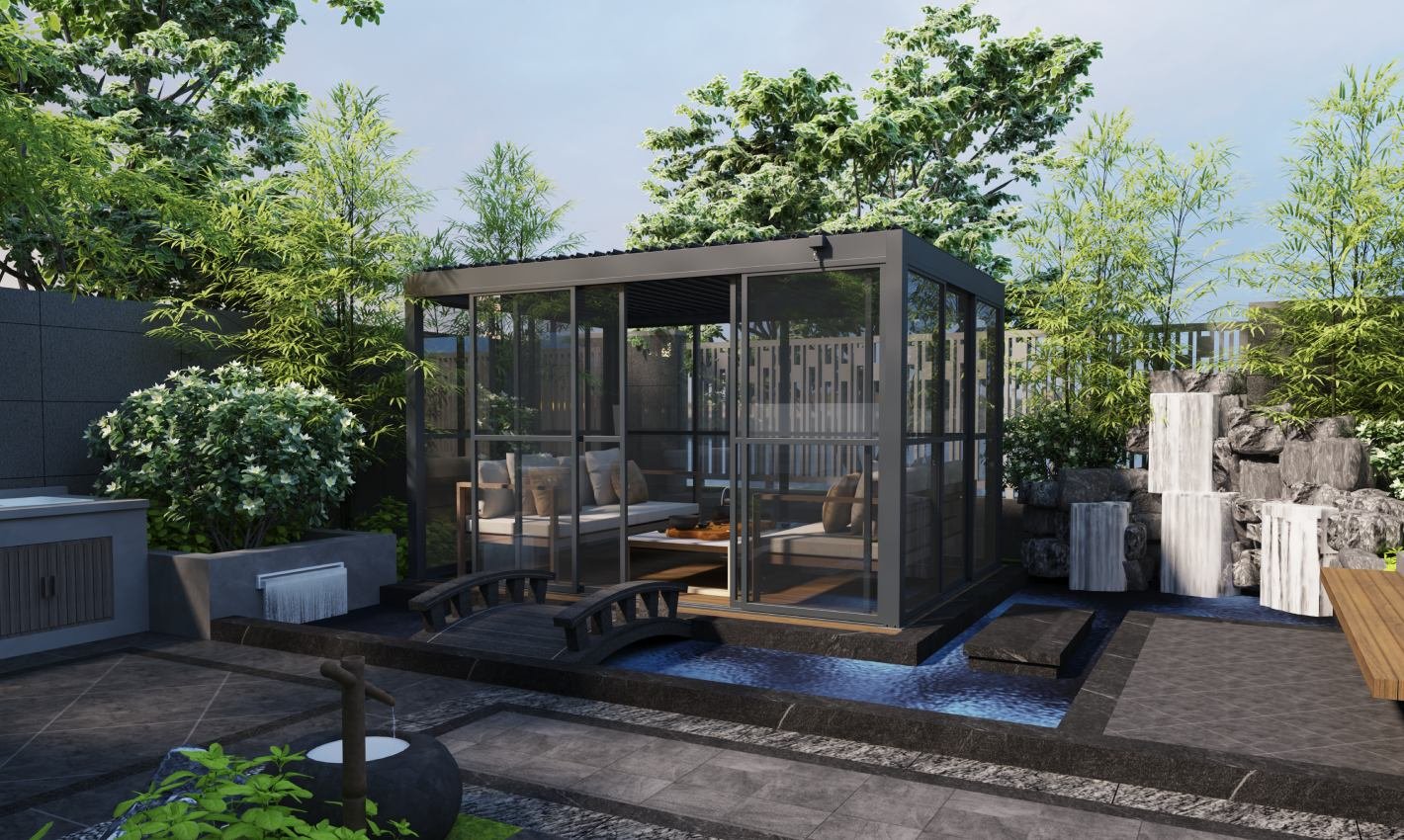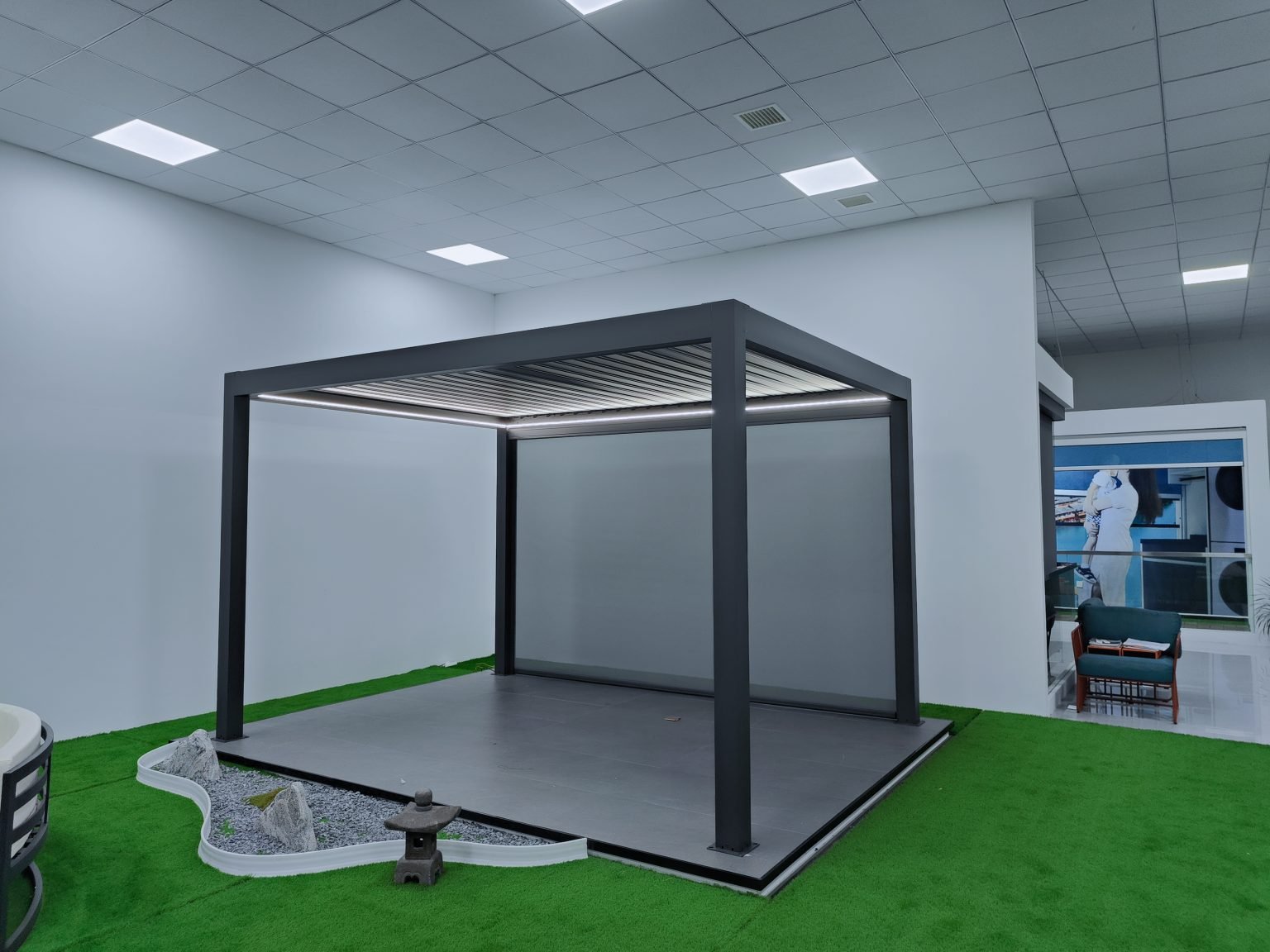
Outdoor living has become a cornerstone of modern home design, with homeowners increasingly seeking ways to extend their living areas into the natural world. Among the most popular outdoor structures, the pergola stands out for its versatility, aesthetic appeal, and ability to create shaded, inviting spaces. However, pergolas are just one of many structures that can enhance outdoor environments, and understanding their alternatives can help you choose the perfect addition for your backyard or patio. This article delves into structures similar to a pergola—arbors, gazebos, pavilions, trellises, awnings, ramadas, and patio covers—exploring their unique features, benefits, and applications. Drawing from current trends and insights as of July 10, 2025, this 3000-word guide will help you transform your outdoor space into a functional and beautiful retreat.
Understanding the Pergola: A Starting Point
Before diving into similar structures, it’s essential to define what a pergola is. A pergola is an outdoor structure characterized by vertical posts supporting a horizontal, open-roof grid of beams and rafters. This design provides partial shade and shelter while allowing sunlight and air to filter through, creating a balance between openness and protection. Pergolas can be freestanding or attached to a house, often serving as a focal point for patios, decks, or gardens. Their open sides and slatted roofs make them ideal for training climbing plants like wisteria or roses, adding a natural element to the space. Historically traced back to ancient Egypt and popularized during the Italian Renaissance, pergolas have evolved into contemporary designs with features like retractable roofs and integrated lighting.
The pergola’s appeal lies in its adaptability. It can define outdoor zones—such as dining or lounging areas—without enclosing them, fostering a sense of connection with the surrounding environment. However, its open design may not suit those seeking full privacy or complete weather protection. This limitation opens the door to exploring alternative structures that share similarities with pergolas while offering distinct advantages.
Arbors: The Garden Gateway
One of the closest relatives to the pergola is the arbor. Often used interchangeably with pergolas, arbors are smaller, more compact structures typically designed to frame a pathway, garden entrance, or gateway. Like pergolas, arbors feature vertical posts supporting a lattice or trellis roof, often arched for an elegant, inviting look. This arched design distinguishes arbors from the typically flat-roofed pergola, making them a picturesque accent in garden landscapes.
Arbors excel at directing foot traffic and creating transitional spaces. A well-placed arbor can mark the entry to a secluded garden nook or connect different areas of a yard, enhancing both functionality and aesthetics. Their smaller size—often spanning just a few feet—makes them ideal for compact gardens where a full pergola might overwhelm the space. Additionally, arbors are perfect for supporting climbing plants, turning them into living archways adorned with blooms or vines.
The key difference lies in scale and purpose. While pergolas are designed to cover larger areas for seating or relaxation, arbors are more decorative, focusing on vertical interest and plant support. Construction materials vary, with wood being traditional, though metal and vinyl options are gaining popularity for durability. Arbors are less expensive than pergolas, with costs ranging from $200 to $1,000 depending on materials and complexity, making them an accessible choice for budget-conscious gardeners.
Gazebos: The Enclosed Retreat
Gazebos offer a more enclosed alternative to pergolas, providing full shade and a defined outdoor room. Typically freestanding with a solid, pitched roof, gazebos are often octagonal or hexagonal, though modern designs may include square or rectangular shapes. Unlike the open slats of a pergola, a gazebo’s roof—whether shingled, metal, or thatched—offers complete protection from sun and rain, making it a year-round option in many climates.
The gazebo’s enclosed nature provides greater privacy and comfort, often featuring screened sides or windows to keep out insects while maintaining ventilation. This makes gazebos ideal for hosting gatherings, dining, or even setting up a cozy reading nook. Their architectural presence also adds value to a property, serving as a focal point in larger yards or parks. However, this enclosure can feel less connected to the outdoors compared to a pergola, and gazebos are more costly, with prices ranging from $2,000 to $10,000 or more for custom builds.
Gazebos share pergolas’ versatility in customization, with options for built-in benches, lighting, or decorative elements like cupolas. Their solid roofs contrast with pergolas’ open design, appealing to those who prioritize weather protection over the dappled sunlight effect. In regions with harsh winters, gazebos can be winterized, while pergolas rely on add-ons like retractable canopies for similar adaptability.
Pavilions: The Open-Air Shelter
Pavilions bridge the gap between pergolas and gazebos, offering a fully covered roof with open sides. These structures are typically rectangular or square, supported by four to six posts, and are often built over patios or decks to create a shaded gathering space. Unlike pergolas, pavilions provide complete shade and rain protection without the need for additional coverings, making them a robust choice for outdoor kitchens or entertainment areas.
The open-sided design maintains a sense of openness similar to pergolas, allowing breezes to flow through while shielding occupants from above. Pavilions are popular in commercial settings, such as parks or resorts, but are increasingly found in residential backyards for their ability to host large groups. Their construction—often from wood, metal, or a combination—can be customized with features like ceiling fans or lighting, enhancing functionality.
Compared to pergolas, pavilions require a more substantial foundation, often a concrete slab, due to their larger size and weight. Costs can range from $3,000 to $15,000, depending on size and materials, making them a mid-range investment. The key similarity with pergolas lies in their use as outdoor living extensions, though pavilions’ solid roofs cater to those needing consistent coverage over variable weather conditions.
Trellises: The Vertical Accent
Trellises are simpler structures similar to pergolas, focusing on vertical support rather than overhead coverage. Consisting of a lattice framework, trellises are designed to support climbing plants, adding height and privacy to gardens or patios. They can be freestanding, attached to walls, or integrated into pergolas and arbors, making them highly versatile.
Unlike pergolas, which provide shade over a broad area, trellises serve as visual barriers or backdrops, often used to screen unsightly views or define garden beds. Their lightweight design—typically made from wood, metal, or vinyl—allows for easy installation, with costs ranging from $50 to $500. Trellises can be L-shaped or linear, offering flexibility in layout and plant arrangement.
The connection to pergolas lies in their shared use of plant support and aesthetic enhancement. A trellis attached to a pergola can increase privacy or create a green wall, blending the two structures’ strengths. However, trellises lack the structural depth of pergolas, making them less suitable as standalone seating areas. Their low cost and ease of maintenance make them a popular complement to larger outdoor designs.
Awnings: The Extendable Shade
Awnings differ from pergolas by being attached to a building’s exterior, extending outward to provide shade without freestanding posts. Typically made from fabric, metal, or aluminum, awnings are retractable or fixed, offering flexibility in sun protection. They serve as a practical alternative for patios or windows, protecting against UV rays and rain while maintaining an open feel.
The primary similarity with pergolas is their role in creating shaded outdoor spaces. However, awnings lack the architectural presence of pergolas, focusing instead on functionality over design. Modern awnings may include motorized controls or weather sensors, aligning with the smart technology trends seen in advanced pergola systems. Costs range from $500 to $3,000, depending on size and automation.
Awnings are ideal for urban settings or homes with limited yard space, where a freestanding structure like a pergola might not fit. Their attachment to the house contrasts with pergolas’ standalone or partially attached nature, offering a seamless extension of indoor living. For those seeking minimal installation effort, awnings provide a quick solution without the need for a foundation.
Ramadas: The Desert-Inspired Shade
Originating from the Spanish word for “branch,” ramadas are traditional structures designed for shade, particularly in arid regions like the American Southwest. Featuring a solid or partially enclosed roof supported by four posts, ramadas resemble pavilions but are often simpler, with materials like wood, bamboo, or thatch. Their open sides allow airflow, making them suitable for hot climates.
Ramadas share pergolas’ emphasis on natural ventilation and shade, though their solid roofs provide more protection from sun and light rain. They are often used near outdoor fireplaces or kitchens, creating a rustic, open-air gathering space. Construction costs vary widely, from $1,000 for basic designs to $5,000 for custom builds, depending on materials and size.
The distinction from pergolas lies in the ramada’s focus on complete coverage and its cultural roots. While pergolas allow sunlight through slats, ramadas prioritize shade, appealing to those in sunny regions. Adding side panels or curtains can enhance privacy, aligning with pergola customization trends, but ramadas retain a more traditional, earthy aesthetic.
Patio Covers: The Attached Shelter
Patio covers are attached structures that extend from a house, providing shade and weather protection over patios or decks. Available with solid or open roofs, they can be made from wood, aluminum, or vinyl, offering a range of styles from minimalist to ornate. Like pergolas, they enhance outdoor living but differ in their permanent attachment and often full coverage.
The similarity with pergolas lies in their role as patio extensions, with some patio covers featuring slatted designs reminiscent of pergola roofs. However, patio covers are more integrated into home architecture, often matching the roofline or materials of the house. Costs range from $1,000 to $10,000, depending on size and complexity, making them a comparable investment to pergolas.
Patio covers offer greater weather resistance than pergolas, appealing to those in rainy or snowy regions. Their attachment eliminates the need for freestanding posts, simplifying installation. For homeowners seeking a seamless indoor-outdoor transition, patio covers provide a practical alternative, though they lack the standalone versatility of pergolas.
Comparing Features and Benefits
Each structure shares pergolas’ goal of enhancing outdoor living but caters to different needs. Arbors and trellises focus on garden aesthetics and plant support, ideal for smaller or decorative spaces. Gazebos and pavilions offer enclosed or semi-enclosed shelter, suited for gatherings or all-weather use. Awnings and patio covers prioritize attachment and weather protection, perfect for urban or rainy environments. Ramadas blend shade and rustic charm, thriving in hot climates.
Material choices impact durability and maintenance. Wood, common across all structures, requires staining and sealing but offers natural beauty. Aluminum and vinyl, popular in modern designs, resist rot and fading, aligning with low-maintenance trends. Costs vary widely, with arbors and trellises being the most affordable and custom gazebos or pavilions the most expensive.
Design and Installation Considerations
Choosing the right structure involves assessing space, purpose, and climate. Pergolas and arbors suit gardens with climbing plants, while gazebos and pavilions fit larger yards for entertainment. Awnings and patio covers work best with existing home structures, and ramadas thrive in open, sunny areas. Local building codes may require permits, especially for larger structures like pavilions or patio covers, with wind resistance standards (e.g., 115 mph in the U.S.) ensuring safety.
Installation ranges from DIY kits for arbors and trellises to professional builds for gazebos and pavilions. Foundations vary—arbors and trellises need minimal anchoring, while pavilions and patio covers often require concrete slabs. Customization options, such as lighting or retractable roofs, mirror pergola innovations, allowing personalization across all structures.
Real-World Applications and Trends
These structures are transforming outdoor spaces worldwide. In urban rooftops, awnings and patio covers create shaded oases, while rural gardens feature arbors and trellises adorned with vines. Gazebos host weddings in parks, and pavilions shelter outdoor kitchens in suburban backyards. Ramadas add desert charm to Southwestern homes, reflecting regional diversity.
As of July 2025, trends favor smart technology—motorized roofs on pavilions and awnings, or sensors on pergolas—enhancing usability. Sustainable materials, like reclaimed wood or recycled aluminum, align with eco-conscious design. The rise of hybrid structures, combining pergola slats with pavilion roofs, reflects a demand for versatile, all-weather solutions.
Choosing Your Perfect Outdoor Structure
Structures similar to pergolas—arbors, gazebos, pavilions, trellises, awnings, ramadas, and patio covers—offer a spectrum of options for outdoor living. Each brings unique strengths: arbors for garden charm, gazebos for privacy, pavilions for shelter, trellises for verticality, awnings for flexibility, ramadas for shade, and patio covers for integration. By considering space, climate, and purpose, homeowners can select the ideal structure to enhance their yard.
Whether you seek a romantic arbor archway, a cozy gazebo retreat, or a modern patio cover, these alternatives expand the possibilities beyond the pergola. With proper design and maintenance, these structures can elevate your outdoor experience, turning your backyard into a personalized haven for relaxation and connection with nature. As outdoor living continues to evolve, exploring these options ensures your space reflects both functionality and style, tailored to your lifestyle in 2025 and beyond.