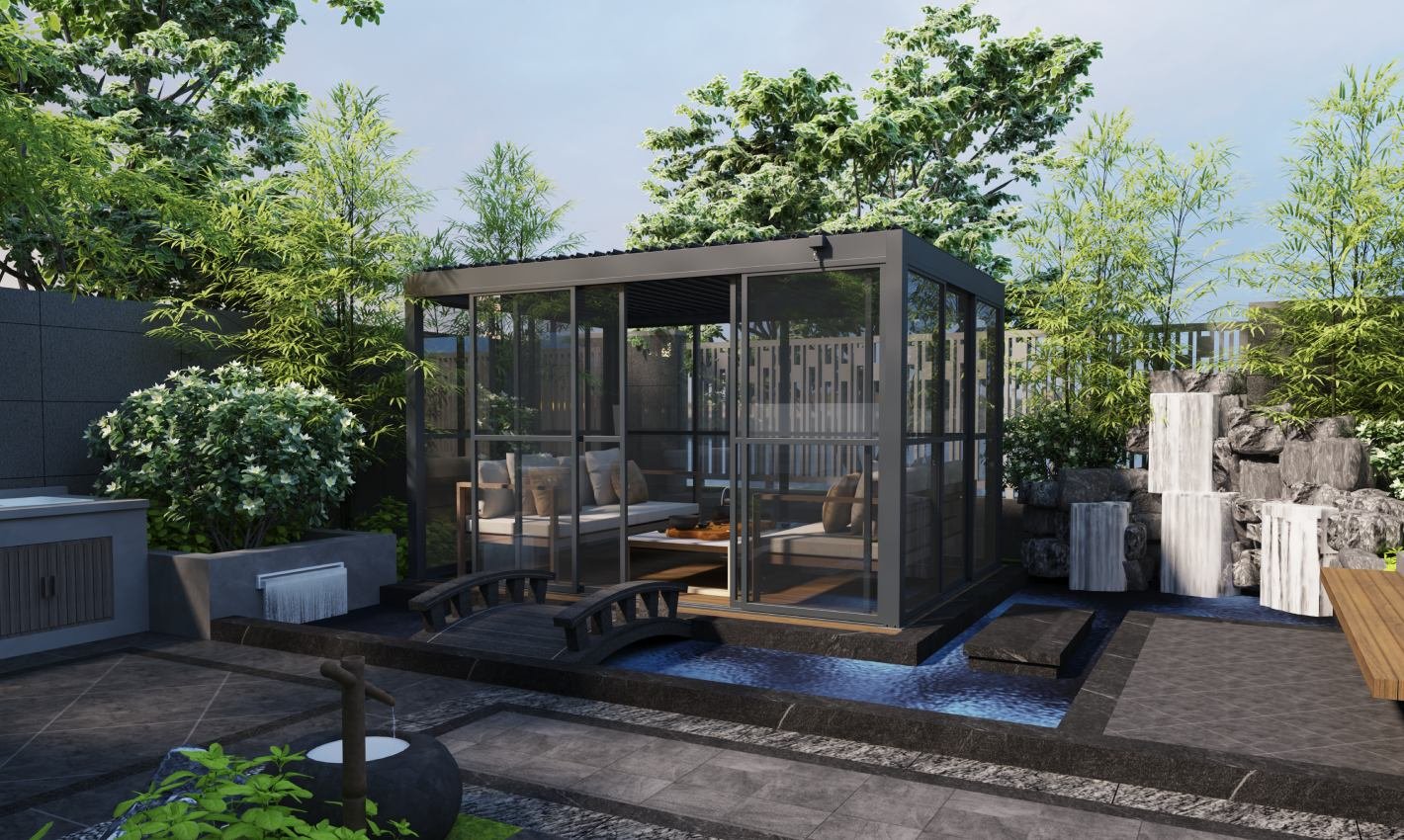
When designing landscapes for patios, decks, or gardens, finding a structure that is both aesthetically pleasing and functional for shade and rain protection can be challenging. Wooden pergolas offer a rustic charm but struggle against weathering, while steel pergolas are affordable yet prone to rust and deterioration—until the aluminum pergola emerged as a revolutionary solution.
This article provides an in-depth analysis of how aluminum pergolas excel in “shade efficiency,” “extreme weather protection,” and “environmental sustainability,” showcasing how this next-generation pergola redefines outdoor living.
1. Scientific Shade: Beyond Blocking Sunlight, a Revolution in Thermal Management
Traditional shade structures often treat sunlight as an enemy, using fully enclosed roofs to block all heat. However, modern architectural physics reveals that visible light and infrared heat energy should be handled separately.
The brilliance of aluminum pergolas lies in the precise combination of their physical properties and structural technology:
- Ultra-High Sunlight Reflectivity: Untreated aluminum reflects over 85% of incident light. Modern anodizing or powder-coating processes can boost this reflectivity to 90%-95%, turning the pergola roof into a “natural mirror.”
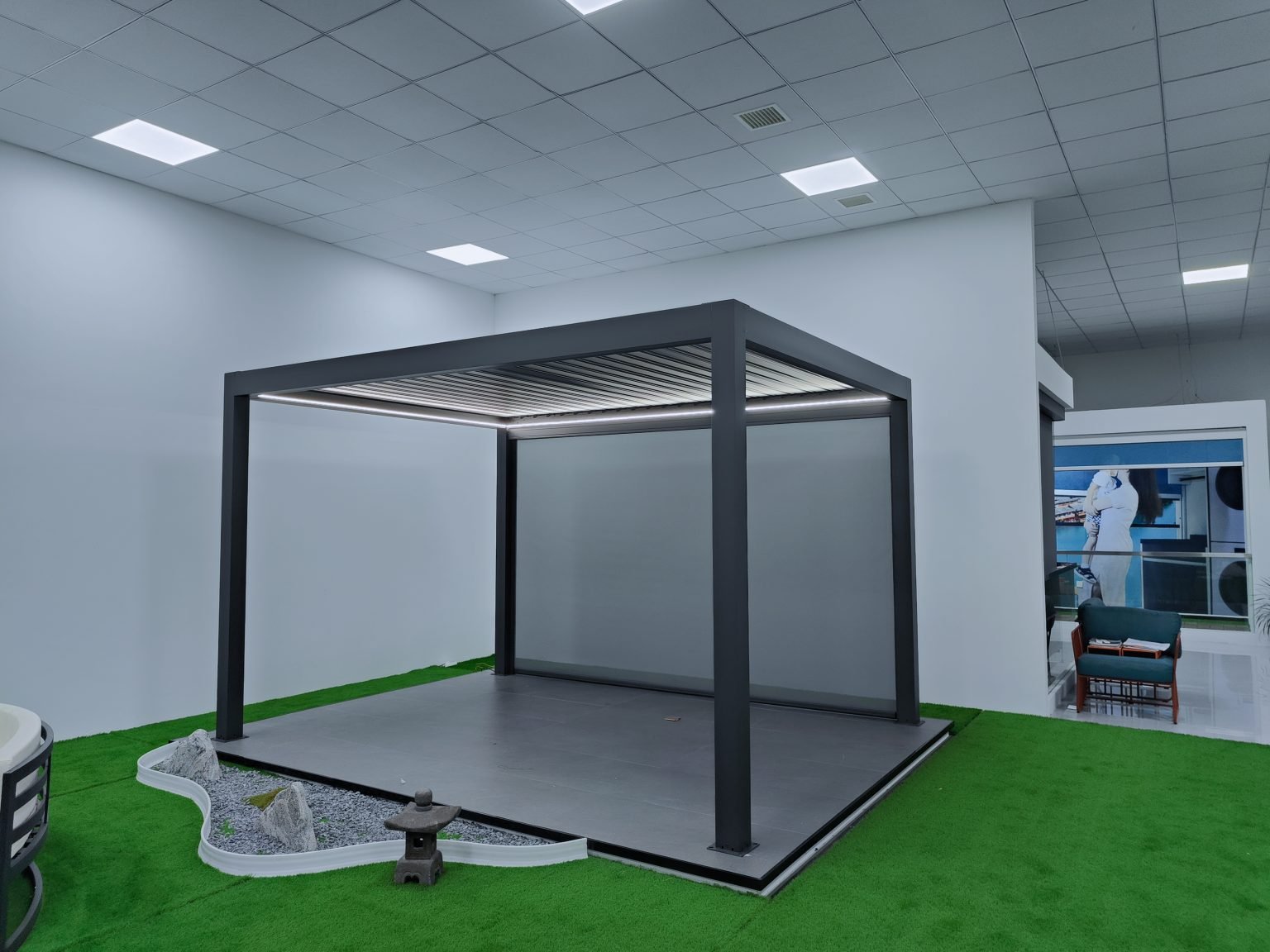
- Customizable Shade Modules: Adjustable aluminum louvered roofs control sunlight angles with precision; slatted roofs create artistic dappled light patterns; and ETFE films or aluminum sandwich panels balance light transmission with UV filtering.
Data Support: Tests show that a well-designed aluminum pergola roof can maintain a surface temperature 30-40°C lower than traditional dark asphalt shingles. Roofs with UV-filtering coatings achieve over 99% UV blockage while retaining more than 50% visible light transmission.
- Radiative Cooling Effect: Aluminum’s high infrared emissivity (approximately 0.2-0.3) effectively radiates heat into outer space, allowing natural cooling at night. Paired with ventilation design, this creates a “passive cooling system,” reducing the urban heat island effect.
2. Ultimate Weather Protection: Comprehensive Defense from Storms to Salt Spray Corrosion
The outdoor durability of aluminum pergolas stems from a systematic approach involving alloy composition, surface treatments, and mechanical design:
1. Wind Resistance—Precision Structural Engineering
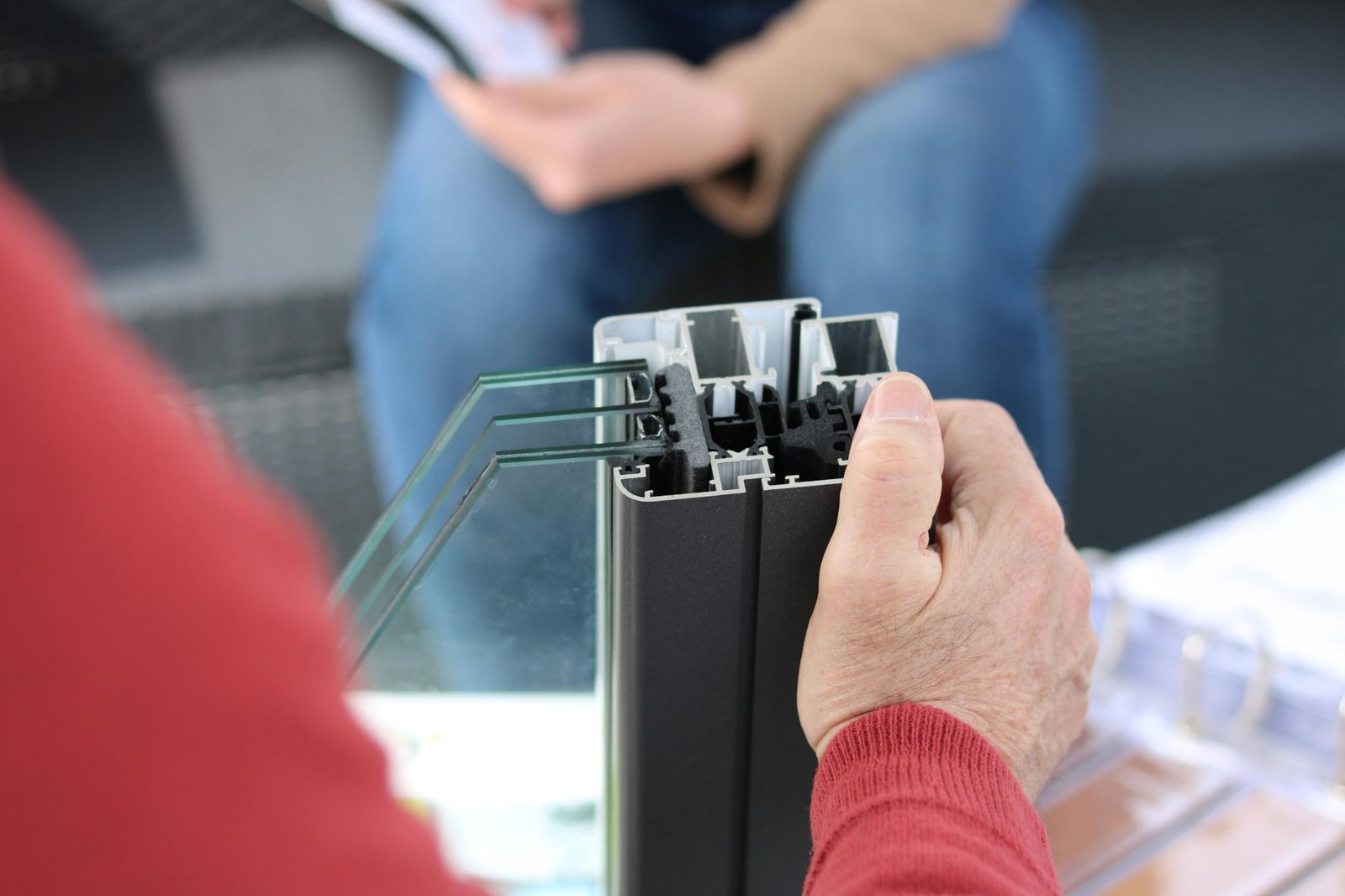
- 6063-T5/T6 aluminum profiles, with a high strength-to-weight ratio (strength exceeding 240MPa), are optimized using finite element analysis (FEA) for load-bearing frameworks.
- Bolt-and-bracket connections form a rigid frame, capable of withstanding gusts over 150km/h (equivalent to FEA Wind Pressure Test Class 4).
- Streamlined roof designs reduce wind resistance, while embedded installations prevent tipping risks.
2. Waterproofing and Snow Resistance—Multi-Level Drainage Solutions
- Integrated roof drainage channels create an organized water management system, preventing water pooling and corrosion.
- Drainage slopes exceed 5°, with reinforced load-bearing frames in snow-prone areas (load capacity >1.5kN/m²) to avoid collapse.
- Structural sealing systems (e.g., EPDM gaskets) eliminate capillary seepage.
3. Corrosion Resistance—Molecular-Level Protection
- Anodizing: Forms a 25μm-thick α-Al₂O₃ oxide layer on the surface, with a microhardness exceeding HV400.
- PVDF Fluorocarbon Coating: Offers a stable molecular structure, resisting UV rays, acid rain, and industrial pollutants. Salt spray tests show no substrate corrosion after 3000+ hours.
- Alloy Protection: 6-series aluminum alloys with added magnesium and silicon provide inherent corrosion resistance, maintaining a lifespan of over 30 years in coastal high-salt environments.
Comparative Testing: In accelerated aging tests simulating industrial pollution, aluminum pergola coatings show less than 5% gloss loss (ISO 2813), while standard steel coatings lose over 30% gloss and exhibit significant rust.
3. Sustainability Analysis: The Eco-Friendly Choice Across Its Lifecycle
The environmental value of aluminum pergolas is embedded in their raw materials, production processes, and recycling systems:
- Recyclability: Architectural aluminum boasts a recycling rate above 95%, with remelting energy consumption just 5% of primary aluminum production (approximately 2.8GJ/ton vs. 56GJ/ton).
- Low-Carbon Process: Hydroelectric aluminum (e.g., from Norsk Hydro in Norway) produces CO₂ emissions below 4kg/kg, far less than the global average of 16kg/kg.
- Durability Reduces Waste: A 60-year maintenance-free lifespan eliminates the need for wood preservatives or frequent steel coating, reducing VOC emissions.
Lifecycle Assessment (LCA) Shows: Compared to wood or steel pergolas, aluminum pergolas reduce carbon footprint by 40%-60% over a 20-year period (source: European Aluminium Association).
4. Purchasing and Customization Strategies: Key Technical Specifications
To avoid marketing pitfalls, these core metrics determine pergola performance:
- Material Certification
- Profile Standards: GB/T 5237 / EN AW-6060/6063
- Surface Treatment: Qualicoat Class 2 / GBMA AAMA 2605
- Structural Performance
- Minimum Wall Thickness: Posts ≥3mm, Beams ≥2mm
- Wind Resistance Rating: Provide FEA wind tunnel reports, recommended ≥Class 3 (equivalent to 130km/h)
- Shade Components
- Roof UV Blockage Rate: ≥99% (tested per ISO 13837)
- Louver Torsional Rigidity: Deflection angle <0.5° (under 150N load)
- Installation System
- Foundation Options: Expansion bolts with anti-lift devices vs. concrete embeds
Aluminum Pergolas, the Ultimate Blend of Outdoor Resilience and Aesthetics
The unique physical properties of aluminum, combined with modern manufacturing techniques, elevate pergolas beyond their traditional role as mere shelters. They deliver a holistic innovation in shade, thermal management, extreme weather protection, and environmental sustainability.
Whether facing scorching sunlight or sudden rainstorms, a scientifically designed aluminum pergola is more than a physical barrier—it’s a technological embodiment of harmony between people and nature. Its low maintenance costs and long lifespan make it a smart investment for outdoor spaces over the next 20 years.
Final Recommendation: When purchasing, prioritize manufacturers’ structural calculations, material warranty documents (10+ years for coatings), and installation guidelines to ensure long-term performance.(wbest-your professional aluminium pergola wholesale partener)