Introduction: The Rise of Aluminum Pergolas and Maintenance Concerns
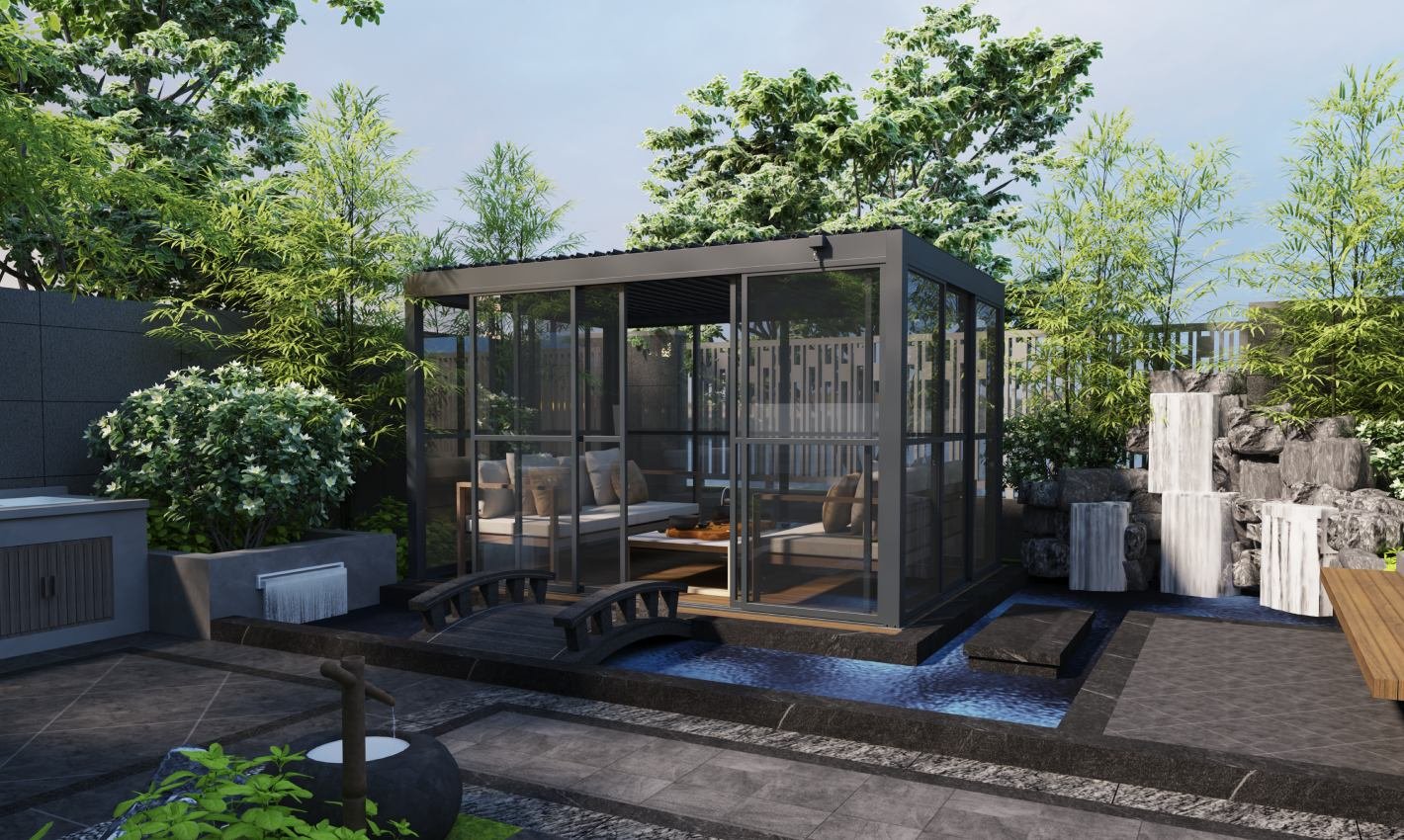
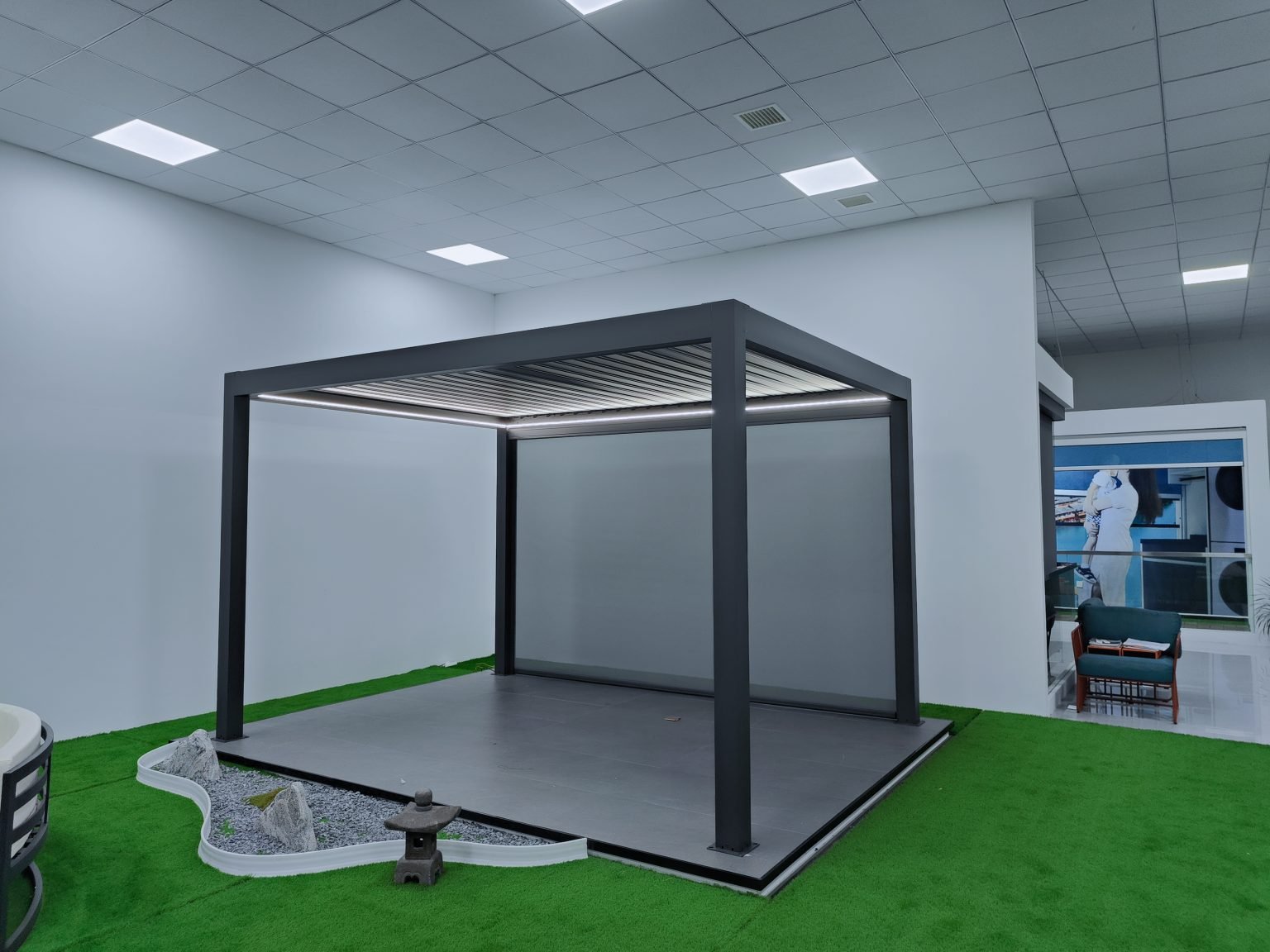
Aluminum pergolas have become a popular choice for modern outdoor living spaces, blending cutting-edge material technology with eco-friendly design. Their lightweight build, durability, and sleek aesthetics appeal to homeowners. Yet, a key question lingers: How much maintenance do these seemingly perfect outdoor structures require? This article analyzes the material properties, structural features, and environmental adaptability of aluminum pergolas, evaluating their short- and long-term maintenance needs, comparing them to traditional materials, and offering practical advice for potential buyers.
Aluminum’s Inherent Properties and Maintenance Benefits
Aluminum boasts inherent advantages that make it a low-maintenance choice. Its corrosion resistance, due to a natural oxide layer, protects against rust even in coastal high-salt environments, lasting decades with proper surface treatment. With an excellent strength-to-weight ratio, aluminum ensures structural stability without excessive load, reducing maintenance caused by deformation.
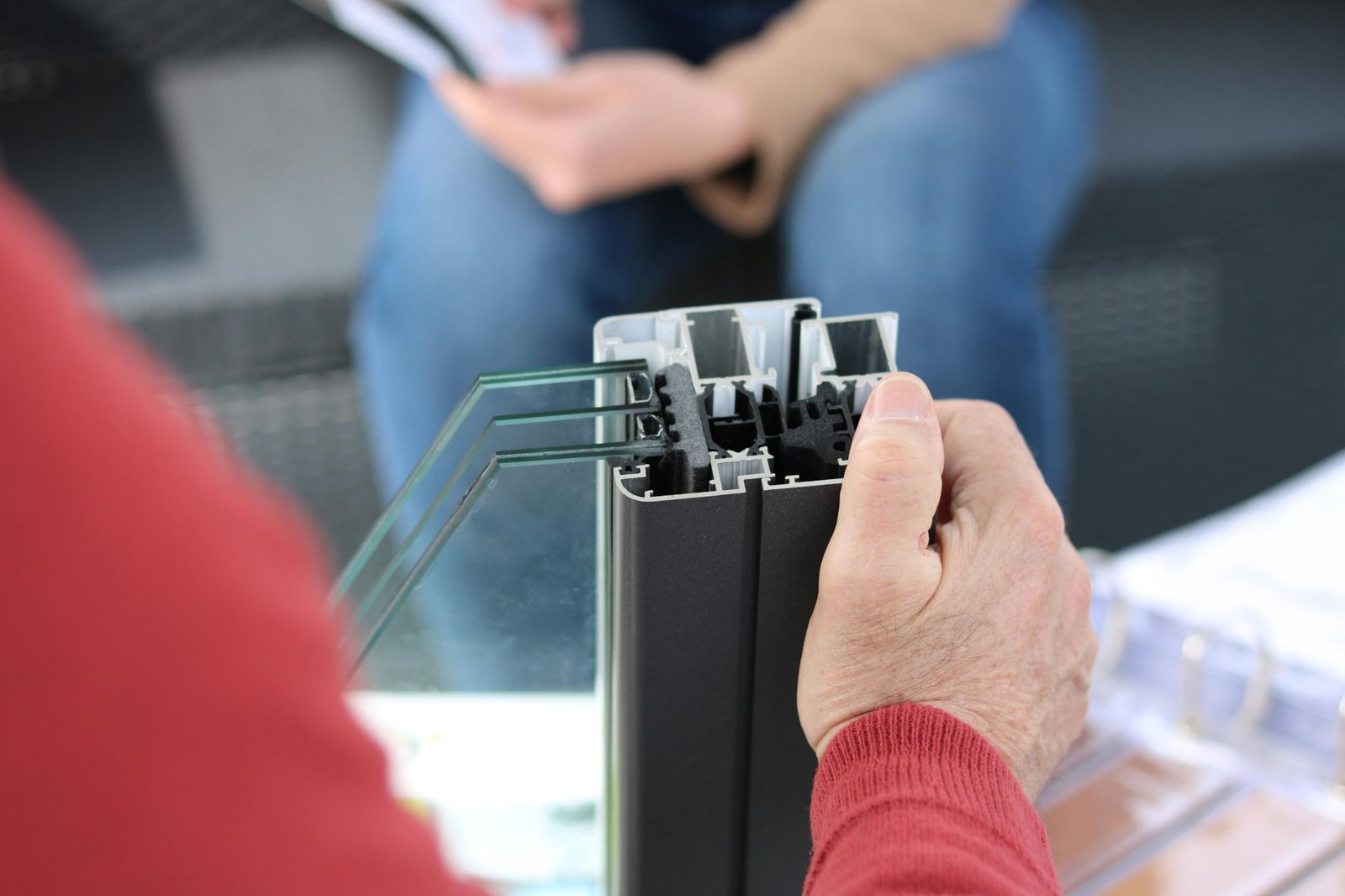
Unlike wood, which rots, cracks, or attracts pests, or steel, which rusts and requires frequent repainting, aluminum avoids these issues. Modern alloys, enhanced with magnesium or silicon, improve mechanical performance and weather resistance. Powder coating technology adds a durable, scratch-resistant, fade-proof layer, eliminating many traditional maintenance challenges.
Daily Maintenance Needs of Aluminum Pergolas
Aluminum pergolas require minimal upkeep, a clear edge over other materials. Basic cleaning—quarterly rinsing with a garden hose or low-pressure sprayer—removes dust and debris. Stubborn stains can be wiped with mild soapy water and a soft cloth; avoid abrasive tools to protect the coating. In polluted areas or spots with frequent bird droppings, monthly cleaning may be needed.
Drainage systems are critical. Regularly check for clogs from leaves or debris, especially in tree-heavy areas. For adjustable roofs or retractable shades, lubricate sliding tracks with silicone-based products every six months. Inspect screws and connectors annually to prevent loosening from wind vibrations.
In snowy regions, clear heavy snow to avoid unnecessary strain, though aluminum’s strength handles most loads well. After extreme weather like hail, check for surface damage, though it’s rare. Overall, annual maintenance takes just 4–6 hours, far less than the dozens of hours required for wood structures.
Long-Term Durability and Major Maintenance Considerations
Over decades, aluminum pergolas demonstrate impressive durability, lasting 25–30 years without major repairs—outpacing untreated wood (5–10 years) and even maintained steel. The main long-term issue is minor coating fade, affecting aesthetics more than function.
For high-end models with motorized systems, motors and controls may need maintenance or replacement after 10–15 years. Fabric components like shades or nets typically last 5–8 years and are easy to replace. Thermal expansion in extreme climates may cause slight seam shifts over time, though quality designs mitigate this with flexible connectors. Check ground anchors every 5 years for moisture barrier integrity.
Environmental Factors Impacting Maintenance
Maintenance varies by environment. Coastal areas require bimonthly cleaning to remove salt buildup; opt for marine-grade coatings. In polluted urban or industrial zones, annual professional cleaning and protective wax can extend coating life. High-humidity tropics demand insulation between aluminum and other metals to prevent galvanic corrosion.
In windy regions, inspect fasteners biannually for wind-induced fatigue. Urban gardens with less wind can reduce checks to annually. Deserts with intense UV may accelerate coating fade but not function, while sandstorms increase cleaning needs. Tree-heavy areas reduce UV exposure but increase debris, requiring weekly gutter checks. Understanding your environment helps set realistic maintenance expectations.
Comparison with Traditional Materials
Compared to wood, steel, and PVC, aluminum pergolas shine. Wood requires 20–40 hours of annual sealing, pest treatment, and repainting, often needing major repairs after 5–7 years. Steel demands yearly rust prevention, with full repainting every 2–3 years in humid areas. PVC resists corrosion but fades, brittles, and is hard to repair, often requiring full replacement.
Aluminum’s lifecycle cost is compelling. Though 30% pricier than wood upfront, it saves ~60% in maintenance costs over 10 years, requiring less time and effort than all alternatives.
Maintenance Myths and Expert Tips
Common myths include “zero maintenance” claims—while low, basic care is still needed. Avoid high-pressure washers or acidic cleaners, which can damage seals or coatings. Neglecting checks can turn minor issues into costly repairs.
Expert tips: Create an annual maintenance calendar, use manufacturer-recommended products, ensure clear drainage, and address motorized system issues promptly. Choose pergolas with 60μm+ powder coatings, precise moving parts, and robust drainage designs. Verify warranties (10+ years for quality models) and ensure professional installation to avoid long-term issues.
The Maintenance Value of Aluminum Pergolas
Aluminum pergolas offer an excellent balance of low maintenance and high value. They’re not entirely maintenance-free but require just 4–8 hours annually to stay in top shape—no specialized skills or costly products needed. With a 25+ year lifespan, they’re ideal for those seeking long-term enjoyment with minimal effort.
Maintenance varies by product quality, environment, and usage, but aluminum pergolas consistently outperform traditional materials, embodying the “less maintenance, more enjoyment” ethos. For time-conscious homeowners valuing quality outdoor spaces, a well-chosen aluminum pergola with a simple preventive maintenance routine is a cost-effective, low-effort investment. Select reputable suppliers and prioritize quality coatings and installation for optimal performance.