In modern outdoor living space design, aluminum pergolas have become increasingly popular due to their aesthetic appeal, functionality, and durability. As people demand higher quality outdoor living experiences, understanding the durability of aluminum pergolas is crucial. This article provides a comprehensive analysis of the durability characteristics of aluminum outdoor pergolas by comparing them with other materials, examining real-world use cases, and analyzing professional testing data to offer consumers a scientific basis for their purchasing decisions.
Basic Characteristics of Aluminum Pergolas
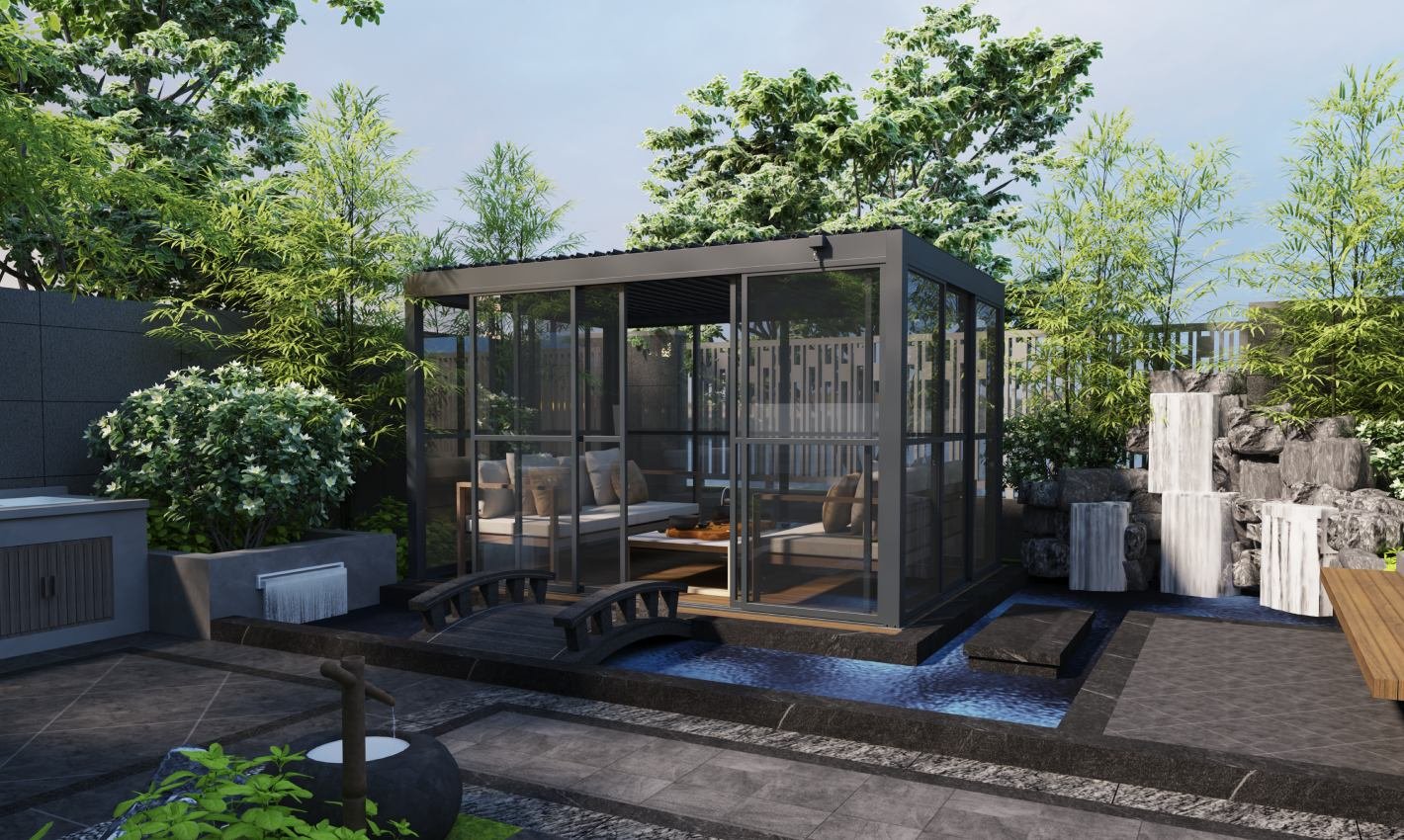
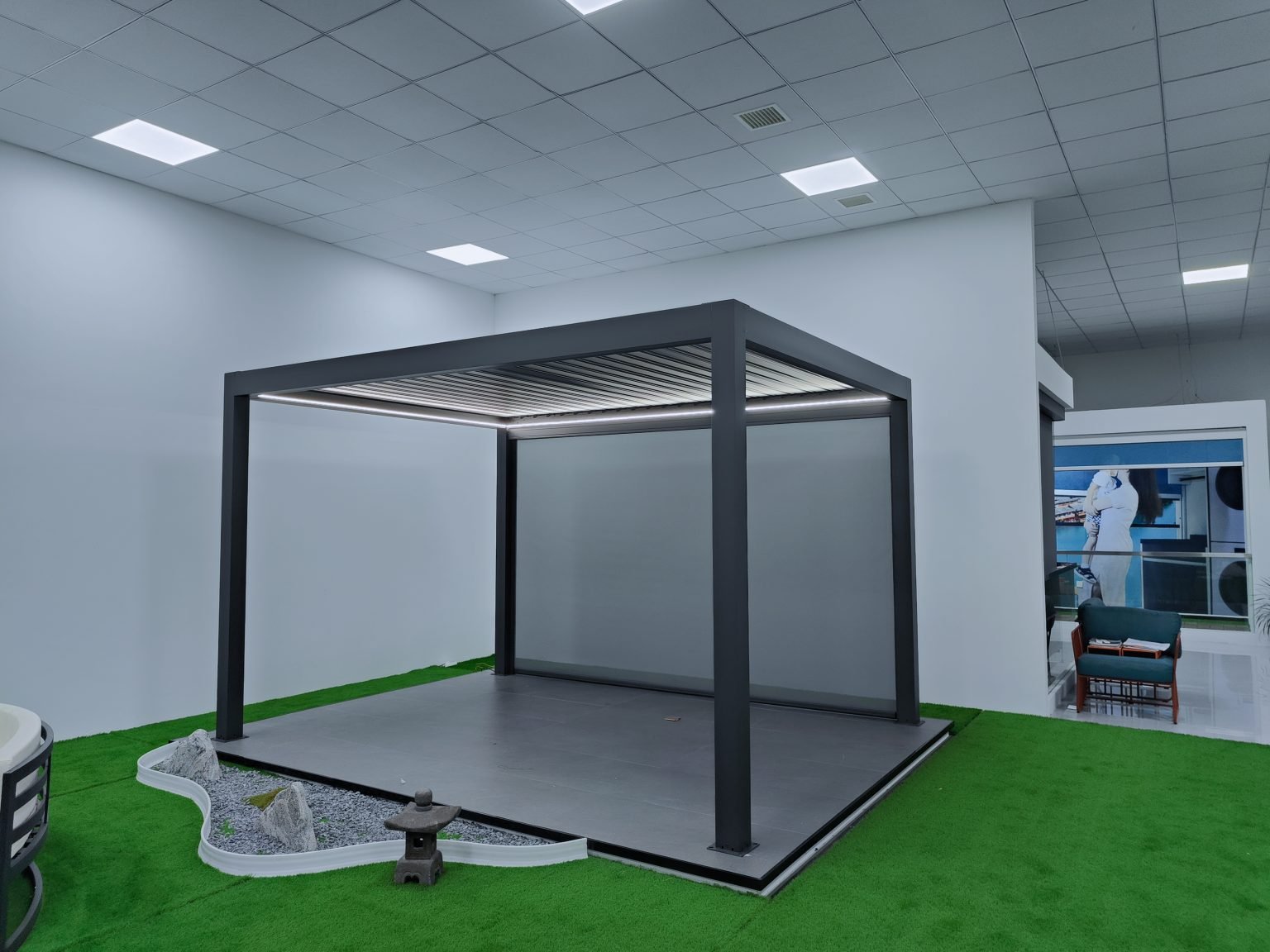
Aluminum outdoor pergolas are semi-open structures made from aluminum alloy, primarily used in courtyards, gardens, patios, and other outdoor spaces to provide shade, rain protection, and decorative appeal. Compared to traditional wooden or steel pergolas, aluminum pergolas have the following key features:
- Lightweight: Aluminum has a density of about 2.7 g/cm³, much lower than steel (7.8 g/cm³), making aluminum pergolas easier to transport and install.
- High Strength: Modern aluminum alloys, enhanced with elements like magnesium and silicon, can achieve tensile strengths exceeding 300 MPa.
- Modular Design: Most aluminum pergolas use prefabricated components, allowing for quick and easy installation.
From a materials science perspective, these inherent properties lay a strong foundation for the durability of aluminum pergolas. According to data from the Aluminum Association, properly alloyed and heat-treated aluminum alloys have a strength-to-weight ratio comparable to some steels, explaining why aluminum pergolas can remain lightweight while supporting significant loads.
Corrosion Resistance of Aluminum Pergolas
Corrosion resistance is one of the most outstanding durability features of aluminum pergolas. Aluminum naturally forms a dense oxide layer, about 4-5 nanometers thick, when exposed to air. This self-healing layer effectively prevents further corrosion. Long-term exposure tests by the European Aluminium Association show:
- In rural environments, aluminum corrosion depth is less than 25 microns after 50 years.
- In coastal areas (high-salinity environments), corrosion depth is approximately 50-75 microns after 30 years.
- In industrial pollution zones, corrosion depth is about 30-50 microns after 40 years.
In contrast, untreated carbon steel can experience corrosion depths of 50-100 microns in just one year under similar conditions. A comparative study by the UK Building Research Establishment found that, within 500 meters of a coastline, unprotected steel pergolas showed significant rust within three years, while aluminum pergolas exhibited only slight surface gloss changes after 15 years.
The corrosion resistance of aluminum pergolas can be further enhanced through:
- Alloy Selection: Alloys like 6063 are particularly suitable for outdoor use.
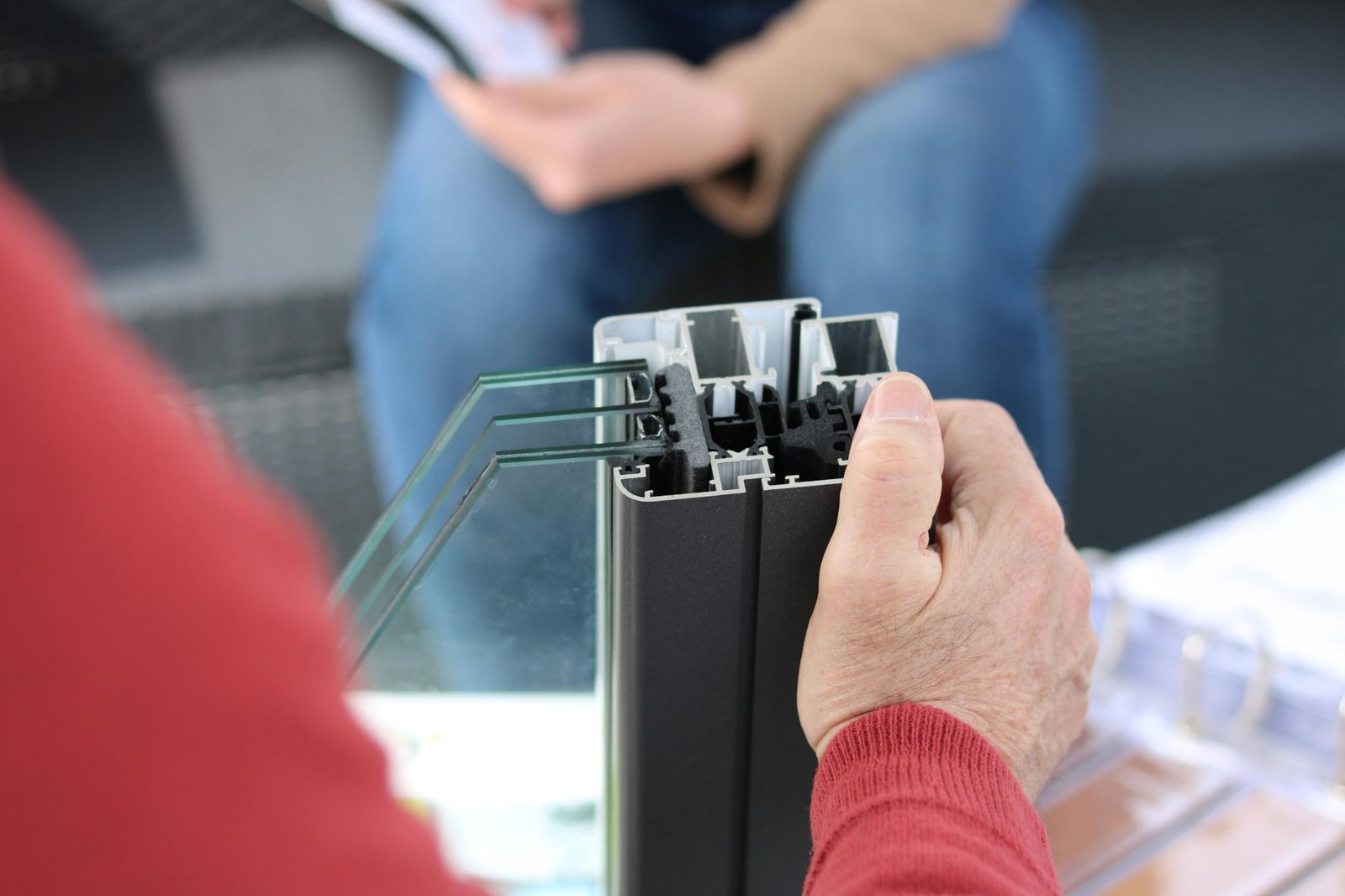
- Surface Treatments: Anodizing (forming a 5-25 micron oxide layer) or powder coating (60-120 microns).
- Proper Design: Avoiding water accumulation and ensuring smooth drainage.
Wind Resistance and Structural Stability
Structural stability is another critical factor in assessing pergola durability. The wind resistance of aluminum pergolas depends on several factors:
According to the American Society of Civil Engineers (ASCE 7-16), the required wind speed resistance for outdoor pergolas varies by region, with coastal areas typically demanding higher standards. Engineering tests indicate:
- Standard aluminum pergola structures can withstand wind speeds up to 130 km/h (equivalent to a Category 12 typhoon).
- Reinforced designs (with additional beams and larger cross-sections) can handle up to 160 km/h.
- Specialized designs for extreme climates can exceed 200 km/h.
Mechanical testing data from Germany’s TÜV shows that a standard 3m x 4m aluminum pergola performed as follows in static load tests:
| Test Item | Standard Requirement | Actual Result |
|---|---|---|
| Top Concentrated Load | 150 kg | 210 kg |
| Uniform Load | 100 kg/m² | 140 kg/m² |
| Lateral Thrust | 50 kg | 75 kg |
These results demonstrate that high-quality aluminum pergolas far exceed typical usage demands. Notably, installation quality significantly impacts wind resistance, with professional installation improving performance by over 30%.
Weather Resistance and Color Retention
When exposed to sunlight and rain over time, a material’s color stability directly affects its aesthetic appeal and perceived durability. Aluminum pergolas typically use powder coating or fluorocarbon paint for surface treatment, with the following weather resistance performance:
According to Q-Lab’s QUV accelerated aging tests (equivalent to outdoor exposure years):
| Surface Treatment Type | 2000-Hour Test Result | Equivalent Outdoor Years |
|---|---|---|
| Standard Powder Coating | ΔE<3 (slight discoloration) | 8-10 years |
| Premium Powder Coating | ΔE<2 | 12-15 years |
| Fluorocarbon Paint | ΔE<1 | 15-20 years |
Real-world surveys in temperate climates show:
- 85% of aluminum pergola users reported no noticeable fading within 10 years.
- Only 5% reported needing repainting within 10 years.
- In contrast, wooden pergolas typically require repainting or staining every 3-5 years.
Ultraviolet (UV) radiation is the primary cause of color degradation, so when choosing darker colors (which absorb more UV), attention to coating quality is crucial. Industry standards like QUALICOAT and GSB AL 631 set strict requirements for outdoor aluminum coatings, ensuring better color retention for compliant products.
Durability Comparison with Other Materials
A material comparison provides a clearer understanding of the durability advantages of aluminum pergolas. Below is a comparison of common pergola materials:
| Material | Average Lifespan | Main Aging Forms | Maintenance Frequency | 10-Year Total Cost |
|---|---|---|---|---|
| Aluminum | 25-40 years | Minimal corrosion | Nearly maintenance-free | $ |
| Hardwood | 15-25 years | Cracking, rotting | Every 2-3 years | $$$ |
| Softwood | 8-12 years | Warping, insect damage | Annually | $$$$ |
| Steel | 10-20 years | Rusting | Every 3-5 years (anti-rust) | $$ |
| PVC | 10-15 years | Brittleness, fading | Non-repairable | $$ |
Cost analysis shows that while aluminum pergolas may have a 20-30% higher initial cost than wood, their total cost over a 20-year lifecycle (including maintenance and replacement) is typically the lowest. A UK Consumer Association survey found that aluminum pergola users reported a 92% long-term satisfaction rate, significantly higher than the 68% for wooden pergolas.
Tips for Extending Aluminum Pergola Lifespan
Even with their excellent durability, proper maintenance can further extend the lifespan of aluminum pergolas:
- Regular Cleaning: Clean quarterly with a neutral detergent and soft cloth, avoiding acidic or alkaline cleaners that may corrode the oxide layer.
- Drainage Check: Ensure drainage channels remain clear to prevent water accumulation and localized corrosion.
- Fastener Inspection: Check bolts and nuts for looseness annually, especially after windy seasons.
- Environmental Management: Prevent climbing plants from directly contacting the aluminum, as plant secretions may affect the surface.
- Winter Maintenance: In cold regions, remove snow from the top to prevent overloading.
Manufacturer warranties also reflect product durability. High-quality aluminum pergolas typically offer:
- 10-15 years structural warranty.
- 5-10 years surface treatment warranty.
- In contrast, wooden pergola warranties rarely exceed 5 years.
Real-World Cases and User Feedback
Field studies of aluminum pergolas installed for over 5 years reveal:
- Suburban London Residence (7 years):
- Powder coating intact, with minor wear at edges.
- No structural deformation or loose connections.
- User comment: “Aside from occasional rinsing, no special maintenance required.”
- Florida Beachfront Villa (5 years):
- Slight white oxidation at joints in a high-salinity environment, but no structural impact.
- Survived multiple hurricanes with no damage.
- User comment: “Much more durable than our previous steel pergola.”
- Beijing Community Pergola (10 years):
- Surface scratches but no corrosion.
- PM2.5 pollution caused some gloss loss, but 80% restored after cleaning.
- Property manager: “Zero maintenance records over 10 years.”
Industry reports indicate aluminum pergolas perform exceptionally well in:
- High-humidity regions (e.g., Southeast Asia).
- Coastal areas.
- Continental climates with large temperature swings.
- Urban environments with heavy industrial pollution.
Purchasing Advice
Based on the data and research, the following conclusions can be drawn:
- Aluminum outdoor pergolas have an average lifespan of over 25 years, 2-3 times longer than wooden pergolas.
- With normal use and maintenance, the main structure requires no replacement within 20 years.
- Their corrosion resistance makes them ideal for harsh environments, with maintenance costs 60-80% lower than alternative materials.
- While initial costs are higher, the total cost over a 10-year cycle is typically the lowest.
With advancements in aluminum alloy technology and surface treatment processes, the durability of aluminum pergolas continues to improve. For consumers seeking long-term value and low maintenance, aluminum outdoor pergolas are undoubtedly one of the most durable options available today.