When selecting a pergola—particularly an aluminum pergola—choosing the right supplier is just as important as choosing the right product. A reliable supplier not only delivers high-quality products but also provides thoughtful after-sales support and long-term assurance. This guide outlines the key points to consider when evaluating an aluminum pergola supplier, so you can make an informed decision.
I. Verify the supplier’s credentials and reputation
Start by checking the supplier’s basic credentials. A legitimate supplier should hold a valid business license and list manufacturing related to aluminum profiles or similar production in its business scope. You can look up the supplier’s registration details, registered capital, establishment date, and any negative records using the national business credit information disclosure system or equivalent databases. Reputable suppliers often also hold quality management certifications (for example ISO 9001) and environmental management certifications (for example ISO 14001). These certificates are strong indicators of standardized production processes and product reliability.
Investigate the supplier’s industry standing and reputation. Suppliers with good reputations tend to take product quality and customer service more seriously. Ask for proof of performance and reference projects from the past three years, especially customer feedback from completed projects. If possible, obtain addresses for at least three local projects that have been completed and in use for more than five years, then visit those sites to inspect long-term performance—check for consistent paint finish, whether structural fittings have loosened, and if drainage remains effective. Also check whether the supplier has ever been listed for serious violations or included among judgment-defaulters; that information helps you avoid higher-risk partners.
II. Pay attention to aluminum quality and manufacturing standards
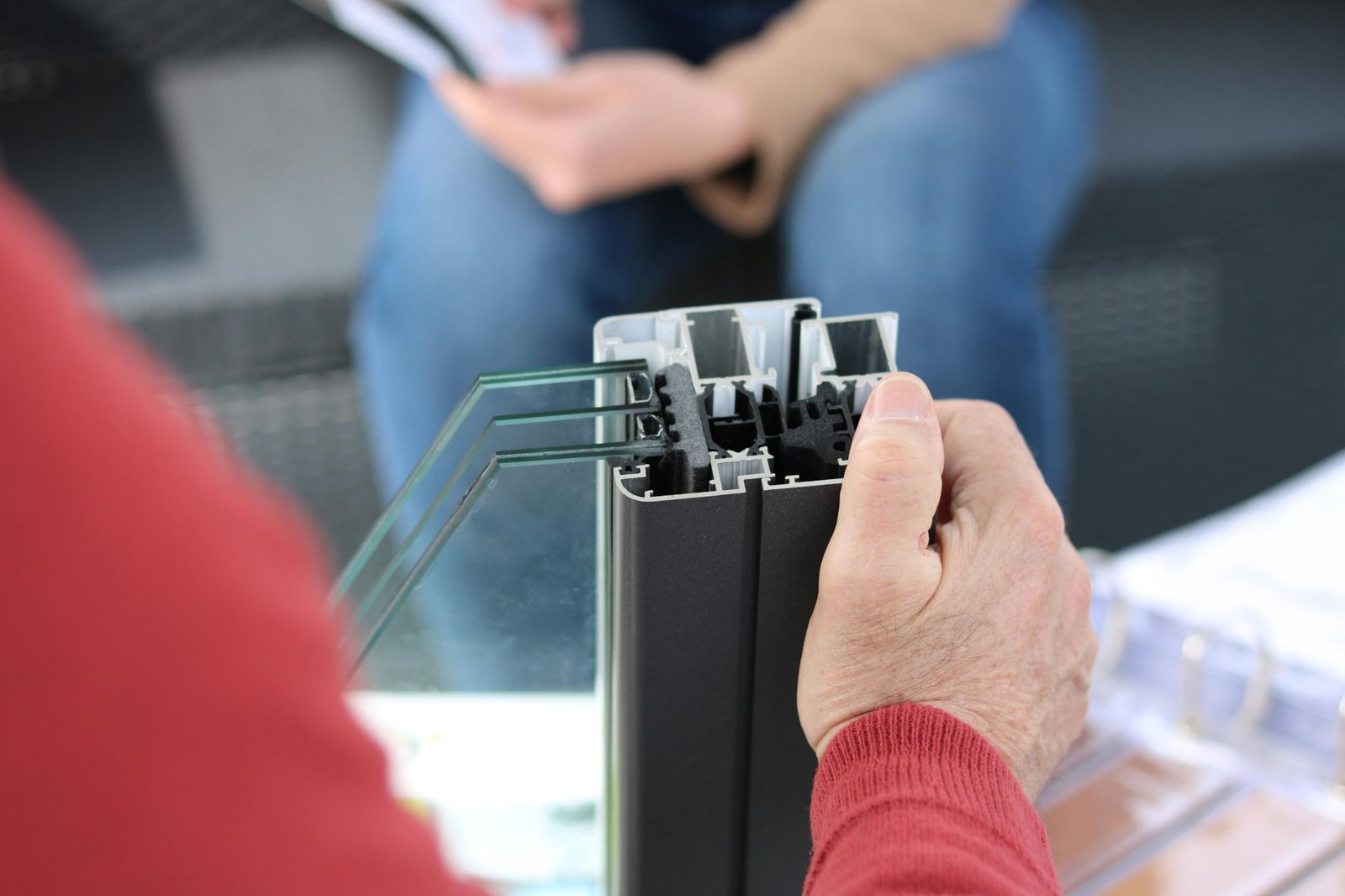
The alloy type and wall thickness of the aluminum profiles directly determine the structure’s strength and durability. High-quality aluminum pergolas generally use primary 6XXX-series alloys (such as 6063 or 6060), which offer better mechanical properties. Wall thickness is a critical metric: main load-bearing members (for example columns and beams) should have an actual measured wall thickness of no less than 3.0 millimeters. Some premium brands use main-column thicknesses of 3.0 mm or greater, which improves stability and wind resistance. Be cautious of cheaper products with wall thicknesses around 1.0–1.2 mm—these are often made from recycled aluminum with lower strength and compromised safety.
Surface treatment affects weather resistance and appearance. High-quality surface finishes such as fluorocarbon (PVDF) coatings resist corrosion, UV exposure, and moisture, helping the pergola look new for much longer. Pay attention to coating thickness: a PVDF finish should generally be greater than 25 microns in inland areas and over 40 microns in coastal or acid-rain-prone regions. For wood-grain finishes, choose treatments that produce realistic texture and depth so the effect resists fading. Suppliers should be able to provide test reports demonstrating their products withstand hundreds or thousands of hours of salt-spray testing without corrosion.
III. Inspect design capability and workmanship details
Fine manufacturing and attention to detail are hallmarks of a quality pergola. When evaluating, focus on joints, corners, and connection points. Well-made pergolas have neat, tight joints and are often test-assembled before shipping. Poorly made products may have rough cuts, gaps, or cracks that affect both appearance and safety. Request material samples or offcuts and compare these against delivered products to ensure consistency.
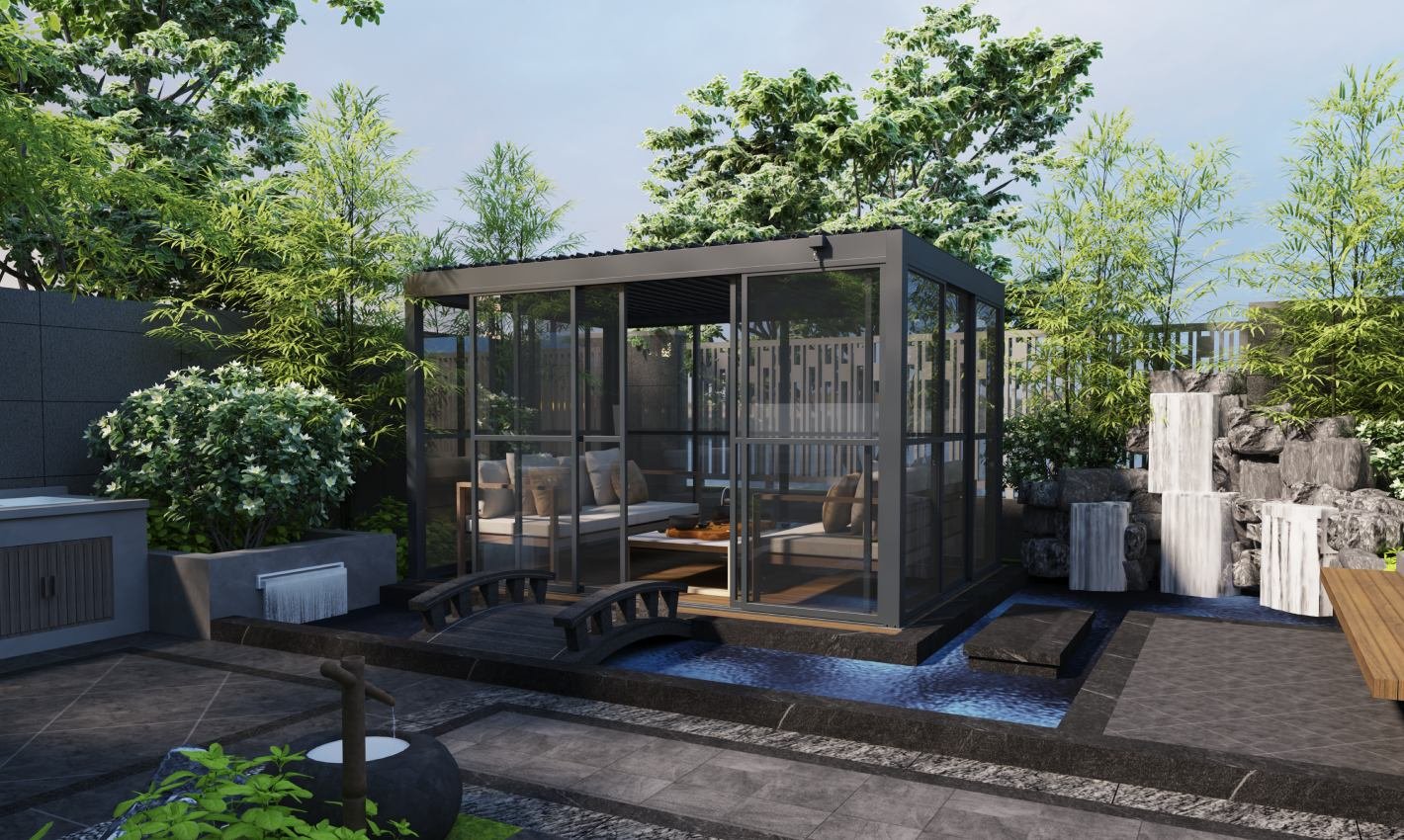
Assess whether the supplier can meet custom design requirements. If your yard has special constraints, a supplier with strong design capability is essential. Look for providers who offer 3D visualizations, support bespoke options, and present a range of colors and styles. Ask about their process: do they perform professional on-site measurements, provide detailed design drawings for confirmation, and include clear contract terms? These process elements reduce the chance of misunderstandings and help ensure a successful installation.
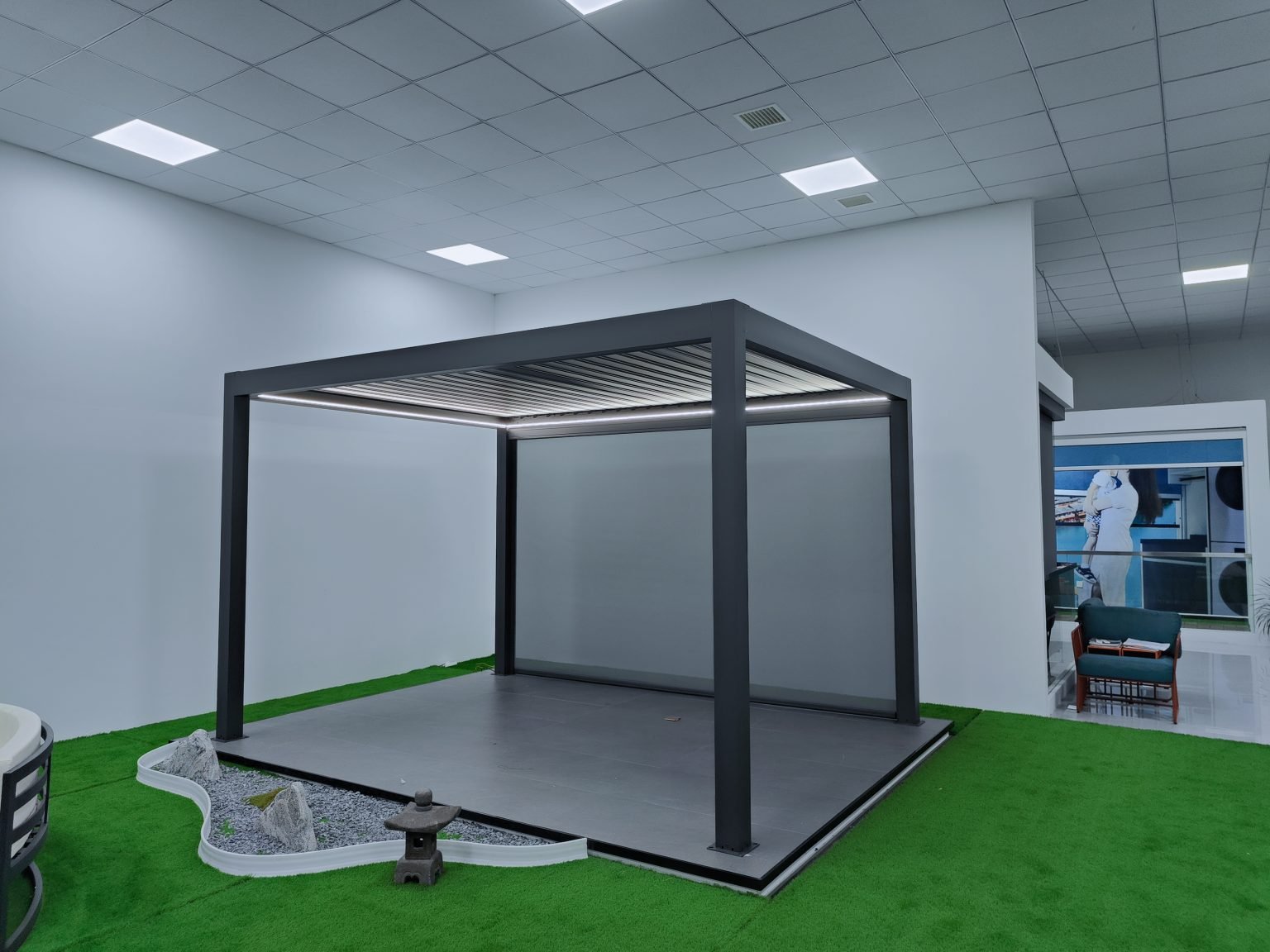
If you are considering motorized or smart pergolas (for example, adjustable louver systems or motorized canopies), the motor system is a critical component. Understand the motor’s brand, ingress protection rating (IP rating of at least IP44 is recommended), warranty period, and performance. Test the mechanism on-site, checking for smooth operation, noise level (a recommended maximum noise of ≤55 dB when stopping), and reliability of smart features such as app control and wind/rain sensors.
IV. Clarify installation standards and after-sales terms
A professional installation team is the final gate to a successful project. Even the best product can fail or be unsafe if installed incorrectly. Confirm whether the supplier’s installation crew is experienced and certified where applicable. After installation, perform a careful acceptance inspection—check structural stability, smooth operation of moving parts, and the absence of water leaks.
Comprehensive after-sales service provides long-term peace of mind. Before signing any contract, have the supplier clearly state after-sales terms in writing. Key items include warranty length (quality suppliers often offer 5–10 years), scope of coverage (clearly distinguish warranty periods for aluminum structure, motor/electrical systems, weather seals, etc.), response procedures (for example local service and response times), and a clear process for repair and associated costs. A contract that clearly allocates responsibilities is fundamental to protecting your rights.
V. Analyze pricing and overall value rationally
Understand how the quote is built so you can avoid low-cost traps. Break down the total price into components—aluminum profiles, motor systems, glazing, installation, shipping, and other costs—and compare each element against market rates. If any item is priced far below industry averages, question whether material thickness, production complexity, or component brands have been compromised.
Look at long-term value rather than only the initial cost. While a high-quality aluminum pergola may cost more upfront, its longer lifespan, lower maintenance (no need for the periodic anti-rot treatments or repainting required by timber structures), and stable performance typically offer a better lifetime cost-benefit.
Before making the final decision, take time to work through these checks. Choosing a supplier with reliable credentials, solid materials, skilled workmanship, and dependable service will help your business get better and better .
Choose WBEST , your preferred pergola supplier !